
Montana, often hailed as “Big Sky Country,” evokes images of vast open spaces, majestic mountains, and an untamed wilderness that captivates the soul. While its sprawling landscapes and iconic landmarks are widely celebrated, understanding the human element – its population – offers a deeper insight into the state’s character, its evolving culture, and what it truly means to experience Montana as a traveler. Far from just a number, the state’s population dynamics profoundly influence everything from the types of accommodation available to the unique local experiences that define its tourism appeal. For those planning a journey through this magnificent state, grasping its demographic landscape is key to unlocking its full potential as a travel destination.
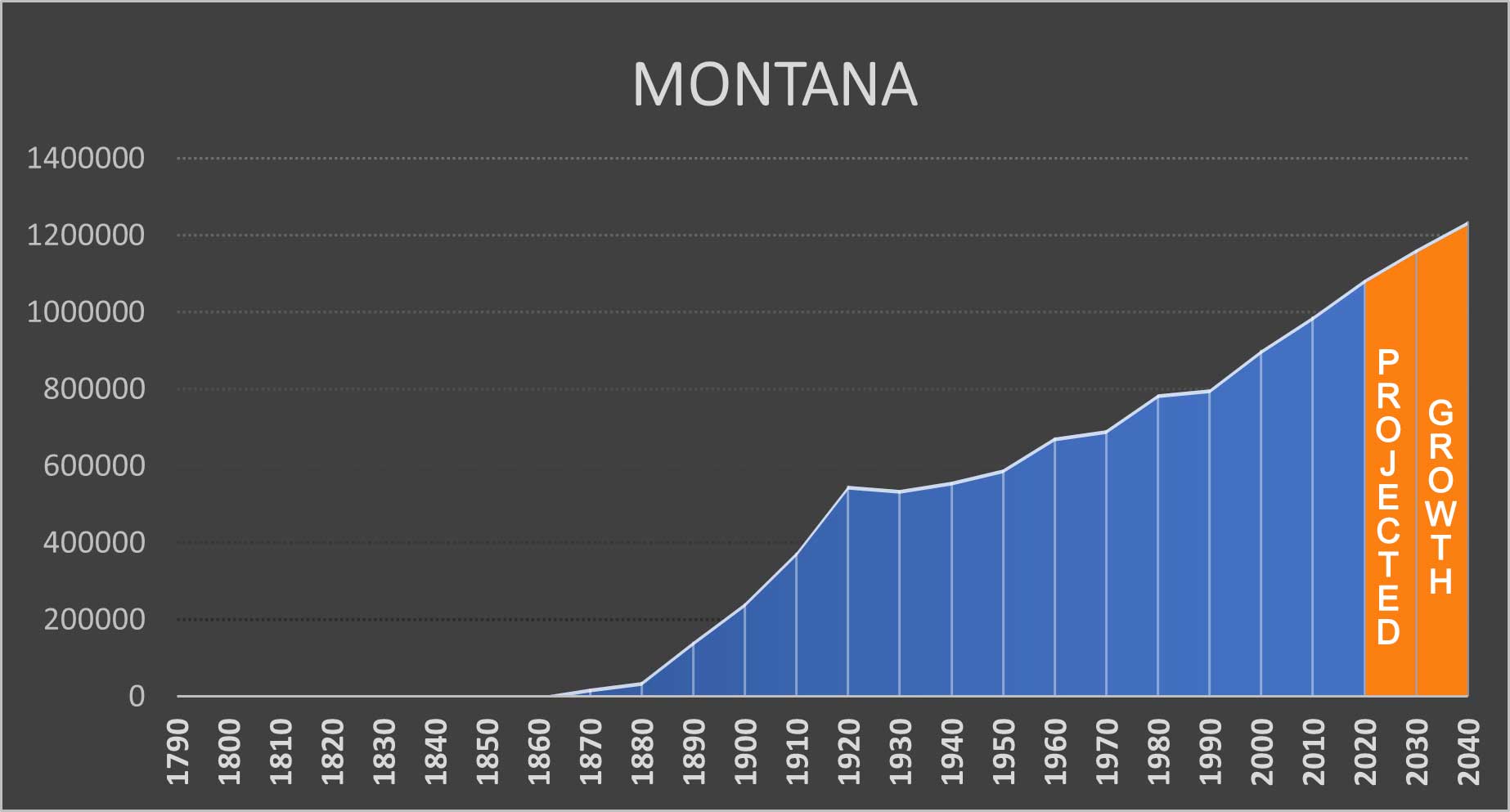
The state’s relatively small population for its immense size contributes significantly to its allure. It’s a place where you can still find solitude, where the night sky is truly dark, and where small towns retain their distinct charm. However, Montana is not static; it is a state experiencing notable growth, drawing new residents with its quality of life, natural beauty, and economic opportunities. This growth brings both exciting developments and unique considerations for preserving the very essence that makes Montana so special.
Montana’s Evolving Demographics: More Than Just Numbers
The story of Montana’s population is one of steady, often robust, growth, particularly in recent years. This influx of new residents, combined with the existing local communities, creates a rich tapestry that influences everything from the local food scene to the availability of hotels and guided experiences. Understanding who lives in Montana and where they choose to settle provides crucial context for any visitor seeking an authentic adventure.
The Latest Population Figures and Growth Trends
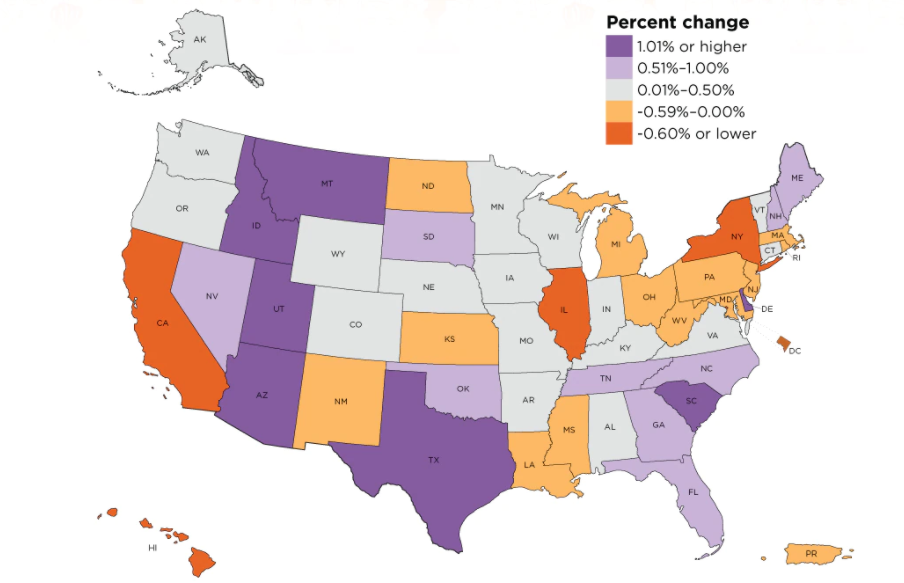
As of recent estimates, the population of Montana hovers around 1.15 million residents. While this number might seem modest compared to more densely populated states, it represents a significant increase over the past decade. Montana has consistently ranked among the fastest-growing states in the U.S., a trend driven by both domestic migration – people moving from other states – and, to a lesser extent, natural increase. This growth is testament to the state’s undeniable appeal, offering a compelling blend of outdoor lifestyle, a strong sense of community, and an economy that, while traditionally rooted in agriculture and natural resources, is diversifying rapidly.
The pace of growth has, at times, led to discussions about infrastructure, housing, and the preservation of Montana’s unique character. For travelers, this means a dynamic landscape where new businesses, accommodations, and attractions are emerging, while efforts are also being made to protect the wild spaces and local cultures that define the state. It’s a delicate balance, but one that ensures Montana remains both welcoming and authentically itself.
Urban vs. Rural: Where People Live and Why It Matters for Tourism
Despite the overall growth, the distribution of Montana’s population is far from uniform. The vast majority of residents reside in a handful of urban centers and their surrounding valleys, leaving immense swaths of the state sparsely populated. This demographic divide is fundamental to understanding the state’s tourism offerings.
Major cities like Billings, Missoula, Bozeman, Great Falls, and Helena serve as vibrant cultural and economic hubs. These urban areas are where visitors will find the broadest range of hotels, diverse dining options, arts and entertainment venues, and more structured tourism activities. They often act as gateway cities, providing essential services and amenities before visitors venture into the more remote areas. For instance, Bozeman is a popular jumping-off point for Yellowstone National Park, and Kalispell and Whitefish serve the same role for Glacier National Park.
Conversely, the vast rural expanses of Montana are home to smaller communities, ranching families, and those who cherish a life deeply connected to nature. These areas offer unparalleled opportunities for solitude, wilderness exploration, and an authentic glimpse into the state’s agricultural heritage. Travelers venturing into these regions might find charming bed and breakfasts or rustic cabin rentals rather than large resorts, and their interactions will often be with locals who embody the true spirit of the American West. This urban-rural contrast ensures that Montana can cater to a wide spectrum of travel preferences, from city breaks to deep wilderness immersion.
Diversity and Culture: The Fabric of Montana’s Communities
While often stereotyped as homogenous, Montana’s population, especially in its urban centers, is becoming increasingly diverse. This diversity enriches the state’s cultural landscape, contributing to a broader array of culinary experiences, artistic expressions, and community events. Indigenous populations, primarily the Blackfeet Nation, Crow Nation, Flathead Nation, Northern Cheyenne Tribe, Chippewa Cree Tribe, Fort Belknap Indian Community, and Fort Peck Assiniboine and Sioux Tribes, have a profound and historical presence, shaping much of the state’s heritage and offering invaluable cultural insights for visitors. Their reservations, often encompassing stunning natural beauty, provide opportunities for cultural tourism and education.
The influx of new residents from various parts of the U.S. and beyond also brings new perspectives and innovations. This cultural blend can be seen in the vibrant downtown areas of cities like Missoula and Bozeman, where local craft breweries, farm-to-table restaurants, and independent art galleries thrive. For travelers keen on exploring local culture and food, these demographic shifts mean a more dynamic and flavorful Montana than ever before.
Population Density and Its Impact on Travel & Tourism
Montana boasts one of the lowest population densities in the United States, averaging just over seven people per square mile. This remarkable statistic is perhaps its greatest draw for many travelers. It’s a place where “getting away from it all” isn’t a cliché, but a tangible reality. This low density directly shapes the types of destinations, attractions, and overall experiences Montana offers.
Exploring Montana’s Major Hubs: Cities as Gateway Destinations
While the wide-open spaces are the star, Montana’s cities are essential to its tourism infrastructure and visitor experience. They provide convenient bases for exploring the surrounding wilderness and offer their own distinct charms.
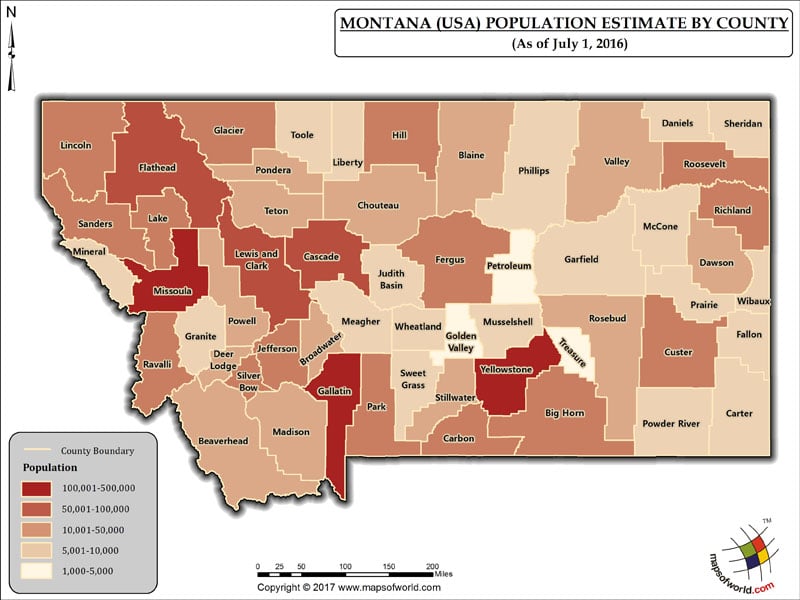
- Billings: As Montana’s largest city, Billings is a commercial and cultural center. Its population size supports a wide array of hotels, including major chain suites and boutique hotels, diverse dining, and attractions like the Western Heritage Center, ZooMontana, and the scenic Rimrocks. It’s an ideal starting point for exploring southeastern Montana and historical sites like the Little Bighorn Battlefield National Monument.
- Missoula: Known for its vibrant arts scene, outdoor recreation, and the University of Montana, Missoula is a hub of youthful energy and progressive culture. Its downtown area, particularly around Caras Park and the Clark Fork River, offers a lively mix of shops, restaurants, and breweries. Accommodation options range from charming bed and breakfasts to modern hotels that cater to both leisure and business travelers.
- Bozeman: Often cited as one of the fastest-growing micropolitan areas in the U.S., Bozeman blends outdoor adventure with sophisticated amenities. Its proximity to Big Sky Resort and Yellowstone National Park makes it a prime tourism base. The city boasts a robust selection of luxury hotels, resorts, and vacation rentals, alongside a booming culinary scene fueled by its expanding population and a discerning visitor base. The Museum of the Rockies is a significant landmark here.
- Helena: The state capital, Helena, offers a rich history stemming from the gold rush era. Its downtown Walking Mall is a unique attraction, surrounded by Victorian architecture and historic sites. Helena’s smaller population provides a more intimate city experience, with boutique hotels and local eateries reflecting its heritage.
- Great Falls: Positioned along the Missouri River, Great Falls is steeped in Lewis and Clark history. It offers access to significant natural features and serves as a gateway to north-central Montana. The city’s size supports comfortable accommodations and a range of local attractions, including the Lewis & Clark National Historic Trail Interpretive Center.
These cities, shaped by their resident populations, are vital points of interest for visitors, offering a blend of modern amenities and local flavor before venturing into the more remote parts of the state.
The Allure of Uncrowded Spaces: Wilderness and Remote Experiences
The flip side of Montana’s low population density is the sheer abundance of untouched wilderness. This is where “Big Sky Country” truly comes alive. Iconic landmarks like Glacier National Park, the Absaroka-Beartooth Wilderness, and vast sections of the Rocky Mountains offer unparalleled opportunities for hiking, fishing, wildlife viewing, and experiencing true solitude. The low human footprint means pristine environments and a chance to connect with nature on a profound level.
Travelers seeking this type of experience will find a different kind of accommodation: rustic cabins, wilderness lodges, remote ranches offering dude ranch experiences, and extensive camping opportunities. Towns near these wild areas, such as Gardiner and West Yellowstone near Yellowstone National Park, or Columbia Falls and Hungry Horse near Glacier National Park, cater specifically to outdoor enthusiasts, offering guides, gear rentals, and a strong sense of community centered around nature. This balance between vibrant urban hubs and vast, unpopulated wilderness is a cornerstone of Montana’s appeal.
Accommodation Trends: Catering to Growth and Seclusion
The interplay of population growth and low density has a direct effect on Montana’s accommodation landscape. In rapidly growing areas like Bozeman and Kalispell, there’s a surge in new hotel development, including luxury resorts, boutique hotels, and extended-stay apartments to cater to both new residents and the increasing number of visitors. These developments often boast modern amenities such as spas, gourmet dining, and meeting facilities, reflecting a growing demand for higher-end travel experiences.
Conversely, in the more remote parts of the state, the focus remains on unique and authentic stays that blend seamlessly with the natural environment. Think glamping tents under the stars, historic log cabins, or dude ranches where guests can experience a slice of authentic Western life. The growth of vacation rentals and short-term stays has also exploded, offering travelers the chance to live like a local, even in the most secluded settings. This diverse range of accommodation ensures that every type of traveler, from those seeking ultimate luxury to those preferring rustic charm, can find their perfect home away from home in Montana.
Lifestyle and Economic Implications for Visitors
Montana’s population, its distribution, and its growth trends aren’t just statistics; they are the bedrock upon which the state’s vibrant lifestyle and tourism economy are built. For visitors, this translates into a unique blend of authentic local culture, diverse culinary offerings, and a myriad of activities that cater to every interest.
From Local Eateries to Luxury Resorts: Catering to Diverse Tastes
The evolving population demographics in Montana have significantly shaped its culinary and hospitality scenes. In cities like Bozeman and Missoula, the increasing number of residents and visitors has fueled a boom in diverse dining options. You can find everything from farm-to-table restaurants emphasizing local ingredients to ethnic eateries reflecting a broader cultural palette. Montana’s craft beer and distillery scene has also flourished, with local establishments becoming community hubs and popular tourist attractions.
Beyond dining, the growth in population and tourism has spurred the development of higher-end luxury accommodations and resorts. Places like The Resort at Paws Up near Greenough, Sage Lodge near Pray, and the various luxury hotel options in Big Sky (such as Montage Big Sky or The Wilson Hotel) offer world-class amenities, exquisite dining, and curated experiences that cater to a discerning clientele. Simultaneously, smaller towns continue to offer beloved local diners, historic inns, and charming bed and breakfasts that provide a taste of authentic Montana hospitality. This spectrum ensures that whether you’re looking for a budget-friendly trip or a luxury escape, Montana has options to match your lifestyle and preferences.
Community Events and Festivals: A Glimpse into Local Life
The communities formed by Montana’s population are the heart of its unique cultural identity. Throughout the year, towns and cities host a variety of events and festivals that offer visitors a genuine glimpse into local life. From rodeos in traditional ranching towns like Lewistown and Miles City to music festivals in Missoula and Bozeman, these gatherings are testaments to the state’s diverse interests.
Indigenous powwows and cultural celebrations across various reservations provide invaluable opportunities to learn about the state’s first peoples and their enduring traditions. Seasonal events, such as Winter Carnival in Whitefish or the Montana Folk Festival in Butte, draw both locals and travelers, showcasing local talent, food, and camaraderie. Engaging with these community-driven events is one of the best tips for immersing oneself in the authentic local culture of Montana and experiencing the genuine warmth of its residents.
The Future of Montana Tourism: Balancing Growth and Preservation
The ongoing population growth in Montana presents both opportunities and challenges for the tourism sector. The increased population provides a larger labor force for the hospitality industry and stimulates the development of new attractions and services. However, it also raises concerns about potential overcrowding in popular areas, strain on natural resources, and the erosion of the very solitude that draws many to the state.
Sustainable tourism practices and responsible travel are becoming increasingly important. Efforts are underway to educate visitors on best practices, such as Leave No Trace principles, and to encourage exploration beyond the most famous landmarks. Investment in infrastructure, like improved roads and public transit options in urban areas, aims to manage the impacts of growth. For future generations of travelers, preserving the pristine natural beauty and unique cultural heritage of Montana will be paramount. This requires a careful balance between welcoming new residents and visitors while safeguarding the “Last Best Place” for all.
Ultimately, the population of Montana is not merely a figure; it’s a living, breathing aspect of the state’s identity that shapes every travel experience. From the bustling streets of its growing cities to the quiet solitude of its vast wilderness, the people of Montana contribute to its welcoming spirit, its diverse offerings, and its enduring allure. Understanding this human element enriches any journey through this extraordinary state, allowing visitors to connect more deeply with its past, present, and future. So, as you plan your trip, remember that the “Big Sky Country” is also “Big Heart Country,” shaped by the communities and individuals who call it home.
LifeOutOfTheBox is a participant in the Amazon Services LLC Associates Program, an affiliate advertising program designed to provide a means for sites to earn advertising fees by advertising and linking to Amazon.com. Amazon, the Amazon logo, AmazonSupply, and the AmazonSupply logo are trademarks of Amazon.com, Inc. or its affiliates. As an Amazon Associate we earn affiliate commissions from qualifying purchases.