
The three letters “MCO” emblazoned on luggage tags, boarding passes, and airport signage around the globe often spark curiosity among travelers. While many might assume it’s a direct acronym for Orlando International Airport, the truth behind MCO’s designation is a fascinating journey through history, reflecting a transformation from a military installation to one of the world’s busiest civilian air hubs. Understanding MCO is not just about decoding an acronym; it’s about appreciating the rich legacy that shaped Orlando into the premier global destination it is today, a narrative deeply intertwined with travel, tourism, and modern lifestyle.

Unraveling the Mystery: The True Meaning Behind MCO
The IATA airport code MCO does not, in fact, stand for “Orlando International Airport” directly. Instead, it is a historical remnant, a nod to the airport’s origins as a crucial military base. For those looking to understand the core identity of this sprawling aviation complex, delving into its past provides clarity and context. This historical perspective not only explains the seemingly anachronistic code but also underscores the pivotal role the airport played in the development of Central Florida.
From Military Airfield to International Hub
The area now occupied by Orlando International Airport began its life in 1941 as the Orlando Army Air Field. Its primary purpose was to support the war effort during World War II, serving as an important training facility for pilots and ground crews. Following the war, its role evolved, reflecting the changing geopolitical landscape and the rapid growth of aviation. In the post-war era, the base was redesignated and expanded, eventually becoming a vital component of the United States Air Force. This period laid the groundwork for the modern airport, establishing infrastructure that would prove invaluable for future civilian use. The transition from a military installation to a commercial airport is a common theme in aviation history, but Orlando’s story is particularly striking due to the sheer scale of its transformation and its subsequent explosive growth. The foresight to convert such a strategic military asset into a civilian aviation hub directly contributed to Orlando’s rise as a global tourism powerhouse.
The Legacy of McCoy Air Force Base
The acronym MCO specifically stands for McCoy Air Force Base. This designation came into effect in 1959, honoring Colonel Michael Norman McCoy, a distinguished commander of the 321st Bombardment Wing, who tragically died in a B-47 crash in 1958. McCoy Air Force Base became a Strategic Air Command (SAC) facility, playing a critical role during the Cold War. It housed B-52 bombers and KC-135 refueling tankers, serving as a deterrent against potential adversaries. The base’s strategic importance meant it was a hub of activity, bringing both personnel and economic development to the nascent Orlando area.
However, as military priorities shifted, the base was slated for closure in the early 1970s. Recognizing the tremendous potential for commercial aviation and the burgeoning tourism industry in Central Florida — especially with the opening of Walt Disney World Resort in 1971 — local leaders made the astute decision to convert the facility into a civilian airport. In 1976, the former McCoy Air Force Base officially became Orlando International Airport, inheriting the MCO identifier from its military predecessor. This move proved to be a stroke of genius, positioning Orlando to handle the immense influx of visitors that would define its future. The persistence of the MCO code serves as a constant reminder of this rich military heritage, a subtle nod to the past embedded within the fabric of a modern, bustling international gateway.
MCO: Gateway to Orlando’s World-Class Attractions
Today, Orlando International Airport stands as a testament to strategic planning and visionary development. It consistently ranks among the busiest airports in the United States and the world, largely due to its unparalleled access to some of the planet’s most iconic attractions. For millions of travelers each year, MCO is the first point of contact with the magic of Orlando, setting the stage for unforgettable experiences and adventures. The airport itself has evolved into a modern, efficient facility, designed to handle high volumes of passengers while offering a pleasant and often entertaining start to their Florida vacation.
A Hub for Family Adventures and Thrills
Orlando has rightfully earned its reputation as the “Theme Park Capital of the World,” and MCO is the primary entry point for families seeking these thrilling destinations. The proximity of the airport to major attractions like Walt Disney World Resort, Universal Orlando Resort, and SeaWorld Orlando is a significant advantage. Within minutes of exiting the airport, travelers can find themselves on roads leading directly to the gates of Magic Kingdom, Epcot, Hollywood Studios, Animal Kingdom, Universal Studios Florida, Islands of Adventure, and Volcano Bay.
These parks offer an unparalleled array of rides, shows, and immersive environments that cater to all ages, making Orlando a perennial favorite for family trips and multi-generational travel. Beyond the major theme parks, Orlando also boasts a vibrant entertainment scene, with complexes like Disney Springs and Universal CityWalk offering dining, shopping, and nightlife options. For those seeking unique landmarks, ICON Park with its towering observation wheel provides stunning views of the city, especially at night. MCO’s efficient operations and extensive flight network ensure that visitors from around the globe can easily access these captivating experiences, making the dream of an Orlando vacation a reality for millions.
Beyond the Theme Parks: Exploring Central Florida
While theme parks are undoubtedly a colossal draw, Orlando International Airport also serves as a crucial gateway to the wider wonders of Central Florida. This region is a treasure trove of diverse attractions, offering everything from natural beauty to historical sites and coastal escapes. Nature enthusiasts can venture south to explore the unique ecosystems of The Everglades or head east to the Atlantic coast.
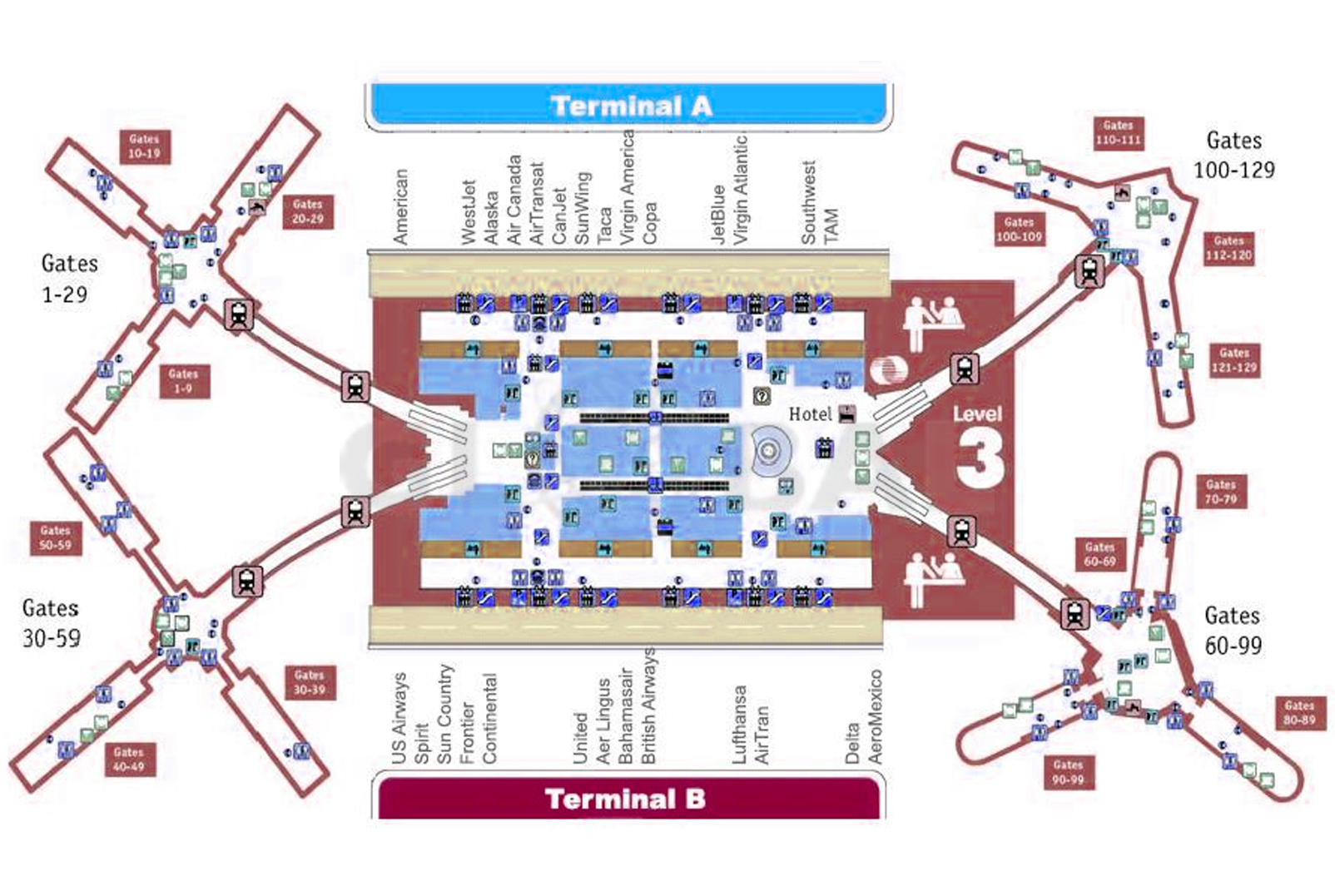
Just an hour’s drive from MCO, the Kennedy Space Center Visitor Complex offers an awe-inspiring look into space exploration, where visitors can witness rocket launches, meet veteran astronauts, and walk among legendary spacecraft. Nearby, Port Canaveral is a major cruise port, making MCO a convenient starting point for oceanic adventures to the Caribbean and beyond. For those seeking sun and sand, the beautiful beaches of Canaveral National Seashore or Cocoa Beach are easily accessible. History buffs can take a day trip to St. Augustine, the nation’s oldest continuously inhabited European-established settlement, while urban explorers might head west to Tampa for its vibrant Ybor City district or south to Miami or Palm Beach for a taste of South Florida’s upscale offerings. MCO’s strategic location makes it the perfect launchpad for a multifaceted Florida travel itinerary, allowing visitors to blend high-energy entertainment with relaxation, education, and natural discovery.
Navigating Your Stay: Accommodation and Travel Logistics Around MCO
Arriving at Orlando International Airport is just the first step in an Orlando adventure. A crucial aspect of any trip involves planning accommodation and understanding local transportation options. Orlando’s vast and varied hospitality landscape caters to every budget and preference, from luxurious resorts to budget-friendly hotels and private villas. The airport’s strategic location means that while it’s close to the city center, it also offers excellent connections to the major tourism corridors, making initial logistics relatively straightforward.
Choosing Your Perfect Orlando Stay
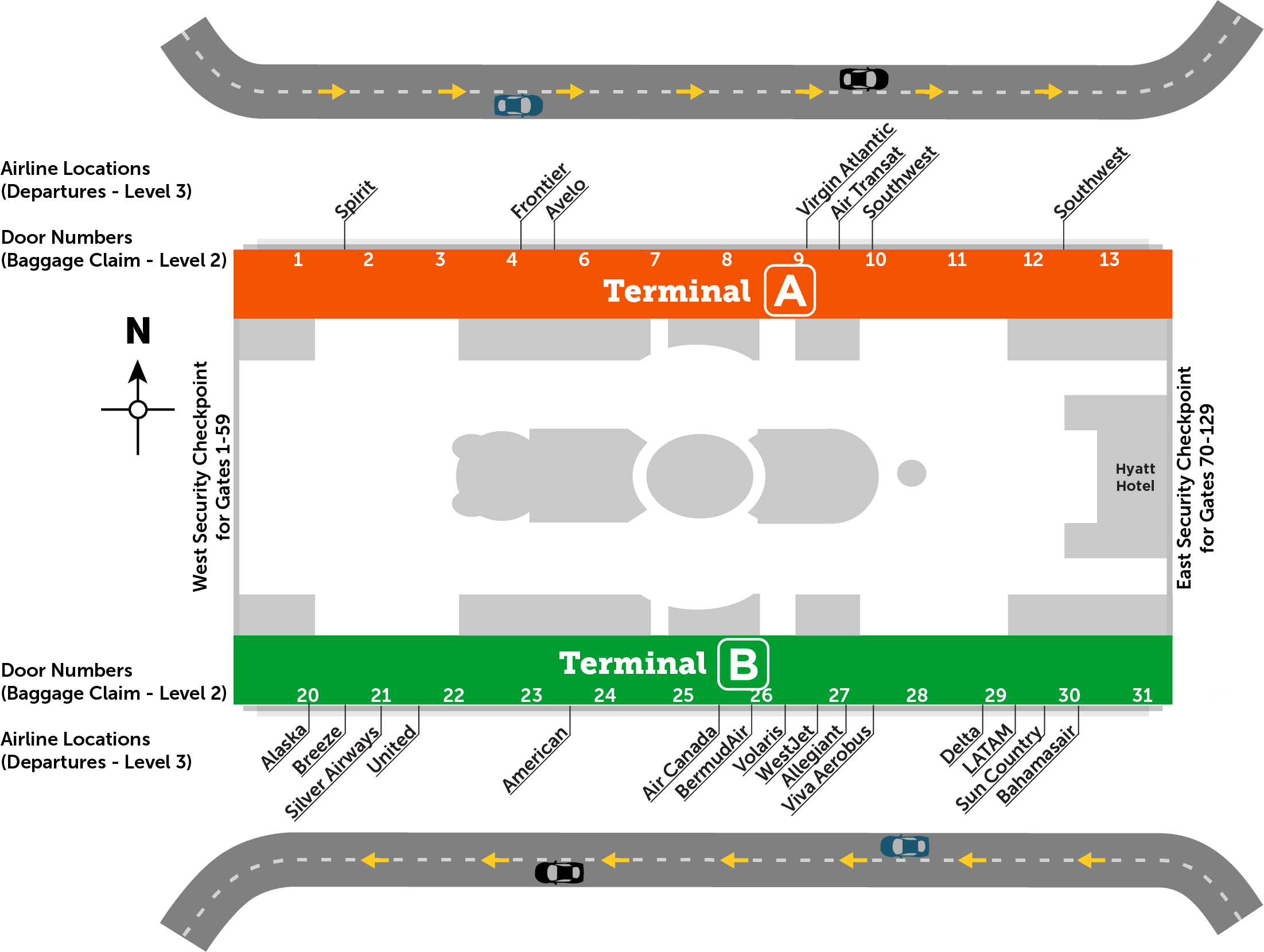
The array of accommodation options near Orlando International Airport and throughout Orlando is immense, designed to suit every type of traveler. For ultimate convenience, the Hyatt Regency Orlando International Airport is located directly inside the main terminal, ideal for late arrivals, early departures, or business travelers seeking seamless transitions. Beyond the airport, visitors can choose from a wide spectrum of lodging.
Luxury seekers will find opulent resorts such as The Ritz-Carlton Orlando, Grande Lakes, JW Marriott Orlando, Grande Lakes, Waldorf Astoria Orlando, and Rosen Shingle Creek offering world-class amenities, golf courses, spas, and gourmet dining. These hotels are often clustered along International Drive or in areas like Lake Buena Vista and Kissimmee, providing easy access to theme parks while still offering a serene retreat. Families often opt for spacious suites or apartments with kitchenettes, allowing for greater flexibility and cost savings on meals. Budget-conscious travelers will find numerous reputable chain hotels offering comfortable stays without breaking the bank. For longer stays or larger groups, private villas with private pools are a popular choice, particularly in areas just outside the immediate theme park vicinity. When booking, it’s advisable to consider proximity to desired attractions, the availability of shuttle services, and the specific needs of your travel party to ensure the best experience. Online reviews and comparison sites are invaluable tools for making an informed decision.
Seamless Travel from MCO to Your Destination
Orlando International Airport is well-equipped with a variety of transportation options to get you from the terminal to your chosen accommodation or attraction. For many, renting a car is the preferred method, offering the most flexibility for exploring Central Florida at their own pace. All major car rental agencies have counters and facilities conveniently located at the airport.
Alternatively, numerous shuttle services, such as Mears Transportation, provide shared-ride or private transfers to popular hotels and resorts, especially those affiliated with the major theme parks. Ride-sharing services like Uber and Lyft are also readily available, offering convenient on-demand transportation from designated pick-up areas. For those looking for a more eco-friendly or budget-conscious option, limited public bus services connect the airport to downtown Orlando and other key areas. Excitingly, the recent expansion of Brightline high-speed rail to MCO now connects the airport to South Florida cities like Miami and Palm Beach, offering a comfortable and efficient alternative for inter-city travel. Furthermore, a connection to SunRail, Orlando’s commuter rail service, is in development, which will further enhance public transportation options for both residents and visitors. Regardless of your preference, MCO is designed to ensure a smooth and efficient start to your Orlando adventure.
The Economic and Cultural Impact of Orlando International Airport
Beyond its role as a travel hub, Orlando International Airport is an undeniable economic engine and a significant contributor to the cultural landscape of Central Florida. Its very existence has shaped the region’s identity, fostered unprecedented growth, and created a dynamic environment that attracts people from all walks of life, contributing to a diverse and vibrant lifestyle. The airport is not just a place of transit; it’s a living testament to Orlando’s global reach and its continuous evolution.
Driving Tourism and Local Culture
MCO is the primary gateway for the approximately 75 million domestic and international visitors who flock to Orlando each year. This colossal influx of tourism sustains a massive industry, creating hundreds of thousands of jobs in hospitality, entertainment, retail, and transportation. The revenue generated from tourism directly funds public services and infrastructure development, benefiting local residents and businesses alike. The constant flow of international visitors also enriches Orlando’s local culture, fostering a diverse culinary scene with flavors from around the world, supporting multilingual services, and inspiring a broad array of entertainment options that cater to a global audience. From the international food festivals at Epcot to the authentic eateries found off the beaten path, the influence of global tourism is palpable. Furthermore, the airport itself often serves as a “first impression” of Florida, with its contemporary design, lush landscaping, and vibrant artwork reflecting the region’s character and commitment to providing a welcoming experience. It acts as a cultural bridge, connecting Orlando to the rest of the world and vice versa.
A Lifestyle Destination for Every Traveler
The accessibility provided by MCO has transformed Orlando into a versatile lifestyle destination catering to a broad spectrum of needs and desires. For those seeking luxury travel, the city boasts high-end resorts, exclusive shopping, and fine dining, accessible through premium airport services and private transfers. Business stays are easily accommodated, with MCO’s close proximity to the Orange County Convention Center and the city’s rapidly expanding medical and tech districts, such as Lake Nona. The airport’s facilities, including lounges and business centers, cater specifically to the needs of corporate travelers.
Families embarking on family trips find the airport well-equipped with amenities like play areas and family-friendly dining, making the journey less stressful. Even budget travel is facilitated, with numerous affordable flight options and a wide range of economical accommodation and transportation choices. The airport’s ongoing expansions and upgrades are a testament to Orlando’s commitment to maintaining its status as a global leader in tourism and travel. Whether arriving for a magical theme park vacation, a crucial business conference, a relaxing cruise, or to explore Florida’s natural beauty, MCO plays an indispensable role in shaping and facilitating the diverse lifestyles and experiences that Orlando offers to the world. The unassuming three letters, MCO, therefore represent far more than just an airport code; they symbolize a dynamic history, a bustling present, and a promising future for one of the most visited cities on Earth.
LifeOutOfTheBox is a participant in the Amazon Services LLC Associates Program, an affiliate advertising program designed to provide a means for sites to earn advertising fees by advertising and linking to Amazon.com. Amazon, the Amazon logo, AmazonSupply, and the AmazonSupply logo are trademarks of Amazon.com, Inc. or its affiliates. As an Amazon Associate we earn affiliate commissions from qualifying purchases.