
The anticipation following a major election in the United States often hinges on the results from a handful of swing states, and Nevada frequently finds itself in the spotlight. While the rest of the nation watches, vote tallies from The Silver State can trickle in at a pace that often leaves observers scratching their heads. For a state renowned for its rapid-fire entertainment and round-the-clock service, the electoral process can seem to operate on an entirely different timeline. This seemingly slow count isn’t a flaw in the system or a sign of impropriety; rather, it’s a complex interplay of the state’s unique demographics, its progressive election laws, vast geography, and the very lifestyle that defines its most famous cities.

For travelers exploring Nevada, from the dazzling lights of Las Vegas to the serene beauty of Lake Tahoe and the quiet charm of Reno, the state offers an unparalleled array of experiences. Its identity is deeply rooted in hospitality, tourism, and a transient population that contributes significantly to its vibrant culture and economy. However, these very characteristics, which make Nevada a global destination, also contribute to the intricate web of challenges in its vote-counting process. Understanding these factors provides not only insight into Nevada’s elections but also a deeper appreciation for the multifaceted nature of this remarkable state.
The Unique Electoral Landscape of Nevada
Nevada’s electoral system is shaped by a combination of its diverse geography, population distribution, and a commitment to voter access through various voting methods. These elements, while designed to foster participation, inherently contribute to a more extended counting period compared to some other states.
A Tale of Two Nevadas: Urban Centers and Rural Expanse
At first glance, Nevada might appear to be dominated by the metropolitan energy of Las Vegas and Reno. Indeed, the majority of its population resides in just two major urban areas: Clark County, home to Las Vegas and over two-thirds of the state’s residents, and Washoe County, encompassing Reno and its surrounding areas. However, beyond these bustling hubs, Nevada is a state of vast, sparsely populated rural counties, stretching across deserts, mountain ranges, and unique landmarks like the Hoover Dam and Red Rock Canyon National Conservation Area.
This geographical dichotomy creates significant logistical challenges for election officials. While the larger counties process hundreds of thousands of ballots, the smaller, more remote counties have fewer resources and staff, often operating with volunteer election workers. Transporting ballots from distant polling places in rural areas, some requiring considerable travel time across rugged terrain, inevitably adds to the overall counting duration. The difference in scale and infrastructure between, say, a voting center on the Las Vegas Strip and a small community hall in The Great Basin is immense, and integrating these varied operations into a cohesive statewide tally demands time and meticulous care.
The Influence of Mail-In Balloting and Early Voting
Nevada has embraced progressive voting methods, including universal mail-in balloting and extensive early voting periods, designed to maximize voter participation. While these initiatives are praised for enhancing accessibility, they inherently prolong the counting process.
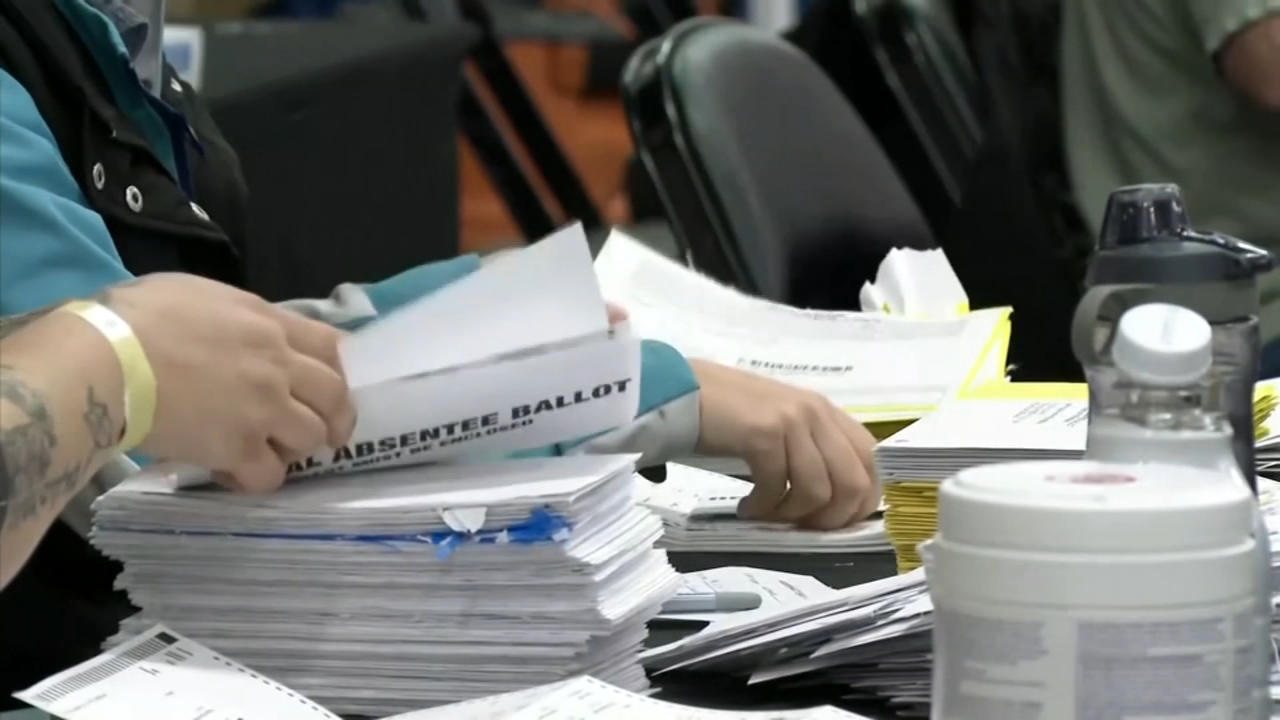
- Mail-In Ballots: In recent election cycles, Nevada has sent mail-in ballots to every registered voter. This means a substantial portion of the vote arrives by mail, often close to Election Day or even postmarked by Election Day but arriving days later (as allowed by state law). Each mail-in ballot must undergo a signature verification process to ensure its authenticity. This labor-intensive task involves trained staff comparing the signature on the ballot envelope to signatures on file for the voter. If there are discrepancies or missing information, voters are given a “curing” period to rectify the issue, which further extends the timeline.
- Early Voting: Nevada offers a generous early voting period, allowing residents to cast their ballots weeks before Election Day. While these votes are collected early, they are not typically counted until Election Day or immediately thereafter. The sheer volume of early votes, combined with the mail-in ballots, means that a significant percentage of votes are processed after Election Day itself, leading to a prolonged tally that can sometimes appear to change dramatically as more ballots are processed.
These methods, while excellent for voter access, mean that the concept of an “Election Night” result, as once commonly understood, is largely outdated in Nevada. Instead, it’s an “Election Week” or even longer, as officials meticulously work through each legally cast ballot.
Demographic Dynamics and Transient Populations
Nevada’s unique economic drivers, particularly its reliance on tourism and hospitality, create a demographic landscape that significantly impacts its electoral processes. The transient nature of a portion of its population, coupled with the state’s growth, presents distinct challenges for voter registration and ballot processing.
Las Vegas’ Tourist Economy and Voter Rolls
Las Vegas isn’t just a global travel destination; it’s a city built on the movement of people. Millions visit annually, and a substantial workforce, often employed in the vast array of hotels, resorts, and entertainment venues, may be more transient than in other major metropolitan areas. This impacts voter rolls in several ways:
- Fluid Population: The high turnover in residency, as people move to Las Vegas for jobs in hospitality or simply to experience a different lifestyle, can make voter registration records less stable. While election officials strive to keep rolls accurate, the constant flux can lead to outdated addresses or duplicate registrations if individuals move within the state or from other states like California or Arizona without properly updating their information.
- Work Schedules: The 24/7 nature of the hospitality industry means many residents work non-traditional hours, making traditional in-person voting more challenging. This reinforces the necessity of early voting and mail-in ballots, which, as discussed, require more time to process and verify. For someone working late nights on the Las Vegas Strip at a major resort, flexibility in voting is crucial, but it shifts the administrative burden to post-election processing.
- Temporary Stays & Accommodation: While not directly impacting voter rolls, the sheer volume of temporary accommodations, from luxury suites to budget hotels, underscores the transient nature of the region. This constant flow of people, though mostly tourists, influences the local infrastructure and services, including those supporting election operations. Ensuring that residents, whether long-term or those establishing new roots, can participate effectively requires robust, but time-consuming, administrative procedures.
The Challenge of Provisional Ballots and Ballot Curing
Beyond the initial count of mail-in and early votes, Nevada’s commitment to ensuring every eligible vote is counted involves a meticulous process for provisional ballots and “ballot curing.” These safeguards, while vital for democratic integrity, naturally extend the counting period.
- Provisional Ballots: These ballots are cast when a voter’s eligibility is in question, perhaps due to an outdated address, an issue with their registration, or a change in voting location. Rather than denying the vote outright, the voter is allowed to cast a provisional ballot, which is then researched by election officials after Election Day to verify eligibility. This investigation is thorough, involving cross-referencing databases and sometimes contacting the voter. It ensures that no legitimate voter is disenfranchised, but it’s a process that cannot be rushed.
- Ballot Curing: As mentioned earlier, mail-in ballots with missing signatures or signatures that don’t match records aren’t immediately rejected. Nevada law provides a period (often several days or even weeks after Election Day) during which voters can “cure” their ballots by providing verification or correcting errors. This involves election officials identifying problematic ballots, notifying voters, and allowing them time to respond. This critical component of voter access is inherently time-consuming, requiring significant administrative effort and extending the window for final certification.
These measures underscore Nevada’s commitment to broad voter access and the meticulous verification of each ballot. While it contributes to a slower count, it also enhances the integrity and fairness of the election outcome.
Logistical Hurdles and Administrative Processes
Even with the best intentions and dedicated staff, the sheer scale of modern elections in a growing state like Nevada presents unavoidable logistical hurdles. These challenges, often invisible to the public, play a significant role in the pace of vote tabulation.
Staffing and Resources in Key Counties
The primary burden of vote counting falls on county election departments, particularly Clark County and Washoe County, due to their large populations. These counties face immense pressure and resource demands:
- Recruitment and Training: Election officials must recruit, train, and manage thousands of temporary poll workers and ballot counters, especially for major election cycles. This is a massive logistical undertaking, ensuring staff are proficient in complex procedures, from setting up voting machines to verifying signatures on mail-in ballots.
- Infrastructure and Technology: Counting hundreds of thousands of ballots requires sophisticated equipment, secure facilities, and robust technological infrastructure. While technology aids in speed, its accurate and secure operation, along with regular audits and maintenance, adds to the complexity. Data entry, tabulation, and reporting systems must be meticulously managed to prevent errors and ensure transparency.
- Security and Oversight: Every step of the election process, from ballot collection to tabulation, is subject to stringent security protocols and bipartisan oversight. This includes securing ballot drop boxes, transporting ballots, storing sensitive materials, and ensuring that counting machines are accurate and tamper-proof. These necessary layers of security and transparency, while crucial for public trust, inherently add time to the process. For instance, in areas with major hotel operations, securing ballot drop-off locations within bustling commercial zones adds an extra layer of planning and execution.
The Role of State Election Laws
Nevada’s specific election laws dictate many of the processes that contribute to the extended counting period. These laws are designed to balance efficiency with accuracy, transparency, and voter access.
- Post-Election Day Ballot Acceptance: One of the most significant factors is the law allowing mail-in ballots postmarked by Election Day to be counted if they arrive within a specific grace period (e.g., up to four days after Election Day, though this can vary by election). This legislative choice ensures that voters who mail their ballots on time are not disenfranchised by postal delays, but it undeniably extends the counting window.
- Mandatory Audits and Canvassing: After all ballots are counted, counties must perform various audits and a “canvass” of the vote. The canvass is the official certification of the election results by the county commissioners. This process ensures the accuracy of the count and typically occurs several days or even weeks after Election Day, often after the ballot curing period has concluded. Only after the county canvass are results officially reported to the Nevada Secretary of State, who then certifies the statewide results. This multi-step verification process, while a cornerstone of electoral integrity, is a deliberate, time-intensive endeavor.
- Public Record Requirements: Nevada law also mandates a high degree of transparency, allowing for public observation of ballot counting and access to certain election data. Fulfilling these requirements while maintaining operational efficiency adds to the administrative workload and time required.
These legal frameworks reflect a commitment to a robust and secure democratic process, even if it means sacrificing immediate results.

Beyond the Headlines: Understanding the Democratic Process
When the national spotlight fixates on Nevada’s slow vote count, it’s easy to overlook the fundamental reasons behind it. It’s not about inefficiency or malfeasance, but rather a testament to a system designed to be inclusive, accurate, and transparent.
For those familiar with Nevada’s dynamic culture and economy, the extended vote count can be seen as another facet of its unique identity. Just as it takes time to explore all the hidden gems, from the diverse culinary scenes of Las Vegas and Reno to the majestic natural beauty of its parks and the historical depth of Carson City, so too does it take time to carefully tabulate the will of its people. The state prides itself on offering unparalleled experiences, whether for luxury travel, budget adventures, or family trips, and this commitment to thoroughness extends to its democratic processes.
In an era of instant information, the deliberate pace of Nevada’s vote counting serves as a reminder that some processes, especially those fundamental to democracy, require patience and precision. The state’s unique blend of urban excitement and vast rural landscapes, its innovative approach to voter access, and its meticulous administrative procedures all contribute to a vote count that prioritizes accuracy and security over speed. So, the next time Nevada is in the news for its protracted election results, remember that it’s a reflection of a state deeply committed to ensuring every voice is heard and every vote is counted fairly, reflecting the true democratic spirit of The Silver State.
LifeOutOfTheBox is a participant in the Amazon Services LLC Associates Program, an affiliate advertising program designed to provide a means for sites to earn advertising fees by advertising and linking to Amazon.com. Amazon, the Amazon logo, AmazonSupply, and the AmazonSupply logo are trademarks of Amazon.com, Inc. or its affiliates. As an Amazon Associate we earn affiliate commissions from qualifying purchases.