
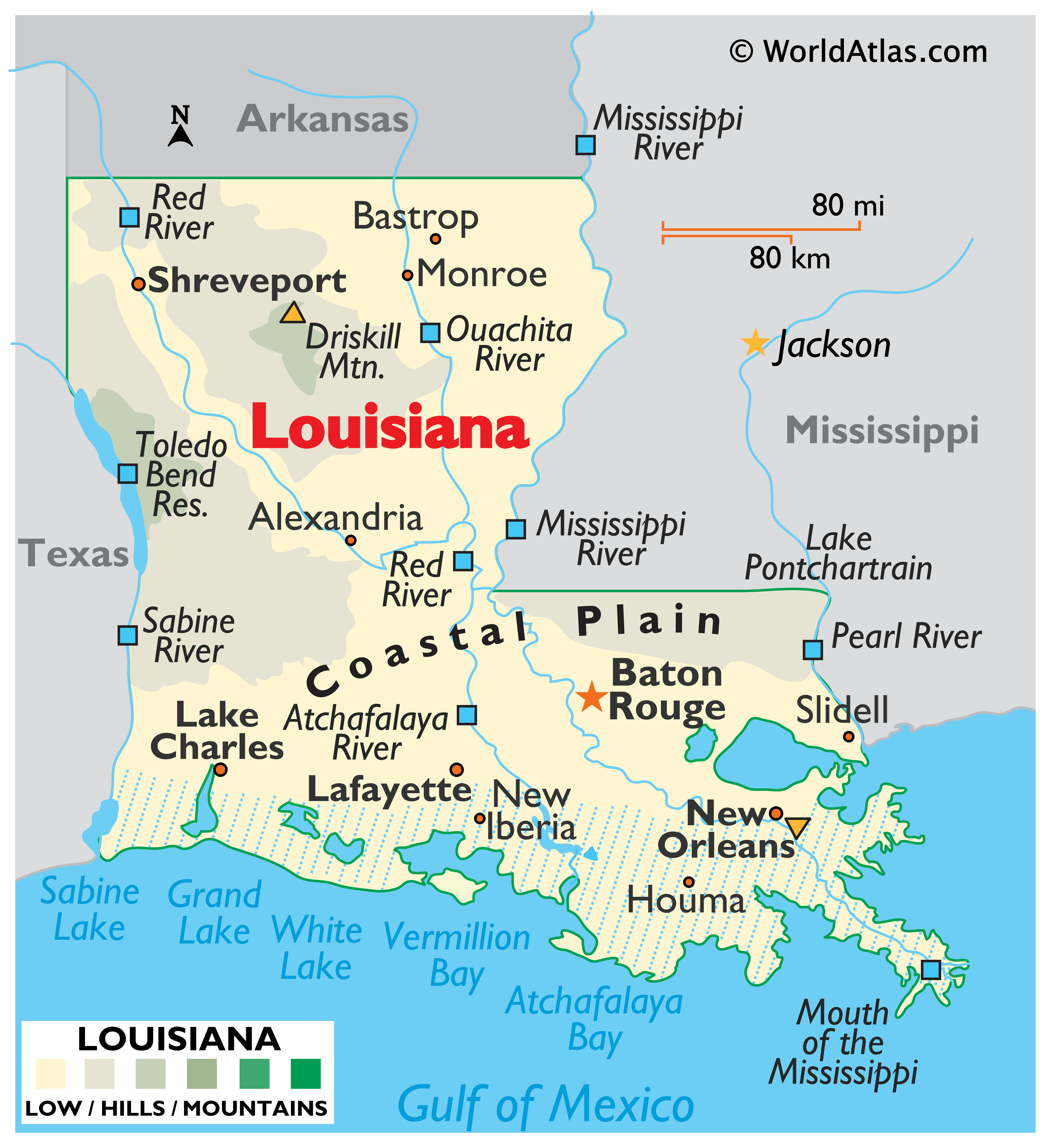
The journey between New Orleans and Baton Rouge represents a quintessential Louisiana experience, connecting two of the state’s most vibrant and historically significant cities. For travelers planning an exploration of the Pelican State, understanding the distance, travel options, and what awaits in each destination is key to crafting an unforgettable itinerary. Whether you’re drawn by the cultural heartbeat of New Orleans or the political and historical depth of Baton Rouge, this stretch of road offers a fascinating glimpse into Louisiana’s unique blend of traditions, flavors, and landscapes. From bustling cityscapes to serene swamp views, the path between these two hubs is more than just a commute; it’s an integral part of the Louisiana adventure.

The Journey Between Two Louisiana Gems
Connecting New Orleans and Baton Rouge is a straightforward affair, primarily via Interstate 10 (I-10), offering travelers a convenient and scenic route through the heart of Louisiana. This journey, while relatively short, traverses distinct geographical and cultural zones, moving from the deltaic flatlands around the Mississippi River to the slightly higher elevations that define the capital city.
Distance and Driving Time
The direct distance between the downtown areas of New Orleans and Baton Rouge is approximately 80 to 85 miles (about 129 to 137 kilometers). This makes it an easily manageable day trip or a convenient leg of a longer journey.
Under normal driving conditions, the travel time by car typically ranges from 1 hour and 15 minutes to 1 hour and 45 minutes. However, several factors can influence this estimate:
- Traffic: As with any major urban corridor, traffic congestion can significantly impact travel times. Peak commuting hours, especially around the approaches to both cities and the Horace Wilkinson Bridge over the Mississippi River in Baton Rouge, can extend the drive. Weekend travel or local events in either city can also lead to delays.
- Construction: Ongoing road maintenance or construction projects on Interstate 10 are not uncommon and can introduce temporary slowdowns or detours.
- Weather: Louisiana weather can be unpredictable, with heavy rainfall or fog potentially affecting driving conditions and speeds.
The primary route is Interstate 10 West from New Orleans to Baton Rouge. This highway is well-maintained and clearly signposted, guiding travelers efficiently between the two urban centers. Along the way, travelers will pass through smaller towns and scenic stretches that hint at the region’s rich agricultural heritage and distinctive bayou ecosystem.
Alternative Transportation Options
While driving offers the most flexibility, several other transportation methods cater to different travel preferences and budgets:
- Bus Services: Intercity bus companies like Greyhound offer regular services between the New Orleans Union Passenger Terminal and the Baton Rouge Bus Station. These services are generally affordable and provide a comfortable way to travel without the hassle of driving or parking. Travel times by bus are typically longer than driving, often ranging from 1 hour 45 minutes to 2 hours 30 minutes, due to scheduled stops.
- Train Services: Amtrak also operates a service that connects New Orleans and Baton Rouge, primarily via the City of New Orleans route. This can be a more leisurely and scenic option, offering views that might be missed from the highway. The Amtrak station in New Orleans is shared with the bus terminal, while the Baton Rouge station is conveniently located. Train travel times are comparable to or slightly longer than bus travel, but the experience itself can be a highlight.
- Ride-Sharing and Taxis: For those seeking convenience and door-to-door service without a personal vehicle, ride-sharing apps like Uber and Lyft are readily available in both cities. Traditional taxi services can also be booked. While more expensive than buses or trains, these options offer direct travel and can be particularly convenient for groups or those with significant luggage.
- Private Shuttles and Car Services: Several local companies offer private shuttle or car services that can be pre-booked. These often cater to business travelers or those desiring a more premium and personalized travel experience, providing comfort and efficiency, often with professional drivers knowledgeable about the local routes.
Choosing the right mode of transport depends on your budget, schedule, and desired level of comfort. Each option presents a unique way to bridge the gap between these two fascinating Louisiana destinations, setting the stage for the explorations to come.
Exploring Baton Rouge: The Capital City’s Charms
Baton Rouge, the capital of Louisiana, offers a compelling blend of history, politics, and culture that provides a stark yet complementary contrast to the vibrancy of New Orleans. Situated on the eastern bank of the Mississippi River, it serves as a robust commercial hub and a testament to the state’s intricate past.
Key Attractions and Landmarks
Baton Rouge boasts several iconic landmarks that draw visitors interested in history, architecture, and local heritage:
- Louisiana State Capitol: An architectural marvel, this Art Deco skyscraper stands as the tallest capitol building in the United States. Visitors can explore its grand interior, admire the intricate designs, and ascend to the observation deck on the 27th floor for panoramic views of Baton Rouge and the Mississippi River. The grounds also include a beautiful memorial garden.
- Old State Capitol: Often referred to as “Louisiana’s Castle,” this Gothic Revival masterpiece served as the statehouse from 1847 to 1932. Today, it operates as a museum of political history, featuring engaging exhibits and a stunning stained-glass dome. Its dramatic architecture and rich history make it a must-visit for anyone interested in Louisiana’s past.
- Louisiana State University (LSU): Beyond its reputation as a collegiate sports powerhouse, the LSU campus is a destination in itself. With its distinctive Italian Renaissance architecture and expansive live oak trees, it offers a picturesque setting. Visitors can explore the LSU Museum of Natural Science, the LSU Rural Life Museum, or catch a game at Tiger Stadium, especially during football season, for an authentic Southern experience.
- USS Kidd Veterans Memorial and Museum: Permanently docked on the Mississippi River downtown, the USS Kidd is a preserved World War II destroyer that offers a fascinating look into naval history. The adjacent museum provides further insight into the lives of veterans and the ship’s storied past.
- Magnolia Mound Plantation: Offering a glimpse into eighteenth-century plantation life, Magnolia Mound features a restored Creole cottage and outbuildings, surrounded by beautiful grounds. It provides context to the region’s agricultural and social history.
Accommodation and Dining in Baton Rouge
Baton Rouge offers a diverse range of accommodations to suit every traveler’s needs, from luxury hotels to more budget-friendly options, often found in the downtown area or near the LSU campus. Many hotels provide modern amenities, business centers, and fitness facilities, catering to both leisure and business travelers. Options include full-service resorts offering extensive amenities to boutique hotels with unique charm.
The city’s culinary scene is a vibrant reflection of Louisiana foodways, with a strong emphasis on Cajun and Creole influences, alongside contemporary Southern cuisine.
- Local Delicacies: Visitors can savor classic dishes like gumbo, jambalaya, and étouffée at numerous local eateries. Don’t miss trying fresh seafood, often prepared with a local twist.
- Dining Districts: Downtown Baton Rouge and areas like Perkins Rowe or Mid City offer a concentration of restaurants, from fine dining establishments to casual cafes and lively bars.
- Farmers Markets: For a taste of local produce and artisanal goods, the Red Stick Farmers Market provides an authentic experience, showcasing the bounty of the region.
Lifestyle and Activities
Beyond its historical sites and culinary delights, Baton Rouge provides a range of activities for various interests:
- Arts and Culture: The Shaw Center for the Arts is a hub for visual and performing arts, featuring galleries, theaters, and a rooftop bar with stunning views. Numerous smaller galleries and live music venues contribute to the city’s cultural tapestry.
- Outdoor Recreation: The Mississippi River Levee offers pathways for walking, jogging, and biking, providing scenic views of the river. Nearby parks and nature reserves, such as Bluebonnet Swamp Nature Center, allow visitors to explore Louisiana’s unique ecosystems.
- Family Fun: Attractions like the Baton Rouge Zoo and the Louisiana Art & Science Museum offer engaging experiences for children and adults alike, combining education with entertainment.
- Nightlife: From sophisticated cocktail lounges to lively bars featuring live music, Baton Rouge’s nightlife offers a relaxed yet engaging atmosphere, particularly in the downtown area and near the LSU campus.
Baton Rouge thus serves as an ideal destination for those seeking a deeper dive into Louisiana’s political heritage, academic spirit, and authentic Cajun-Creole lifestyle, making it a compelling stop on any Louisiana itinerary.
Discovering New Orleans: The Crescent City’s Allure
New Orleans, often called the “Crescent City” or “Big Easy,” is a destination unlike any other in the United States. Renowned for its vibrant music scene, distinctive Creole and Cajun cuisine, unique architecture, and a rich tapestry of history and culture, it captivates visitors with its infectious energy and charm.
Iconic Neighborhoods and Sights
New Orleans is a city best explored on foot, wandering through its diverse and historic neighborhoods:
- French Quarter: The heart and soul of New Orleans, the French Quarter is a National Historic Landmark famed for its wrought-iron balconies, vibrant Bourbon Street, and historic sites like Jackson Square and St. Louis Cathedral. Here, visitors can immerse themselves in street music, art, and a bustling atmosphere that feels transported from another era.
- Garden District: A stark contrast to the lively French Quarter, the Garden District is characterized by its stunning antebellum mansions, manicured gardens, and oak-lined streets. A ride on the historic St. Charles Avenue Streetcar provides a picturesque tour of this elegant neighborhood, offering glimpses into New Orleans’ more affluent past.
- Tremé: One of America’s oldest black neighborhoods, Tremé is a crucial cultural center, particularly for jazz music and African-American history. Visitors can explore Congo Square, the Louis Armstrong Park, and numerous historic churches and cultural institutions.
- Cemeteries and Voodoo Lore: The city’s famous “Cities of the Dead,” such as St. Louis Cemetery No. 1, offer unique insights into New Orleans’ distinctive burial practices and its connection to Voodoo traditions. Guided tours provide historical context and fascinating stories.
- Mississippi Riverfront: A leisurely stroll along the Mississippi Riverfront offers scenic views and opportunities to embark on steamboat cruises, which provide historic narratives and jazz music as you glide along the iconic river.
New Orleans’ Culinary and Cultural Tapestry
The cultural identity of New Orleans is deeply intertwined with its food and music, offering sensory experiences that are truly unique:
- Culinary Delights: New Orleans is a gastronomic paradise. Creole cuisine, a fusion of French, Spanish, African, and Caribbean influences, and Cajun cuisine, hailing from the Acadians of French Canada, dominate the scene. Must-try dishes include gumbo, jambalaya, po’boys, and beignets from Café Du Monde. The city boasts everything from world-class fine dining establishments to casual neighborhood joints.
- Music and Nightlife: As the birthplace of jazz, music pulses through the veins of New Orleans. Live music can be found in abundance, particularly on Frenchmen Street and Bourbon Street, ranging from traditional jazz to blues, funk, and rock. The city’s nightlife is legendary, with countless bars and clubs offering entertainment well into the early hours.
- Festivals and Celebrations: New Orleans is famous for its festive spirit, epitomized by Mardi Gras, a grand carnival celebration. Throughout the year, numerous other festivals celebrate music, food, and culture, ensuring there’s always something exciting happening.
Where to Stay in New Orleans
Accommodation in New Orleans is as varied and charismatic as the city itself, catering to all tastes and budgets:
- Historic Hotels: Many visitors opt for historic hotels within the French Quarter or Central Business District, offering unique architecture, charming courtyards, and a deep sense of place. These often come with boutique amenities and personalized service.
- Luxury Resorts: For those seeking premium comfort and extensive services, upscale resorts can be found near the Convention Center or along the Mississippi Riverfront, often featuring pools, spas, and multiple dining options.
- Boutique Stays and Guesthouses: Outside the main tourist areas, particularly in neighborhoods like the Marigny or Bywater, charming guesthouses and boutique hotels offer a more intimate and local experience, often with distinctive decor and a strong sense of community.
- Budget-Friendly Options: Hostels and more economical hotels are available, especially further from the city center, allowing travelers to experience New Orleans on a smaller budget without sacrificing access to its attractions via public transport.
From the raucous fun of Mardi Gras to the quiet elegance of the Garden District, New Orleans offers a profound and exhilarating experience, solidifying its reputation as one of the world’s most captivating cities.
Making the Most of Your Louisiana Adventure
Combining a visit to New Orleans and Baton Rouge into a single trip creates a comprehensive Louisiana experience, showcasing the state’s diverse facets. To ensure a smooth and memorable journey, a little planning goes a long way.
Planning Your Road Trip
If you choose to drive, a road trip offers the ultimate freedom to explore at your own pace.
- Route Planning: While Interstate 10 is the most direct route, consider taking a slight detour along the River Road (Highway 18 or Highway 44) between New Orleans and Baton Rouge for a more scenic experience. This route allows you to pass by historic plantation homes such as Oak Alley Plantation or Laura Plantation, many of which offer guided tours. This adds a rich historical layer to your journey.
- Pit Stops and Breaks: Plan for breaks, especially if traveling with family. The small towns along Interstate 10 offer various dining options and gas stations. Don’t forget to sample local snacks like boudin or cracklins from roadside stands for an authentic Louisiana treat.
- Vehicle Maintenance: Ensure your vehicle is in good condition, especially if traveling during the hot Louisiana summer months. Check tires, fluid levels, and air conditioning before departure.
- Navigation: Use a reliable GPS or mapping app. While Interstate 10 is straightforward, navigating within the cities themselves can be tricky, especially in the historic districts.
Travel Tips and Considerations
Making the most of your Louisiana adventure involves a few practical considerations:
- Best Time to Visit: The fall (September to November) and spring (March to May) offer the most pleasant weather, with mild temperatures and lower humidity, ideal for exploring both cities. New Orleans is particularly popular during its many spring festivals. Summers can be very hot and humid, with a higher chance of afternoon thunderstorms.
- Packing Essentials: Regardless of the season, pack light, breathable clothing. Comfortable walking shoes are a must, especially for exploring the historic districts of New Orleans. Don’t forget sunscreen, insect repellent (especially if planning swamp tours), and a reusable water bottle to stay hydrated.
- Local Etiquette: Southern hospitality is genuine in Louisiana. A friendly demeanor, politeness, and appreciation for local customs will enhance your experience.
- Safety: While both cities are generally safe for tourists, it’s always wise to be aware of your surroundings, especially at night or in less populated areas. Keep valuables secure and avoid walking alone after dark in unfamiliar neighborhoods.
- Booking Accommodations: Especially during peak seasons or major events like Mardi Gras or LSU football games, accommodations can book up quickly and prices may increase. It’s advisable to book your hotels or other lodging options well in advance. Consider the type of experience you want – a bustling downtown hotel, a charming guesthouse, or a serene resort – and book accordingly.

Combining Both Cities into an Unforgettable Itinerary
A popular approach is to start in New Orleans for its vibrant culture and then journey to Baton Rouge for a dose of history and a more relaxed pace.
- Theme-Based Trips:
- History Buffs: Spend several days in Baton Rouge exploring its capitols and plantations, then delve into New Orleans’ French Quarter history and cemetery tours.
- Foodies: Indulge in Baton Rouge’s Cajun and local flavors, then immerse yourself in the world-renowned Creole cuisine and fine dining of New Orleans. Consider taking a cooking class in either city.
- Music Lovers: Experience the local music scene in Baton Rouge, then head to the birthplace of jazz in New Orleans for live performances on Frenchmen Street and Bourbon Street.
- Family Adventures: Both cities offer family-friendly attractions. In Baton Rouge, visit the zoo or museums. In New Orleans, explore the Aquarium of the Americas or take a swamp tour.
The relatively short distance between New Orleans and Baton Rouge makes them ideal for a combined Louisiana adventure. By understanding the travel logistics and the unique offerings of each city, you can design a trip that perfectly blends cultural immersion, historical exploration, and unforgettable experiences, truly capturing the spirit of South Louisiana.
LifeOutOfTheBox is a participant in the Amazon Services LLC Associates Program, an affiliate advertising program designed to provide a means for sites to earn advertising fees by advertising and linking to Amazon.com. Amazon, the Amazon logo, AmazonSupply, and the AmazonSupply logo are trademarks of Amazon.com, Inc. or its affiliates. As an Amazon Associate we earn affiliate commissions from qualifying purchases.