
Understanding the precise time in any given location is more than just a matter of curiosity; it’s a fundamental aspect of planning, coordination, and ensuring a seamless travel experience. For those embarking on an adventure to the captivating landscapes and rich cultural tapestry of New Mexico, knowing “what time it is right now” is crucial for everything from booking accommodations and scheduling flights to exploring iconic landmarks and savoring local cuisine. This guide delves into the temporal intricacies of the Land of Enchantment, offering insights that will empower you to make the most of every moment during your visit.
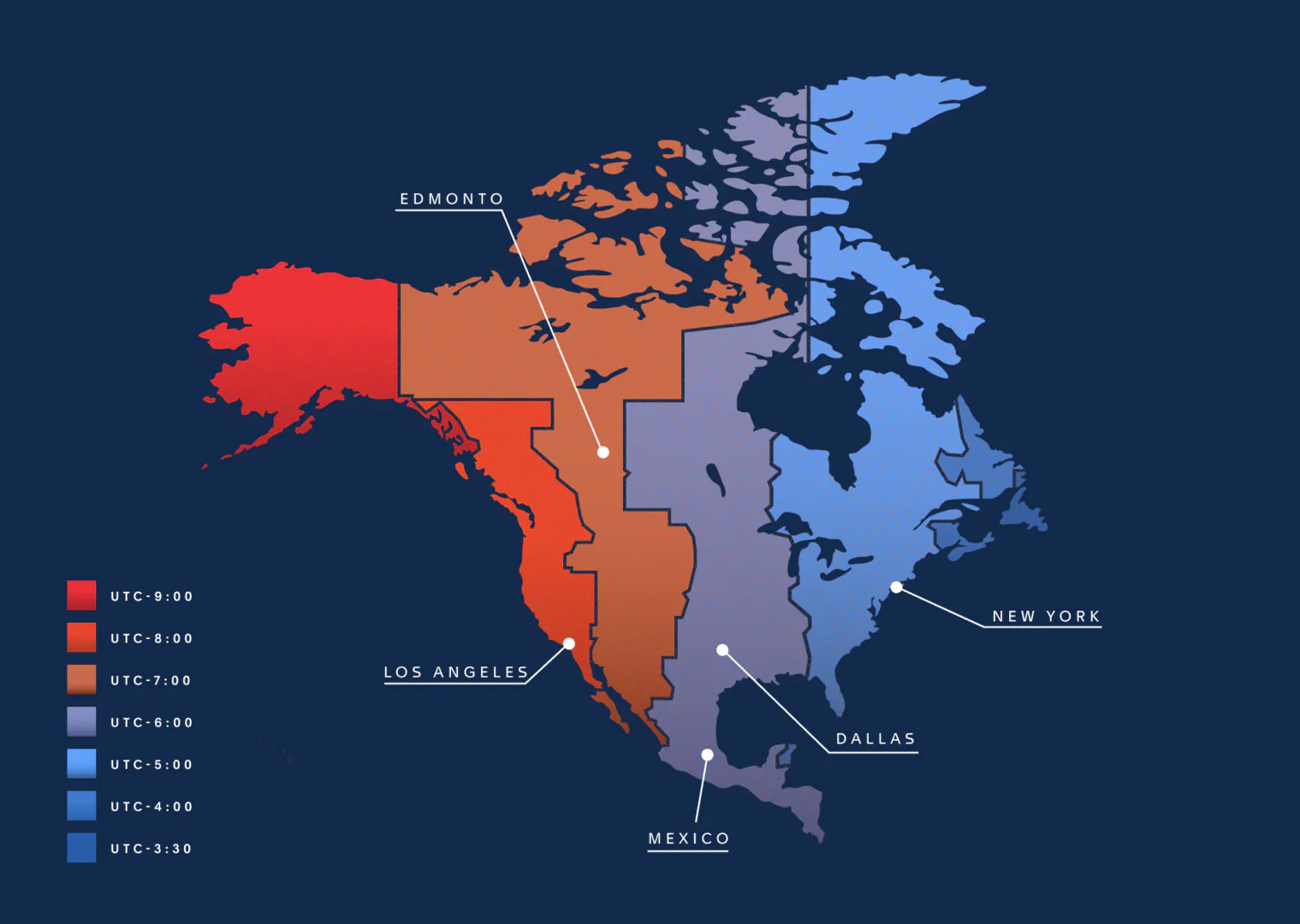
New Mexico operates on Mountain Standard Time (MST) during the winter months and Mountain Daylight Time (MDT) during the spring, summer, and early fall. This means that, depending on when you ask, the time will be either seven or six hours behind Coordinated Universal Time (UTC). Whether you’re planning to catch a breathtaking sunrise over the Rio Grande or making dinner reservations in Santa Fe, a grasp of the local time zone and its seasonal adjustments is your first step towards an impeccably organized journey.
Understanding New Mexico’s Time Zone: Mountain Standard Time (MST)
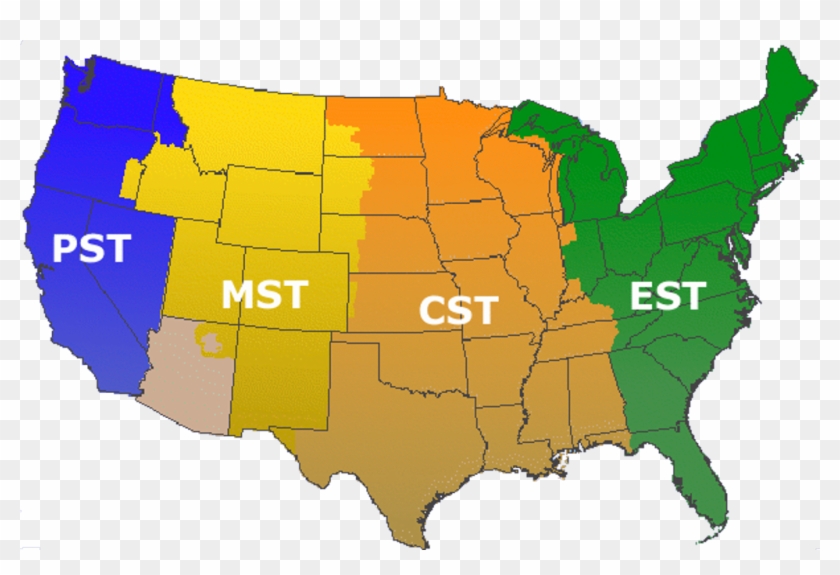
At the heart of navigating time in New Mexico is an understanding of its designated time zone: Mountain Time. This zone primarily covers states in the western and southwestern United States, including Colorado, Utah, and Arizona (though Arizona largely observes MST year-round without daylight saving). Geographically positioned to the west of the Central Time Zone and to the east of the Pacific Time Zone, New Mexico enjoys a unique rhythm that sets it apart from much of North America.
MST vs. MDT: Navigating Daylight Saving
The distinction between Mountain Standard Time (MST) and Mountain Daylight Time (MDT) is paramount for travelers. Most of New Mexico, like the majority of the United States, observes Daylight Saving Time. This annual adjustment means that clocks “spring forward” by one hour in early spring and “fall back” by one hour in early autumn.
- Mountain Standard Time (MST): Observed from early November to mid-March, MST is UTC-7. During this period, when it’s noon UTC, it’s 5:00 AM in New Mexico.
- Mountain Daylight Time (MDT): Observed from mid-March to early November, MDT is UTC-6. When clocks spring forward, that hour of daylight is essentially “shifted” to the evening, making sunsets later. If it’s noon UTC during this period, it’s 6:00 AM in New Mexico.
For travelers, this shift has significant implications. An airline ticket booked for a flight departing at 9:00 AM in October might mean 9:00 AM MDT, but if your return flight is in November, it would be 9:00 AM MST. Hotel check-in and check-out times, tour departures, and event schedules will all adhere to the prevailing local time. Always double-check dates and times relative to Daylight Saving when planning your trip, especially if your visit spans the changeover dates. This ensures you avoid missed connections or unexpected delays.
A Traveler’s Guide to Time Zones Across the USA
While focusing on New Mexico, it’s beneficial for the seasoned traveler to understand the broader context of time zones within the United States. The continental United States is divided into four primary time zones:
- Eastern Time (ET): UTC-5 (EST) / UTC-4 (EDT)
- Central Time (CT): UTC-6 (CST) / UTC-5 (CDT)
- Mountain Time (MT): UTC-7 (MST) / UTC-6 (MDT)
- Pacific Time (PT): UTC-8 (PST) / UTC-7 (PDT)
Additionally, Alaska and Hawaii have their own time zones. When traveling to New Mexico from an Eastern Time Zone city like New York or Miami, you’ll gain two hours; flying in from Los Angeles in the Pacific Time Zone, you’ll lose one hour.
Adjusting to time differences, even minor ones, can impact your energy levels and internal clock. To combat jet lag, consider adjusting your sleep schedule a few days before your trip, staying hydrated, avoiding excessive caffeine and alcohol, and trying to expose yourself to natural light upon arrival to help reset your circadian rhythm. Planning activities that aren’t overly demanding on your first day can also help ease the transition.
Time-Sensitive Experiences: Maximizing Your New Mexico Adventure
New Mexico’s allure isn’t just in its landscapes and culture, but also in the timing of how these experiences unfold. From vibrant festivals to serene natural wonders, knowing the “best time” to engage with different facets of the state can elevate a good trip into an unforgettable one.
Best Times to Visit: Seasons and Events
Each season in New Mexico presents a unique set of opportunities and challenges for travelers:
- Spring (March-May): Generally mild temperatures make spring an excellent time for hiking, exploring national parks like White Sands National Park or Carlsbad Caverns National Park, and discovering the vibrant wildflowers. Cities like Albuquerque and Santa Fe are buzzing with art walks and farmer’s markets. It’s an ideal time for those who prefer comfortable weather for outdoor activities before the intense summer heat.
- Summer (June-August): While days can be hot, especially in the southern parts of the state, summer evenings are often pleasant. This is peak season for exploring high-altitude areas such as the Sangre de Cristo Mountains and destinations like Taos Ski Valley, offering cooler temperatures and lush greenery. Summer also brings monsoon season, with dramatic afternoon thunderstorms that are a spectacle in themselves.
- Fall (September-November): Many consider autumn the prime time to visit. The weather is crisp and pleasant, and the cottonwood trees along the Rio Grande turn brilliant gold. The world-renowned Albuquerque International Balloon Fiesta takes place in early October, drawing visitors from across the globe. Booking accommodation and activities far in advance is essential during this period. Native American Pueblo dances and harvest festivals also add to the cultural richness.
- Winter (December-February): For winter sports enthusiasts, New Mexico offers excellent skiing and snowboarding at resorts like Taos Ski Valley and Ski Santa Fe. The holiday season transforms towns like Santa Fe and Taos with festive lights and events, offering a cozy and magical experience. Evenings can be quite cold, but daytime temperatures often remain mild and sunny, especially in the southern regions.
Orchestrating Your Itinerary: Daily Timing for Attractions
Beyond seasonal considerations, the daily rhythm of your trip can greatly enhance your experience. Strategic timing ensures you beat crowds, capture the best light for photography, and immerse yourself fully in activities.
- Mornings (Sunrise to 10:00 AM): This is the golden hour for natural wonders. Witnessing the sunrise at White Sands National Park or Kasha-Katuwe Tent Rocks National Monument is unparalleled. Museums and historical sites, such as the New Mexico History Museum in Santa Fe or the Indian Pueblo Cultural Center in Albuquerque, often open their doors early, allowing for a crowd-free exploration. Consider an early hot air balloon ride in Albuquerque for an iconic experience.
- Midday (10:00 AM to 3:00 PM): Ideal for exploring city centers, enjoying local cuisine, and visiting indoor attractions. Wander through Old Town Albuquerque‘s historic plazas, browse galleries on Canyon Road in Santa Fe, or immerse yourself in art at the Georgia O’Keeffe Museum. This is also a good time for a leisurely lunch at a local eatery, sampling authentic New Mexican flavors.
- Afternoons (3:00 PM to Sunset): As the day progresses, the light softens, offering perfect conditions for photography or a scenic drive. Many resorts and spas offer afternoon relaxation sessions. It’s also a great time to visit smaller, less crowded attractions or simply enjoy a coffee or craft beer at a local brewery.
- Evenings (Sunset onwards): New Mexico truly shines after dark. With some of the darkest skies in the United States, stargazing is a must, particularly at designated dark sky parks like Chaco Culture National Historical Park. Enjoy world-class dining, catch a performance at the renowned Santa Fe Opera, or simply relax and reflect on the day’s adventures. The vibrant nightlife in Albuquerque or Santa Fe provides ample entertainment options.
Accommodation and Logistics: Time’s Role in Your Stay
Beyond sightseeing, the practicalities of travel are heavily influenced by time. From securing the perfect hotel to navigating transportation, efficient time management is key to a stress-free trip to New Mexico.
Booking and Check-in/Check-out Times
Booking your accommodation well in advance, especially during peak seasons like the Albuquerque International Balloon Fiesta or major holidays, is critical. Not only does this secure your preferred lodging, but it often locks in better rates. When booking, pay close attention to the specified check-in and check-out times, which are always stated in local time (MST/MDT).
- Standard Check-in: Typically between 3:00 PM and 4:00 PM.
- Standard Check-out: Usually between 11:00 AM and 12:00 PM.
If your flight arrives early or departs late, consider contacting your hotel beforehand to inquire about early check-in or late check-out options. Many hotels, such as the historic Hotel Andaluz in Albuquerque or the charming Inn of the Governors in Santa Fe, are accommodating if space allows, though sometimes a fee may apply. Utilizing hotel amenities like luggage storage on your departure day can also buy you valuable exploration time. Always factor in these times when planning your travel day to avoid rushing or waiting unnecessarily.
From Airport to Accommodation: Time Management
Upon arrival, effective time management ensures a smooth transition from the airport to your chosen accommodation. The primary gateway to New Mexico is the Albuquerque International Sunport (ABQ).
- Flight Arrival: Account for potential flight delays, time to deplane, collect luggage, and clear any security if arriving internationally (though ABQ is primarily domestic).
- Ground Transportation: Factor in the time it takes to pick up a rental car, wait for a shuttle service, or arrange for a ride-share. Travel time from Albuquerque International Sunport to downtown Albuquerque is generally around 15-20 minutes. If you’re heading directly to Santa Fe, the drive is approximately an hour, while Taos is about 2.5 to 3 hours further north.
- Public Transit: While less extensive in New Mexico compared to larger metropolitan areas, options like the Rail Runner Express train connect Albuquerque to Santa Fe. Be sure to check its schedule, as trains run at specific times and may not align perfectly with your arrival.
Always have a backup plan for transportation and ensure your phone is charged so you can access maps or contact your accommodation. Planning for these logistical aspects in advance can significantly reduce travel stress and allow you to start enjoying New Mexico sooner.
New Mexico’s Timeless Allure: Beyond the Clock
While adherence to schedules and time zones is practical, part of New Mexico’s profound charm lies in its ability to make visitors feel disconnected from the relentless march of the clock. The state invites you to embrace a different kind of time, one dictated by ancient rhythms, vast landscapes, and a deep sense of history.
Experiencing the Rhythms of Local Culture
New Mexico is a convergence of indigenous, Hispanic, and Anglo cultures, each contributing to a unique rhythm of life. Visiting the various Pueblo communities, like Taos Pueblo (a UNESCO World Heritage Site), offers a glimpse into traditions that have endured for centuries. Observing a traditional dance or participating in a seasonal feast day, where time seems to slow down, provides an invaluable cultural experience.
The art markets, like the Santa Fe Indian Market or the Spanish Market, are not just places to buy crafts; they are celebrations of heritage and artistry passed down through generations. These events often operate on a more relaxed schedule, encouraging visitors to linger, converse with artists, and absorb the stories woven into each piece. Embracing this unhurried pace is part of truly understanding New Mexico’s soul.
Stargazing and Sunsets: Nature’s Own Clock
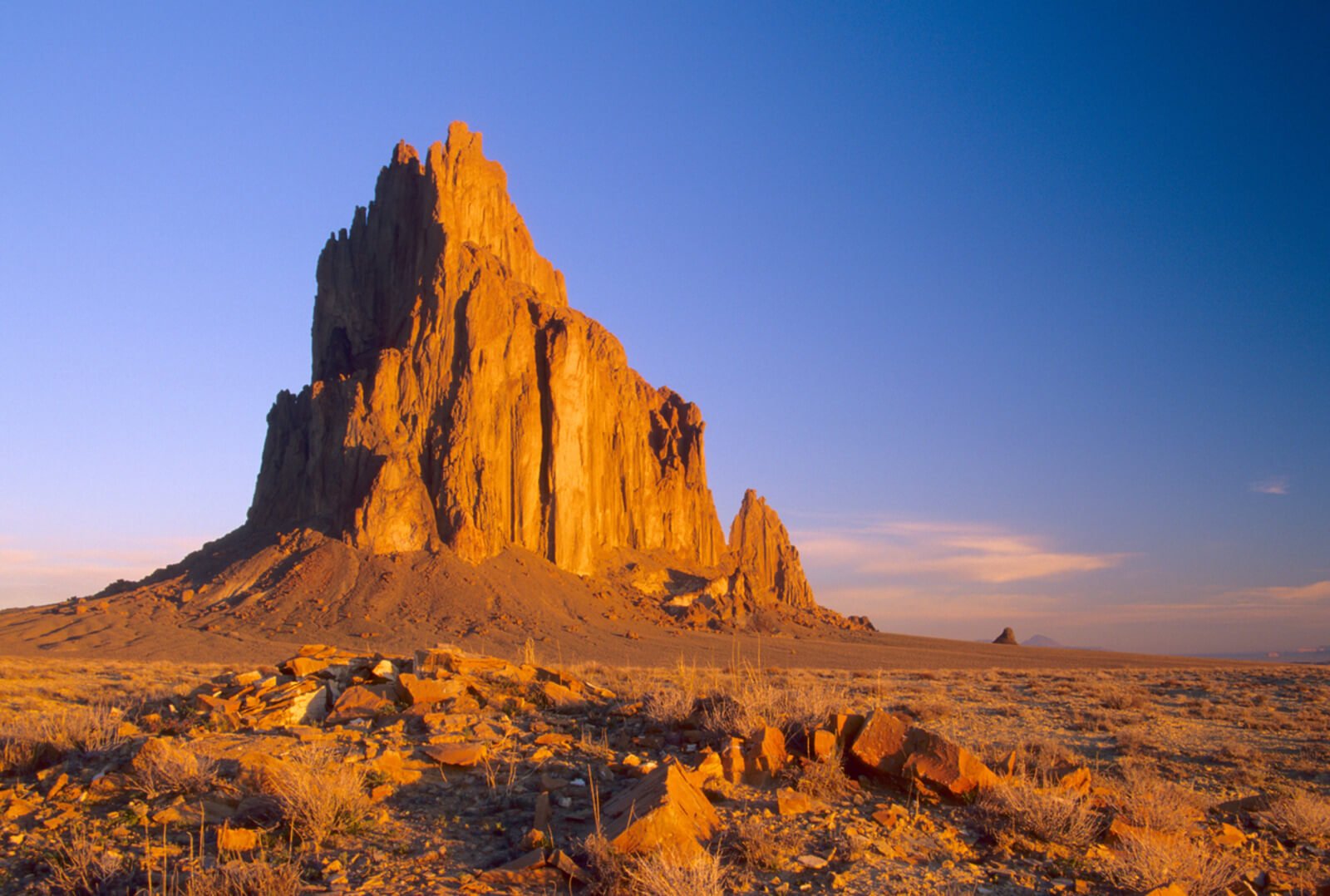
Perhaps nowhere is the notion of “timelessness” more apparent than when witnessing New Mexico’s natural phenomena. The state is renowned for its spectacular sunsets, where the vast, open skies ignite in a symphony of reds, oranges, and purples. These daily spectacles serve as nature’s grand finale, a moment to pause and appreciate the sheer beauty of the world. Each sunset is unique, a fleeting masterpiece that marks the transition from day to night.
As daylight fades, the truly dark skies of New Mexico reveal another natural clock: the cosmos. Far from city lights, places like Chaco Culture National Historical Park, an International Dark Sky Park, offer unparalleled opportunities for stargazing. Here, ancient cultures tracked celestial movements, understanding the passage of time through the dance of stars and planets. Looking up at the Milky Way stretching across the inky blackness, you feel connected to a history far older than any human invention, where time is measured in light-years and cosmic cycles. This experience is a powerful reminder that while we operate by man-made clocks, there are deeper, more enduring rhythms at play.
In New Mexico, understanding “what time it is right now” is merely the starting point. It’s the gateway to meticulously planning your itinerary, ensuring you arrive on time for a hot air balloon launch, make your dinner reservation in Santa Fe, or catch the perfect moment for a photo at White Sands National Park. Yet, beyond the practicalities, the Land of Enchantment offers a profound invitation to step outside of rigid temporal constraints. It encourages you to slow down, embrace the present, and lose yourself in landscapes and cultures that feel, in the most beautiful sense, utterly timeless. So, set your watch, but be prepared to occasionally forget it, allowing New Mexico’s magic to unfold at its own captivating pace.
LifeOutOfTheBox is a participant in the Amazon Services LLC Associates Program, an affiliate advertising program designed to provide a means for sites to earn advertising fees by advertising and linking to Amazon.com. Amazon, the Amazon logo, AmazonSupply, and the AmazonSupply logo are trademarks of Amazon.com, Inc. or its affiliates. As an Amazon Associate we earn affiliate commissions from qualifying purchases.