
New Orleans, a city steeped in rich history, vibrant culture, and unparalleled joie de vivre, captivates millions of visitors each year. Beyond the pulsating rhythms of Frenchmen Street and the iconic streetcars of the Garden District, a fundamental question often arises for those drawn to its unique allure: how many people call this enchanting metropolis home? Understanding the population of New Orleans offers a crucial lens through which to appreciate its dynamic social fabric, economic landscape, and ongoing evolution. This exploration delves into the demographic realities of the Crescent City, examining its population trends, the factors influencing its resident numbers, and what this signifies for the future of New Orleans.

Understanding the Demographic Landscape of New Orleans
The population of any major city is a fluid entity, shaped by a confluence of historical events, economic opportunities, and social dynamics. For New Orleans, this is particularly true. Its demographic story is one of resilience, ebb and flow, and a persistent connection to its unique heritage.
Historical Population Trends
Historically, New Orleans has experienced significant population fluctuations. Founded in 1718 by the French, its early growth was driven by its strategic port location on the Mississippi River. By the mid-19th century, it was one of the largest cities in the United States, a bustling hub of trade, culture, and diverse populations, including significant French, Spanish, African, and Caribbean influences. The city’s population continued to grow through the 20th century, peaking before the devastation of Hurricane Katrina in 2005.
The immediate aftermath of Hurricane Katrina saw a dramatic exodus of residents, with the population plummeting. However, the spirit of New Orleans is one of remarkable recovery. In the years since, there has been a steady and inspiring return of residents, drawn by the city’s unique cultural magnetism and the deep-seated desire to rebuild and revitalize their community. This period of reconstruction and demographic rebound is a testament to the city’s enduring appeal and the profound connection its people have to their home.
Current Population Estimates
As of the most recent available data, the population of the city of New Orleans is estimated to be approximately 383,997 residents. This figure represents the population within the official city limits. It’s important to note that demographic data is constantly being updated by the U.S. Census Bureau and other statistical agencies, so these numbers can vary slightly depending on the source and the specific reporting period.
When considering the broader metropolitan area, the population expands significantly. The New Orleans-Metairie, LA Metropolitan Statistical Area (MSA) encompasses several surrounding parishes, including Jefferson Parish, St. Tammany Parish, and Orleans Parish (which is the city of New Orleans itself). The population of the MSA is considerably larger, reflecting the interconnectedness of the region’s communities and economies. This larger figure provides a more comprehensive picture of the population that lives and works in the greater New Orleans area, interacting with its culture and contributing to its vitality.
Factors Influencing Population Dynamics
Several key factors continue to shape the population of New Orleans. Economic development, particularly in sectors like tourism, hospitality, healthcare, and the burgeoning tech industry, plays a significant role in attracting new residents and retaining existing ones. Job opportunities and the potential for career growth are powerful draws for individuals and families.
Furthermore, the city’s unique cultural identity serves as a powerful magnet. The world-renowned music scene, its distinctive culinary traditions, the annual celebrations like Mardi Gras, and the pervasive spirit of community and resilience all contribute to New Orleans’s enduring appeal. For many, the chance to live in such an culturally rich and vibrant environment is a primary motivator for choosing to call this city home.
However, like many urban centers, New Orleans also faces challenges that can impact its population. The cost of living, including housing affordability, can be a concern for some. Additionally, ongoing efforts to address issues such as infrastructure development, educational opportunities, and public safety are crucial for fostering sustainable population growth and ensuring a high quality of life for all residents. The city’s ability to navigate these challenges will undoubtedly influence its demographic trajectory in the years to come.
The Fabric of New Orleans Life: Beyond the Numbers
While precise population figures provide a quantitative snapshot, they only tell part of the story. The true essence of New Orleans lies in the lives, experiences, and diversity of its inhabitants. Understanding the people who live here offers a deeper appreciation for what makes this city so extraordinary.
A Tapestry of Cultures and Communities
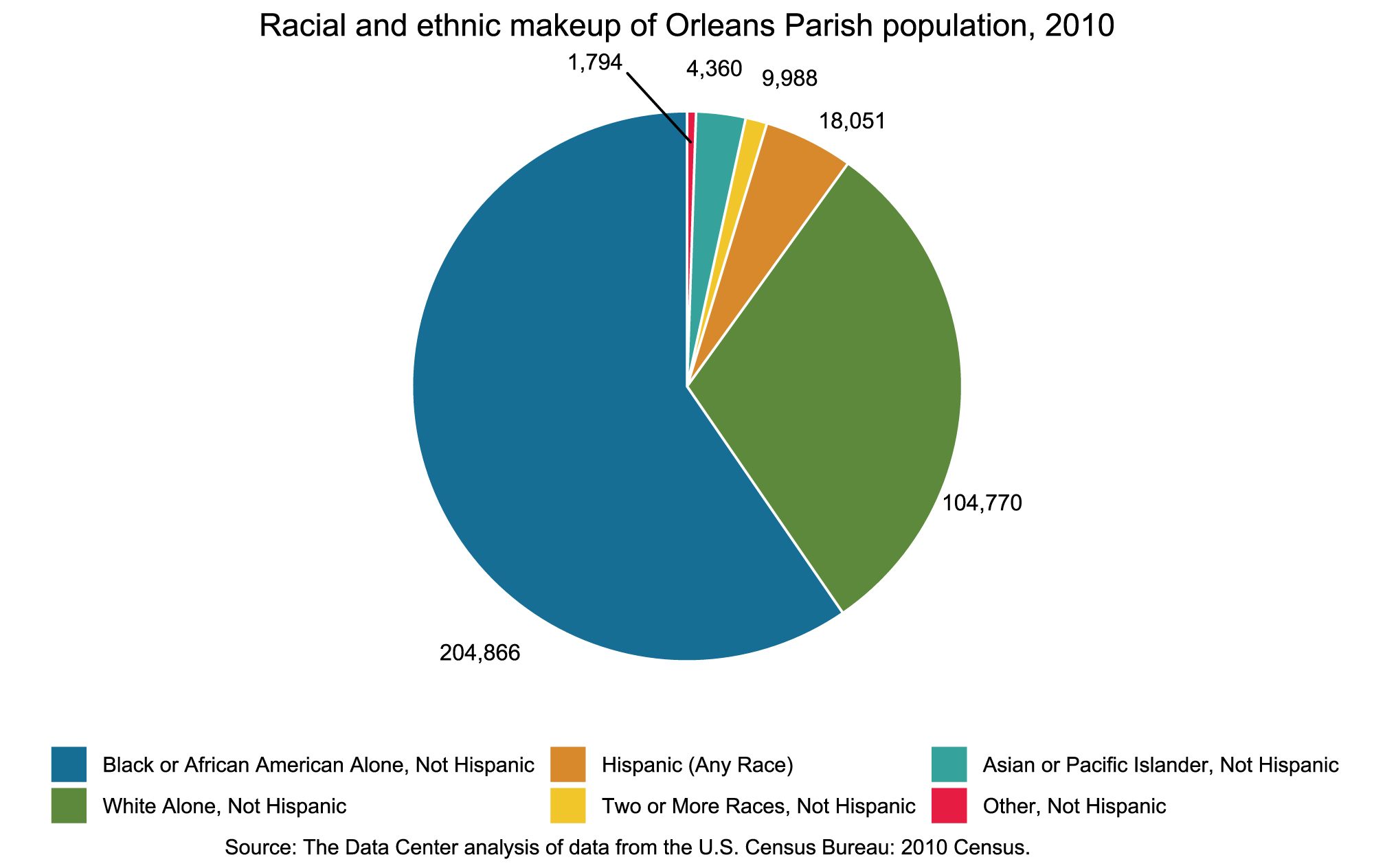
New Orleans is renowned for its rich cultural mosaic, a legacy shaped by centuries of diverse peoples and traditions. From its Creole roots to its African American heritage, its Irish Channel and Italian immigrant communities, and the ongoing influences from Latin America and the Caribbean, the city is a vibrant melting pot. This cultural fusion is evident in its music, its cuisine, its architecture, and its deeply ingrained traditions.
The population is also characterized by a strong sense of community. Neighborhoods, whether the historic streets of the French Quarter or the residential areas further afield, often possess a distinct identity and a palpable sense of belonging. This communal spirit is a vital component of the city’s resilience and its ability to weather challenges.
The Impact of Demographics on the City’s Character
The demographic composition of New Orleans profoundly influences its character and its offerings. A young, dynamic population contributes to the city’s energetic arts and music scene, while long-standing families and community leaders help preserve its rich history and traditions. The presence of a significant student population, attracted by institutions like Tulane University and Loyola University New Orleans, injects new ideas and energy.
The city’s population also reflects a significant African American community, whose historical and ongoing contributions to New Orleans culture are immeasurable. This demographic group has been central to the development of the city’s distinctive music, culinary arts, and social institutions.
What the Population Means for Visitors
For visitors, understanding the number of people who live in New Orleans can offer valuable context. A city with a population of nearly 400,000 within its limits, and a larger metropolitan presence, means that while you are experiencing a unique destination, you are also engaging with a living, breathing urban center. This translates into a vibrant, active city with a full range of services, dining options, and cultural experiences available year-round.
The density of the population, particularly in popular tourist areas like the French Quarter, means that while the city is bustling, it also retains an intimate feel in many of its neighborhoods. The resident population ensures that the city’s cultural institutions, restaurants, and music venues are not just catering to tourists but are integral parts of daily life for locals. This authenticity is a significant part of New Orleans’s charm and its appeal to travelers seeking genuine experiences.
Future Outlook: Growth and Evolution in New Orleans
The population of New Orleans is not static; it is a dynamic entity that continues to evolve. Projections and ongoing trends offer insights into what the future might hold for the Crescent City’s demographic landscape.
Demographic Projections and Trends
Current demographic projections suggest that New Orleans is likely to continue its post-Hurricane Katrina recovery, with modest population growth anticipated in the coming years. The city is working to attract a diverse range of residents, including young professionals, families, and individuals seeking its unique lifestyle. Efforts to enhance educational opportunities, improve public transportation, and foster economic diversification are key to supporting this growth.
There is also a focus on retaining its existing population by addressing issues such as affordable housing and creating more equitable economic opportunities. The city’s leadership understands that a balanced demographic profile, with both a strong base of long-term residents and an influx of new talent, is essential for sustained prosperity and cultural vibrancy.
Factors Shaping the Future Population
The future population of New Orleans will be shaped by a variety of interconnected factors. Climate change and its potential impact on coastal cities like New Orleans remain a significant consideration. The city’s ongoing commitment to resilience and adaptation will be crucial in attracting and retaining residents.
Economically, continued investment in key sectors and the development of new industries will play a vital role. The ability to attract and retain a skilled workforce will be paramount. Culturally, preserving the unique heritage of New Orleans while embracing new influences will be key to maintaining its distinctive identity. The city’s commitment to its arts, music, and culinary scenes will undoubtedly continue to draw people from around the globe.

The Enduring Allure of the Crescent City
Ultimately, the number of people who live in New Orleans is a testament to its enduring allure. It is a city that commands a deep affection from its residents, who are fiercely proud of their home and its unique place in the world. Whether it’s the haunting beauty of a second-line parade, the tantalizing aroma of Creole cooking, or the simple pleasure of a jazz performance on a warm evening, New Orleans possesses a magic that transcends statistics. The people who call it home are the custodians of this magic, ensuring that the spirit of New Orleans continues to captivate and inspire for generations to come.
LifeOutOfTheBox is a participant in the Amazon Services LLC Associates Program, an affiliate advertising program designed to provide a means for sites to earn advertising fees by advertising and linking to Amazon.com. Amazon, the Amazon logo, AmazonSupply, and the AmazonSupply logo are trademarks of Amazon.com, Inc. or its affiliates. As an Amazon Associate we earn affiliate commissions from qualifying purchases.