
Nestled within the vast, arid expanse of the Mojave Desert, the city of Las Vegas stands as a dazzling beacon of entertainment, luxury, and the relentless pursuit of dreams. From its humble origins as a desert oasis to its current status as a global tourism powerhouse, the story of Las Vegas is one of remarkable transformation, propelled by a unique blend of natural resources, strategic location, audacious vision, and a touch of rebellious spirit. For anyone planning a trip to this iconic destination, understanding its foundation offers a deeper appreciation for its vibrant present and its enduring allure, revealing how a barren landscape became synonymous with world-class travel, magnificent hotels, and unforgettable experiences.
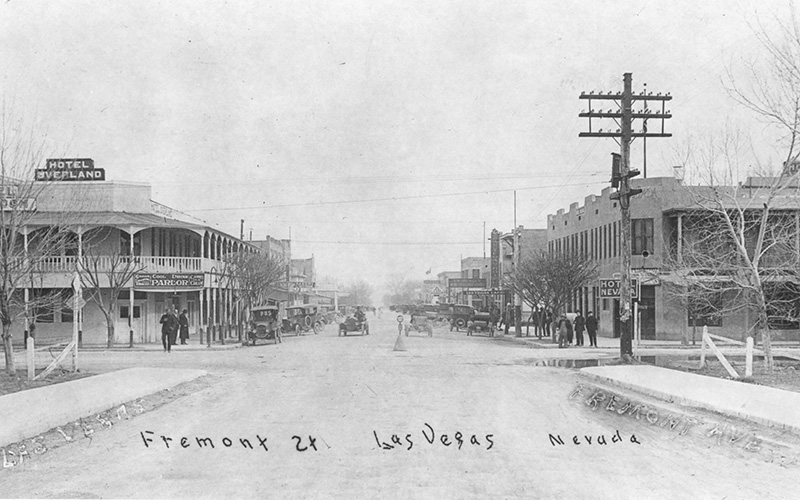
The city’s very name, Spanish for “The Meadows,” hints at the critical element that drew early travelers and settlers to this otherwise unforgiving land: water. A series of natural springs provided a verdant respite, making it an essential stop on various trails. This seemingly insignificant geographical feature would ultimately dictate the trajectory of its development, drawing adventurers, entrepreneurs, and eventually, the masterminds who would sculpt a modern marvel from the desert floor. The journey from a watering hole to the “Entertainment Capital of the World” is a testament to human ingenuity and the extraordinary power of strategic planning combined with a willingness to challenge conventional notions of urban development and tourism. This narrative is not merely about bricks and mortar but about the pioneering spirit that crafted an entirely new lifestyle destination, redefining what a city in the desert could be.
From Desert Oasis to Railroad Stop
The narrative of Las Vegas begins long before its neon glow illuminated the night sky, rooted in the very land it now occupies. This section explores the earliest chapters of its existence, from its natural geographical advantages to the pivotal arrival of the railroad, which truly set the stage for its dramatic future. Understanding these initial developments is crucial for any traveler seeking to grasp the unique historical context that underpins the vibrant contemporary culture and the sheer audacity of its architectural and recreational offerings.
Early Inhabitants and the “Meadows”
Thousands of years before European explorers set foot in Southern Nevada, indigenous peoples, including the Paiute tribes, recognized the life-sustaining value of the artesian springs in the Las Vegas Valley. These springs created lush meadows, a stark contrast to the surrounding Mojave Desert, providing water, game, and plant life. This natural abundance made the area a crucial gathering point and a vital stop along ancient trade routes. The term “Las Vegas” itself was coined in 1829 by a Spanish explorer named Rafael Rivera, who was part of an expedition on the Old Spanish Trail from New Mexico to California. He was struck by the verdant grasslands fed by the underground springs, naming the area “Las Vegas” – The Meadows.
Later, in 1855, a group of Mormons from Salt Lake City established a mission here, building a fort to convert the Paiute and serve as a way station for travelers. While their mission ultimately failed after two years due to conflicts and challenging conditions, their presence left a lasting mark, including the construction of the Old Mormon Fort, which stands today as the oldest non-native structure in Nevada. This early attempt at settlement underscores the dual nature of Las Vegas as both a challenging frontier and an irresistible hub of opportunity due to its precious water resources. For those interested in local culture and history, a visit to the Las Vegas Springs Preserve offers a fascinating look into this pre-resort era, showcasing the natural springs and the indigenous history that predates the city’s modern identity.
The Arrival of the Railroad
The true catalyst for modern Las Vegas’s birth came at the turn of the 20th century with the advent of the transcontinental railroad. In the early 1900s, Senator William Andrews Clark, a copper magnate, envisioned a railroad line connecting Salt Lake City to Los Angeles, significantly shortening the journey between the two burgeoning regions. The path for his San Pedro, Los Angeles and Salt Lake Railroad, later acquired by the Union Pacific Railroad, naturally passed through the Las Vegas Valley, once again due to its reliable water supply.
Recognizing the strategic importance of the springs, Clark purchased the rights to the water and, in 1905, designated a 110-acre plot of land adjacent to the railroad tracks as the site for a new town. On May 15, 1905, an auction was held, selling 1,200 lots to eager buyers, marking the official founding of Las Vegas. This event instantly transformed the desert outpost into a bustling railroad town, serving as a critical refueling and water stop for steam locomotives and a supply center for local mines. The town quickly developed a reputation as a rough-and-tumble frontier settlement, attracting prospectors, railroad workers, and various opportunists. Early accommodations were rudimentary, often featuring simple boarding houses and saloons, a stark contrast to the luxurious resorts that would later define the city. This initial surge of activity laid the groundwork for future development, creating the basic infrastructure – streets, water lines, and a nascent economy – that would enable the town to grow beyond a mere stop on a railway line into a destination in its own right. The very existence of these early buildings and the framework of a growing community are foundational to the city’s long-term success as a travel and tourism hub.
The Dawn of Legalized Gaming and the Hoover Dam Boom
The trajectory of Las Vegas took a definitive turn in the 1930s, catalyzed by two seemingly unrelated but profoundly impactful events: the construction of the Hoover Dam and Nevada’s controversial decision to legalize gambling. These developments injected an unprecedented influx of people and capital into the nascent city, shaping its identity and laying the essential groundwork for its future as an entertainment mecca. For travel enthusiasts and history buffs, this period represents the true genesis of the Las Vegas we recognize today, establishing its unique position in the world of tourism and lifestyle.
The Thirsty Project: Hoover Dam Construction
The Great Depression hit the United States hard, but for Las Vegas, it paradoxically brought an economic boom. In 1931, construction began on the colossal Hoover Dam (originally Boulder Dam) in the nearby Black Canyon of the Colorado River, a mere 30 miles southeast of the city. This monumental federal project, designed to control floods, provide hydroelectric power, and supply irrigation water to California and Arizona, attracted thousands of workers and their families to the region.
The project site itself, Boulder City, was a government-controlled town with strict rules, including a prohibition on gambling and alcohol. Consequently, the workers, primarily single men looking for diversion and escape from the grueling conditions of dam construction, flocked to Las Vegas on their days off. The city became a vibrant, if somewhat rough, playground, offering bars, dance halls, and informal gambling operations to cater to the dam workers’ demands for entertainment. This influx of a massive, temporary workforce created an immediate and substantial economic stimulus for Las Vegas, transforming it from a sleepy railroad town into a bustling service hub. The experience gained by catering to this demanding demographic proved invaluable, honing the city’s nascent hospitality skills and demonstrating the immense potential of entertainment-driven tourism. The sheer scale of the dam, still a powerful landmark and attraction, provides a tangible link to this transformative era and remains a popular destination for visitors seeking both engineering marvels and historical context.
Nevada’s Bold Move: Legalizing Gambling and Quick Divorces
While the Hoover Dam brought a temporary population surge, a legislative decision by the state of Nevada in 1931 laid the permanent foundation for Las Vegas’s future. Facing economic hardship during the Great Depression and seeking ways to stimulate its economy, Nevada passed two pivotal laws: one legalizing wide-open gambling and another drastically reducing the residency requirement for divorce to just six weeks. These acts were radical for their time, making Nevada an outlier among U.S. states where moralistic views often suppressed such activities.
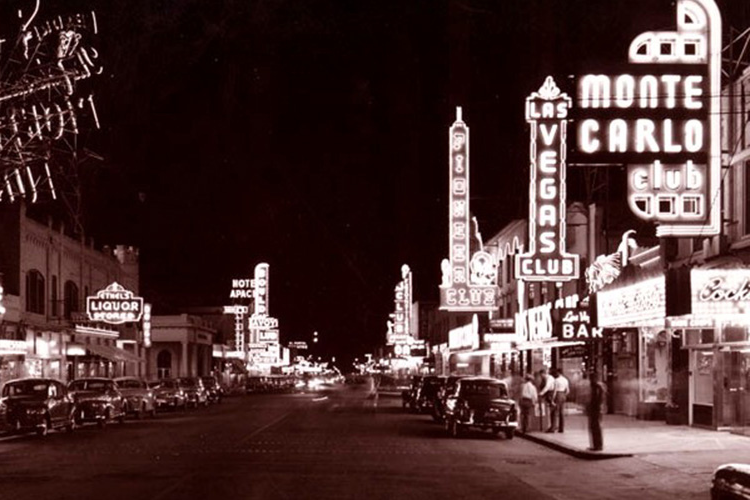
The legalization of gambling provided a legitimate framework for the entertainment options that were already informally flourishing, albeit often illicitly. Suddenly, entrepreneurs could openly invest in casinos, attracting not just local workers but also travelers from across the country seeking legal thrills. Similarly, the liberal divorce laws transformed Las Vegas into a “divorce ranch” destination, drawing individuals from states with stricter laws. These “divorce seekers” often stayed in hotels and guest ranches for the required six weeks, further boosting the local accommodation and tourism industry. The dual appeal of legal gaming and expedient divorces created a unique draw, distinguishing Las Vegas from any other city in the nation. It was a conscious decision to lean into a certain type of lifestyle tourism, one that embraced adult leisure and escape, laying the ideological and legal groundwork for the extravagant resorts and world-class attractions that define the city’s global reputation today. This daring legislative strategy ultimately sculpted the unique identity of Las Vegas, paving the way for its unmatched growth in the hospitality sector.
The Rise of the Resort City and the Mafia’s Influence
With the legal framework for gambling established and a growing reputation as an entertainment hub, Las Vegas was ripe for significant investment. This period saw the transformation from modest casinos to grand resorts, often fueled by figures connected to organized crime who saw immense potential in the burgeoning desert town. Their ambitious vision, combined with access to capital, laid the architectural and operational blueprint for what would become “The Strip.” For modern travelers, this era explains the city’s iconic resort style and its enduring image as a place where grand ventures and captivating stories were forged.
The First Grand Hotels: Building the Foundation
While smaller casinos and saloons dotted Downtown Las Vegas, the true birth of the resort city concept began on what would become The Strip. In 1941, the El Rancho Vegas opened its doors, becoming the first hotel-casino on U.S. Highway 91, the main road connecting Los Angeles to Las Vegas. It offered a distinct departure from the downtown establishments, providing luxury accommodations, a swimming pool, live entertainment, and, of course, gambling. Its success demonstrated the viability of the integrated resort model, where entertainment, dining, and lodging were all available under one roof, catering to a more affluent clientele. This was a crucial step in defining the Las Vegas lifestyle, moving beyond mere gambling dens to full-service destinations.
The post-World War II economic boom, coupled with the availability of land outside the established city limits (which avoided downtown’s tax and zoning regulations), spurred further development along the highway. Investors, seeing the success of El Rancho Vegas, began envisioning even grander establishments. These early resorts weren’t just about gambling; they were about creating an entire experience, offering elaborate shows, fine dining, and stylish rooms, setting the precedent for the expansive, amenity-rich resorts that draw millions of tourists today. The foundation laid by these pioneers proved that Las Vegas could be more than a stopping point; it could be a destination.
Bugsy Siegel and the Birth of the Strip
The most famous, and perhaps infamous, figure associated with the early development of The Strip was Benjamin “Bugsy” Siegel, a charismatic and ruthless mobster from New York City. Recognizing the immense potential of Las Vegas as a legitimate, tax-free haven for gambling revenues, Siegel, with financial backing from other organized crime figures, took over and aggressively expanded the construction of the Flamingo Hotel. Siegel envisioned the Flamingo Hotel as a truly luxurious, European-style resort that would attract not just gamblers, but also Hollywood stars and high rollers from across the nation, positioning Las Vegas as a sophisticated destination.
The Flamingo Hotel opened on December 26, 1946, though it initially struggled due to construction delays, cost overruns, and poor weather. Despite its rocky start and Siegel’s dramatic assassination shortly thereafter, the Flamingo Hotel ultimately became a massive success and served as a powerful prototype for future Las Vegas resorts. Siegel’s vision of an opulent, all-encompassing resort set a new standard for luxury travel and entertainment in the desert. His influence, though controversial, indelibly stamped the DNA of The Strip with a commitment to glamour, spectacle, and high stakes. The early reliance on mob money for construction reflected a period when legitimate financial institutions were wary of investing in gambling enterprises. However, this illicit capital ultimately helped fund the audacious architecture and grand scale that became synonymous with Las Vegas resorts, transforming the city into a global landmark for those seeking unique experiences and unforgettable amenities.
Post-War Expansion and Corporate Takeover
The post-war era ushered in a new phase for Las Vegas, moving beyond its mob-affiliated roots towards a more mainstream, corporate identity. This period saw rapid expansion, diversification of entertainment, and a concerted effort to broaden its appeal beyond just gambling, cementing its status as a premier global tourism hub. For travelers today, understanding this transition reveals why Las Vegas offers such a diverse range of attractions, from family-friendly entertainment to high-end luxury, and how its various accommodations evolved to cater to every kind of visitor.
From Mobster Playground to Family Destination
By the 1960s, the overt presence of organized crime in Las Vegas began to draw increased scrutiny from federal authorities. This, coupled with the growing capital requirements for building ever-larger resorts, paved the way for legitimate corporations and entrepreneurs to enter the market. A key figure in this transition was Howard Hughes, the eccentric billionaire industrialist. Starting in 1966, Howard Hughes began buying up numerous Las Vegas hotels and casinos, including the Desert Inn, the Frontier, and the Sands. His acquisitions signaled a shift, lending a veneer of corporate legitimacy to the city and attracting Wall Street investment.
The 1970s and 1980s saw further corporate consolidation and a strategic pivot to diversify Las Vegas’s image. Recognizing that relying solely on gambling might limit growth, developers began investing heavily in family-friendly attractions, elaborate shows, and world-class dining. Resorts like the original MGM Grand (now Bally’s), Caesars Palace, and the Mirage pioneered themed resorts, often incorporating elaborate spectacles, animal habitats, and amusement rides. This effort successfully broadened the city’s appeal, drawing families and convention-goers alongside traditional gamblers. The “What happens in Vegas, stays in Vegas” mantra, while still iconic, began to share space with a narrative of diverse entertainment options for all ages, making it a more inclusive travel destination. This strategic evolution ensured that Las Vegas remained relevant and appealing to a wider audience, solidifying its future as a multi-faceted tourism giant.
Modern Las Vegas: A Global Tourism Hub
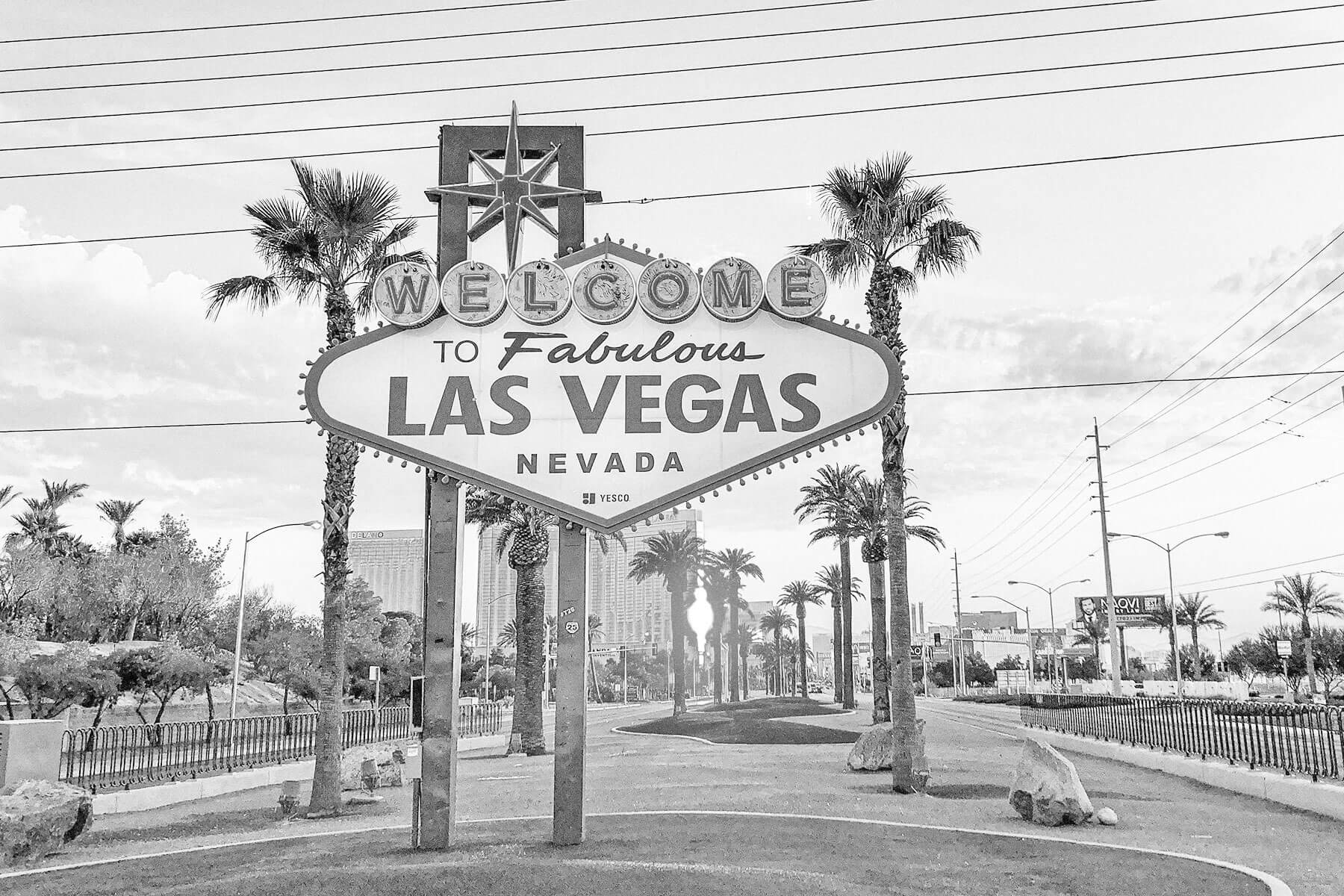
Today’s Las Vegas is a testament to continuous innovation and reinvention. The late 20th and early 21st centuries saw the construction of mega-resorts, each a destination in itself, offering unparalleled luxury, entertainment, and amenities. Properties like the Bellagio, the Venetian Resort, and Paris Las Vegas transformed The Strip into a global architectural marvel, featuring replicas of world landmarks, elaborate water shows, and vast shopping promenades. These establishments are more than just hotels; they are comprehensive lifestyle destinations, offering everything from Michelin-starred restaurants and celebrity chef eateries to high-end boutiques, spas, and a packed calendar of concerts, residencies, and sporting events.
Las Vegas has solidified its position not only as a gambling capital but also as a leading convention and trade show destination, a culinary hotspot, and a hub for world-class entertainment. The city’s accommodation options range from opulent suites to more budget-friendly rooms, catering to every traveler’s preference and ensuring a vibrant and accessible tourism market. Beyond The Strip, Downtown Las Vegas has experienced a revitalization, exemplified by the Fremont Street Experience and a thriving arts and culture scene, offering a different flavor of the Las Vegas experience. The ongoing evolution of Las Vegas ensures its continued relevance as a top global destination for travel, leisure, and memorable experiences, constantly redefining luxury, hospitality, and the very concept of a purpose-built city.
The story of Las Vegas is a compelling narrative of audacious vision, adaptability, and an unwavering commitment to entertainment. From a humble desert spring known only to indigenous tribes and weary travelers, it was transformed by a railroad, an engineering marvel, and a bold legislative gamble into a global icon. Its journey from a transient stop to a full-fledged resort city, characterized by grand hotels, diverse attractions, and a unique lifestyle, is a testament to human ingenuity. Today, Las Vegas continues to evolve, pushing the boundaries of what a travel destination can offer, standing as a luminous monument to the dreams and daring spirit of its founders. It remains an unparalleled destination for those seeking the ultimate in accommodations, tourism, and unforgettable experiences, always promising something new under the desert sun.
LifeOutOfTheBox is a participant in the Amazon Services LLC Associates Program, an affiliate advertising program designed to provide a means for sites to earn advertising fees by advertising and linking to Amazon.com. Amazon, the Amazon logo, AmazonSupply, and the AmazonSupply logo are trademarks of Amazon.com, Inc. or its affiliates. As an Amazon Associate we earn affiliate commissions from qualifying purchases.