
Navigating the vibrant landscapes and diverse attractions of the Sunshine State is an unforgettable experience, whether you’re a long-term resident, a new arrival, or a dedicated traveler planning an extended stay. While Florida offers a wealth of transportation options, from ride-sharing services in bustling cities like Miami and Orlando to select public transit routes, the ultimate freedom to explore its hidden gems, pristine beaches, and world-class landmarks truly comes with a Florida driver’s license. For anyone looking to immerse themselves in the local culture, embark on spontaneous road trips, or simply manage daily life with ease, understanding the process of obtaining a driver’s license here is paramount. This comprehensive guide is designed to demystify the steps, ensuring you’re well-prepared to hit the open roads and discover all that Florida has to offer, from the thrilling theme parks to the serene natural parks.
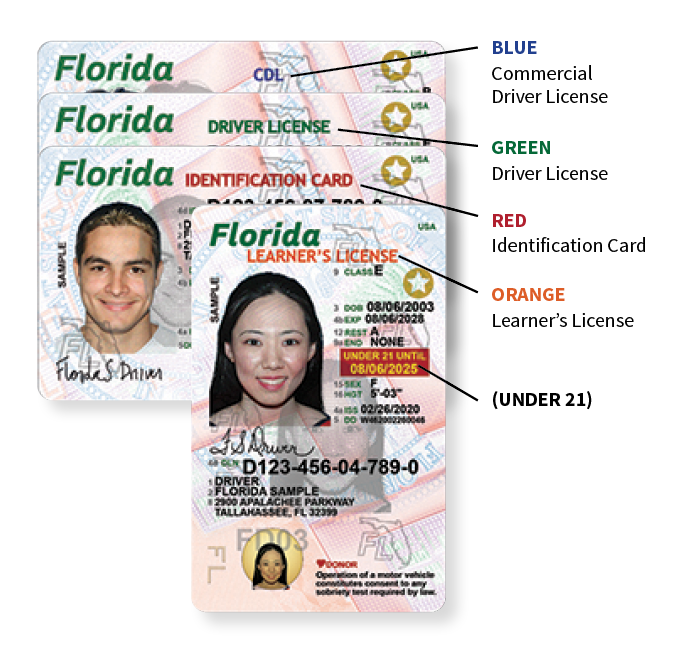
Navigating the Sunshine State: Why a Florida Driver’s License is Your Key to Exploration
For many, the allure of Florida lies in its boundless opportunities for travel and tourism. From the moment you touch down, the desire to explore, to discover the next breathtaking destination, becomes undeniable. A Florida driver’s license isn’t just a legal document; it’s a passport to unparalleled freedom, a tool that enhances every aspect of your Florida lifestyle.
Unlocking Florida’s Diverse Destinations
Imagine the freedom to drive from the Art Deco splendor of South Beach in Miami to the magical gates of Walt Disney World Resort in Orlando at your own pace. Picture a scenic drive down the Overseas Highway to Key West, stopping at charming roadside eateries and picturesque overlooks. Or perhaps a journey to the historic streets of St. Augustine, the oldest continuously inhabited European-established settlement in the United States. These are the quintessential Florida experiences that become effortlessly accessible with your own vehicle and a valid Florida driver’s license.
Public transportation, while available in major metropolitan areas, often lacks the extensive reach required to fully explore Florida’s diverse landscape. Many of the state’s most captivating attractions, natural parks like Everglades National Park or Biscayne National Park, and even unique local restaurants, are often best reached by car. A driver’s license transforms your Florida adventure from a series of organized tours into a personalized odyssey, allowing for spontaneous detours and the discovery of hidden gems off the beaten path. Whether you’re planning a family trip to the theme parks or a serene escape to the Gulf Coast beaches, the independence that comes with a local license is invaluable.
Practicalities for Residents and Long-Term Visitors
Beyond leisurely exploration, a Florida driver’s license serves a vital practical purpose for those establishing roots or undertaking long-term stays in the state. From grocery runs and commuting to work or school, to simply visiting friends and family, a personal vehicle is often a necessity in Florida’s expansive suburban and rural areas.
For new residents, converting an out-of-state license or obtaining a first-time license is an essential step in integrating into the community. It’s often required for various bureaucratic processes, from opening bank accounts to proving residency. For those on extended visits, perhaps for business stays or seasonal accommodation in a rental villa or apartment, a Florida license simplifies daily life, offering convenience that even the most luxurious resort amenities can’t fully replicate. It’s an investment in your independence and an integral part of fully experiencing the Florida lifestyle.
The Road to Your Florida Driver’s License: Step-by-Step Guide
Obtaining a Florida driver’s license involves a structured process overseen by the Florida Department of Highway Safety and Motor Vehicles (FLHSMV). While it may seem daunting, breaking it down into manageable steps makes the journey straightforward.
Essential Eligibility Requirements
Before you even think about documents, ensure you meet the fundamental requirements:
- Age: You must be at least 16 years old to obtain a full Class E driver’s license. For a learner’s permit, the minimum age is 15.
- Social Security Number (SSN): You will generally need to provide proof of your Social Security Number. If you are not eligible for an SSN, specific alternative procedures apply, usually involving an affidavit from the Social Security Administration stating your ineligibility.
- Residency: You must prove you are a resident of Florida. This typically means residing in the state for at least 30 consecutive days, though proof of intent to establish residency can sometimes suffice.
- Traffic Law and Substance Abuse Education (TLSAE) Course: All first-time driver’s license applicants in Florida must complete a TLSAE course, also known as the Drug and Alcohol course. This four-hour course covers basic traffic laws, the dangers of driving under the influence, and safe driving practices. It can be completed online or in person at an approved driving school.
Gathering Your Documentation: The “REAL ID” Standard
Florida, like all U.S. states, adheres to the federal REAL ID Act, meaning you’ll need to provide specific documents to prove your identity, SSN, and residential address. It’s crucial to bring original documents (not photocopies) when you visit an FLHSMV service center or authorized agent.
Here’s a general checklist of what you’ll typically need:
- Proof of Identity (one document):
- Original or certified U.S. birth certificate.
- Valid U.S. passport or passport card.
- Consular Report of Birth Abroad.
- Certificate of Naturalization.
- Alien Registration Card (Green Card).
- Employment Authorization Card.
- Proof of Social Security Number (one document):
- Social Security card.
- W-2 form.
- Pay stub with your SSN.
- A letter from the Social Security Administration stating your SSN.
- Proof of Residential Address (two different documents):
- Utility bills (electricity, water, gas, cable) from two different companies, less than two months old.
- Lease agreement or mortgage statement.
- Car registration or title.
- Mail from a government agency (e.g., property tax bill, selective service card).
- Bank statements.
- (For non-citizens) Immigration documents like an I-94 or valid visa, often proving legal presence in the U.S..
If your name has changed due to marriage or other legal reasons, you must provide certified copies of all marriage certificates or court orders that link your current name to the name on your birth certificate or identity document.
The Application and Testing Process
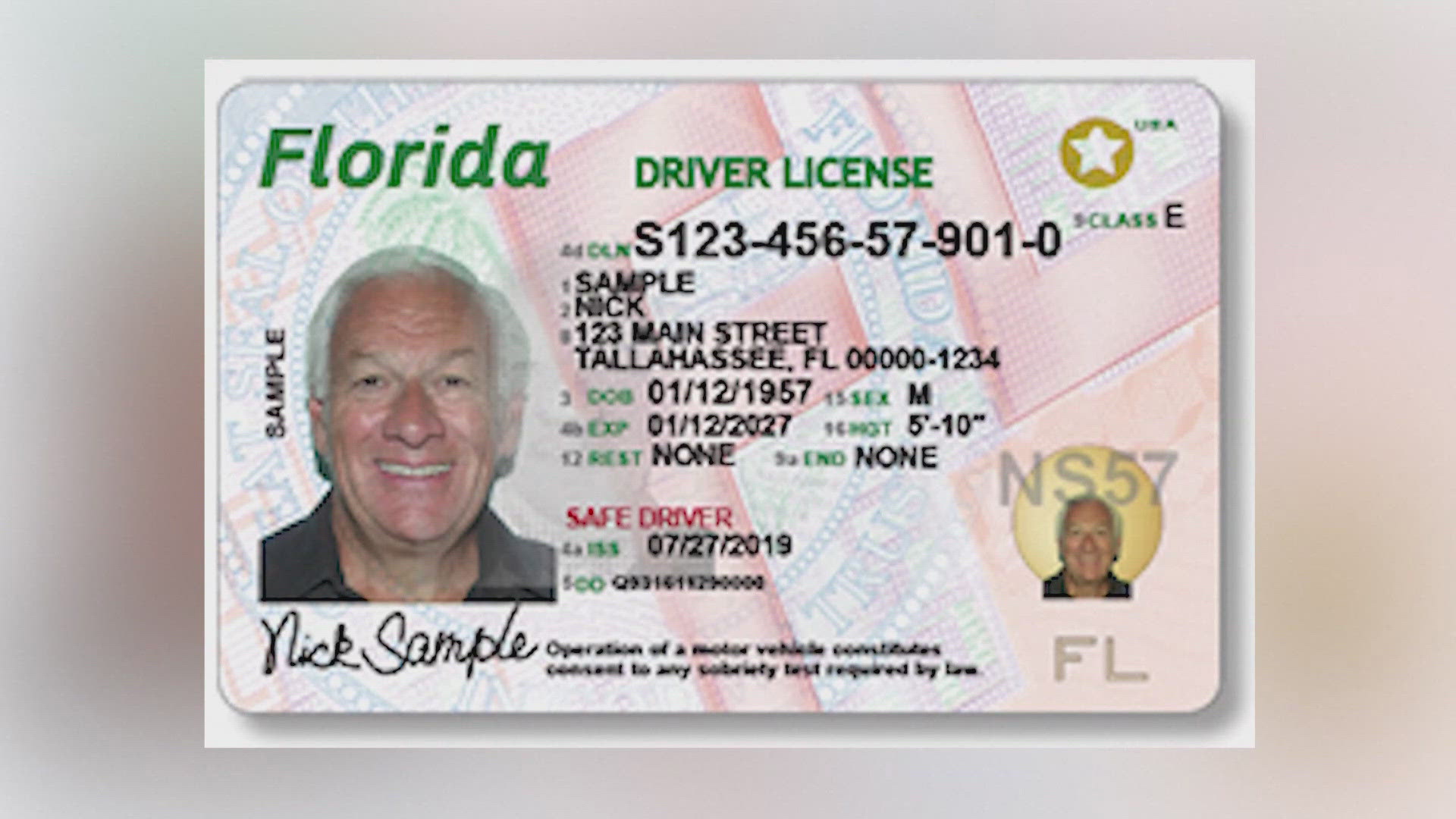
Once you have your documents and have completed the TLSAE course, the next steps involve visiting an FLHSMV service center (sometimes referred to as the DMV by the public) or an authorized agent. It’s highly recommended to make an appointment online beforehand to save time.
- Application Submission: Fill out the driver’s license application form at the service center.
- Vision Test: You will undergo a vision screening to ensure your eyesight meets the state’s minimum requirements. If you wear corrective lenses, bring them.
- Hearing Test: A basic hearing test may also be administered.
- Knowledge Exam (Written Test): This test assesses your understanding of Florida traffic laws, road signs, and safe driving practices. The exam consists of 50 multiple-choice questions, and you must answer at least 40 correctly to pass. Study the official Florida Driver Handbook thoroughly. You can often take practice tests online.
- Driving Skills Test (Road Test): After passing the knowledge exam and vision test, you’ll schedule your driving test. You must provide a vehicle that is properly registered, insured, and in safe working condition. The vehicle must pass a brief inspection. During the test, a license examiner will evaluate your ability to safely operate a vehicle, including maneuvers like turns, lane changes, parking, and obeying traffic signals and signs.
- Fees: Pay the required fees for your license. The cost varies depending on the type of license and endorsements.
- Photo and Fingerprints: Your photo will be taken, and your fingerprints will be collected.
Upon successful completion of all tests and submission of required documents and fees, you will be issued a temporary license, with your permanent card mailed to your residential address.
Understanding Your License Options: Learner’s Permit vs. Full License
- Learner’s Permit (Class E): For individuals aged 15-17, or anyone getting their first driver’s license, a learner’s permit is typically the first step. With a learner’s permit, you can only drive during daylight hours for the first three months, and until 10 PM thereafter, and you must always be accompanied by a licensed driver who is at least 21 years old and occupies the front passenger seat.
- Full Class E Driver’s License: Once you are 16 years old, have held a learner’s permit for at least 12 months without any traffic convictions, and completed 50 hours of supervised driving (including 10 hours at night), you can apply for a full Class E driver’s license. If you are 18 or older and have passed all required tests, you can obtain a full license without first holding a learner’s permit for a specific duration, although the TLSAE course is still required for first-time drivers.
Beyond the Basics: Important Considerations for New Florida Drivers
Obtaining your license is just the beginning. Understanding special circumstances and best practices ensures a smooth transition to driving in Florida.
For New Florida Residents
If you’ve recently moved to Florida from another state or country and hold a valid driver’s license, you generally have 30 days to obtain a Florida driver’s license. For out-of-state licenses, the process is usually simpler: you’ll still need to provide proof of identity, SSN, and two proofs of address (following REAL ID standards), pass the vision and hearing tests, and pay the fee. In most cases, the knowledge and driving tests can be waived if your out-of-state license is valid and current. However, always confirm with the FLHSMV as regulations can vary.
Tips for International Visitors and Non-Citizens
For international visitors with valid licenses from their home country, Florida generally recognizes foreign driver’s licenses for up to one year from the date of entry. An International Driving Permit (IDP) is highly recommended as a translation of your foreign license, though it is not a standalone driving document and must be presented with your original foreign license. If you plan a long-term stay beyond one year or intend to become a permanent resident, you will eventually need to obtain a Florida license by following the full application process, including the TLSAE course and all tests. Specific requirements for non-citizens will depend on their visa status and documentation.
Driving Safely and Responsibly in Florida
Florida’s roads can be busy, especially in tourist hotbeds like Orlando and Miami. Be mindful of varying speed limits, which are strictly enforced. Pay extra attention to pedestrians and cyclists, especially in urban areas and beach towns. Be aware of Florida’s unique weather patterns, including sudden torrential downpours that can significantly reduce visibility and cause hydroplaning. Always maintain a safe following distance and adjust your driving to conditions. Furthermore, Florida has strict laws against distracted driving and driving under the influence; understanding and adhering to these regulations is crucial for everyone’s safety.
Embracing Florida’s Open Roads: A Lifestyle of Freedom
With your Florida driver’s license in hand, a world of exploration opens up before you. It’s not merely about the logistics of getting from point A to point B; it’s about embracing a lifestyle of freedom, adventure, and discovery.
Road Trip Adventures and Hidden Gems
Consider the ultimate Florida road trip: starting in Jacksonville on the Atlantic Coast, heading south through historic St. Augustine, on to the Kennedy Space Center Visitor Complex on the Space Coast, then venturing inland to Orlando’s theme parks like Universal Studios Florida. From there, perhaps west to the beautiful beaches of Tampa and St. Petersburg on the Gulf Coast, before finally diving into the vibrant energy of Miami and the unique ecological wonders of the Everglades. The journey culminates in the serene beauty and quirky charm of Key West and even further to the remote Dry Tortugas National Park (accessible by ferry or seaplane, but your drive gets you to the departure point). Each stop offers distinct attractions and experiences, showcasing Florida’s incredible diversity, from bustling urban centers to tranquil natural paradises. A driver’s license makes these grand adventures not just possible, but effortlessly enjoyable, allowing for spontaneous stops at roadside fruit stands, local diners, or charming small towns that often go unnoticed by those tied to rigid tour schedules.
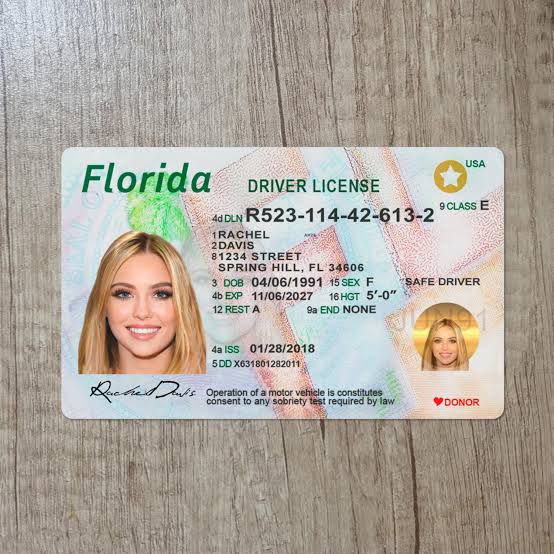
Making the Most of Your Florida Stay with Wheels
Whether you’re visiting for an extended vacation, considering Florida for a seasonal long-term stay, or a permanent move, having your own means of transport significantly elevates your experience. It empowers you to explore beyond the immediate vicinity of your hotel or resort, discovering local eateries, authentic craft markets, and stunning, less-crowded beaches. It offers convenience for everything from hauling groceries to picking up souvenirs. For those interested in a budget travel approach, having a car can mean staying in more affordable accommodations further from tourist hotspots while still enjoying easy access to all the fun. For luxury travel enthusiasts, it means seamless transitions between five-star suites and exclusive dining experiences without relying on external services.
In essence, a Florida driver’s license is more than just a bureaucratic requirement; it’s an essential component of fully embracing the rich travel, tourism, and lifestyle opportunities that the Sunshine State generously offers. By following the steps outlined above, you’ll be well on your way to experiencing the freedom and excitement of Florida’s open roads. Drive safely, and enjoy your journey!
LifeOutOfTheBox is a participant in the Amazon Services LLC Associates Program, an affiliate advertising program designed to provide a means for sites to earn advertising fees by advertising and linking to Amazon.com. Amazon, the Amazon logo, AmazonSupply, and the AmazonSupply logo are trademarks of Amazon.com, Inc. or its affiliates. As an Amazon Associate we earn affiliate commissions from qualifying purchases.