
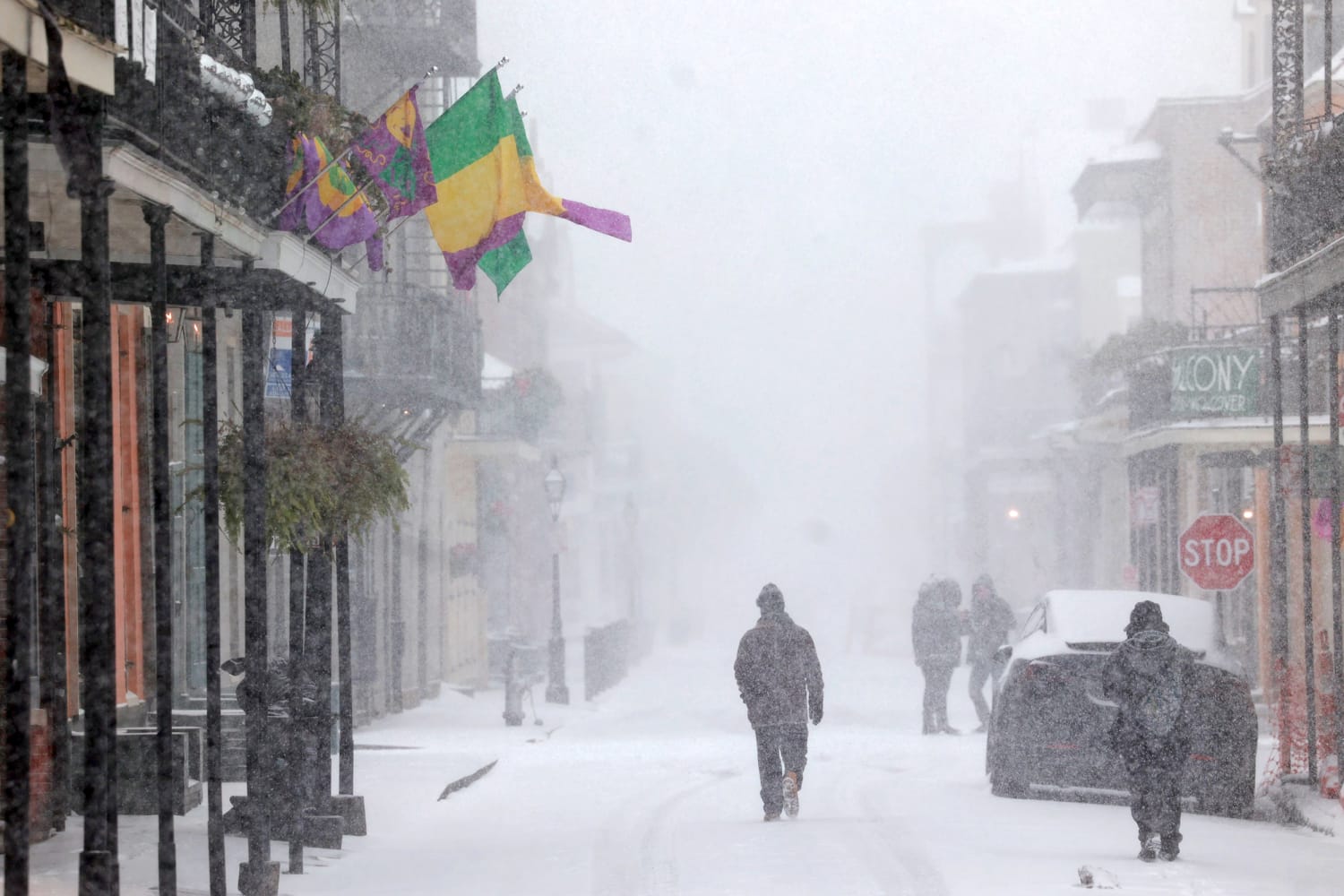
The question “How much snow in New Orleans?” often elicits a chuckle from long-time residents and seasoned travelers alike. The simple, unequivocal answer is: very, very little. The vibrant, subtropical jewel of Louisiana, a city renowned for its sweltering summers, humid air, and the gentle breeze from the nearby Gulf of Mexico, is about as far removed from a winter wonderland as one can get. While the idea of delicate snowflakes drifting over the French Quarter or dusting the historic mansions of the Garden District might paint a picturesque scene, it is a rare phenomenon, reserved for the annals of local weather history.
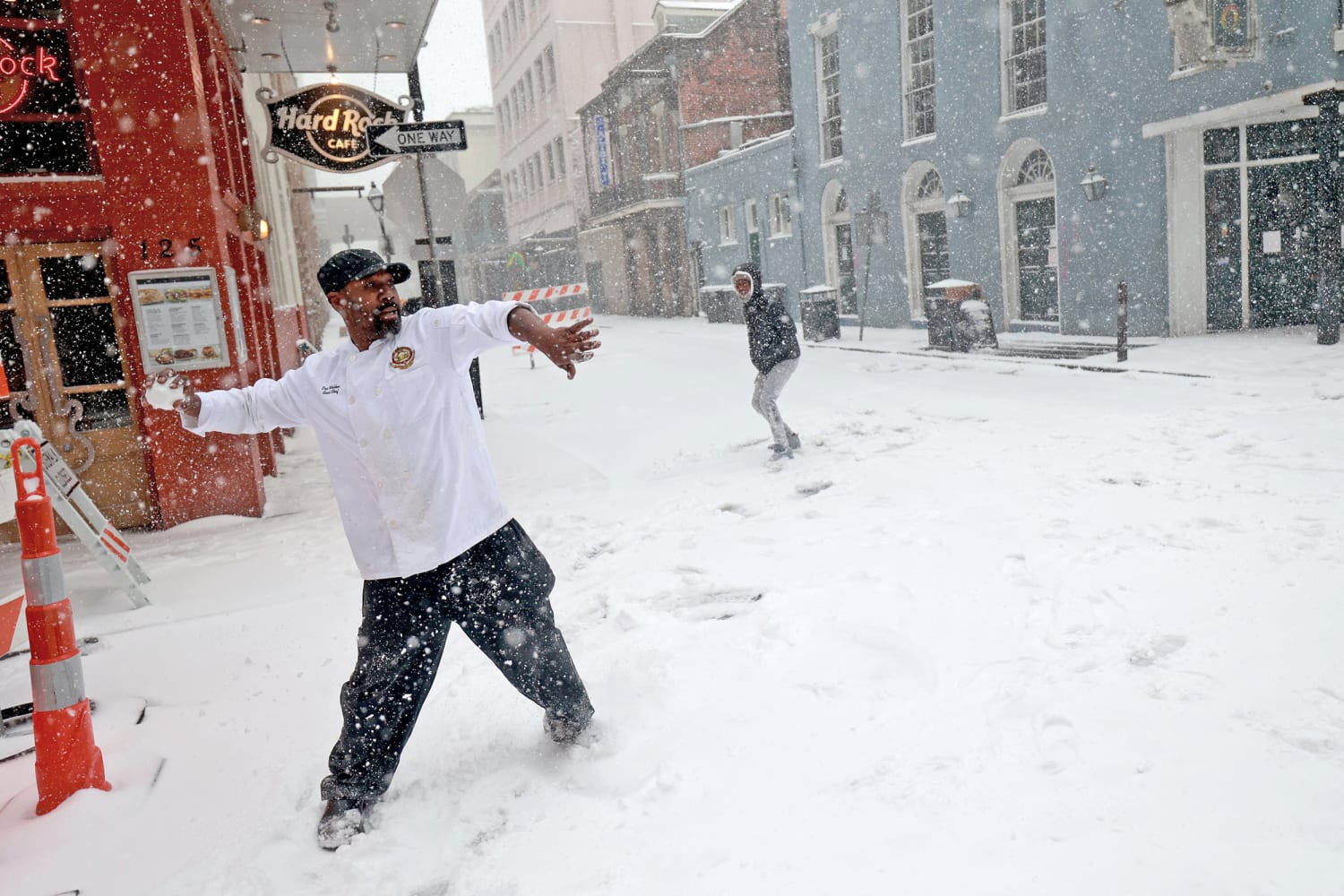
This absence of snow, however, is not a drawback; it is an integral part of New Orleans’ unique charm and year-round appeal as a premier travel destination. Far from seeking icy landscapes, visitors flock to the Crescent City for its sizzling culinary scene, its soulful jazz clubs, its distinctive architecture, and its ceaseless calendar of festivals and celebrations that thrive under a typically mild winter sun. Understanding the climatic realities of New Orleans is key to appreciating its enduring allure and planning an unforgettable trip that embraces its warmth, spirit, and unparalleled cultural tapestry.
The Rarity of a White Christmas in the Crescent City
To truly grasp the unlikelihood of snow in New Orleans, one must first understand its geographical positioning and the prevailing weather patterns that shape its climate. Unlike cities further north in the United States, New Orleans is situated deep in the South, where cold air masses typically lose much of their punch by the time they reach the Gulf Coast.
A Climate Designed for Sunshine and Festivals
New Orleans experiences a humid subtropical climate, characterized by long, hot, and humid summers, and short, mild winters. The city’s proximity to the Gulf of Mexico plays a crucial role, moderating temperatures and providing abundant moisture throughout the year. Winter months, from December to February, generally see average high temperatures ranging from the low to mid-60s Fahrenheit (15-18 degrees Celsius) and average lows in the mid-40s Fahrenheit (7-9 degrees Celsius). While occasional cold fronts can push temperatures lower, sustained freezing conditions, especially those combined with sufficient moisture for snowfall, are exceptionally rare.
For snow to occur, a very specific set of atmospheric conditions must align perfectly. Temperatures must drop to freezing point (32°F or 0°C) from the clouds all the way down to the surface. Simultaneously, there must be enough moisture in the air to form precipitation. In New Orleans, even when cold fronts dip south, the air often dries out considerably, or the ground temperatures remain just above freezing, leading to sleet or freezing rain rather than genuine snow. This climate is, in essence, designed for year-round outdoor activities, lively festivals, and the continuous bloom of tropical flora, rather than for building snowmen or skiing. It’s a climate that lends itself perfectly to outdoor dining, strolling through historic neighborhoods, and enjoying parades – essentially, the very fabric of New Orleans life.
A Glimpse into Snowy History: New Orleans’ Infrequent Encounters
Despite its typical warmth, New Orleans has, on very rare occasions, experienced snowfall. These events are so infrequent that they become etched into the collective memory of the city, recounted with a sense of wonder and disbelief. One of the most significant snowfalls occurred on February 12, 1895, when a massive winter storm blanketed the entire Gulf South, dropping over eight inches of snow in New Orleans. This historic event remains the city’s heaviest recorded snowfall.
Since then, significant accumulations have been few and far between. January 1, 1958, saw several inches fall, creating a memorable “White New Year’s Day.” Another notable event took place on Christmas Eve in 2004, when a light dusting of snow graced the city, creating an almost mythical white Christmas for some residents. Most recently, a very light, brief flurry was observed in December 2017, generating much excitement and countless social media posts, despite barely accumulating. These instances are largely fleeting, often melting upon contact with the relatively warm ground or quickly dissipating within hours. They serve as charming anomalies rather than typical winter occurrences, reinforcing New Orleans’ identity as a warm destination.
Beyond the Blizzard: What Makes New Orleans a Year-Round Destination
Given the negligible chance of snow, travelers to New Orleans focus on what the city truly excels at: providing an unparalleled cultural, culinary, and historical experience. The lack of harsh winters means that the city’s vibrant outdoor life and festive atmosphere can be enjoyed practically any time of year.
A Tapestry of Culture and Celebration
New Orleans is a city that lives and breathes celebration. Its calendar is perpetually brimming with festivals, parades, and live music events, many of which take full advantage of the temperate climate. The most famous, of course, is Mardi Gras, an exuberant pre-Lenten carnival that culminates in Fat Tuesday, attracting millions to witness its elaborate parades and revelry. Following close behind are the world-renowned New Orleans Jazz & Heritage Festival, commonly known as Jazz Fest, celebrating music, food, and culture over two weekends in spring, and the French Quarter Festival, the largest free music festival in the South.
Beyond these marquee events, the city hums with live music every night of the week. From the legendary clubs of Frenchmen Street to the historic Preservation Hall in the French Quarter, the soulful sounds of jazz, blues, and R&B are ubiquitous. The unique blend of Creole and Cajun cultures, influenced by French, Spanish, African, and Caribbean traditions, is evident in every aspect of city life, from its distinctive dialect to its expressive art scene. Walking through the French Quarter with its wrought-iron balconies, or exploring the Garden District’s grand mansions, offers a continuous immersion into a rich, storied past and a vibrant present.
Culinary Delights: A Flavor Profile Unlike Any Other
The culinary landscape of New Orleans is arguably one of its greatest draws. It is a place where food is not just sustenance but an art form, a shared experience, and a vital part of its cultural identity. The city’s cuisine is a tantalizing fusion of flavors, reflecting its diverse heritage. Staples like hearty gumbo, spicy jambalaya, and savory po’boys are legendary, while sweet treats like sugar-dusted beignets paired with a café au lait at Café Du Monde are an essential New Orleans ritual.

Beyond these iconic dishes, the city boasts an impressive array of dining options, from casual eateries to world-renowned fine dining establishments. Historic restaurants like Commander’s Palace, Antoine’s Restaurant, and Galatoire’s offer classic Creole dishes in elegant settings, while newer, innovative restaurants continually push culinary boundaries. Exploring the city’s food scene is an adventure in itself, a journey through flavors that are bold, comforting, and utterly unique to New Orleans.
Navigating New Orleans: Iconic Landmarks and Diverse Accommodations
A visit to New Orleans is a feast for the senses, with countless landmarks and attractions awaiting discovery. Furthermore, the city offers a wide spectrum of accommodation options to suit every taste and budget, ensuring that every traveler finds their ideal home away from home.
Exploring Iconic Landmarks and Attractions
The sheer density of significant sites in New Orleans means that even a short visit can be packed with memorable experiences. The historic French Quarter is, of course, the heart of it all. Here, visitors can wander through the bustling Jackson Square, dominated by the majestic St. Louis Cathedral, explore the vibrant nightlife of Bourbon Street, or browse the unique shops and art galleries along Royal Street.
Beyond the French Quarter, the opulent Garden District offers a stark contrast with its grand antebellum mansions and lush greenery, best explored via a leisurely streetcar ride. Green spaces like Audubon Park and the expansive City Park, home to the New Orleans Museum of Art and the world’s largest collection of mature live oak trees, provide serene escapes. For history buffs, The National WWII Museum is a powerful and moving experience, while the Jean Lafitte National Historical Park and Preserve offers insights into the region’s natural and cultural history, including bayou tours. Other popular attractions include the Audubon Zoo and the Audubon Aquarium of the Americas. These landmarks, rich in history and charm, are accessible and enjoyable regardless of the season, thanks to the city’s mild climate.
Finding Your Perfect Stay: Hotels, Boutique Stays, and Historic Residences
New Orleans offers a diverse range of accommodation options, catering to every style of travel and budget. For those seeking luxury and a touch of grandeur, iconic hotels like The Roosevelt New Orleans and Hotel Monteleone in the French Quarter offer opulent surroundings, top-tier amenities, and a storied history. These hotels often feature elegant suites, exquisite dining, and even rooftop pools, providing a lavish base for exploring the city.
Boutique hotels are also abundant, offering personalized service and unique charm. Many are housed in beautifully restored historic buildings, particularly in the French Quarter, the Central Business District, and the Warehouse District. For a more intimate experience, traditional bed and breakfasts in the Garden District or Faubourg Marigny allow guests to stay in meticulously preserved historic homes, often with charming courtyards and personalized local insights from their hosts. Vacation rentals, including apartments and villas, are also popular, especially for families or longer stays, offering more space and a chance to experience local living. From budget-friendly hostels to lavish resorts, New Orleans ensures that every visitor can find an accommodation that perfectly complements their travel style and enhances their overall experience of this vibrant city.
Planning Your New Orleans Lifestyle Experience
Embracing the New Orleans lifestyle means preparing for its unique climate and cultural rhythm. Without the worry of snow, visitors can focus on immersing themselves in the city’s warmth, both meteorological and metaphorical.
Tips for the Snow-Free Traveler
When planning a trip to New Orleans, the concept of “winter gear” is entirely different from what one might pack for a trip to, say, Colorado or Canada. Instead of heavy coats and snow boots, focus on light layers, comfortable walking shoes, and perhaps a light jacket or sweater for cooler evenings, especially during the mild winter months. Sunglasses and sunscreen are advisable year-round, as the sun can be quite strong.
The best time to visit often depends on personal preference. Spring (March to May) and Fall (September to November) offer the most pleasant weather, with comfortable temperatures and a packed festival schedule. Summers (June to August) are hot and humid, but also less crowded and often more affordable, perfect for those who don’t mind the heat and enjoy indoor attractions or cooling off in hotel pools. It’s wise to book accommodations and popular restaurant reservations well in advance, especially during major festivals like Mardi Gras or Jazz Fest. Getting around New Orleans is easy, with a walkable core, historic streetcars that offer charming transportation, and ride-sharing services widely available.
Embracing the Spirit of the South
The true essence of the New Orleans lifestyle lies in its resilient spirit, its unyielding commitment to hospitality, and its laid-back yet passionate approach to life. It’s a city where strangers often strike up conversations, where music flows freely from open doors, and where the past is honored while the present is lived to the fullest. This distinct character, fostered by centuries of cultural blending and an environment that eschews the starkness of winter, makes New Orleans not just a destination but an experience.
From the enchanting mysticism of Voodoo shops to the bustling stalls of the French Market, and from serene strolls along the Mississippi River to lively evenings on Bourbon Street, New Orleans invites visitors to slow down, savor the moment, and fully immerse themselves in its unique rhythm. It’s a city that promises warmth, not just in its climate, but in the genuine welcome extended by its people, making every visit a discovery and a celebration of life itself.
In conclusion, while the thought of snow in New Orleans remains a charming, almost mythical notion for its residents, the reality is a city that thrives on warmth, humidity, and an endless appetite for life. The infrequent flurries are mere footnotes in a grand narrative of vibrant culture, world-class cuisine, and unparalleled hospitality. So, if you’re seeking a snowy escape, look elsewhere. But if you’re yearning for a destination where the spirit is as warm as the weather, where music is the heartbeat, and every meal is a celebration, then New Orleans awaits, ready to enchant you with its unique, snow-free splendor.
LifeOutOfTheBox is a participant in the Amazon Services LLC Associates Program, an affiliate advertising program designed to provide a means for sites to earn advertising fees by advertising and linking to Amazon.com. Amazon, the Amazon logo, AmazonSupply, and the AmazonSupply logo are trademarks of Amazon.com, Inc. or its affiliates. As an Amazon Associate we earn affiliate commissions from qualifying purchases.