
The question “Is abortion legal in Alabama?” carries significant weight, impacting not only residents but also travelers and those considering relocation. In an era where state laws dictate access to reproductive healthcare, understanding the legal landscape of any destination has become an integral part of travel planning and lifestyle considerations. For a state renowned for its rich history, vibrant culture, and diverse attractions, from the pristine beaches of the Gulf Coast to the historical landmarks of Montgomery and Birmingham, the legal status of abortion presents a crucial piece of information for visitors. This article delves into the current legal standing of abortion in Alabama, examining its evolution and the practical implications for individuals exploring the Heart of Dixie.
The Evolving Legal Landscape: A National Overview
Understanding Alabama’s current position requires a brief look at the national legal framework that has shaped reproductive rights in the United States. For nearly half a century, the landmark ruling of Roe v. Wade in 1973 served as the bedrock of abortion legality across the country, establishing a constitutional right to abortion and limiting states’ abilities to regulate or ban the procedure. This decision, predicated on a woman’s right to privacy, allowed for abortion access nationwide, with regulations varying by trimester.
From Roe v. Wade to Dobbs: A Historical Shift
The legal precedent set by Roe v. Wade profoundly influenced how states approached reproductive healthcare, including for those traveling or seeking accommodation for medical purposes. However, the legal environment underwent a monumental transformation on June 24, 2022, with the U.S. Supreme Court’s decision in Dobbs v. Jackson Women’s Health Organization. This ruling overturned Roe v. Wade, eliminating the federal constitutional right to abortion and returning the authority to regulate or ban abortion to individual states. The Dobbs decision created a patchwork of laws across the nation, where abortion access became highly dependent on geographical location. For travelers, this meant that the legality of abortion could change dramatically simply by crossing state lines, transforming what was once a largely uniform legal standard into a complex and fragmented system.
State Autonomy and the Future of Reproductive Rights
The aftermath of Dobbs immediately activated various “trigger laws” in many states, which were designed to ban or severely restrict abortion if Roe v. Wade were overturned. Other states moved quickly to either protect or restrict abortion access through new legislation or judicial actions. This shift underscores the importance of staying informed about specific state laws, especially for those planning travel, seeking accommodation, or considering lifestyle changes that might involve relocation. The landscape of reproductive rights is now dynamically shaped by state legislative bodies and judicial interpretations, making local legal knowledge paramount for residents and visitors alike.
Abortion Laws in Alabama: Current Status and Exceptions
In the wake of the Dobbs v. Jackson Women’s Health Organization decision, Alabama’s legal stance on abortion has shifted dramatically, moving from a system of regulated access to one of near-total prohibition. This change impacts individuals living in or traveling through the state, necessitating a clear understanding of what is and is not permissible under Alabama law.
Alabama’s Trigger Ban: What It Means Today
Prior to the Dobbs ruling, Alabama had a pre-existing “trigger law” (the Human Life Protection Act of 2019) explicitly designed to go into effect if Roe v. Wade was overturned. Immediately following the Supreme Court’s decision, a federal judge lifted an injunction that had blocked the implementation of this law, effectively making abortion illegal in Alabama.
Under the Human Life Protection Act, performing or attempting to perform an abortion is a Class A felony. This statute criminalizes the act of abortion itself, with severe penalties for healthcare providers. For individuals exploring Alabama’s vibrant cities like Huntsville or Mobile for tourism, or those looking into long-term accommodation for business or leisure, this law fundamentally alters the landscape of healthcare access within the state. It’s a critical consideration for anyone evaluating the lifestyle implications of spending time in Alabama.

Limited Exceptions and the Scope of Care
While Alabama’s abortion ban is one of the most restrictive in the nation, it does contain extremely limited exceptions. The primary exception allows for an abortion when necessary to save the life of the pregnant person. However, these life-saving circumstances are narrowly defined and typically require a high degree of medical certainty.
Crucially, Alabama’s law does not include exceptions for cases of rape or incest. This means that even in situations arising from severe trauma, abortion is prohibited within the state. There are also no exceptions for fetal anomalies or other serious health complications that do not directly threaten the life of the pregnant individual.
The stringency of these laws has significant implications for healthcare decisions and for individuals seeking any form of reproductive care. For instance, while travel to Alabama might be motivated by its beautiful beaches or historical sites, the lack of comprehensive reproductive healthcare options could be a critical factor for certain travelers, particularly those planning extended stays or contemplating family matters. This restrictive legal framework positions Alabama among the states with the tightest abortion bans, a fact that can influence travel choices, accommodation bookings, and overall lifestyle planning for many.

Navigating Alabama’s Legal Environment: Considerations for Travelers and Residents
For anyone considering a trip to, or an extended stay in, Alabama, understanding the state’s legal framework regarding abortion is essential. This information can influence travel decisions, impact access to healthcare, and shape overall lifestyle considerations within the Deep South state.
Planning Your Visit: Understanding Local Laws
Travelers often research local customs, attractions, and safety tips before visiting a new destination. In the post-Dobbs era, understanding local laws, particularly those pertaining to healthcare, has become equally important. For individuals who may need or anticipate needing reproductive healthcare services, Alabama’s near-total ban on abortion means that such services are effectively inaccessible within the state’s borders, except under the most dire, life-saving circumstances.
This reality can influence destination choices for vacationers, business travelers, or those attending events in cities like Tuscaloosa or Auburn. When planning accommodation, whether it’s a luxury suite at The Tutwiler Hotel in Birmingham or a cozy Airbnb in Fairhope, travelers might also need to factor in potential travel to neighboring states where abortion remains legal, such as parts of Florida, Georgia, or Tennessee, should the need for such services arise. This adds a layer of complexity to travel logistics, potentially requiring additional planning for transportation and overnight stays outside of Alabama.
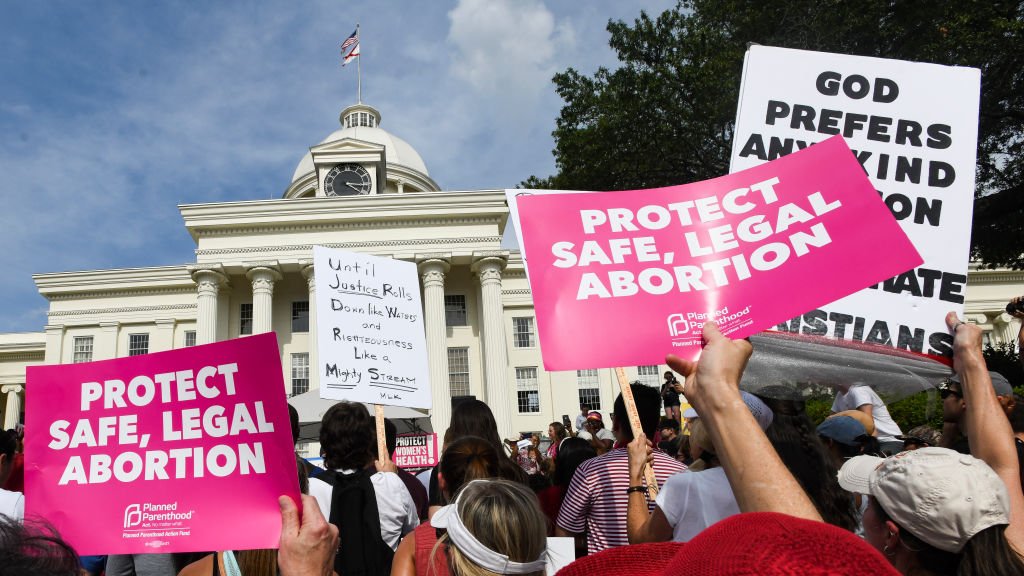
Healthcare Access and Travel Implications
The restrictive nature of Alabama’s abortion laws directly impacts healthcare access for both residents and visitors. For individuals facing an unplanned pregnancy or those with complex medical conditions, the inability to access abortion services within Alabama can necessitate out-of-state travel. This “travel for care” often involves significant financial burdens, including costs for transportation, accommodation (e.g., at hotels like the Renaissance Montgomery Hotel & Spa if transiting, or booking a resort for recovery), and the procedure itself.
Moreover, the time-sensitive nature of abortion care means that delays caused by travel can impact the type of care available. This situation can be particularly challenging for those on a tight budget or with limited time off, highlighting how legal restrictions on abortion can ripple through various aspects of travel and personal well-being. Tourism boards and hospitality providers, while not directly involved in healthcare, may indirectly observe shifts in travel patterns as individuals consider these laws when selecting their destinations.
Lifestyle and Reproductive Freedom in the Heart of Dixie
Beyond immediate healthcare concerns, the legal status of abortion contributes to the broader lifestyle environment of a state. For individuals considering long-term stays, relocation, or even extended business trips to Alabama, the state’s stringent abortion laws can be a significant factor in their decision-making process. The concept of “reproductive freedom” or the ability to make personal decisions about one’s body and family planning, is a core lifestyle consideration for many.
For some, living in a state with highly restrictive abortion laws may conflict with their personal values or affect their sense of security regarding future healthcare needs. This can influence choices about where to settle down, raise a family, or even attend university. Thus, while Alabama offers numerous attractions and a vibrant culture, its legal stance on abortion is an undeniable part of the overall lifestyle package it presents, influencing individuals’ perceptions and decisions about their personal future within the state.
Exploring Alabama: Beyond the Legal Discourse
While the legal discussion around abortion is critical, it’s also important to remember that Alabama offers a wealth of experiences for every type of traveler. From its pivotal role in the Civil Rights Movement to its stunning natural beauty, the state is rich with opportunities for exploration and enjoyment, irrespective of political or legal landscapes.
Birmingham and Beyond: Attractions and Culture
Birmingham, Alabama’s largest city, is a hub of culture, cuisine, and history. Visitors can delve into the impactful story of the Civil Rights Movement at the Birmingham Civil Rights Institute and visit the historic 16th Street Baptist Church. For those interested in unique landmarks and panoramic views, a visit to Vulcan Park and Museum, home to the largest cast iron statue in the world, is a must. The city also boasts a thriving culinary scene, with award-winning restaurants and craft breweries. Beyond Birmingham, Montgomery, the state capital, offers the National Memorial for Peace and Justice and the Legacy Museum, providing profound insights into American history.
Huntsville, in northern Alabama, is known as “Rocket City” and is home to the renowned U.S. Space & Rocket Center, a major draw for families and space enthusiasts alike. Here, you can explore impressive spacecraft, learn about space exploration, and even experience a simulated space mission. For those seeking accommodation with a touch of history, boutique hotels and modern resorts can be found across these cities, catering to diverse preferences and budgets, whether for a quick getaway or a longer stay. Consider exploring various hotels and suites, from well-known chains to charming local establishments that embody the Southern charm of the region.
Natural Wonders and Southern Charm
Alabama’s natural beauty is equally compelling. The Gulf Coast region, including popular destinations like Gulf Shores and Orange Beach, offers miles of pristine white-sand beaches and emerald waters, perfect for relaxation, water sports, and family vacations. Resorts in this area, such as the Grand Hotel Golf Resort & Spa near Fairhope, provide luxurious amenities and breathtaking views, ideal for those seeking a tranquil escape or an active resort experience.
Further inland, outdoor adventurers can explore the highest point in Alabama at Cheaha State Park, offering stunning mountain vistas, hiking trails, and cozy cabins. The Robert Trent Jones Golf Trail stretches across the state, featuring world-class golf courses that attract enthusiasts globally. For those interested in marine life, the Dauphin Island Sea Lab near Mobile offers educational experiences.
Whether you’re planning a luxury retreat, a budget-friendly adventure, a family trip, or a business stay, Alabama’s diverse offerings ensure a memorable experience. From iconic landmarks like the USS Alabama Battleship Memorial Park to unique local spots like the Flora-Bama Lounge & Package on the state line, the opportunities for tourism and leisure are vast. While navigating the legal intricacies of the state is a modern necessity for some travelers, it should not overshadow the rich cultural tapestry and natural splendor that Alabama proudly presents.
In conclusion, abortion is currently illegal in Alabama with very narrow exceptions to save the life of the pregnant individual, a consequence of the Dobbs v. Jackson Women’s Health Organization decision overturning Roe v. Wade. This legal reality has significant implications for residents and travelers alike, influencing healthcare access and lifestyle considerations. However, Alabama’s enduring appeal as a destination for its history, natural beauty, and vibrant culture continues to draw visitors who, armed with full information, can plan their trips to fully enjoy all that the Heart of Dixie has to offer.
LifeOutOfTheBox is a participant in the Amazon Services LLC Associates Program, an affiliate advertising program designed to provide a means for sites to earn advertising fees by advertising and linking to Amazon.com. Amazon, the Amazon logo, AmazonSupply, and the AmazonSupply logo are trademarks of Amazon.com, Inc. or its affiliates. As an Amazon Associate we earn affiliate commissions from qualifying purchases.