
New Orleans, a city steeped in captivating history, vibrant culture, and unparalleled charm, beckons millions of travelers each year. From the soulful strains of jazz drifting through cobblestone streets to the tantalizing aromas of Creole cuisine, the Crescent City offers an experience unlike any other in the United States. However, like many bustling urban centers, questions about safety naturally arise for prospective visitors. Is this jewel of Louisiana truly safe for tourists to explore? The answer, while nuanced, leans heavily towards a resounding yes, provided travelers exercise common sense and adhere to practical safety guidelines.
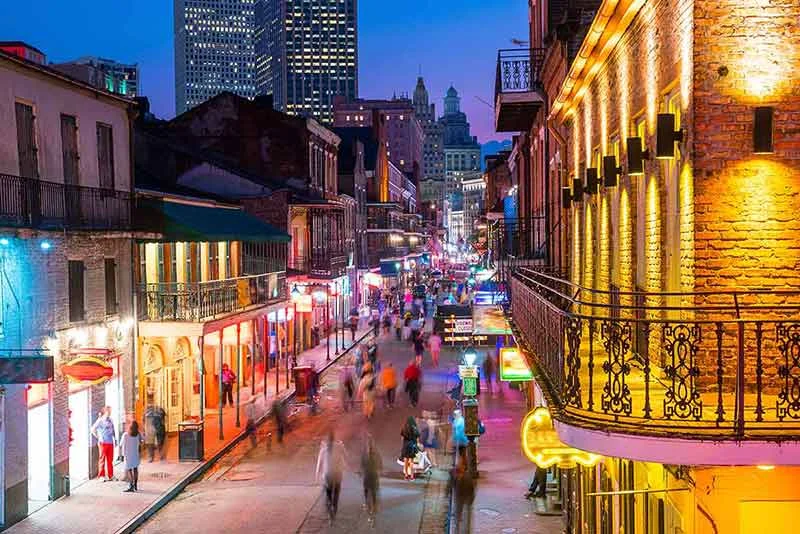
Understanding safety in New Orleans involves differentiating between the city’s overall crime statistics and the realities of its tourist-heavy areas. While local crime rates might seem high when viewed broadly, the vast majority of these incidents do not impact visitors in the primary tourist zones. The areas where most tourists spend their time—such as the French Quarter, Garden District, and Central Business District—are generally well-patrolled and accustomed to welcoming guests. The local economy thrives on tourism, meaning there is a concerted effort by law enforcement, businesses, and residents to ensure these areas remain secure and inviting.
This comprehensive guide aims to equip you with the knowledge and tips necessary to navigate New Orleans confidently, ensuring your visit is filled with unforgettable memories rather than unwelcome incidents. From choosing the right accommodation to understanding local transportation, we’ll delve into how you can make your travel experiences safe, enjoyable, and authentically New Orleans.
Navigating New Orleans Safely: Essential Tips for Travelers
Responsible travel begins with preparation and continues with vigilance on the ground. For a city as dynamic as New Orleans, being informed is your best defense.
Before You Go: Preparation is Key
Before you even pack your bags, a little foresight can significantly enhance your safety. Researching your destination is a cornerstone of smart travel, and New Orleans is no exception.
- Research Neighborhoods Thoroughly: Not all neighborhoods are created equal when it comes to tourist safety. Familiarize yourself with the areas you plan to visit and where your accommodation is located. Websites dedicated to travel and local tourism often provide insights into the general vibe and safety of different districts. Knowing which areas are bustling tourist hubs and which are more residential or less frequented by visitors, especially after dark, is crucial.
- Consider Travel Insurance: While not directly a safety measure against crime, travel insurance offers peace of mind. It can cover medical emergencies, trip cancellations, lost luggage, and sometimes even incidents of theft. For any significant trip, especially one involving air travel and hotel bookings, this is a wise investment.
- Share Your Itinerary: Always let a trusted friend or family member know your travel plans, including flight details, accommodation information, and planned activities. Checking in periodically can provide an additional layer of security, ensuring someone knows your whereabouts.
- Secure Your Valuables: Before leaving home, make digital copies of important documents like your passport, driver’s license, and credit cards. Store them securely on a cloud service or email them to yourself, separate from your physical wallet. Avoid carrying unnecessary valuables or excessive amounts of cash.
During Your Stay: On-the-Ground Safety
Once you arrive, adapting to the local environment with a safety-first mindset is paramount. New Orleans is a city best explored with an open mind, but also with an attentive eye.
- Maintain Situational Awareness: This is perhaps the most important tip for any traveler. Be aware of your surroundings, especially in crowded areas like the French Quarter or on public transportation. Avoid distractions like constantly looking at your phone. Trust your instincts; if a situation or area feels off, remove yourself from it.
- Protect Your Possessions: Pickpocketing can occur in any busy tourist destination. Carry your wallet in a front pocket, use a cross-body bag that zips, and never leave your phone or bag unattended. Be extra cautious in crowded venues, during festivals like Mardi Gras or Jazz Fest, and on public transport.
- Smart Transportation Choices:
- Walking: While delightful during the day, avoid walking alone at night, especially on dimly lit streets or through unfamiliar neighborhoods. Stick to well-trafficked and brightly lit areas.
- Taxis and Ride-Shares: Use reputable taxi services or popular ride-sharing apps. Always verify the vehicle and driver match the information provided by the app before entering. Share your ride details with a friend if possible.
- Public Transportation: The streetcars are a charming way to explore, but always be mindful of your belongings and surroundings, particularly during off-peak hours or late at night.
- Nightlife Precautions: New Orleans’ nightlife is legendary, but responsible enjoyment is key.
- Alcohol Consumption: Drink responsibly and be mindful of your limits. Impaired judgment can make you an easier target. Never leave your drink unattended.
- Group Travel: If traveling with friends, stick together, especially when moving between venues.
- Leaving Bars/Clubs: Always use a taxi or ride-share service to return to your accommodation after dark, rather than walking long distances.
- Emergency Contacts and Resources: Know how to contact local authorities (911 in the United States) and have your hotel’s address and phone number readily available. Consider carrying a small, personal alarm for emergencies.
- Weather Safety: New Orleans is prone to hot, humid weather and occasional severe storms, including hurricanes. Stay hydrated, use sunscreen, and monitor local weather forecasts, especially during hurricane season (June to November). Heed all local advisories.
Exploring New Orleans: Safe Neighborhoods and Areas to Exercise Caution
Part of the charm of New Orleans lies in its distinct neighborhoods, each offering a unique flavor. Knowing which areas are typically safe for tourists can help you plan your explorations confidently.
Safest Neighborhoods for Tourists and Residents
Many of the city’s most popular areas are also its safest, benefiting from high foot traffic, visible security, and a strong community commitment to tourism.

- The French Quarter: As the historical heart of New Orleans, the French Quarter is heavily patrolled and generally safe during the day and early evening. Iconic landmarks like Jackson Square and St. Louis Cathedral are bustling with activity. Even Bourbon Street, while raucous at night, sees a strong police presence. However, exercise caution with your belongings in crowds and avoid walking alone on less-trafficked side streets late at night.
- Garden District: Famous for its stunning antebellum mansions and lush greenery, the Garden District is considered one of the safest and most affluent neighborhoods. It’s perfect for leisurely strolls during the day and offers a tranquil escape from the bustling city center.
- Uptown: Home to universities like Tulane and Loyola, Uptown is a vibrant, safe, and family-friendly area. It boasts beautiful parks like Audubon Park and a plethora of local shops and restaurants.
- Central Business District (CBD) & Warehouse District: These districts house many modern hotels, upscale restaurants, and attractions like the National WWII Museum. They are generally safe, well-lit, and busy during the day and evening, especially around convention centers and hotels.
- Marigny & Bywater: Adjacent to the French Quarter, these neighborhoods are known for their colorful Creole cottages, live music venues, and bohemian vibe. While increasingly popular with tourists, especially Frenchmen Street in the Marigny, they require slightly more awareness than the French Quarter after dark, particularly on less-trafficked residential streets further into the Bywater.
Areas Where Extra Vigilance is Advised
While the focus should be on enjoying the beauty of New Orleans, it’s equally important to be aware of areas that might require extra caution, especially at night.
- Tremé: As one of the oldest African-American neighborhoods in the United States and a cradle of jazz, Tremé holds immense cultural significance. While parts are being revitalized and are welcoming, it’s generally advisable to visit during the day for cultural tours and be more cautious after dark, especially deeper into residential areas.
- Beyond the Tourist Corridors: Generally, straying far from the main tourist arteries into purely residential or industrial zones, particularly at night, increases potential risks. If you find yourself in an unfamiliar area that feels deserted or poorly lit, it’s best to turn back or take a taxi/ride-share.
- Poorly Lit Streets: Regardless of the neighborhood, any street that is poorly lit or appears deserted at night should be avoided. Stick to well-lit paths where there are other people.
General Safety Around Landmarks and Attractions
Even in popular spots, basic safety practices are key. When visiting places like City Park, the New Orleans Museum of Art, or enjoying a stroll along the Mississippi River, maintain awareness and keep your belongings secure. Large crowds can sometimes attract petty thieves, so always be mindful of your bag and pockets, especially when distracted by the beauty and excitement around you.
Accommodation and Lifestyle: Making Safe Choices
Your choice of accommodation and how you engage with the local lifestyle can significantly impact your sense of security and overall travel experience.
Choosing Safe Hotels and Accommodations
When booking your stay, consider safety as a primary factor, alongside amenities and price. The website’s focus on Hotels, Suites, Resorts, and Apartments highlights the importance of this decision.
- Location, Location, Location: As mentioned, staying in well-known, tourist-friendly neighborhoods like the French Quarter, Garden District, Uptown, CBD, or Warehouse District is advisable. These areas offer better lighting, more foot traffic, and easier access to safe transportation.
- Security Features: Look for hotels or accommodations that boast visible security measures. This includes secure entry systems, well-lit parking areas, and a visible staff presence, particularly at night. Many reputable hotels in New Orleans offer concierge services and 24-hour front desks, which can be invaluable for advice or assistance.
- Read Reviews Carefully: Before booking, delve into online reviews, especially those mentioning safety, neighborhood quietness, and overall security. Past guests often provide candid insights into their experiences. This aligns with the website’s focus on Reviews and Comparison for accommodations.
- Villas and Long-term Stays: If opting for a private villa or a long-term apartment rental, ensure the property management has clear communication channels and emergency procedures. Verify the neighborhood’s reputation for safety, especially if you plan to walk frequently.
Enjoying New Orleans Lifestyles Responsibly
New Orleans offers a unique Lifestyle experience, from Luxury Travel to Budget Travel. Embracing it safely means making conscious choices.
- Food and Drink Safety: Savor the incredible culinary scene, but choose reputable establishments. Be mindful of food handling practices, especially from street vendors, though most are highly regulated during festivals. Drink tap water or bottled water to stay hydrated.
- Responsible Partying: The city’s lively atmosphere can be intoxicating. Partake in the festivities, but always know your limits. Avoid walking home alone late at night, especially after consuming alcohol.
- Family Travel Considerations: New Orleans is a fantastic destination for Family Trips, offering attractions like the Audubon Zoo and the Aquarium of the Americas. When traveling with children, ensure they understand basic safety rules, such as staying close to adults and not wandering off in crowds. Consider family-friendly tours and activities during the day.
- Business Traveler Tips: For those on Business Stays, stick to corporate-friendly districts like the CBD and Warehouse District, which offer convenient access to conference centers and corporate offices. Utilize hotel services for transportation and always inform colleagues or family of your whereabouts, especially when attending evening events.
Conclusion: Experiencing New Orleans with Confidence
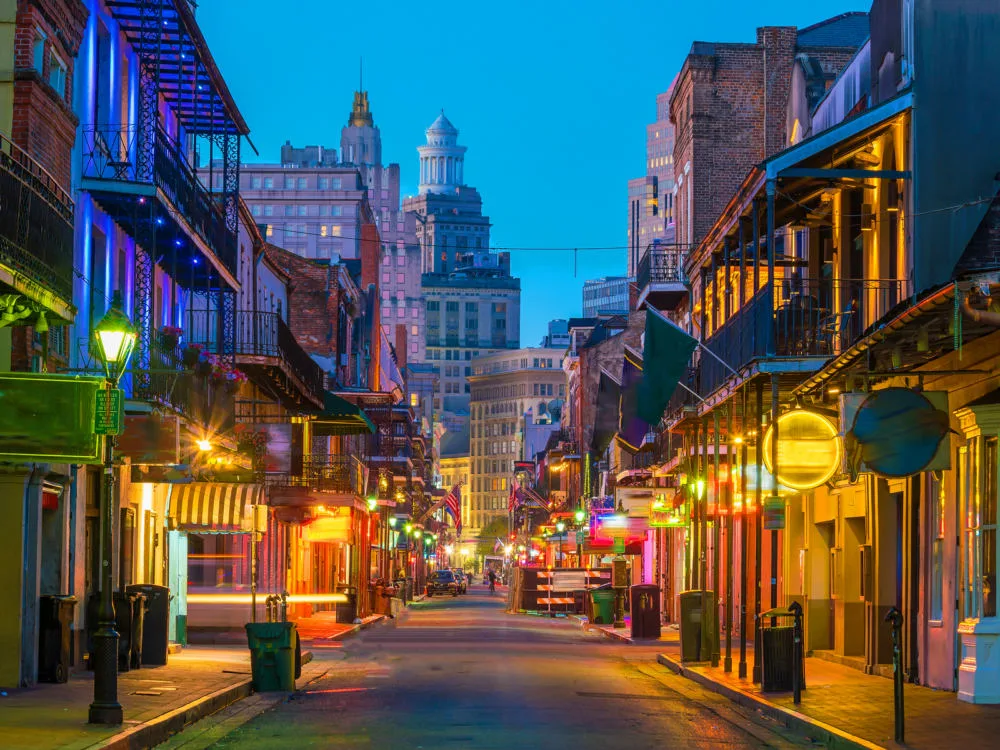
Ultimately, the question “Is it safe in New Orleans?” can be answered with a qualified yes. Like any major city, it has its challenges, but the vast majority of visitors enjoy their time without incident by exercising common sense and adhering to basic safety precautions. The city’s spirit, resilience (evident in its recovery from events like Hurricane Katrina), and welcoming nature shine through, offering a profoundly enriching travel experience.
By choosing reputable accommodations, being aware of your surroundings, making smart transportation choices, and enjoying the vibrant New Orleans lifestyle responsibly, you can immerse yourself fully in its unique rhythm. From the historic French Quarter to the elegant Garden District, the Crescent City is ready to enchant you with its music, food, and unforgettable Tourism. Travel with confidence, and let the magic of New Orleans unfold before you, leaving you with memories to cherish for a lifetime.
LifeOutOfTheBox is a participant in the Amazon Services LLC Associates Program, an affiliate advertising program designed to provide a means for sites to earn advertising fees by advertising and linking to Amazon.com. Amazon, the Amazon logo, AmazonSupply, and the AmazonSupply logo are trademarks of Amazon.com, Inc. or its affiliates. As an Amazon Associate we earn affiliate commissions from qualifying purchases.