
Florida, often affectionately known as the Sunshine State, is a premier destination that captivates millions of visitors each year with its stunning beaches, vibrant cities, world-class theme parks, and diverse cultural experiences. From the historic streets of St. Augustine to the pulsating nightlife of Miami, and the magical realms of Orlando, Florida offers an unparalleled variety of travel opportunities. For anyone planning a trip, relocating, or simply curious about the logistical fabric of this expansive state, understanding its area codes is more than just a matter of dialing; it’s a window into its geographical and cultural subdivisions.

Area codes serve as digital signposts, guiding calls to specific regions and connecting people to local communities. In a state as vast and populous as Florida, with its bustling urban centers and tranquil coastal towns, a multitude of area codes are in use, reflecting its significant growth and the intricate network of its telecommunications infrastructure. For travelers, knowing the area code of their destination can be surprisingly practical, whether they’re looking to book a hotel, find local attractions, or simply call for a reservation at a charming local restaurant. This comprehensive guide will explore the various area codes of Florida, mapping them to their respective regions and offering insights into how this knowledge can enhance your travel experience across the Sunshine State.
Understanding Florida’s Area Codes: A Digital Map of the Sunshine State
The system of area codes is fundamental to telephone communication, segmenting large geographical areas into smaller, manageable dialing regions. In Florida, this system has evolved significantly over the decades, driven by population growth and the ever-increasing demand for phone numbers. For the discerning traveler or a potential new resident, understanding these codes is not just about making calls; it’s about grasping the geographical layout and the distinct character of each region.
The Basics: Why Area Codes Matter for Travelers and Residents
An area code is the initial three-digit number that precedes a seven-digit local phone number, forming a complete ten-digit dialing sequence for long-distance calls within North America. Originally implemented to manage the burgeoning demand for telephone services, area codes help route calls efficiently. For visitors to Florida, familiarizing themselves with these codes can offer several practical advantages. It assists in identifying the geographical origin of a phone number, which can be crucial when dealing with accommodation bookings, inquiring about local tourism services, or confirming details for specific attractions. For instance, knowing that a certain hotel chain’s Orlando branch will likely have a 407 or 689 area code can provide an immediate sense of its location, streamlining the planning process.
Furthermore, in some areas, particularly in densely populated urban centers, area code overlays have been introduced. This means that two or more area codes serve the same geographic region, requiring ten-digit dialing even for local calls. This is a common occurrence in Florida’s major metropolitan areas like Miami and Orlando, and it’s an important detail for travelers to note to avoid missed connections or dialing errors. Understanding these nuances simplifies communication and helps visitors seamlessly integrate into the local communication landscape, whether they are on a luxury travel excursion or a budget travel adventure.
A Comprehensive List of Florida’s Area Codes and Their Regions
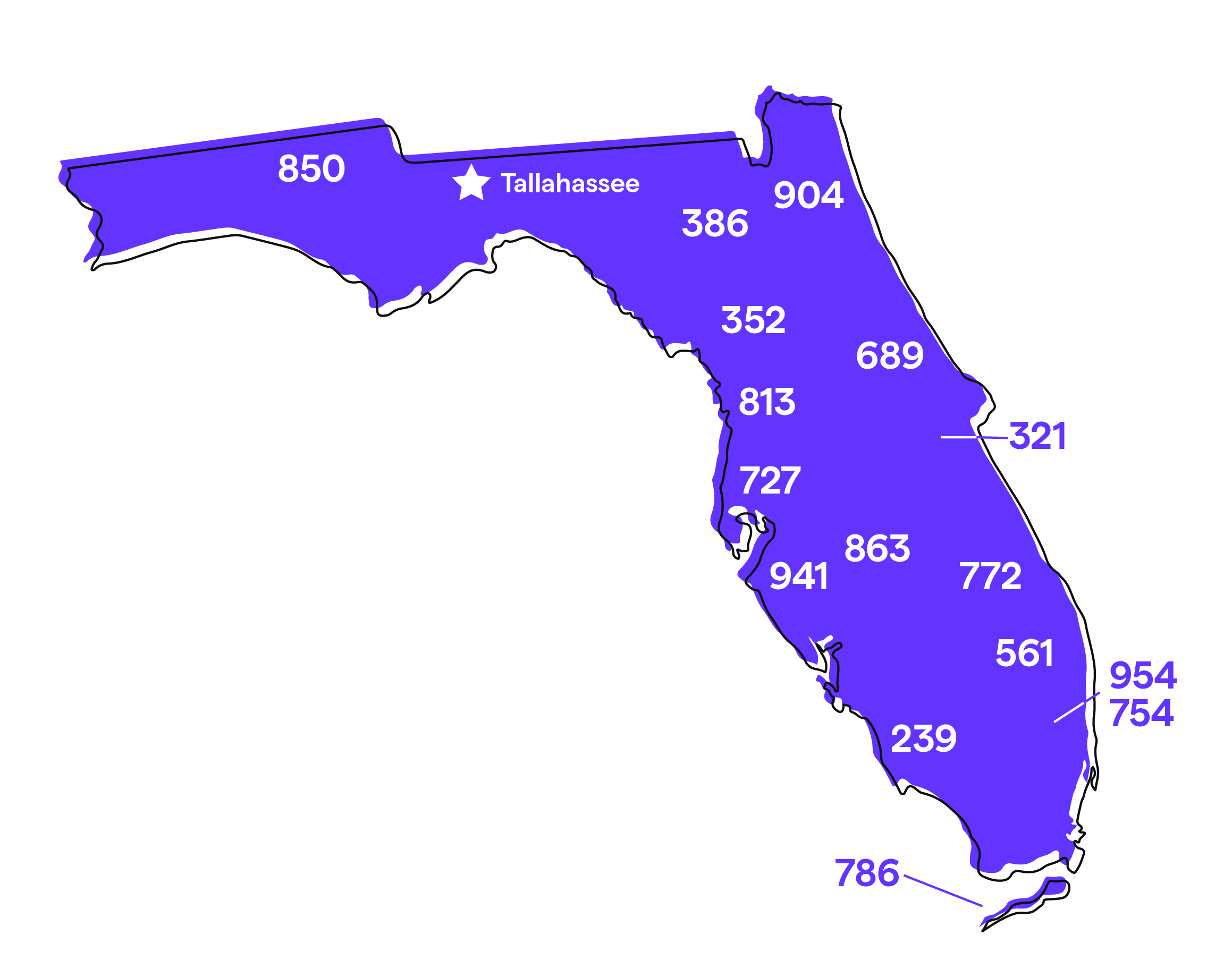
Florida is served by a multitude of area codes, each delineating distinct geographical sections of the state. These codes are not merely arbitrary numbers; they are historical markers and practical tools for navigating the diverse landscapes and bustling cities. The primary area codes, along with their associated regions, offer a clear framework for understanding the state’s telecommunication map.
- 239: Primarily covers Southwest Florida, including cities such as Fort Myers, Naples, Cape Coral, and Everglades City. This region is known for its beautiful Gulf Coast beaches and nature preserves.
- 305/786: These codes serve Miami-Dade County and the Florida Keys, encompassing the vibrant metropolis of Miami and the picturesque islands stretching down to Key West. The 786 code is an overlay for the original 305.
- 321/407/689: These are the codes for the Orlando metropolitan area and much of Central Florida, including Kissimmee and Melbourne. The 321 code uniquely also serves the Space Coast (like Cape Canaveral) and overlays parts of 407. The 689 is the newest overlay for the entire region. This area is famous for its theme parks and proximity to the Kennedy Space Center.
- 352: Covers a large central and northern part of Florida, including cities like Gainesville, Ocala, and parts of the Nature Coast. This region is known for its equestrian activities and natural springs.
- 386: Stretches across the northeast and north-central parts of Florida, serving areas such as Daytona Beach, Palm Coast, and Lake City. It’s a popular spot for motorsports and beautiful beaches.
- 448/850: The panhandle region of Florida is predominantly served by 850, encompassing Tallahassee, Pensacola, Panama City, and Destin. The 448 code is an overlay for 850, reflecting the growing population in this scenic area known for its emerald waters and white sands.
- 561: This code covers Palm Beach County in Southeast Florida, including West Palm Beach, Boca Raton, and Boynton Beach. It’s a hub for luxury living and upscale resorts.
- 656/813: These codes are dedicated to the Tampa Bay area on the Gulf Coast, including Tampa itself and surrounding communities. The 656 is an overlay for the original 813, necessary due to the region’s rapid expansion.
- 727: Exclusively serves Pinellas County on the Gulf Coast, featuring St. Petersburg, Clearwater, and other coastal cities renowned for their beaches and vibrant arts scenes.
- 754/954: These codes cover Broward County in Southeast Florida, specifically Fort Lauderdale and its surrounding areas. 754 is an overlay for 954, serving the bustling coastal stretch between Miami and Palm Beach.
- 772: Covers the Treasure Coast region on the Atlantic side, including Port St. Lucie, Vero Beach, and Sebastian. This area is known for its natural beauty and less crowded beaches.
- 863: Serves a large inland area of South Central Florida, including Lakeland, Winter Haven, and Lake Wales. This region is the heart of Florida’s citrus industry and home to LEGOLAND Florida Resort.
- 904: Dedicated to Northeast Florida, covering Jacksonville, St. Augustine, and Fernandina Beach. This historic and rapidly growing region offers a blend of urban sophistication and coastal charm.
- 941: Encompasses the Bradenton-Sarasota metropolitan area on the Gulf Coast, including Sarasota, Bradenton, and Port Charlotte. Known for its cultural venues and stunning barrier islands.
Beyond the Digits: Area Codes and Florida’s Diverse Destinations
Each cluster of area codes tells a story about the region it serves, hinting at its population density, economic drivers, and unique appeal. For travelers, these codes are more than just numbers; they are gateways to understanding the distinct personalities of Florida’s many destinations, from bustling urban centers to serene natural landmarks.
Miami and Southeast Florida: The Vibrant Hubs (305, 786, 954, 754, 561)
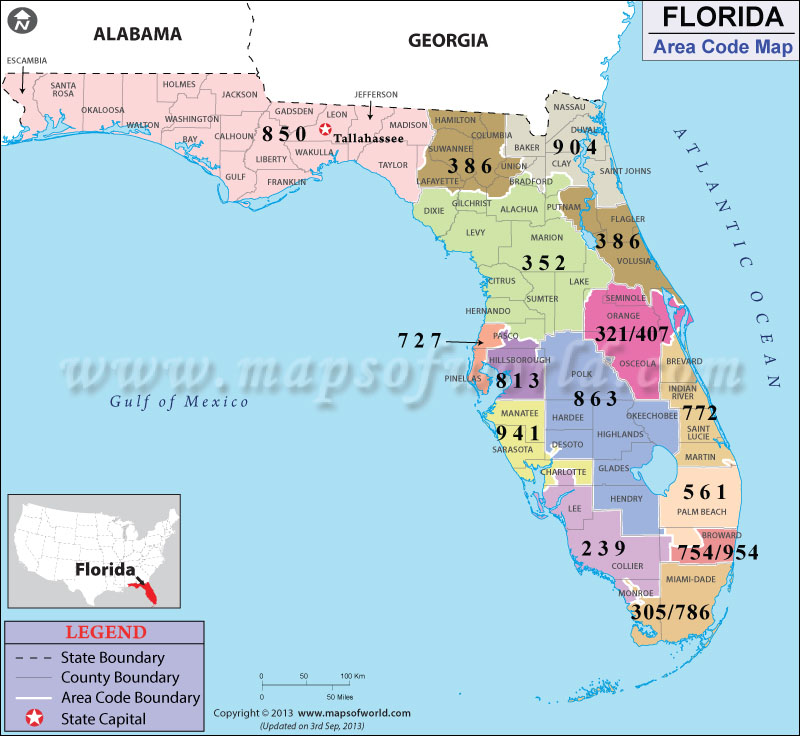
Southeast Florida is a dynamic tapestry of cultures, luxury, and entertainment, primarily served by area codes 305/786 (for Miami-Dade County and the Florida Keys), 954/754 (for Broward County), and 561 (for Palm Beach County). Miami, with its iconic South Beach, art deco architecture, and Latin American flair, offers an unparalleled lifestyle experience. Visitors can explore world-class hotels like the Fontainebleau Miami Beach or boutique stays in Little Havana, indulging in exquisite dining and vibrant nightlife. Further north, Fort Lauderdale, often dubbed the “Venice of America,” boasts an extensive canal system, pristine beaches, and a thriving arts scene, with many resorts and apartments perfect for longer stays. West Palm Beach, an elegant city, serves as a gateway to Palm Beach, home to luxurious estates and high-end shopping on Worth Avenue. When planning a trip to these areas, understanding the specific area codes helps in local navigation and communication, connecting you with local guides, transportation, and the myriad of unique experiences available.
Orlando and Central Florida: Theme Parks and More (407, 689, 321)
Central Florida, dominated by the 407, 689, and 321 area codes, is synonymous with magical vacations. Orlando is the undisputed theme park capital of the world, hosting Walt Disney World Resort, Universal Orlando Resort, and SeaWorld Orlando. Families on family trips will find an abundance of hotels and suites ranging from budget-friendly options to elaborate themed resorts within these area codes. Beyond the parks, Central Florida also offers airboat rides through the Everglades, charming historic towns like Winter Park, and the nearby Space Coast (321 area code), where the Kennedy Space Center Visitor Complex offers awe-inspiring insights into space exploration. For business stays, Orlando also boasts one of the largest convention centers in the world, surrounded by a multitude of accommodation choices and dining experiences.
Tampa Bay and Southwest Florida: Coastal Charm (813, 656, 727, 941, 239)
The Gulf Coast of Florida presents a different kind of allure, with area codes 813/656 (Tampa Bay), 727 (St. Petersburg/Clearwater), 941 (Sarasota/Bradenton), and 239 (Fort Myers/Naples) guiding you through its sun-kissed shores. Tampa is a bustling port city offering a blend of historic charm, particularly in Ybor City, and modern attractions like Busch Gardens Tampa Bay. Across the bay, St. Petersburg is celebrated for its vibrant arts scene, including the renowned Dalí Museum, and pristine beaches of Clearwater. Further south, Sarasota offers cultural sophistication with its performing arts venues and the famous The Ringling museum. The southwest region, with Fort Myers and Naples, is renowned for its championship golf courses, upscale villas, and unspoiled natural beauty, including access to the Ten Thousand Islands. This region is perfect for those seeking relaxation, outdoor activities, and a taste of Florida’s laid-back coastal lifestyle.
Northern Florida and the Panhandle: History and Natural Beauty (904, 386, 850, 448)
The northern reaches and the panhandle of Florida, covered by area codes 904 (Jacksonville/St. Augustine), 386 (Daytona Beach/Palm Coast), and 850/448 (Tallahassee/Pensacola), offer a glimpse into the state’s rich history and diverse natural landscapes. Jacksonville, the largest city by land area in the contiguous United States, provides urban amenities, beautiful beaches, and a vibrant riverfront. Just south, St. Augustine, the nation’s oldest continuously inhabited European-established settlement, enchants visitors with its colonial architecture and cobblestone streets, and historic landmarks like the Castillo de San Marcos. The panhandle, from the capital city of Tallahassee to the historic port of Pensacola and the stunning emerald coast beaches of Destin and Panama City Beach, is characterized by its Southern charm, military history, and breathtaking state parks. Accommodation options here range from charming bed and breakfasts to family-friendly beach resorts, making it ideal for those seeking a more relaxed yet culturally rich tourism experience amidst pristine nature.
Planning Your Florida Trip: How Area Codes Influence Your Experience
For any traveler, whether embarking on a solo adventure, a romantic getaway, or a bustling family trip, meticulous planning is key to a smooth journey. Understanding Florida’s area codes is a small yet significant detail that can enhance your preparation and on-the-ground experiences, particularly when it comes to accommodation and local navigation.
Choosing Accommodation and Navigating Regions
When searching for the perfect hotel, resort, or villa in Florida, understanding area codes can significantly streamline your booking process. For example, if you’re set on a Walt Disney World Resort vacation, knowing that the 407/689 area codes signify Orlando and its immediate surroundings helps you filter search results more effectively. Similarly, seeking out numbers with 305/786 ensures you’re looking at properties in the bustling Miami area or the charming Florida Keys, allowing for better comparison and informed decisions. Many online accommodation platforms allow for geographic searches, but having this foundational knowledge provides an extra layer of confidence in confirming locations, especially for smaller, local businesses or unique long-term stay options like vacation rentals. Moreover, if you plan to travel between different regions, like from the Tampa Bay area (813/656) to the Southwest Florida coast (239), being aware of the distinct area codes helps you mentally map out your journey and anticipate local dialing requirements. This level of detail is particularly useful for those managing a budget travel plan, where local knowledge can lead to discovering hidden gems outside the main tourist traps.
Local Insights: Emergency Services and Business Contacts
Beyond accommodation, area codes are vital for connecting with local services, which is crucial for any tourism experience. Whether you need to call a local taxi, make restaurant reservations, inquire about specific attractions, or seek medical assistance, knowing the local area code simplifies the process. While 911 is the universal emergency number across the United States and doesn’t require an area code, for non-emergency services, local business numbers often start with the area code of their region. For instance, if you’re enjoying the local culture and vibrant food scene in St. Petersburg, you’ll likely encounter numbers beginning with 727. This familiarity aids in navigating daily interactions and ensures you can quickly connect with necessary local contacts, whether it’s a guide for a fishing charter or a local tourism office for tips on the best activities. For business stays or those relocating, understanding the full array of area codes across Florida is even more critical for setting up utilities, banking, and professional networking, enabling a seamless transition into the Sunshine State lifestyle.
In conclusion, the area codes of Florida are much more than mere telephone prefixes; they are integral to the state’s identity and an invaluable tool for anyone looking to explore its diverse offerings. From the bustling streets of Miami to the tranquil beaches of the panhandle, these numerical identifiers help define and connect the vibrant communities that make Florida such a captivating place to visit and live. Armed with this knowledge, your next journey through the Sunshine State is sure to be even more informed and enjoyable.
LifeOutOfTheBox is a participant in the Amazon Services LLC Associates Program, an affiliate advertising program designed to provide a means for sites to earn advertising fees by advertising and linking to Amazon.com. Amazon, the Amazon logo, AmazonSupply, and the AmazonSupply logo are trademarks of Amazon.com, Inc. or its affiliates. As an Amazon Associate we earn affiliate commissions from qualifying purchases.