
The French Quarter, also known as the Vieux Carré, is the oldest and most iconic neighborhood in the vibrant city of New Orleans, Louisiana, in the United States. More than just a collection of streets and buildings, it is the beating heart of the city’s rich history, diverse culture, and unparalleled charm. A visit to New Orleans is intrinsically linked to exploring the French Quarter, as it encapsulates the essence of what makes this Southern gem so unique and captivating for travelers worldwide.
This historic district, established in 1718 by Jean-Baptiste Le Moyne de Bienville, has miraculously retained much of its 18th and 19th-century architecture and character, despite facing numerous challenges over the centuries, including devastating fires and the relentless march of modern development. Its streets hum with a symphony of jazz music, the aroma of Creole and Cajun spices, and the visual feast of ornate cast-iron balconies that are instantly recognizable. For those seeking a truly immersive travel experience, the French Quarter offers an intoxicating blend of history, gastronomy, music, and an undeniable spirit that makes it a must-visit destination. Whether you’re a history buff, a culinary enthusiast, a music lover, or simply a curious traveler, the French Quarter promises an unforgettable journey into a world unlike any other. It’s a place where every cobblestone has a story, every building whispers tales of old, and every corner offers a new discovery, cementing its status as a premier landmark and a global tourism hotspot.
A Journey Through History and Architecture
The very fabric of the French Quarter is woven with threads of its complex and compelling history, reflected vividly in its distinctive architectural style. Initially founded by the French, the district underwent a significant transformation under Spanish rule after the devastating fires of 1788 and 1794. These events necessitated a complete rebuilding, and the resulting structures fused elements of both French and Spanish colonial architecture, giving rise to the unique Creole style that defines the neighborhood today. This rich historical tapestry makes the French Quarter a living museum, inviting visitors to step back in time and explore the stories embedded within its very foundations.
Tracing its European Roots
The initial layout of the French Quarter by engineer Adrien de Pauger adhered to a grid system, a common practice for colonial urban planning. However, it was the subsequent Spanish influence that truly shaped its enduring character. The strict building codes imposed by the Spanish after the fires mandated the use of fire-resistant materials like stucco-covered brick, replacing the earlier wooden structures. This shift, combined with the Spanish preference for courtyards and intricate ironwork, gave the French Quarter its signature look. The blend of French influence in street names and general layout, combined with the Spanish architectural overlay, created a distinct cultural melting pot that is palpable even today. Walking through the Quarter is an exploration of these interwoven histories, offering insights into the colonial past of New Orleans.
Architectural Marvels: Iron Lace and Courtyards
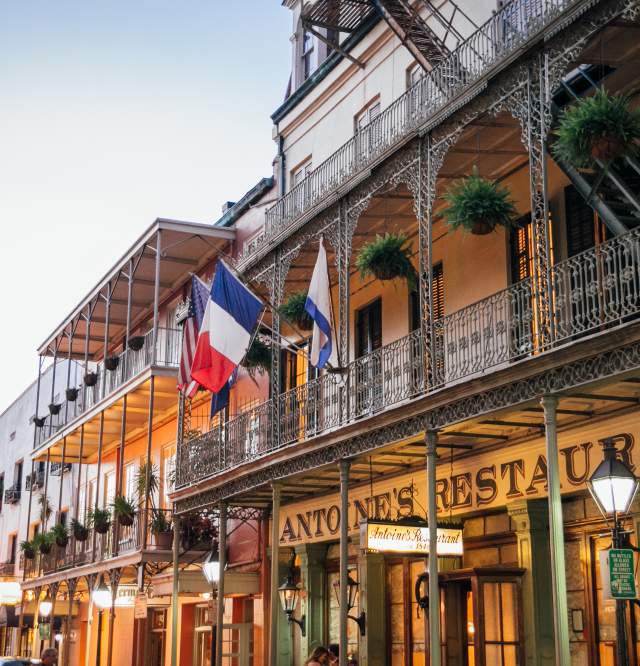
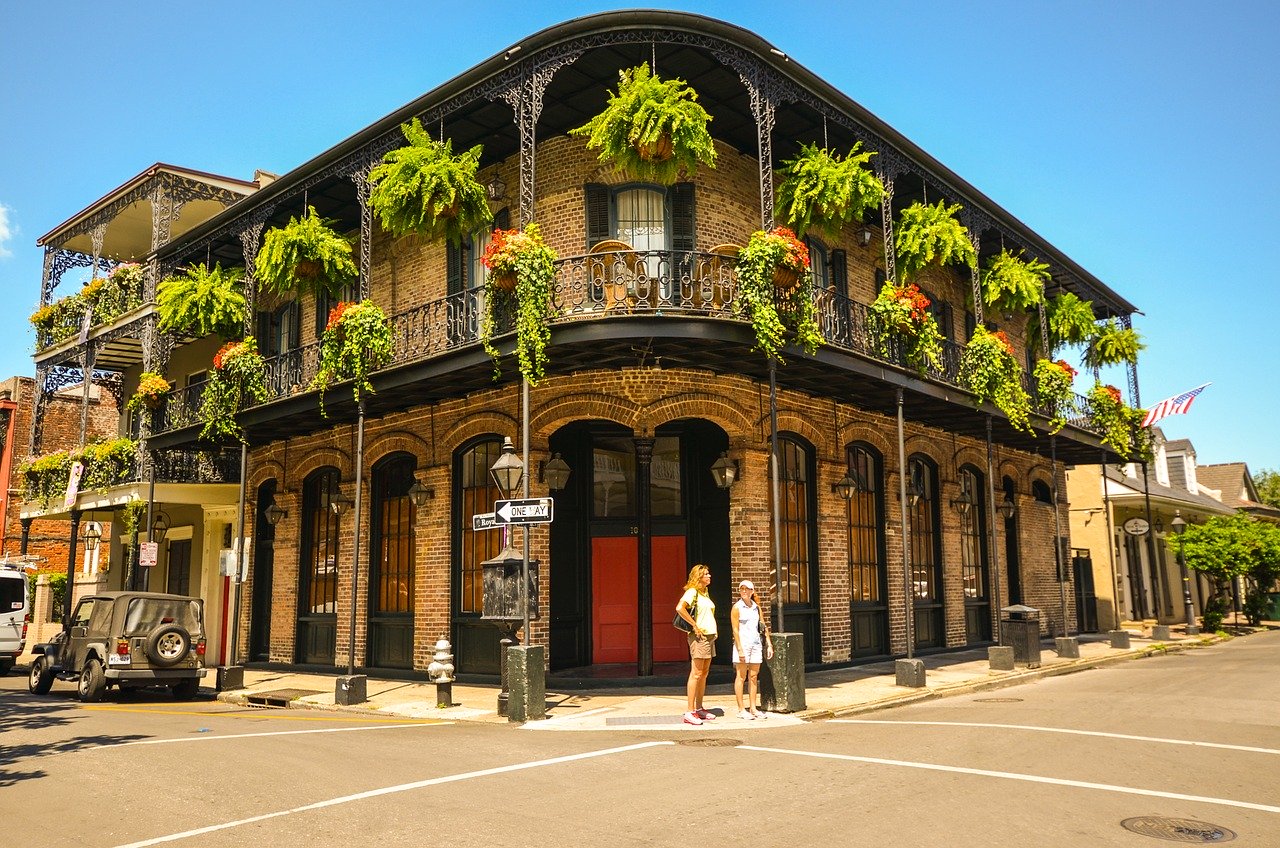
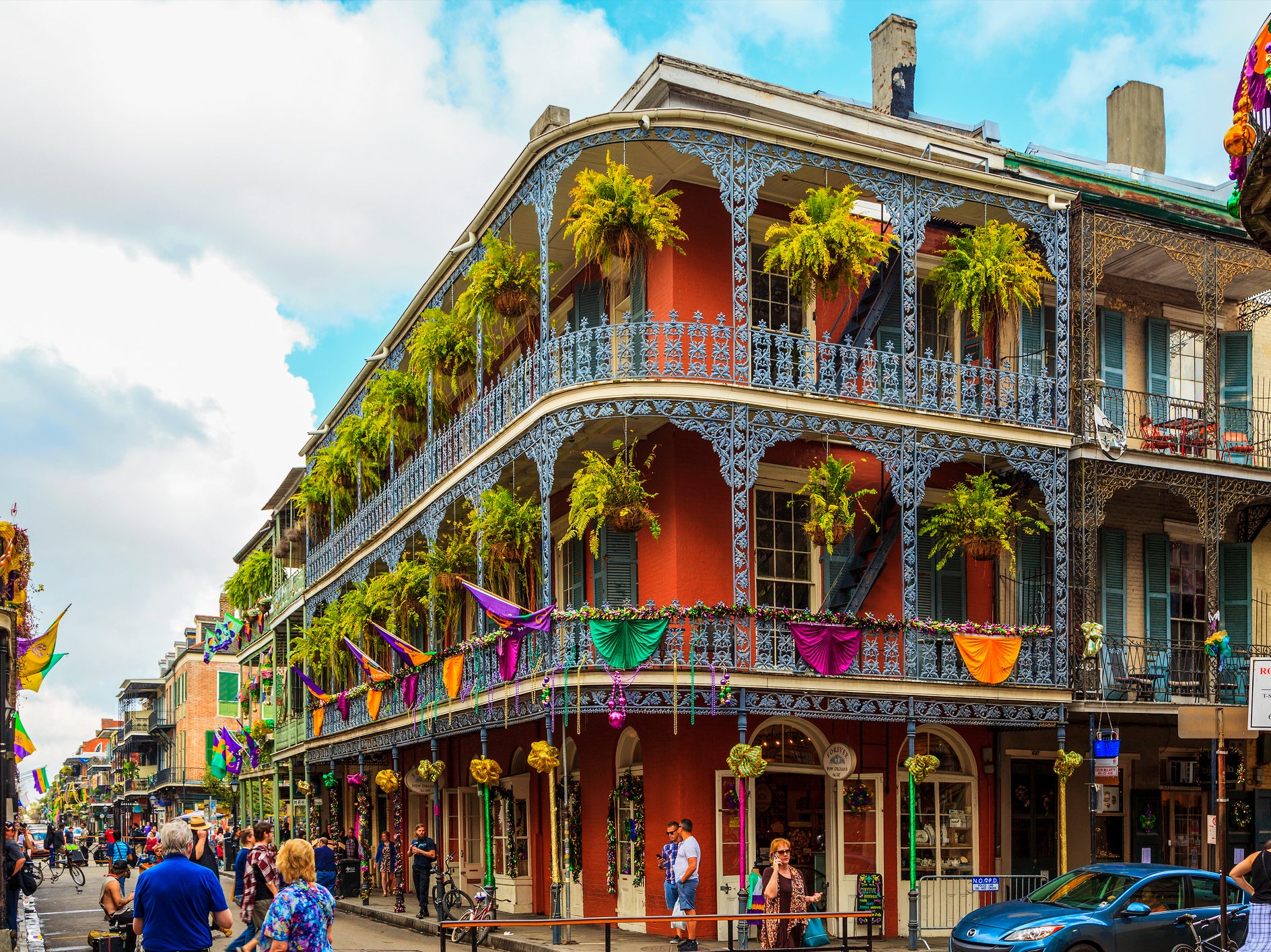
The architectural beauty of the French Quarter is undeniably its most striking visual feature. The iconic Creole townhouses and Creole cottages, with their vibrant hues and distinctive details, line every street. Perhaps the most captivating element is the intricate cast-iron and wrought-iron balconies that adorn many buildings. Often referred to as “iron lace,” these elaborate railings transform mundane facades into works of art, providing shade and an elevated vantage point for observing the lively street below. These balconies are not merely decorative; they are functional extensions of the homes, a testament to the lifestyle of their original inhabitants who sought to escape the heat and embrace outdoor living.
Hidden behind unassuming entrances, tranquil courtyards offer a serene escape from the bustling streets. These verdant oases, often adorned with fountains, lush foliage, and fragrant flowers, serve as private sanctuaries. Many of the boutique hotels and historic inns within the Quarter have preserved these architectural gems, allowing guests to experience this unique aspect of New Orleans living. The integration of public and private spaces, the use of stucco, and the proliferation of inner courtyards are all hallmarks of this unique architectural landscape, attracting architectural enthusiasts and casual tourists alike.
Iconic Landmarks You Can’t Miss
Within the French Quarter are several landmark attractions that stand as testaments to its historical significance and cultural legacy.
- Jackson Square: This historic park is the heart of the Quarter, a lively gathering place where artists display their works, fortune tellers offer readings, and street performers entertain crowds. Dominated by an equestrian statue of Andrew Jackson, it is flanked by some of the city’s most important buildings.
- St. Louis Cathedral: Overlooking Jackson Square, this majestic basilica is the oldest continuously active Roman Catholic cathedral in the United States. Its iconic spires are a definitive part of the New Orleans skyline, and its opulent interior is a must-see for visitors interested in religious architecture and history.
- The Cabildo and The Presbytère: These two magnificent buildings, also on Jackson Square, once served as government buildings during the Spanish colonial period. Today, they are part of the Louisiana State Museum, housing fascinating exhibits on the state’s history and culture, including artifacts from Mardi Gras.
- Pontalba Apartments: These stately brick row houses, flanking Jackson Square on its north and south sides, are the oldest continuously rented apartments in the United States. Their impressive facades, adorned with elaborate ironwork, add to the square’s grandeur.
- Bourbon Street: Synonymous with New Orleans nightlife, Bourbon Street comes alive after dark with its countless bars, live music venues, and vibrant atmosphere. While it caters to a boisterous crowd, it remains an integral part of the Quarter’s identity.
- Royal Street: In contrast to the revelry of Bourbon Street, Royal Street offers a more refined experience. Known for its antique shops, art galleries, and upscale boutiques, it provides a quieter, elegant stroll through the Quarter’s charm.
- Old Ursuline Convent: The oldest surviving building in the French Quarter, this convent, completed in 1752, offers a glimpse into colonial life and the important role of religious orders in the city’s development. It’s a peaceful and profoundly historic site.
The Vibrancy of Culture and Cuisine
Beyond its historical architecture, the French Quarter is a vibrant hub of culture, celebrated for its legendary music scene, diverse art, and, perhaps most famously, its unparalleled culinary landscape. This district is a sensory explosion, where every sound, sight, and taste contributes to an atmosphere of joyful celebration and deep-rooted tradition. The fusion of French, Spanish, African, and Caribbean influences has created a distinctive cultural identity that draws tourists from every corner of the globe, making it a prime destination for cultural tourism.
A Culinary Melting Pot
New Orleans cuisine is a destination in itself, and the French Quarter is its epicenter. The city is renowned for two distinct culinary traditions: Creole and Cajun. Creole cuisine, born in the kitchens of the city’s wealthy French and Spanish colonists, is sophisticated, using rich sauces and a broader range of ingredients influenced by Europe, Africa, and the Caribbean. Cajun cuisine, on the other hand, hails from the bayous and prairies of Louisiana, characterized by its rustic, spicy flavors and reliance on local ingredients.
Visitors to the French Quarter can indulge in an array of iconic dishes:
- Gumbo: A hearty stew, often made with seafood, chicken, or sausage, served over rice.
- Jambalaya: A flavorful rice dish packed with meat, seafood, and vegetables.
- Étouffée: Typically crawfish or shrimp smothered in a rich roux-based sauce, served over rice.
- Po’boys: Legendary sandwiches piled high with fried seafood or roast beef, dressed with lettuce, tomato, and mayonnaise.
- Beignets: The quintessential New Orleans sweet treat – square pieces of fried dough, generously dusted with powdered sugar, best enjoyed with a café au lait at Café Du Monde in the French Market.
- Pralines: A sweet confectionery made from sugar, butter, cream, and pecans, reflecting the city’s sweet tooth.
From fine dining establishments to casual eateries and bustling food stalls in the French Market, the Quarter offers an endless gastronomic adventure. Food tours are a popular activity, allowing visitors to sample various delights and learn about their origins.
Music, Art, and Street Performers
Music is the soul of New Orleans, and the French Quarter is its most resounding stage. Jazz music, born in New Orleans, echoes from doorways and street corners day and night. Preservation Hall is an unassuming yet legendary venue dedicated to preserving traditional New Orleans jazz, offering intimate, soulful performances that transport listeners to another era. Beyond jazz, the Quarter pulses with sounds of blues, R&B, and rock, ensuring there’s a rhythm for every taste.
The streets themselves are a continuous performance. Jugglers, magicians, musicians, and living statues gather around Jackson Square and along Royal Street, creating an impromptu outdoor festival. Art is also deeply embedded in the Quarter’s identity, with numerous galleries showcasing local and regional talent, from traditional New Orleans scenes to contemporary works. This thriving arts scene, coupled with the ever-present music, provides a dynamic and engaging experience for every visitor. Don’t forget to explore some of the unique cultural institutions like the New Orleans Pharmacy Museum or the Voodoo Museum for a deeper dive into the city’s eclectic past.
Festivals and Traditions
The spirit of celebration is intrinsically linked to the French Quarter. The district is home to numerous festivals and traditions throughout the year, none more famous than Mardi Gras. While parades roll throughout the city, the French Quarter becomes the epicenter of revelry, with masked balls, street parties, and vibrant costumes. Beyond Mardi Gras, the French Quarter Festival, held every April, is the largest free music festival in the United States, showcasing local talent across multiple stages. The New Orleans Jazz & Heritage Festival (often just “Jazz Fest“) also draws massive crowds, celebrating the city’s rich musical heritage, though primarily held outside the immediate Quarter, its spirit permeates the entire city. These events offer unparalleled opportunities to experience the local culture, food, and music firsthand, making planning a trip around a festival a particularly rewarding experience.
Planning Your French Quarter Experience
Embarking on a journey to the French Quarter requires some thoughtful planning to maximize your experience. Given its status as a world-renowned destination, understanding the best times to visit, where to stay, and how to navigate its charming streets is crucial for any traveler. Whether you’re planning a luxurious getaway, a budget-friendly adventure, a family trip, or even a business stay that incorporates leisure, the French Quarter offers diverse options to suit various lifestyles and preferences.
Where to Stay: Hotels and Beyond
Accommodation in the French Quarter ranges from opulent luxury hotels to charming boutique inns and guesthouses. Many properties are housed within historic buildings, offering an authentic New Orleans experience with modern amenities.
- Luxury Hotels: For those seeking an indulgent stay, establishments like the Hotel Monteleone, with its famous Carousel Bar, or the Omni Royal Orleans Hotel, offer exquisite service, upscale dining, and prime locations. These hotels often feature pools, spas, and concierge services, catering to a premium travel lifestyle.
- Boutique Hotels and Historic Inns: These provide a more intimate and personalized experience. Many are situated in renovated Creole townhouses with lush courtyards, offering a glimpse into the Quarter’s past. They are ideal for travelers looking for local culture and unique charm. Examples include the Cornstalk Hotel or The Roosevelt New Orleans, A Waldorf Astoria Hotel just outside the Quarter’s immediate bounds but a prominent luxury option.
- Guesthouses and Vacation Rentals: For budget-conscious travelers or those planning a longer stay, guesthouses and vacation rentals can offer a more affordable and home-like experience. These options often provide kitchenettes, making them suitable for families or groups.
- Apartments and Suites: A growing trend, particularly for extended stays, is booking apartments or suites. These often provide more space and flexibility than traditional hotel rooms, allowing visitors to immerse themselves more deeply in the local rhythm. When reviewing accommodation options, consider factors like proximity to attractions, noise levels (especially near Bourbon Street), and included amenities. Booking in advance is highly recommended, especially during peak season or festival dates, as popular choices fill up quickly.
Navigating the Quarter: Tips for Visitors
The French Quarter is wonderfully walkable, with most major attractions within easy strolling distance. Wear comfortable shoes, as you’ll spend a lot of time on your feet exploring the cobblestone streets and hidden alleys.
- Transportation: While walking is primary, streetcars (specifically the Riverfront line) offer a scenic way to travel along the Mississippi River and connect to other areas of the city. Taxis and ride-sharing services are also readily available. It’s advisable to explore on foot during the day and consider ride services at night, especially if venturing into less-trafficked areas.
- Best Time to Visit: The spring (March to May) and fall (September to November) offer the most pleasant weather, with moderate temperatures and a lively festival calendar. Summers can be very hot and humid, while winters are generally mild.
- Safety Tips: Like any major tourist destination, it’s wise to be aware of your surroundings, especially at night. Stick to well-lit, populated areas. Keep valuables secure and avoid walking alone in secluded spots. The French Quarter is generally safe, but common-sense precautions are always recommended.
- Local Etiquette: Embrace the laid-back, friendly atmosphere. Locals appreciate politeness and respect for their city. Engage with street performers and artists, but be mindful of their space and livelihood.
Beyond the Quarter: Exploring New Orleans
While the French Quarter is a world unto itself, New Orleans offers a wealth of experiences just beyond its borders.
- Garden District: Explore the stunning antebellum mansions and lush gardens of the Garden District, easily accessible by streetcar. This area offers a different architectural perspective and a more serene ambiance.
- Warehouse Arts District: Home to contemporary art galleries, museums like the National WWII Museum, and upscale restaurants.
- Treme: One of the oldest African-American neighborhoods in the United States, Treme is a crucial site for jazz history and cultural heritage, particularly around Louis Armstrong Park and Congo Square.
- Swamp Tours and Plantation Visits: Day trips to the nearby bayous for a swamp tour or a visit to historic plantations along the Mississippi River offer a fascinating contrast to city life and delve into the region’s complex history.
By combining the timeless allure of the French Quarter with explorations of other unique New Orleans neighborhoods and surrounding attractions, travelers can craft a comprehensive and deeply enriching travel experience, making the most of this exceptional destination.
LifeOutOfTheBox is a participant in the Amazon Services LLC Associates Program, an affiliate advertising program designed to provide a means for sites to earn advertising fees by advertising and linking to Amazon.com. Amazon, the Amazon logo, AmazonSupply, and the AmazonSupply logo are trademarks of Amazon.com, Inc. or its affiliates. As an Amazon Associate we earn affiliate commissions from qualifying purchases.