
For travelers planning a visit, business professionals scheduling meetings, or simply curious minds, understanding the local time zone of any destination is crucial. When it comes to Detroit, the vibrant heart of Michigan, the answer is straightforward yet warrants a deeper look into its implications for travel, tourism, and lifestyle. Nestled on the border with Canada, Detroit operates within the Eastern Time Zone, adhering to Eastern Standard Time (EST) during colder months and Eastern Daylight Time (EDT) through the warmer seasons. This article delves into the specifics of Detroit’s time zone, its impact on your travel plans, and how it fits into the broader landscape of experiencing this dynamic city.

Understanding Michigan’s Time Zone: Eastern Standard Time
The geographic position of Michigan places most of the state firmly within the Eastern Time Zone, a standard that simplifies coordination for its major urban centers and provides a consistent rhythm for its residents.
The Basics of EST and EDT
Detroit observes the Eastern Time Zone, which means it follows a specific offset from Coordinated Universal Time (UTC), often historically referred to as Greenwich Mean Time (GMT).
- Eastern Standard Time (EST): During the fall and winter months, Detroit operates on EST, which is UTC-5. This means that Detroit time is five hours behind Coordinated Universal Time. This period typically runs from early November to mid-March.
- Eastern Daylight Time (EDT): With the arrival of spring, Detroit, like most of the United States, shifts to Daylight Saving Time. This change moves the clocks forward by one hour, making the time offset UTC-4. This period, known as EDT, generally begins on the second Sunday in March and concludes on the first Sunday in November. The primary purpose of Daylight Saving Time is to make better use of daylight, allowing for lighter evenings and potentially saving energy. For travelers, this “spring forward” and “fall back” can occasionally lead to confusion if not accounted for in travel plans.
A State Divided? Not for Detroit
While some states in the United States, such as Indiana and Kentucky, are famously divided across two time zones, creating a patchwork of different local times, Michigan largely avoids this complexity. The vast majority of Michigan, including all of the Lower Peninsula where Detroit is located, observes the Eastern Time Zone.
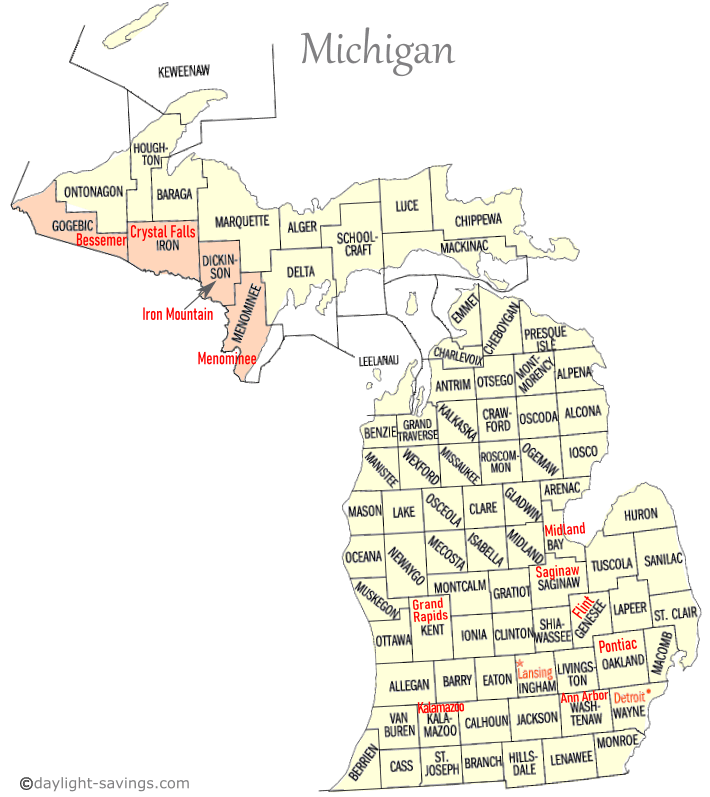
There’s a minor exception within Michigan’s Upper Peninsula, where four counties bordering Wisconsin (Gogebic, Iron, Dickinson, and Menominee) operate on the Central Time Zone. However, this localized difference has no bearing on Detroit or any major travel routes to the city. Therefore, when you plan your trip to Detroit, you can confidently set your watch to the Eastern Time Zone, knowing it will align with the entire metropolitan area and beyond. This uniformity across the most populated parts of the state simplifies logistics for both residents and visitors, from scheduling appointments to catching public transportation.
Navigating Time Differences for Travelers to Detroit
Understanding Detroit’s time zone is more than just a trivial detail; it’s a fundamental aspect of planning a smooth and enjoyable trip. Time differences can significantly impact various elements of your journey, from travel schedules to meeting arrangements, and even your personal well-being.
Impact on Flight Schedules and Travel Planning
For travelers arriving by air, accurately accounting for time zones is paramount. Detroit Metropolitan Wayne County Airport (DTW) is a major hub, handling numerous domestic and international flights daily.
- Flight Timings: All flight arrival and departure times for DTW will be listed in local Detroit time, which means either EST or EDT depending on the time of year. If you are flying in from a different time zone, especially from the west, you will effectively “lose” hours as you travel east. For instance, flying from California (Pacific Time Zone, UTC-8) to Detroit (Eastern Time Zone, UTC-5 during EST) means a three-hour time difference. A 9:00 AM departure from Los Angeles might arrive in Detroit at 5:00 PM local time, even if the flight duration is only around four to five hours.
- Connecting Flights: Pay extra attention to connection times if your itinerary involves multiple stops across different time zones. A seemingly generous two-hour layover could become much tighter if you miscalculate the time change. Always confirm the local time for each airport in your itinerary.
- Jet Lag Management: Traveling across multiple time zones can lead to jet lag, a common complaint among long-distance travelers. Symptoms include fatigue, disorientation, and difficulty sleeping. To mitigate jet lag when arriving in Detroit:
- Try to adjust your sleep schedule gradually a few days before your trip.
- Stay hydrated during your flight.
- Adjust your watch to Detroit time as soon as you board the plane.
- Upon arrival, expose yourself to natural light during the day and avoid heavy meals close to bedtime.
- Schedule important activities for later in the day, allowing your body to acclimate.
Business Meetings and Event Coordination
Detroit is a significant center for industries ranging from automotive to technology, making it a frequent destination for business travelers. For these visitors, time zone awareness is not just convenient but critical for professional success.
- Meeting Schedules: When coordinating meetings, especially virtual ones with participants in other time zones, always clarify the time zone reference. Stating “10:00 AM EST” or “10:00 AM Detroit time” leaves no room for ambiguity. Many online scheduling tools automatically adjust for time zones, but double-checking is always a good practice.
- Conferences and Events: Detroit hosts numerous conferences, trade shows, concerts at venues like the Fox Theatre or Little Caesars Arena, and sporting events involving teams like the Detroit Red Wings or Detroit Pistons. All published schedules for these events will be in local Detroit time. Ensure your personal schedule aligns, particularly if you’re arriving shortly before an event or have commitments immediately after.
- International Coordination: Given Detroit’s proximity to Canada – just across the Detroit River from Windsor, Ontario, which also observes the Eastern Time Zone – cross-border business is common. While Windsor shares the same time zone, coordinating with partners further afield, like in Europe or Asia, requires careful attention to time differences. Utilize world clock apps or online converters to prevent scheduling conflicts.
Experiencing Detroit: A City Beyond Its Time Zone
Beyond the practicalities of time zones, Detroit offers a rich tapestry of experiences that make it a compelling destination for any traveler. Its time zone merely sets the clock for a city bustling with history, culture, innovation, and a vibrant lifestyle.
Iconic Landmarks and Cultural Attractions
Detroit’s story is one of resilience, reinvention, and immense cultural contribution. A visit here is a journey through automotive history, musical innovation, and stunning architecture.
- The Henry Ford Museum and Greenfield Village: Located just outside Detroit in Dearborn, this vast complex offers an unparalleled look at American innovation. From Henry Ford‘s revolutionary automotive designs to the bus where Rosa Parks made history, and a working farm, this is an all-day immersive experience.
- Motown Museum (Hitsville U.S.A.): Step into the legendary house where Berry Gordy Jr. started the iconic Motown record label. See the original Studio A, where legends like The Supremes, The Temptations, and Marvin Gaye recorded their hits. This is a must-visit for music lovers and a profound connection to American cultural history.
- Detroit Institute of Arts (DIA): Home to one of the largest and most significant art collections in the United States, the DIA boasts everything from ancient to contemporary works, including Diego Rivera’s powerful “Detroit Industry Murals.”
- Belle Isle Park: This 982-acre island park, designed by Frederick Law Olmsted (the designer of Central Park in New York City), offers stunning views of the Detroit and Windsor skylines, a conservatory, an aquarium, and various recreational facilities. It’s a perfect escape for nature lovers and families.
- Campus Martius Park: In the heart of downtown, this award-winning urban park serves as Detroit’s central gathering place. It features a beach in summer, an ice rink in winter, and hosts numerous events and concerts throughout the year.
Detroit’s downtown skyline is a testament to its architectural prowess, with landmarks like the GM Renaissance Center offering panoramic views. The city’s resurgence has brought a renewed vibrancy, blending its rich industrial heritage with modern developments, making it a fascinating destination for history buffs, art enthusiasts, and urban explorers alike.
Culinary Delights and Accommodation Choices
Any great travel experience is enhanced by local cuisine and comfortable lodging, and Detroit excels in both.
- Food Scene: Detroit’s culinary landscape is as diverse as its population. You can’t visit without trying authentic Detroit-style pizza, known for its thick, square crust and caramelized cheese edges. Beyond pizza, the city offers a fantastic array of ethnic cuisines, from Middle Eastern to Polish, reflecting its immigrant heritage. Upscale dining experiences coexist with bustling food markets like Eastern Market, providing options for every palate and budget. The craft beer and cocktail scene has also flourished, with numerous breweries and speakeasies to explore.
- Accommodation Options: As a major city and growing tourist destination, Detroit boasts a wide range of accommodation choices to suit every lifestyle and budget:
- Luxury Hotels: For those seeking an opulent experience, options like the iconic Detroit Marriott at the Renaissance Center offer stunning riverfront views and direct access to dining and shopping. The Shinola Hotel provides a boutique luxury experience with impeccably designed rooms and top-tier amenities, blending historic architecture with modern comforts.
- Boutique Hotels: Numerous boutique hotels have emerged in revitalized neighborhoods, offering unique character and personalized service. These often provide a more intimate and local experience, perfect for travelers looking to immerse themselves in Detroit’s distinctive charm.
- Budget-Friendly Options: Travelers on a tighter budget will find a good selection of reputable chain hotels both downtown and in surrounding suburbs, offering comfortable stays without breaking the bank.
- Extended Stay and Apartment Rentals: For longer visits, whether for business or leisure, serviced apartments and extended-stay hotels provide home-like amenities, including kitchens, which can be ideal for families or those seeking more independence.
- Booking Tips: Regardless of your preference, it’s always advisable to book your accommodation in advance, especially if you plan to visit during peak seasons, major sporting events, or popular festivals. Reading reviews and comparing amenities on platforms dedicated to accommodation can help you find the perfect fit for your Detroit adventure.
Making the Most of Your Detroit Visit: Practical Tips
Successfully navigating your trip to Detroit involves more than just knowing the time zone. A few practical considerations can significantly enhance your experience.
Best Time to Visit and Local Events
Detroit is a year-round destination, but the best time to visit often depends on your interests and tolerance for weather.
- Spring (April-May): Pleasant temperatures, blooming flowers, and the awakening of outdoor activities. This is a great time to explore parks and outdoor attractions.
- Summer (June-August): Warmest months, ideal for enjoying Belle Isle Park, riverfront activities, and numerous festivals. Be prepared for occasional humidity and higher hotel prices. Major events like the Detroit Grand Prix (early June) or the Movement Electronic Music Festival (Memorial Day weekend) draw large crowds.
- Fall (September-October): Crisp air, beautiful foliage, and comfortable temperatures make this an excellent time for sightseeing. The crowds are typically thinner than in summer.
- Winter (November-March): Cold and snowy, but Detroit embraces the season with activities like ice skating at Campus Martius Park and cozy indoor attractions. This is generally the off-season, which can mean lower prices for flights and hotels.
Always check the local events calendar when planning your visit, and remember that all event times will be in Eastern Standard Time or Eastern Daylight Time.

General Travel Advice for Michigan
- Transportation in Detroit: Downtown Detroit is walkable, but to explore further afield, you have several options. The QLine, a modern streetcar, runs along Woodward Avenue, connecting many key attractions. Rideshare services (Uber, Lyft) are widely available. For greater flexibility, especially if you plan to visit surrounding areas or attractions like The Henry Ford Museum in Dearborn, renting a car is advisable. Public bus service (DDOT and SMART) covers a broader area but can be less convenient for tourists.
- Safety: Like any major city, it’s wise to be aware of your surroundings. Stick to well-trafficked areas, especially at night, and use reputable transportation. Detroit has made significant strides in safety and revitalization, especially in its downtown and midtown areas.
- Budgeting: Detroit generally offers a more affordable travel experience compared to other major U.S. cities. You can find excellent value on accommodation, dining, and attractions. However, budgeting wisely and looking for deals on flights and hotels, especially during off-peak times, can further enhance your travel experience. Many attractions, like the Detroit Institute of Arts, offer free admission to their permanent collections.
In conclusion, understanding that Michigan, and specifically Detroit, operates within the Eastern Time Zone (observing Daylight Saving Time) is the first step in successful trip planning. This knowledge smooths the way for travel logistics, professional engagements, and ensures you’re on schedule to explore all the incredible experiences this resilient and vibrant city has to offer. With its rich history, burgeoning cultural scene, and welcoming atmosphere, Detroit is an unforgettable destination waiting to be explored, perfectly synchronized with the rhythm of the Eastern Time Zone.
LifeOutOfTheBox is a participant in the Amazon Services LLC Associates Program, an affiliate advertising program designed to provide a means for sites to earn advertising fees by advertising and linking to Amazon.com. Amazon, the Amazon logo, AmazonSupply, and the AmazonSupply logo are trademarks of Amazon.com, Inc. or its affiliates. As an Amazon Associate we earn affiliate commissions from qualifying purchases.