
New Orleans, the vibrant heart of Louisiana, is a city that pulses with a unique blend of history, culture, and undeniable charm. Known globally for its exuberant festivals, groundbreaking music, distinctive Creole and Cajun cuisine, and architectural wonders, it’s a destination that beckons travelers from all corners of the United States and beyond. However, like any compelling destination, the timing of your visit to the Crescent City can significantly shape your experience. From the bustling crowds of Mardi Gras to the serene warmth of a quiet summer evening, each season offers a different facet of this enchanting locale. Understanding the nuances of New Orleans’ climate, event calendar, and tourism cycles is key to planning an unforgettable trip. This comprehensive guide delves into the best times to visit, helping you align your expectations with the city’s rhythm, whether you’re seeking lively festivities, budget-friendly accommodation, or simply the perfect weather for exploring its iconic landmarks.
Unveiling the Charms of the Crescent City: Why Timing Matters
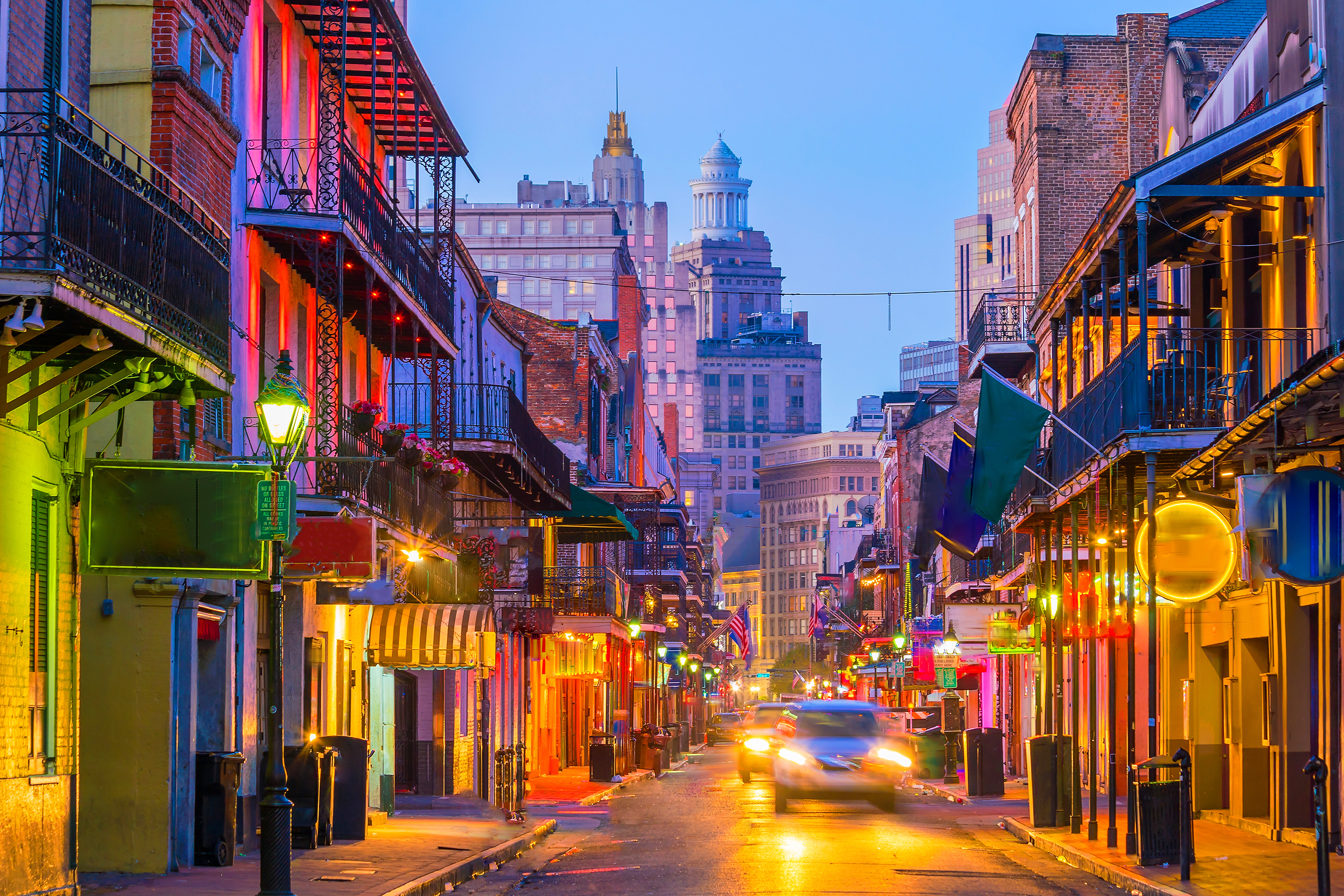
New Orleans isn’t just a place; it’s an experience. The city’s soulful jazz melodies, the intricate ironwork balconies of the French Quarter, the intoxicating aromas of Gumbo and Jambalaya wafting from bustling kitchens – these are elements that create an immersive journey. Yet, to truly savor its essence, it’s crucial to consider the broader context of your visit. Different seasons bring different vibes, impacting everything from the availability of hotels to the intensity of outdoor activities.
The Allure of New Orleans: A City of Festivals and Culture
At its core, New Orleans is a city that celebrates. It’s a place where every excuse is a good excuse for a parade, a street party, or a culinary feast. This vibrant spirit is most evident during its numerous festivals, which punctuate the calendar year-round. From the world-famous Mardi Gras to the acclaimed New Orleans Jazz & Heritage Festival (or Jazz Fest), these events draw massive crowds, creating an electrifying atmosphere but also leading to higher prices and crowded conditions. Conversely, off-peak seasons offer a more intimate look at local life, providing opportunities to explore lesser-known gems and enjoy the city’s unique rhythms without the hustle and bustle. The cultural fabric woven through historic neighborhoods like the Garden District, with its antebellum mansions, or the lively Bywater district, rich in artistic expression, is constant, but your ability to leisurely explore and engage with it can vary greatly by the season.
Key Factors Influencing Your Visit
When determining the best time for your New Orleans adventure, several critical factors come into play:
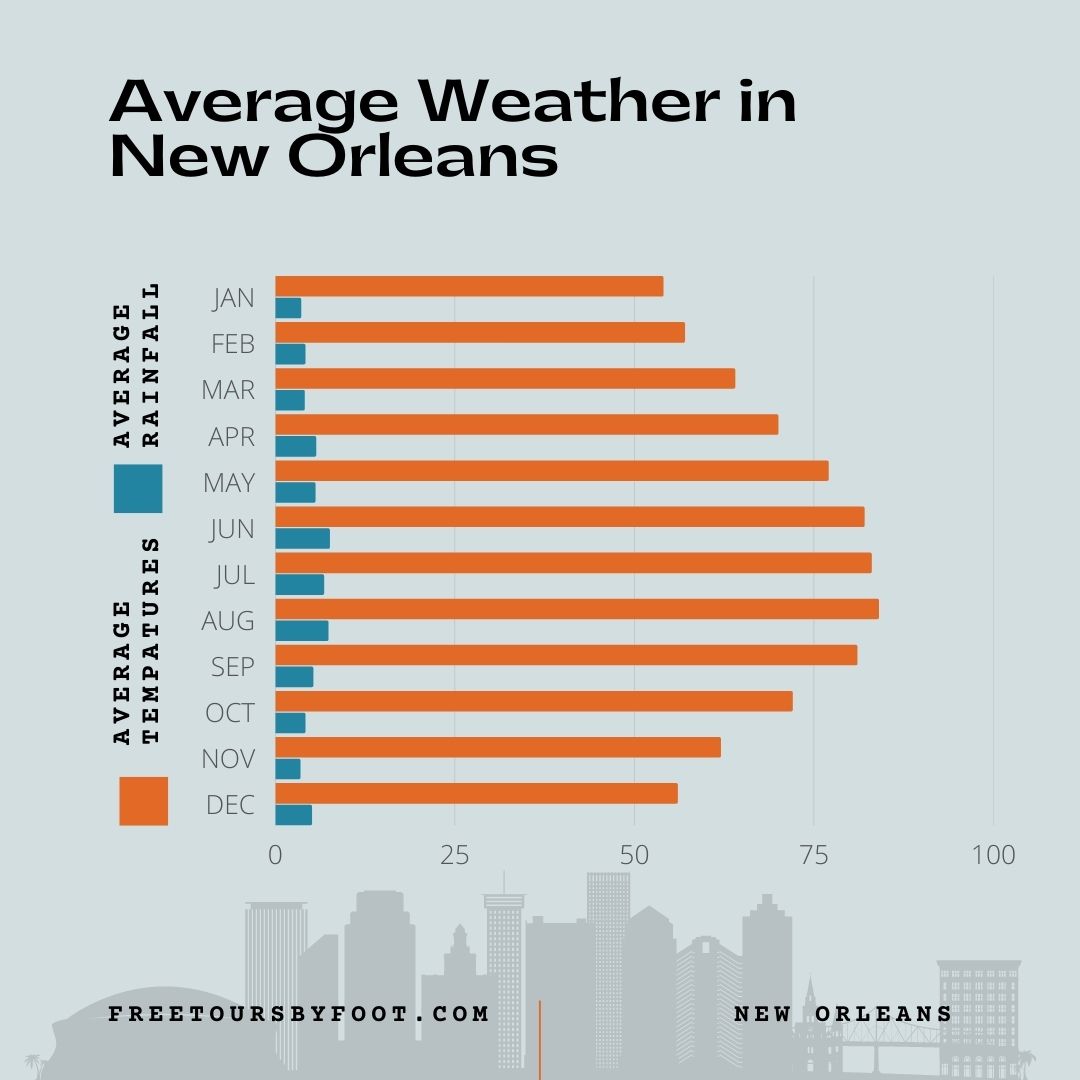
- Weather: New Orleans experiences distinct seasons. Mild winters, pleasant springs and falls, and hot, humid summers define its climate. Your comfort level with heat and humidity will significantly influence your ideal travel window.
- Crowds: Major festivals and holidays bring peak crowds. If you thrive on energy and don’t mind navigating throngs of people, these times are perfect. If you prefer a more relaxed pace, avoiding the peak festival seasons is advisable.
- Cost: Unsurprisingly, prices for flights, hotels, and even some local experiences fluctuate with demand. Peak seasons mean premium prices, while off-seasons can yield significant savings, especially on accommodation options ranging from luxurious resorts to charming boutique hotels.
- Events and Activities: Beyond the major festivals, New Orleans hosts a continuous stream of events – from culinary showcases to art walks and music performances. Matching your interests with the city’s event calendar is a smart strategy for a fulfilling trip.
Navigating the Seasons: A Month-by-Month Guide
Understanding the distinct characteristics of each season in New Orleans is paramount to planning your ideal getaway.
Spring (February – May): Festival Frenzy and Pleasant Weather
Spring is arguably the most popular time to visit New Orleans, and for good reason. The weather is typically divine, with comfortable temperatures, less humidity than summer, and abundant sunshine. This idyllic climate creates the perfect backdrop for the city’s most iconic events.
- February – March: This period is dominated by Mardi Gras, which typically falls in February or early March. The city transforms into a kaleidoscope of colors, music, and parades, culminating on Fat Tuesday. While an unforgettable experience, expect massive crowds, skyrocketing hotel prices (often booked a year in advance), and a complete immersion into the city’s hedonistic spirit. Immediately following Mardi Gras is Lent, bringing a quieter period before the next wave of festivals.
- April – May: April ushers in a new burst of energy with the French Quarter Festival, a free, local-centric celebration of Louisiana music and cuisine, followed closely by the legendary New Orleans Jazz & Heritage Festival, usually spanning two weekends in late April and early May. Jazz Fest is a world-class event, attracting top musicians and food vendors, and like Mardi Gras, it commands higher accommodation rates and large crowds. Other notable events include the Treme Creole Gumbo Festival and various garden tours showcasing the city’s lush landscapes. Booking your hotels and flights well in advance is essential for spring visits, especially during festival dates.
Summer (June – August): Heat, Humidity, and Hidden Gems
Summer in New Orleans is hot and humid, with temperatures frequently soaring into the 90s (Fahrenheit) and high humidity. This is also the beginning of hurricane season (June 1 – November 30). While challenging for outdoor exploration, summer offers distinct advantages.
- Lower Crowds: With the peak festival season behind, crowds dwindle significantly, allowing for a more relaxed exploration of landmarks like Jackson Square and St. Louis Cathedral.
- Better Deals: This is the time to find excellent deals on hotels, resorts, and even some tours. Many luxury hotels offer attractive packages, making upscale accommodation more accessible.
- Indoor Activities and Culinary Focus: Embrace the air-conditioned comfort of museums like The National WWII Museum or the New Orleans Museum of Art. Summer is also a fantastic time for a dedicated culinary tourism trip, focusing on long, leisurely meals in the city’s world-renowned restaurants. The Tales of the Cocktail festival in July, celebrating the art of mixology, is a highlight.
- Hurricane Season Considerations: While direct hits are rare, it’s wise to purchase travel insurance if visiting during hurricane season and stay informed about weather forecasts.
Fall (September – November): A Sweet Spot for Tourism
Fall is often considered a “sweet spot” for New Orleans travel. The oppressive summer heat gradually dissipates, making way for comfortable temperatures and less humidity, particularly from mid-October onwards.
- Pleasant Weather: As September transitions into October and November, the weather becomes increasingly pleasant, ideal for strolling through the French Quarter, taking a swamp tour, or enjoying outdoor dining.
- Fewer Crowds than Spring: While popular, fall generally sees smaller crowds compared to the spring festival season, making it easier to navigate popular areas and secure accommodation.
- Festival Offerings: Fall boasts its own exciting lineup of events. The Oak Street Po-Boy Festival in October celebrates a New Orleans culinary staple, and the Voodoo Music + Arts Experience around Halloween offers a unique musical and cultural experience. Halloween itself is a huge celebration in New Orleans, second only to Mardi Gras in terms of elaborate costumes and parties, especially on Bourbon Street and in the French Quarter.
Winter (December – January): Holiday Spirit and Mild Temperatures
Winter in New Orleans is a charming time, characterized by cool, crisp air and a festive atmosphere, especially during the holidays.
- Mild Temperatures: Expect comfortable, mild temperatures, rarely dipping below freezing. This weather is perfect for exploring on foot without the intensity of summer heat or the bustling crowds of spring.
- Holiday Festivities: December is a magical time, with the city adorned in holiday decorations. Celebration in the Oaks in City Park is a dazzling display of lights, and numerous Réveillon Dinners are offered at top restaurants, harkening back to a Creole Christmas tradition. New Year’s Eve brings fireworks over the Mississippi River and lively celebrations.
- Pre-Mardi Gras Events: As January progresses, the city begins its gentle ramp-up to Mardi Gras, with smaller Carnival parades and events starting to appear, offering a taste of the revelry without the full-blown frenzy. Accommodation prices are moderate, though they begin to climb as Mardi Gras approaches.
Tailoring Your Trip: Beyond the Calendar
While the seasonal breakdown provides a solid framework, the “best” time truly depends on your individual preferences and what kind of lifestyle and travel experience you seek.
For the Festival Lover
If your primary goal is to immerse yourself in the legendary festivities, then spring (February – May) is your undeniable choice. Plan around Mardi Gras (February/March) or Jazz Fest (April/May). Be prepared for large crowds, spirited energy, and higher prices for hotels and flights. Booking at least six months to a year in advance for prime festival dates is not just recommended, but often necessary, especially for popular boutique hotels or resorts in the French Quarter.
For Budget-Conscious Travelers
The most economical time to visit New Orleans is typically during the summer (June – August). With fewer tourists braving the heat, hotel rates often drop significantly, and some attractions or tours might offer discounts. While the humidity can be intense, a strategic approach focusing on indoor activities, air-conditioned museums, and evening strolls can make for a delightful and affordable trip. Early fall (September) can also offer good deals as the weather starts to improve but before the crowds pick up.
For Avoiding Crowds
If you prefer a more serene exploration of the city’s rich history and culture, aim for late summer (August) or early winter (early December, after Thanksgiving and before Christmas). During these periods, you can wander the historic streets of the French Quarter or the Garden District with greater ease, enjoy quieter dining experiences, and perhaps even strike up conversations with locals. The experience will be less about the spectacle and more about connecting with the authentic soul of New Orleans.
For the Foodie and Culture Enthusiast
Any time is a good time for a foodie in New Orleans, as its culinary scene is year-round phenomenal. However, fall (October – November) offers a perfect blend of comfortable weather for restaurant hopping and a good selection of food-focused festivals like the Oak Street Po-Boy Festival or Carnival season (leading up to Mardi Gras) for indulgent King Cake. For a deep dive into New Orleans culture beyond the major parties, late fall and winter provide excellent opportunities for visiting Preservation Hall for a jazz show, exploring art galleries on Royal Street, or taking a cooking class to master Creole and Cajun dishes.
Practical Tips for Your New Orleans Adventure
Regardless of when you decide to visit, a few practical tips can enhance your New Orleans travel experience.
Accommodation Considerations: Booking Hotels and Resorts
New Orleans offers a diverse range of accommodation options, from grand luxury hotels like The Roosevelt New Orleans, A Waldorf Astoria Hotel and Hotel Monteleone to charming guesthouses and vacation rentals in historic neighborhoods.
- Location, Location, Location: Decide if you want to be in the heart of the action (e.g., French Quarter) or a quieter, more residential area (e.g., Garden District, Marigny).
- Book Early for Peak Seasons: As reiterated, popular events necessitate booking hotels and resorts well in advance, sometimes up to a year out.
- Consider Amenities: Look for hotels with pools if visiting in summer, or those offering complimentary breakfast or unique local experiences to enhance your stay. Websites that compare accommodation options and provide detailed reviews can be invaluable tools.
Packing Essentials for Every Season
- Spring/Fall: Layers are key. Days can be warm, but evenings might be cool. Comfortable walking shoes are a must, as you’ll be doing a lot of exploring.
- Summer: Light, breathable clothing (cotton, linen), a wide-brimmed hat, sunglasses, and plenty of sunscreen. Hydration is crucial.
- Winter: Long sleeves, a light jacket or sweater. A heavier coat might be needed on colder days or evenings, but it’s generally mild.
- Year-Round: Comfortable walking shoes are non-negotiable for navigating cobblestone streets and extensive exploration. An umbrella can be useful for unexpected showers.
Getting Around: Navigating the Crescent City
New Orleans is a remarkably walkable city, especially its historic districts.
- On Foot: The French Quarter and surrounding areas are best explored on foot.
- Streetcar: The historic New Orleans streetcar system is an iconic and affordable way to travel between neighborhoods like the French Quarter, Central Business District, and Garden District.
- Ride-sharing/Taxis: Readily available for longer distances or late-night travel.
- Public Buses: Extensive network connecting most areas of the city.
Making the Most of Any Visit
Ultimately, while certain times of the year offer distinct advantages, New Orleans possesses an enduring magic that transcends the calendar.
Embrace the Spirit of New Orleans
No matter when you arrive, approach New Orleans with an open heart and a willingness to embrace its unique pace. Linger over a beignet and café au lait at Café Du Monde, lose yourself in the rhythms of a jazz band on Frenchmen Street, or simply watch the world go by from a balcony. The city encourages spontaneity and revelry in the everyday. Its unique culture, blend of Creole and Cajun influences, and a history steeped in diverse traditions make it endlessly fascinating.
Iconic Landmarks and Attractions to Explore
Even during quieter times, New Orleans offers a wealth of landmarks and attractions to explore.
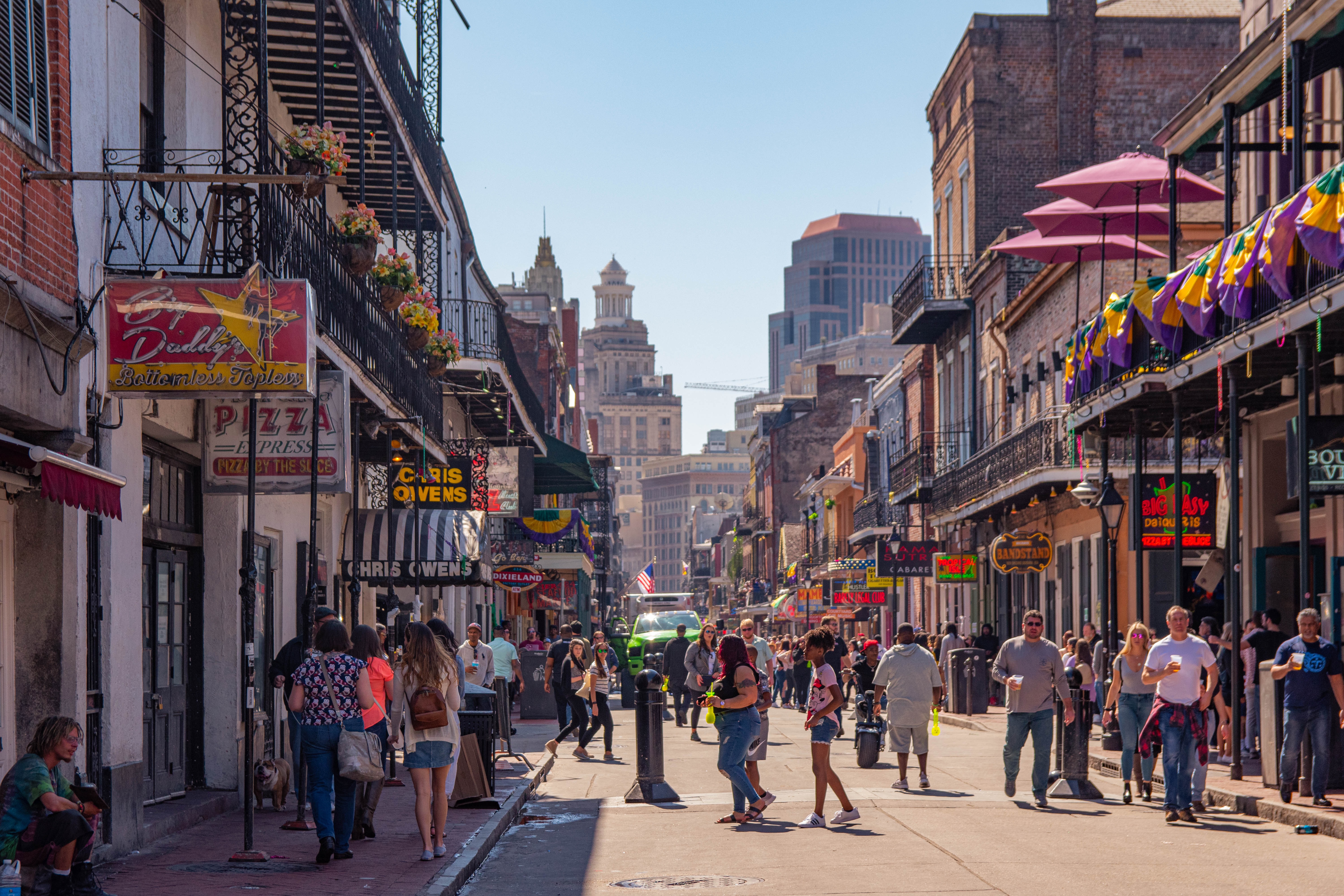
- French Quarter: Wander through its historic streets, admire the architecture, and soak in the atmosphere of Jackson Square and St. Louis Cathedral.
- Garden District: Take a streetcar ride and explore its grand mansions and lush gardens.
- Museums: The National WWII Museum offers a moving and comprehensive experience, while the Ogden Museum of Southern Art showcases regional artistic talent.
- Mississippi River: Enjoy a steamboat cruise for panoramic views of the city.
- City Park & Audubon Park: Vast green spaces offering tranquility, botanical gardens, and family-friendly attractions like the Audubon Zoo and Aquarium of the Americas.
In conclusion, the best time to go to New Orleans largely depends on what you seek from your travel experience. Spring offers unparalleled festivities and delightful weather, albeit with crowds and higher costs. Summer provides budget-friendly options and a focus on indoor culture and cuisine, despite the heat. Fall strikes a wonderful balance with pleasant weather and a vibrant cultural calendar, while winter offers a serene, festive, and mild escape. Each season invites you to discover a different layer of this truly unforgettable city, ensuring that whenever you choose to visit, New Orleans will welcome you with open arms and a captivating rhythm.
LifeOutOfTheBox is a participant in the Amazon Services LLC Associates Program, an affiliate advertising program designed to provide a means for sites to earn advertising fees by advertising and linking to Amazon.com. Amazon, the Amazon logo, AmazonSupply, and the AmazonSupply logo are trademarks of Amazon.com, Inc. or its affiliates. As an Amazon Associate we earn affiliate commissions from qualifying purchases.