
Florida, often dubbed the Sunshine State, is a beacon for travelers worldwide, renowned for its pristine beaches, vibrant cities, and world-class theme parks. But beyond the allure of vacation, it’s a state where millions of people live and work, many of whom are employed in the very industries that make Florida a top tourist destination: hospitality, retail, and service. For these individuals, understanding the state’s minimum wage is not just a matter of policy; it’s a critical component of their financial well-being and ability to thrive in an often-expensive environment. The minimum wage in Florida has undergone significant changes in recent years, impacting both the workforce and the broader economy, including the crucial tourism sector. It dictates the lowest hourly rate an employer can legally pay their employees, with specific provisions for tipped workers. These changes reflect a statewide effort to address the rising cost of living and ensure that workers earn a more livable wage. For visitors planning a trip or those considering a move or seasonal employment, grasping the current minimum wage, its historical trajectory, and its implications for the cost of services and daily life offers invaluable insight into the economic landscape of this bustling state.
The Evolution of Florida’s Minimum Wage: A Path to $15
The journey of Florida’s minimum wage reflects a growing national conversation about fair compensation and economic equity. For decades, the state’s minimum wage largely mirrored the federal standard set by the United States government. However, as the cost of living steadily climbed, particularly in popular metropolitan and tourist areas, there was increasing pressure to implement a state-specific minimum wage that better reflected local economic realities. This push culminated in a landmark decision that set Florida on an accelerated path toward a higher minimum wage.
A Decade of Change: Past Increases and Future Outlook
Florida first established a state minimum wage above the federal level in 2004, following a ballot initiative. Since then, it has seen incremental adjustments, typically tied to inflation. However, the most significant shift occurred in November 2020, when voters overwhelmingly approved Amendment 2 to the state constitution. This amendment mandated a gradual increase in the state’s minimum wage to $15 per hour by September 30, 2026.
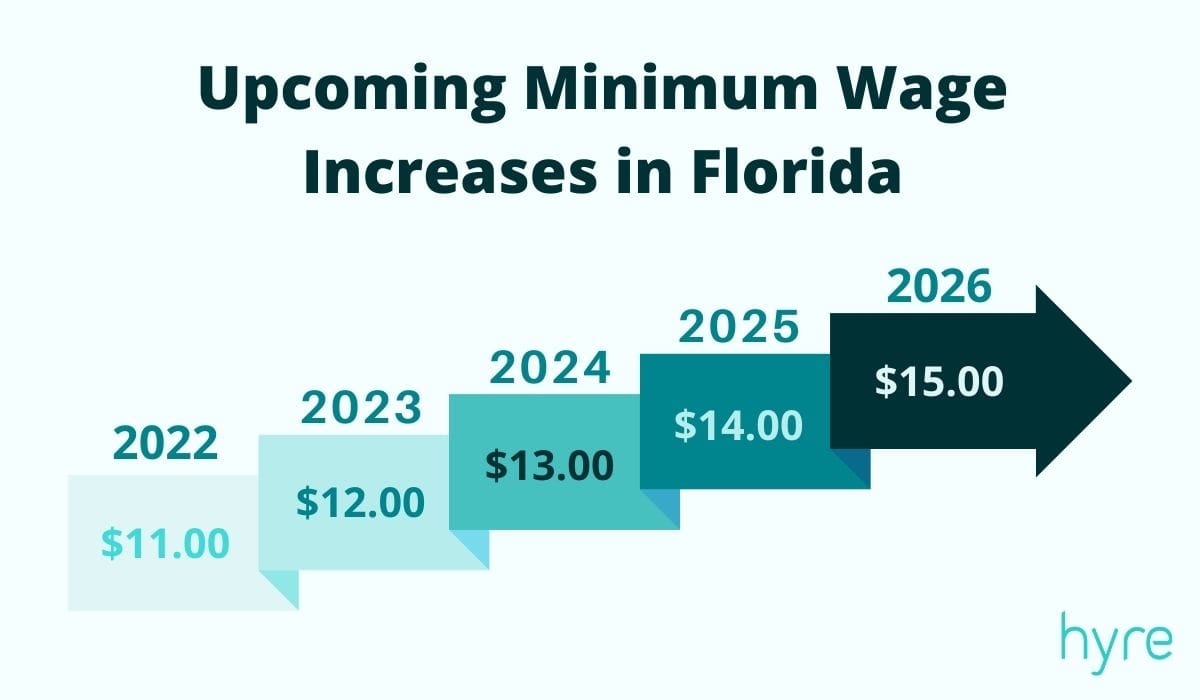
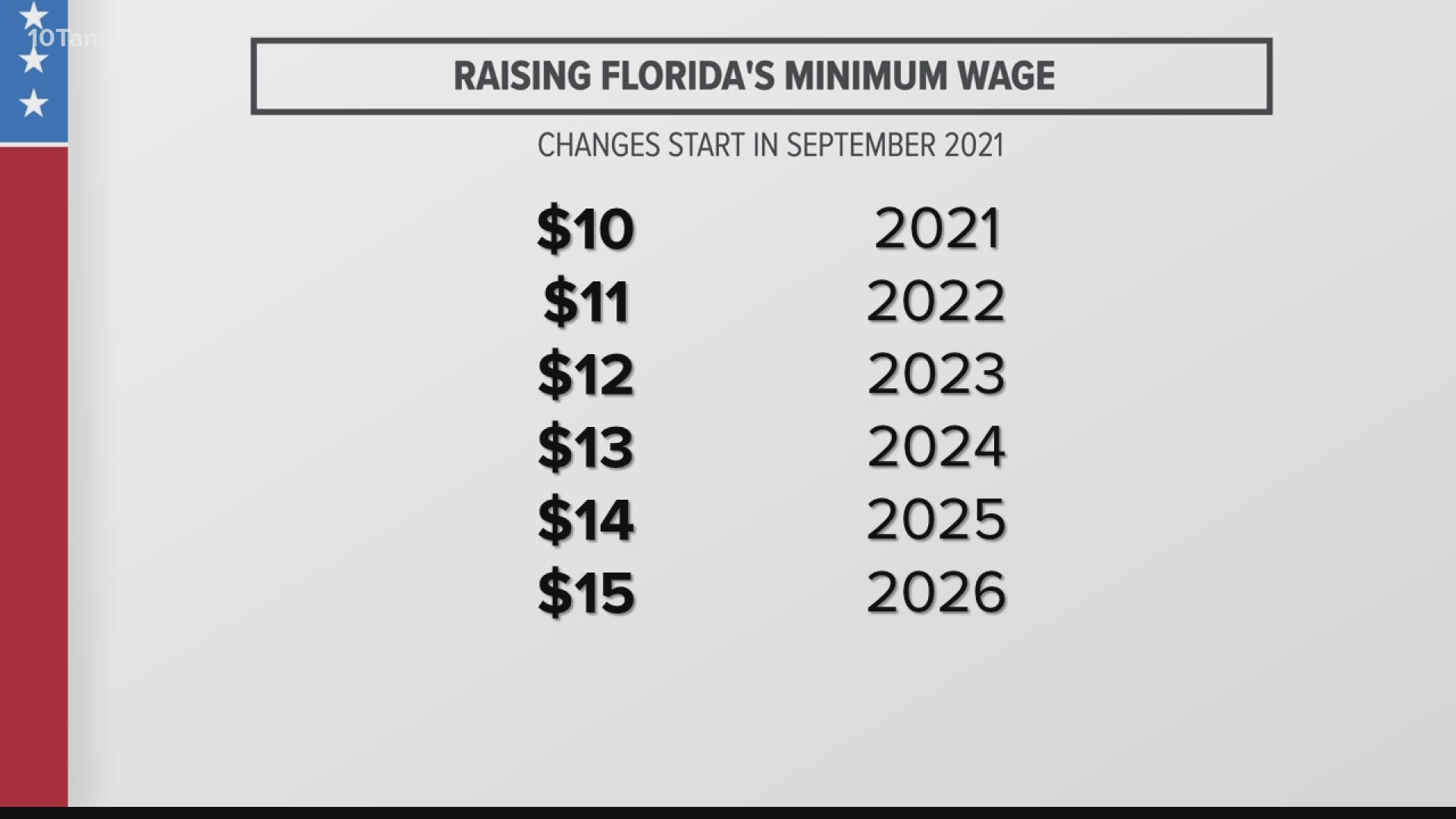
The schedule for these increases is precise and impacts workers across various industries. Starting from $8.56 per hour in 2020, the wage increased to $10.00 per hour on September 30, 2021. It further rose to $11.00 per hour on September 30, 2022, and then to $12.00 per hour on September 30, 2023. The planned trajectory continues as follows:
- September 30, 2024: $13.00 per hour
- September 30, 2025: $14.00 per hour
- September 30, 2026: $15.00 per hour
After reaching $15 per hour, future increases will again be adjusted annually based on inflation, ensuring the wage retains its purchasing power. This progressive increase is a significant step, moving Florida from a state with a relatively low minimum wage to one that will be among the highest in the southern United States. The rationale behind Amendment 2 was rooted in the desire to provide a more sustainable living wage for working families, especially given the state’s relatively high cost of living in many urban and coastal areas. This ambitious schedule not only affects current employees but also influences the decisions of potential workers considering seasonal or permanent relocation to the Sunshine State. For businesses, particularly small and medium-sized enterprises, these gradual increases allow for strategic planning and adaptation, mitigating sudden economic shocks. The shift represents a clear departure from simply adhering to the federal minimum wage, demonstrating a commitment by Florida voters to address economic disparities within their own borders.
Understanding the Tipped Minimum Wage
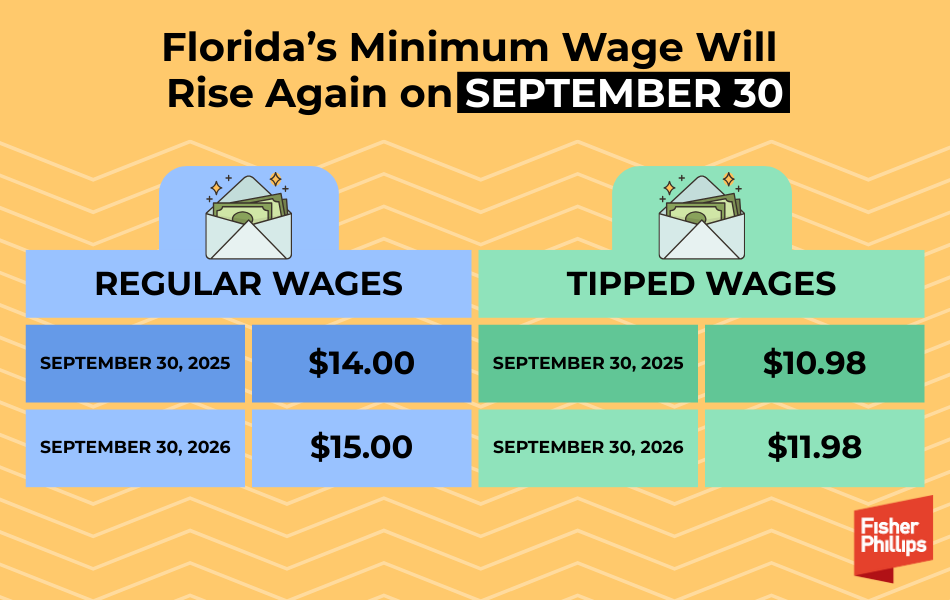
While the general minimum wage applies to most employees, there are specific regulations in Florida for tipped employees. These are workers who customarily and regularly receive more than $30 per month in tips. For such employees, Florida allows employers to pay a lower direct cash wage, known as the “tipped minimum wage,” provided that the employee’s tips, when combined with their direct wage, meet or exceed the standard state minimum wage. This system is often referred to as a “tip credit.”
As of September 30, 2023, the tipped minimum wage in Florida is $7.98 per hour. This figure is calculated by subtracting a maximum tip credit of $3.02 from the standard minimum wage of $12.00. The employer must ensure that the employee’s total earnings, including tips, average out to at least $12.00 per hour for all hours worked. If an employee’s tips do not bring them up to the full minimum wage, the employer is legally obligated to make up the difference.
This distinction is particularly relevant to Florida’s robust service industry, which includes waitstaff, bartenders, bellhops, and many others crucial to the operation of hotels, restaurants, bars, and attractions across the state. In popular tourist destinations like Orlando, Miami, and Key West, where tipping culture is prevalent, understanding this system is essential for both employees and employers. The gradual increase mandated by Amendment 2 also applies to the tipped minimum wage, which will continue to rise proportionally, ensuring that the base cash wage for tipped workers, alongside their tips, keeps pace with the general minimum wage increases.
Impact on Florida’s Tourism and Hospitality Sector
Florida’s economy is inextricably linked to its tourism and hospitality industries. Millions of visitors flock to the state annually, supporting a vast ecosystem of hotels, resorts, restaurants, theme parks, and various attractions. Changes to the minimum wage, therefore, have profound implications for this vital sector, affecting everything from operational costs for businesses to the daily lives of the employees who serve these tourists.
Balancing Wages and Tourist Experiences
The rising minimum wage in Florida presents a dual challenge and opportunity for the tourism and hospitality sector. On one hand, businesses face increased labor costs. Hotels in bustling areas like Miami Beach and Orlando might see their payroll expenses climb, potentially leading to adjustments in room rates, resort fees, or service charges. Restaurants in popular dining districts, whether in Tampa’s vibrant culinary scene or South Beach‘s iconic establishments, may need to rethink menu pricing or operational efficiencies. Similarly, world-famous attractions such as Walt Disney World Resort and Universal Orlando Resort, which employ tens of thousands, navigate significant changes in their labor budgets.
Businesses often respond in several ways: some might streamline operations through automation, where feasible, particularly in back-of-house hotel services or quick-service restaurants. Others may absorb some costs, hoping that improved employee morale and retention will lead to higher productivity and better customer service, justifying the investment. The argument is that better-compensated employees are more motivated, providing a higher quality of service that ultimately enhances the tourist experience. A happy, well-paid staff member is more likely to be engaged, knowledgeable, and provide the friendly service that visitors expect from the Sunshine State. This could manifest in more attentive hotel staff, more cheerful theme park employees, or more passionate tour guides in destinations like Key West or Fort Lauderdale. Thus, while prices for tourists might see a slight uptick in the long run, the hope is that this will be balanced by a noticeably superior service experience, maintaining Florida’s competitive edge as a premier global destination.
For Workers: Cost of Living vs. Minimum Wage in Tourist Hubs
While the minimum wage increases are a welcome change for many workers, the reality on the ground in Florida’s prime tourist destinations remains complex. Cities like Miami, Orlando, Tampa, and Palm Beach are not only major employment centers but also some of the most expensive places to live in the state, and indeed, the United States. The cost of housing, in particular, poses a significant challenge. Rent for apartments or homes in areas surrounding theme parks or beachfront resorts can be exorbitant, often consuming a large portion of a minimum wage earner’s income.
For an individual working full-time at the current minimum wage, even with the scheduled increases, affording independent living close to their workplace can be a struggle. Many workers are forced to commute long distances from more affordable outlying communities, adding transportation costs and significant time to their daily routines. This phenomenon is common around major attraction complexes like Walt Disney World Resort and Universal Orlando Resort, where vast numbers of hospitality staff live in neighboring counties.
Beyond housing, the cost of daily necessities—groceries, utilities, healthcare, and childcare—also adds up. The concept of a “living wage,” which is the theoretical income needed to afford a basic standard of living without government assistance, often remains higher than the state’s minimum wage, especially in these high-demand areas. While the path to $15 per hour by 2026 is a substantial improvement, for many in Florida’s priciest locales, it represents a step towards, rather than a definitive solution to, the affordability crisis. It highlights the ongoing tension between a state committed to accessible tourism and the need to provide its essential workforce with a truly sustainable quality of life.
Planning Your Florida Trip: Budgeting for Travelers and Workers
Understanding Florida’s minimum wage and its economic implications is not just for residents; it’s also a valuable piece of information for anyone planning a visit or considering working seasonally in the state. For both tourists and prospective employees, smart budgeting and an awareness of local economic conditions can significantly enhance their Florida experience.
Budget Travel in the Sunshine State
For travelers, the gradual increase in the minimum wage could translate to slightly higher prices for certain services, such as hotel stays, restaurant meals, and some attraction tickets. However, Florida remains an incredibly diverse destination, offering countless ways to enjoy its beauty without breaking the bank. Savvy budget travelers can employ several strategies to manage costs effectively.
Consider visiting during the off-peak season (typically late spring, early fall) when demand is lower, leading to more affordable accommodation options and fewer crowds. Exploring cities like St. Petersburg or Jacksonville can often yield more budget-friendly prices for hotels and dining compared to premium destinations like Naples or Sarasota. Utilizing accommodation options beyond traditional resorts, such as vacation rentals or smaller, independent hotels, can also provide value.
Florida is abundant with free or low-cost attractions. Its world-famous beaches, including Clearwater Beach on the Gulf Coast and Daytona Beach on the Atlantic Coast, offer endless hours of enjoyment. Natural wonders like Everglades National Park provide unparalleled opportunities for wildlife viewing and outdoor adventure, often with minimal entrance fees. Many cities also boast vibrant downtown areas, public markets, and free festivals. By embracing these alternatives and planning wisely, visitors can still experience the magic of Florida without feeling the pinch of rising labor costs.
A Look at Seasonal Employment and Living
Florida’s tourism sector relies heavily on seasonal workers, particularly during peak holiday periods and spring break. For individuals considering seasonal employment at attractions like Kennedy Space Center Visitor Complex, Busch Gardens Tampa Bay, SeaWorld Orlando, or Legoland Florida Resort, the rising minimum wage makes these opportunities more financially appealing. It offers a stronger foundation for earning income, particularly for those looking to gain experience in hospitality or simply enjoy a stint in the sunshine.
However, prospective seasonal workers must still budget carefully. While the increased wage helps, the temporary nature of the work often means careful financial planning for both the duration of employment and the period between seasons. Housing can be a significant hurdle, as short-term rentals in desirable areas, especially in the Florida Keys or around major theme park complexes, can be expensive. Many seasonal employees opt for shared accommodations or employee housing provided by larger resorts to mitigate costs. Transportation also needs to be factored in, as public transit is not as extensive in all parts of Florida as in other major tourist destinations globally. Despite these challenges, the allure of working in a vibrant tourist economy, combined with a progressively increasing minimum wage, continues to draw a diverse workforce to Florida each year, making it a dynamic hub for both work and play.
In conclusion, Florida’s minimum wage is more than just a number; it’s a dynamic factor shaping the lives of millions of workers and influencing the economic landscape of a state deeply intertwined with tourism and hospitality. The journey towards a $15 per hour minimum wage by 2026, initiated by Amendment 2, reflects a commitment to improving the financial well-being of the workforce. While this change presents adjustments for businesses, it also holds the promise of a more stable and motivated employee base, potentially leading to enhanced service quality for visitors. For travelers, understanding these economic shifts can inform budgeting and travel choices, while for seasonal workers, it highlights both opportunities and important considerations for living costs. As Florida continues to evolve, its minimum wage will remain a crucial benchmark for economic fairness, ensuring that the Sunshine State remains a vibrant destination for both those who visit and those who call it home.
LifeOutOfTheBox is a participant in the Amazon Services LLC Associates Program, an affiliate advertising program designed to provide a means for sites to earn advertising fees by advertising and linking to Amazon.com. Amazon, the Amazon logo, AmazonSupply, and the AmazonSupply logo are trademarks of Amazon.com, Inc. or its affiliates. As an Amazon Associate we earn affiliate commissions from qualifying purchases.