
New Orleans, a city steeped in history, rich with vibrant culture, and humming with an unmistakable rhythm, is known by many names. The “Crescent City,” “The Big Easy,” and “America’s Most European City” are just a few. Yet, perhaps the most endearing and widely recognized shorthand for this unique Louisiana jewel is simply “Nola.” This concise, almost playful moniker has become synonymous with the city itself, embodying its spirit in a way few abbreviations manage. But why has “Nola” stuck, and what does it truly represent for those who call it home, and the millions of travelers who flock to its charming streets each year? The answer lies in a blend of practicality, local affection, and the city’s unparalleled ability to distill its complex identity into something wonderfully simple.

The Genesis of a Beloved Moniker
The origin of “Nola” is surprisingly straightforward, yet its adoption speaks volumes about the city’s character. Unlike some nicknames that emerge from folklore or historical events, “Nola” began as a simple acronym.
From Acronym to Icon
The most commonly accepted explanation for “Nola” is that it’s an abbreviation of “New Orleans, Louisiana.” In an era of increasing information density and the need for quick communication, shortening place names became a common practice. For New Orleans, the combination of the state abbreviation (Louisiana becoming LA) with the initial letters of the city’s name made for a catchy and pronounceable word. While initially used in more formal contexts, such as postal codes or news headlines, its ease of use soon propelled it into everyday vernacular.
It’s believed that the nickname gained significant traction in the mid-to-late 20th century. Radio stations, local businesses, and eventually tourism campaigns found “Nola” to be a concise and memorable way to refer to the city. Unlike “New Orleans,” which can be a bit of a mouthful, “Nola” rolls off the tongue with a certain familiarity, almost like addressing a close friend. This phonetic quality helped it transcend its purely functional origins, imbuing it with warmth and personality that resonate with the city’s vibrant character.
The Local Lexicon
The widespread acceptance of “Nola” within New Orleans itself solidified its status. Locals embraced it, using it in casual conversation, on bumper stickers, and in merchandise. It became an insider term that outsiders quickly learned to adopt if they wanted to feel connected to the city’s unique pulse. This organic adoption is crucial, as many planned marketing efforts for city nicknames often fall flat without genuine local buy-in. “Nola” became a shorthand not just for the place, but for the entire cultural experience it offers. When someone says “Nola,” they aren’t just referring to a dot on the map; they’re evoking images of jazz music drifting from barrooms, the scent of beignets and chicory coffee, the historic architecture of the French Quarter, and the indomitable spirit of its people. It’s a testament to the city’s strong identity that a simple acronym could become such a powerful cultural touchstone.
Nola’s Irresistible Allure: A Tapestry of Culture and History
The nickname “Nola” has become an umbrella term for everything that makes New Orleans an unparalleled destination for tourism. From its distinctive architecture to its world-renowned culinary scene and its infectious musical heritage, the city offers an immersive experience unlike any other. For travelers seeking authentic experiences, “Nola” delivers on all fronts.
Architectural Wonders and Historic Landmarks
A stroll through Nola’s historic districts is like stepping back in time. The city’s architecture is a vivid testament to its complex past, with influences from French, Spanish, Caribbean, and American cultures. The French Quarter, also known as the Vieux Carré, remains the vibrant heart of the city, famous for its ornate cast-iron balconies, gas lanterns, and hidden courtyards. Here, landmarks like the majestic St. Louis Cathedral overlooking Jackson Square stand as enduring symbols of the city’s spiritual and historical depth. A carriage ride or a guided walking tour through these cobblestone streets reveals layers of stories, from pirate legends to tales of antebellum grandeur.
Beyond the French Quarter, the opulent mansions of the Garden District showcase a different facet of New Orleans’ architectural heritage, characterized by Greek Revival and Italianate styles amidst lush greenery. Even the humble shotgun houses found in neighborhoods like Faubourg Marigny or Bywater tell a story of community and adaptation. Each building, street, and park contributes to the city’s visual narrative, making it a living museum that captivates every visitor. Important educational institutions like Tulane University and the University of New Orleans also add to the city’s intellectual landscape, often housed in buildings with significant architectural merit. Further enriching the historical narrative, the National WWII Museum serves as a vital institution, drawing visitors from all over the United States and beyond to learn about a pivotal moment in global history.
A Culinary Journey Through the Crescent City
No discussion of “Nola” is complete without celebrating its extraordinary food scene. New Orleans is a culinary paradise, a melting pot of Creole, Cajun, and Southern influences that has given birth to dishes revered worldwide. From gumbo and jambalaya to po’boys and beignets, the flavors are as rich and complex as the city’s history. Iconic establishments like Café Du Monde in the French Market offer a taste of tradition with their famous powdered sugar-dusted pastries and chicory coffee, a quintessential Nola experience.
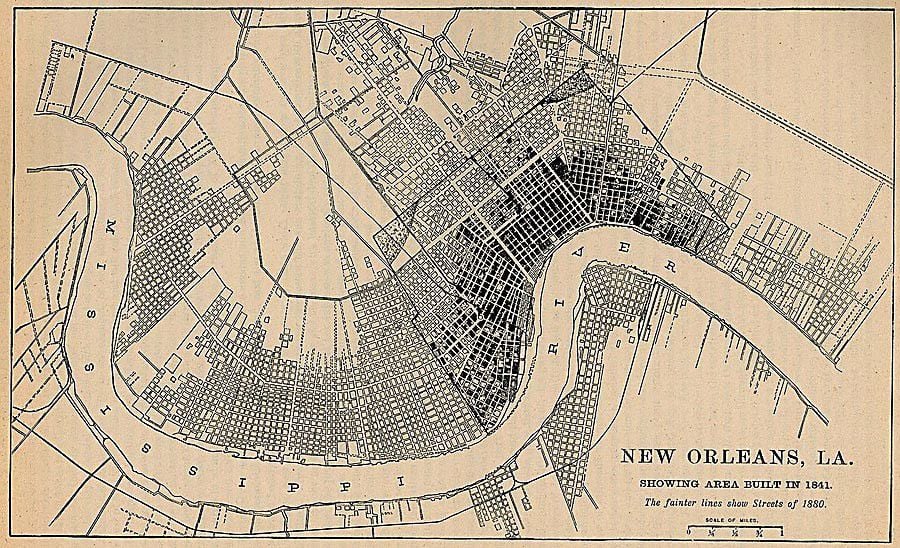
Fine dining flourishes here too, with restaurants offering exquisite takes on classic dishes and innovative new creations. Neighborhoods like the Warehouse District and Uptown are home to world-class eateries that continue to push the boundaries of Southern cuisine. Food festivals, cooking classes, and guided culinary tours are popular ways for visitors to delve deeper into this delicious aspect of Nola culture, solidifying the city’s reputation as a top gastronomic destination.
The Rhythms of New Orleans
Music is the soul of New Orleans, pulsating through its streets day and night. The birthplace of jazz, the city continues to be a global hub for musical innovation and preservation. Bourbon Street may be famous for its boisterous nightlife, but it’s on Frenchmen Street where you’ll find a more authentic concentration of live music venues, featuring everything from traditional jazz and blues to funk and brass bands. Legendary clubs like Preservation Hall offer intimate performances that transport audiences back to the golden age of jazz.
Beyond the clubs, music is an integral part of daily life. Brass bands spontaneously gather on street corners, second-line parades weave through neighborhoods for celebrations and funerals alike, and the echoes of live performances spill from open doorways. Festivals like Mardi Gras and the New Orleans Jazz & Heritage Festival draw millions, showcasing a diverse array of musical talents and cementing Nola’s status as a world capital of sound. This pervasive musical lifestyle is infectious, encouraging everyone, locals and visitors alike, to tap their feet and soak in the vibrant atmosphere.
Experiencing Nola: Accommodation and Lifestyle
For visitors planning a trip to this enchanting city, understanding the diverse accommodation options and how they cater to various lifestyles is key to crafting the perfect Nola experience. From luxurious hotels to charming boutique stays, there’s a place for every preference and budget.
Finding Your Perfect Stay
New Orleans boasts an impressive array of accommodation choices, reflecting its unique character. Those seeking elegance and history might opt for one of the many grand hotels nestled within the French Quarter, such as the historic Hotel Monteleone or the luxurious Roosevelt Hotel New Orleans, an iconic Waldorf Astoria Resort. These establishments often feature stunning architecture, top-tier amenities, and unparalleled access to the city’s main attractions. For a more intimate experience, boutique hotels like Hotel Provincial or The Eliza Jane offer personalized service and unique charm, often housed in beautifully restored historic buildings.
The Garden District offers a quieter, more residential feel, with charming bed and breakfasts and elegant guesthouses like The Columns Hotel, providing a tranquil escape from the bustling city center while still offering easy access via the historic St. Charles Streetcar. For those on a budget travel plan, numerous hostels and more affordable hotels can be found in areas adjacent to the French Quarter or in the Central Business District (CBD), such as the Hyatt Centric French Quarter New Orleans. Many travelers also consider apartment rentals for longer stays, offering a more authentic, local experience in neighborhoods like Marigny or Bywater, providing access to local markets and community life. Online booking platforms offer extensive reviews and comparison tools, making it easy to find the ideal spot. Whether you’re looking for luxury suites, quaint villas, or practical apartments, “Nola” has an option to match.
Catering to Every Traveler’s Lifestyle
The diverse nature of New Orleans means it caters to a wide spectrum of lifestyles and travel preferences. For those seeking luxury travel, the city offers upscale dining, high-end shopping on Royal Street, and exclusive experiences such as private cooking classes or VIP access to events during Mardi Gras. Many top-tier hotels feature indulgent spas and exquisite dining options, providing a complete resort experience within the city limits.
Conversely, budget travel is entirely feasible and equally rewarding. Enjoying street food from vendors, catching free live music in Jackson Square or on Frenchmen Street, and exploring the city’s numerous parks like City Park or Audubon Park can provide a rich cultural experience without breaking the bank. Family trips are also well-accommodated, with attractions such as the Audubon Zoo, the Aquarium of the Americas, and swamp tours offering engaging activities for all ages.
For business stays, Nola provides sophisticated conference facilities, particularly in the Central Business District and near the Ernest N. Morial Convention Center. Many hotels offer comprehensive amenities tailored for corporate travelers, ensuring productivity alongside opportunities to experience the city’s unique charm after hours. From romantic getaways to adventurous solo journeys, “Nola” adapts to the desires of every visitor, making it a perennial favorite on global travel lists.
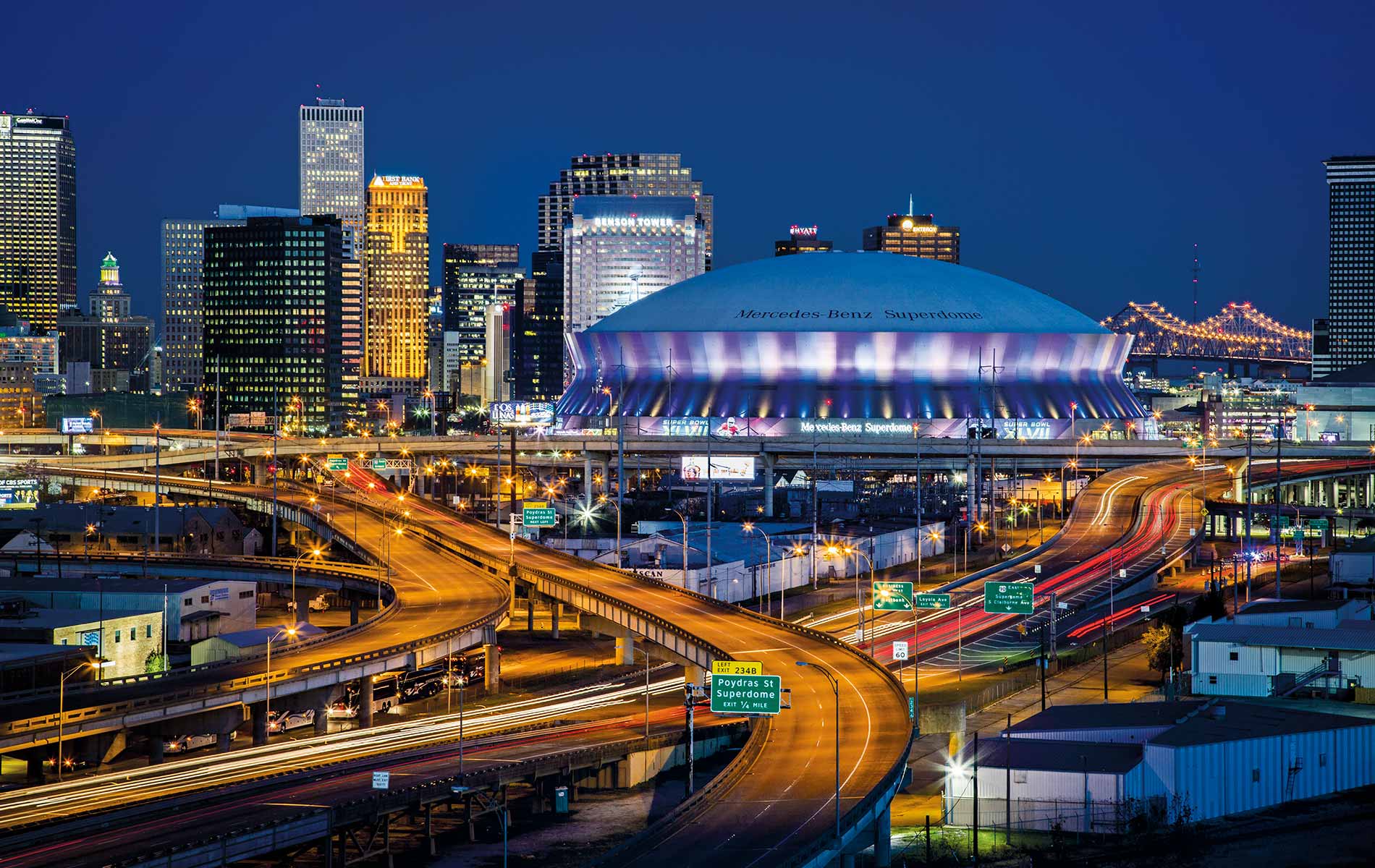
Beyond the Nickname: The Enduring Spirit of New Orleans
Ultimately, “Nola” is more than just a convenient abbreviation; it’s a symbol of endearment and a shorthand for a complex, vibrant identity. It encapsulates the soul of a city that has faced adversity with resilience, celebrated its heritage with unparalleled passion, and welcomed the world with open arms. When you say “Nola,” you’re not just speaking a name; you’re invoking the smell of magnolias, the taste of spice, the sound of a saxophone, and the sight of architectural beauty that tells stories centuries old.
For those considering their next destination, New Orleans, or rather “Nola,” offers an immersive cultural journey. It’s a place where history is alive, music is the heartbeat, and every meal is a celebration. Whether you’re seeking the opulence of luxury resorts, the charm of historic guesthouses, or simply the thrill of authentic local culture, this city promises an unforgettable experience. The continued use and growing popularity of the nickname “Nola” serve as a testament to the city’s enduring appeal and its ability to capture the hearts of all who visit. It’s a name that resonates with the unique blend of tradition and modernity, revelry and reflection, that defines one of America’s most extraordinary cities.
LifeOutOfTheBox is a participant in the Amazon Services LLC Associates Program, an affiliate advertising program designed to provide a means for sites to earn advertising fees by advertising and linking to Amazon.com. Amazon, the Amazon logo, AmazonSupply, and the AmazonSupply logo are trademarks of Amazon.com, Inc. or its affiliates. As an Amazon Associate we earn affiliate commissions from qualifying purchases.