
The question “How many miles from New York City to California?” seems straightforward, but its answer unravels a tapestry of potential adventures, logistical considerations, and unforgettable experiences across the vast expanse of the United States. It’s not just a numerical value; it’s an invitation to embark on an epic cross-country journey, a deep dive into American culture, and a testament to the diverse landscapes that define this incredible nation. From the bustling avenues of the East Coast to the sun-drenched beaches of the West Coast, the distance represents a transition through time zones, climates, and unique local flavors. Whether you’re planning a grand American road trip, considering a cross-country move, or simply curious about the sheer scale of the nation, understanding this distance is the first step in unlocking a world of travel possibilities.
The Epic Scope of a Transcontinental Journey
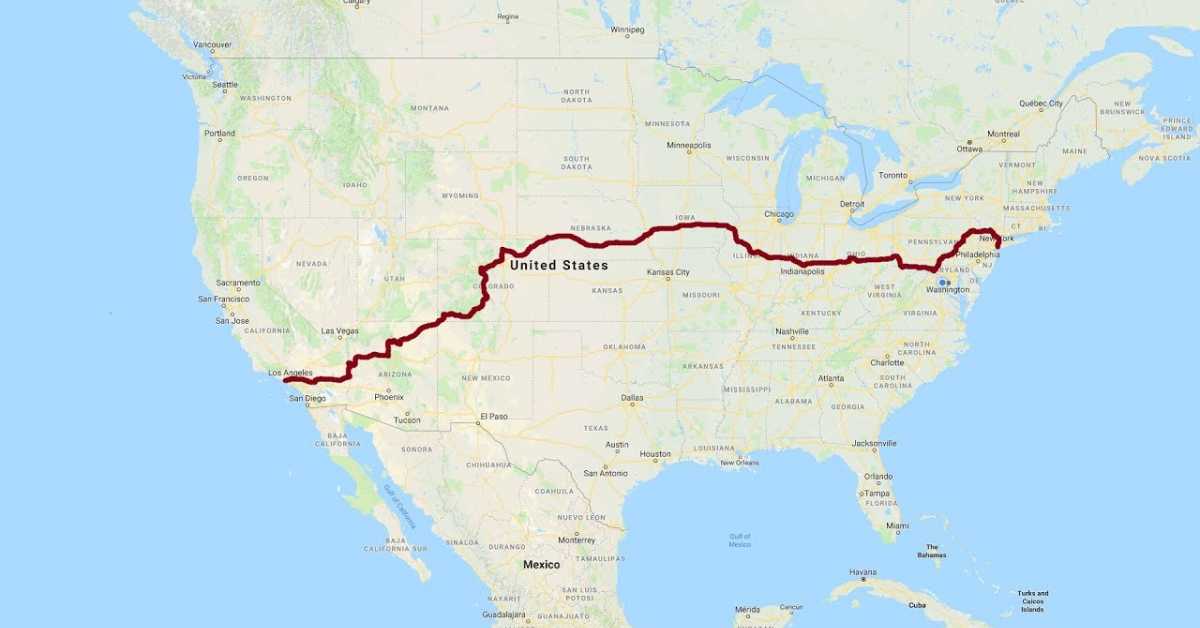
When we talk about the distance between New York City and California, we’re discussing one of the most iconic journeys in global travel. This transcontinental voyage spans thousands of miles, crossing numerous states, diverse geographical features, and a mosaic of cultures. It’s a journey that has captivated dreamers, adventurers, and settlers for centuries, representing freedom, opportunity, and the allure of the open road.
Defining the Distance: Coast-to-Coast Variability
The precise mileage from New York City to California isn’t a single fixed number, primarily because California is a vast state, and various routes exist. The distance can range significantly depending on the specific starting point in New York City (e.g., Manhattan) and the chosen destination in California (e.g., Los Angeles, San Francisco, or a more central location like Sacramento).
Typically, the driving distance for a popular coast-to-coast route is:
- From New York City to Los Angeles, California: Approximately 2,790 to 2,850 miles (4,490 to 4,590 kilometers). This usually involves routes that traverse the central USA.
- From New York City to San Francisco, California: Roughly 2,900 to 3,100 miles (4,670 to 4,990 kilometers), often taking a slightly more northern path.
These distances are based on efficient highway routes. The actual miles covered on a leisurely road trip with detours to landmarks and tourist attractions can easily exceed these figures.
More Than Just Miles: Understanding the Implication
While the mileage provides a concrete measure, it barely scratches the surface of what this distance implies. It signifies:
- Driving Time: A direct drive without significant stops would take roughly 40-45 hours of pure driving time. However, safely and realistically, a road trip of this magnitude requires 4 to 7 days, depending on the pace, the number of drivers, and the desire for sightseeing. This means at least 3-6 overnight stays along the way.
- Geographical Diversity: The journey crosses various geographical zones: the rolling hills and urban sprawl of the Northeast, the expansive farmlands of the Midwest and Great Plains, the majestic peaks of the Rocky Mountains, and the arid deserts of the Southwest, before reaching the diverse coastal and mountainous regions of California.
- Cultural Immersion: Each state offers unique local culture, food, and historical narratives. From the pizza of New York to the barbecue of Kansas City and the Tex-Mex flavors of New Mexico, the culinary journey alone is an experience.
Navigating the American Landscape: Routes and Modes of Travel
The decision of how to traverse the thousands of miles between New York City and California is as crucial as the destinations themselves. Each mode of travel offers a distinct perspective and set of logistical considerations, catering to different lifestyles and budgets.
The Classic American Road Trip: Routes and Rhythms
For many, the quintessential way to experience the distance is via an American road trip. This allows for flexibility, spontaneity, and the freedom to explore hidden gems. Several primary interstate highways facilitate this cross-country drive:
- Interstate 80 (I-80): Often considered the most direct northern route, I-80 stretches from Teaneck, New Jersey (just across from New York City), all the way to San Francisco, California. This route takes you through states like Pennsylvania, Ohio, Indiana, Illinois (near Chicago), Iowa, Nebraska, Wyoming, Utah, and Nevada. Highlights might include the vast Great Plains, the stunning Rocky Mountains in Wyoming and Utah, and the desert landscapes leading to California.
- Interstate 40 (I-40): A more southern option, I-40 starts in North Carolina and reaches Barstow, California. To connect from New York City, travelers would typically take I-81 or I-70 to merge with I-40 further west. This route is famous for shadowing the historic Route 66 for significant stretches, offering a nostalgic journey through the Southwest. Along I-40, you might pass through St. Louis, Oklahoma City, Amarillo, and Flagstaff, with easy access to attractions like the Grand Canyon.
- Interstate 70 (I-70) / Interstate 15 (I-15): This central route often involves taking I-70 from the East Coast through Kansas City and Denver, then connecting to I-15 in Utah to head towards Las Vegas and ultimately Los Angeles. This path offers incredible mountain scenery and desert vistas.
Each route offers different scenery, landmarks, and driving challenges (e.g., mountain passes in winter). Planning is key to selecting the best route for your interests and the time of year.
Alternatives to Driving: Air, Rail, and Bus Travel

While driving is iconic, it’s not the only way to cover the distance.
- Air Travel: This is by far the fastest option. A direct flight from New York City (JFK or LGA) to California (LAX or SFO) typically takes 5 to 6 hours of flight time. Factoring in airport travel, check-in, and security, the total door-to-door journey is usually around 8-10 hours. Major airlines like Delta, United, American Airlines, and Southwest Airlines offer frequent flights. Air travel is ideal for those with limited time or who prioritize speed over scenic exploration.
- Rail Travel: Amtrak offers several routes that connect the East Coast to California, providing a unique and relaxing way to see the country. Routes like the “Lake Shore Limited” (connecting NYC to Chicago) then connecting to the “California Zephyr” (to Emeryville for San Francisco) or “Southwest Chief” (to Los Angeles) can take 3 to 4 days. While slower, rail travel offers comfortable accommodation (including sleeper suites), dining cars, and panoramic views without the stress of driving. It’s an experience in itself, perfect for those seeking a more leisurely and scenic journey.
- Bus Travel: Long-haul bus services like Greyhound provide the most budget-friendly option for coast-to-coast travel. A bus journey from New York City to California can take 2.5 to 4 days, including transfers and layovers. While economical, it involves extended periods of sitting and less flexibility compared to driving or flying. It’s a pragmatic choice for budget travel but offers limited opportunities for sightseeing along the way.
Planning Your Cross-Country Adventure: Logistics and Lifestyle
A journey of thousands of miles requires careful planning to ensure it’s as enjoyable as it is memorable. This involves considering where you’ll rest, what you’ll see, and how your lifestyle and budget influence your choices.
Where to Stay: Accommodation Choices Across the USA
For those undertaking a road trip, accommodation is a critical component of the overall travel experience. The USA offers an extensive range of accommodation choices suitable for every preference and wallet.
- Hotels and Motels: Along major interstates, you’ll find a plethora of chain hotels like Marriott, Hilton, Holiday Inn, and budget-friendly options like Motel 6 or Super 8. These offer convenience, often including breakfast and easy access to the highway. Utilizing booking platforms and checking reviews can help in securing the best deals and ensuring quality.
- Boutique Hotels and Resorts: For those seeking a more luxurious experience or staying longer in specific destinations, boutique hotels or resorts offer enhanced amenities, unique design, and superior service. These are particularly popular in major cities like Chicago, Denver, and Las Vegas.
- Vacation Rentals: Platforms like Airbnb and VRBO provide options for apartments, villas, or entire homes, which can be ideal for family trips or those desiring kitchen facilities and a more local feel. They also cater to different preferences, from budget travel to luxury travel.
- Campgrounds: For the adventurous and nature lovers, camping in national parks, state parks, or private campgrounds is an economical and immersive option. This allows for direct engagement with the diverse natural beauty of the USA.
It’s advisable to book accommodation in advance, especially during peak seasons or when traveling through popular tourist areas.
Must-See Landmarks and Tourist Attractions En Route
The journey itself is the destination, and along the primary routes, countless landmarks and attractions await. Incorporating these into your itinerary transforms a simple drive into a rich tourism adventure.
- Midwest Marvels: In Chicago, explore world-class architecture and deep-dish pizza. Further west, the Gateway Arch in St. Louis symbolizes westward expansion.
- Rocky Mountain Majesty: States like Colorado and Utah offer breathtaking mountain vistas. Denver provides a vibrant urban hub at the foot of the Rockies, while national parks like Zion National Park and Arches National Park in Utah are geological wonders.
- Southwest Wonders: The iconic Grand Canyon in Arizona is a mandatory stop for many. Las Vegas in Nevada offers an entirely different kind of spectacle with its entertainment and resorts.
- Beyond the Main Routes: Depending on your route, you might also consider detours to Yellowstone National Park in Wyoming (northern route) or the Petrified Forest National Park in Arizona (southern route).
Budgeting and Lifestyle Considerations
The cost and style of your journey will largely depend on your lifestyle considerations and priorities.
- Budget Travel: For cost-conscious travelers, utilizing motels, campgrounds, cooking some meals, and focusing on free attractions (like scenic drives or hiking in national parks) can keep expenses down.
- Luxury Travel: Those seeking a more upscale experience can opt for boutique hotels, fine dining, and curated tours. Business stays might also fall into this category, requiring premium accommodation and efficient travel options.
- Family Trips: Traveling with family requires careful consideration of children’s needs, including frequent stops, kid-friendly attractions, and spacious accommodation (e.g., suites or apartments).
Regardless of your budget, it’s essential to account for fuel costs, food, accommodation, activity fees, and a buffer for unexpected expenses. Tools for comparison shopping for flights, hotels, and car rentals are invaluable for effective budgeting.
The Unforgettable Experience: Beyond the Miles
Ultimately, the answer to “How many miles from New York City to California?” is far more profound than a number. It’s about the journey itself – the stories gathered, the landscapes witnessed, and the personal growth achieved. It’s an exploration of the United States from its urban heart to its wild frontiers and sun-kissed shores.
Culinary Delights and Local Culture
One of the most enriching aspects of a cross-country journey is the opportunity to immerse yourself in the diverse local culture and culinary landscape of the USA.
- Food: From the iconic New York bagels and pizza to Philadelphia cheesesteaks, Midwestern BBQ, Southwestern chili, and California’s farm-to-table cuisine, every region offers distinct flavors. Don’t be afraid to try local diners and roadside eateries, as these often provide the most authentic gastronomic experiences.
- Activities: Engage with local communities by attending festivals, visiting historical sites, or simply striking up conversations. Explore museums, art galleries, and small towns that offer a glimpse into the heartland of America. The shift in accents, customs, and perspectives as you move from state to state is a subtle yet profound part of the journey. For many, this is the essence of tourism – an authentic encounter with the spirit of a place.

Safety, Planning, and Preparation Tips
A successful cross-country journey, especially by car, hinges on thorough preparation.
- Vehicle Maintenance: Before departing, ensure your car is in top condition. Check tires, oil, fluids, and brakes. Carry an emergency kit.
- Navigation: While GPS is invaluable, having a physical map as a backup is always wise, especially in remote areas with spotty cell service. Download offline maps.
- Accommodation Planning: Book your overnight stays a few days in advance, especially when traveling with family or during busy seasons. This prevents last-minute scrambling and potential price hikes.
- Flexibility: While planning is crucial, also build in flexibility. Road closures, unexpected discoveries, or simply needing an extra rest day can alter your itinerary. Embrace the spontaneity.
- Safety: Stay alert on the road, take regular breaks to avoid fatigue, and be mindful of your surroundings, particularly when stopping in unfamiliar areas. Inform someone of your route and estimated schedule.
- Long-term Stay Considerations: If this journey is part of a move or an extended visit, research options for long-term stay accommodation at your California destination, such as apartments or extended-stay hotels, well in advance.
In conclusion, the distance from New York City to California is an epic measure, typically ranging from 2,800 to 3,100 miles by road. However, this figure is merely the framework for what can be one of the most rewarding and transformative travel experiences one can undertake. It’s a journey that embodies the spirit of exploration, offering a comprehensive glimpse into the geography, history, and heart of the USA, connecting two vibrant poles of the nation with an unforgettable passage in between.
LifeOutOfTheBox is a participant in the Amazon Services LLC Associates Program, an affiliate advertising program designed to provide a means for sites to earn advertising fees by advertising and linking to Amazon.com. Amazon, the Amazon logo, AmazonSupply, and the AmazonSupply logo are trademarks of Amazon.com, Inc. or its affiliates. As an Amazon Associate we earn affiliate commissions from qualifying purchases.