
New York City – the vibrant metropolis renowned for its iconic landmarks, diverse culture, unparalleled dining experiences, and a lifestyle that pulses with energy. Millions flock to the Big Apple each year, whether for leisure, business travel, or simply to soak in the atmosphere of one of the world’s greatest cities. From gazing up at the Empire State Building and strolling through Central Park, to catching a Broadway show or exploring the diverse neighborhoods, NYC offers an experience like no other.
However, beneath the glittering facade of Manhattan and the charming streets of Brooklyn, lies a complex legal landscape, particularly concerning firearms. For both visitors and residents, a crucial question often arises: “Can you carry a handgun in New York City?” The answer, like much of NYC itself, is multifaceted and subject to some of the strictest gun control laws in the United States. This article aims to demystify these regulations, providing a comprehensive guide for anyone interested in understanding handgun carry in New York City, whether they are planning a tourism trip, considering a long-term stay, or are simply curious about the nuances of NYC lifestyle.
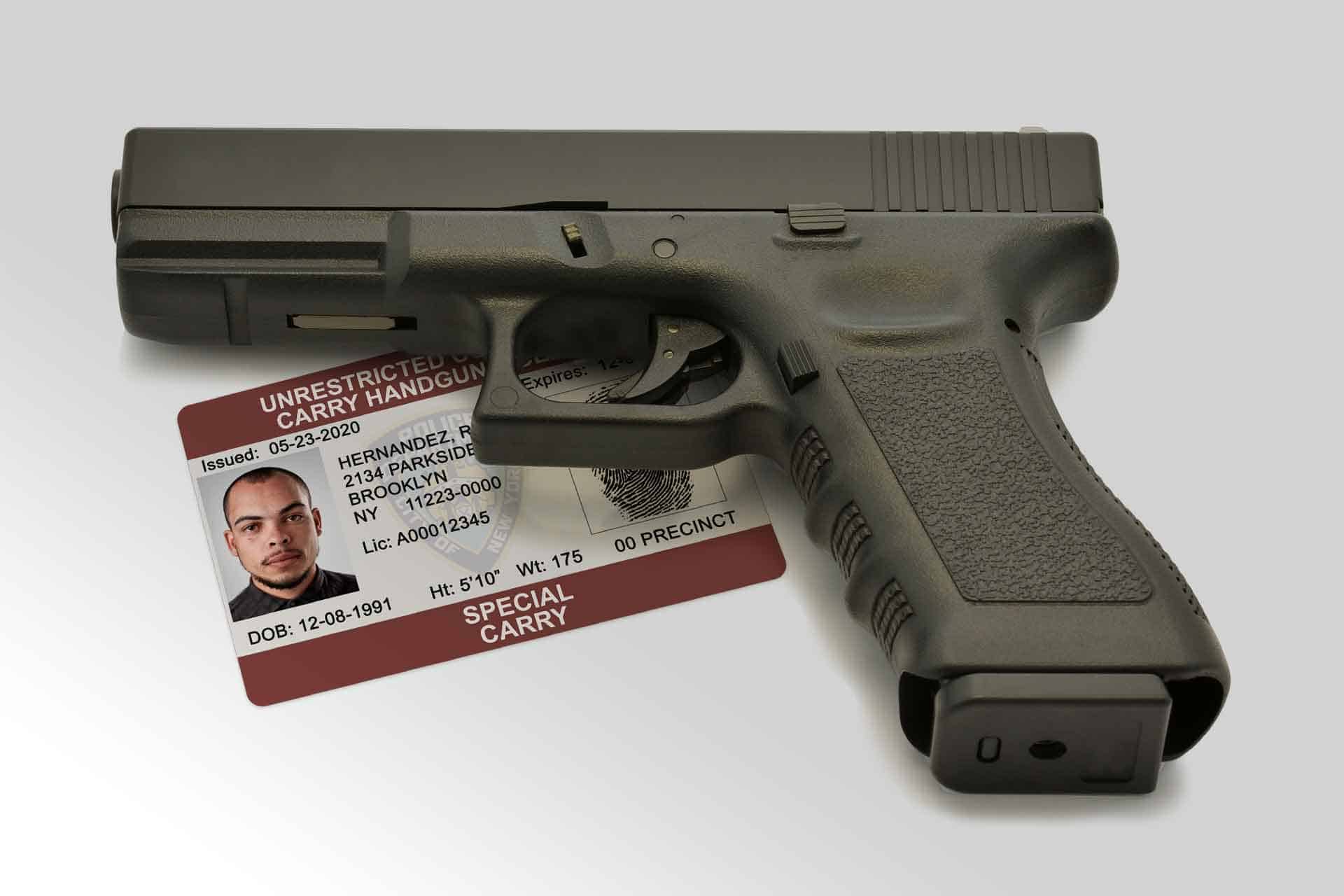
The Short Answer: A Complex “Yes, But…”
In the simplest terms, carrying a handgun in New York City is exceptionally difficult, even for residents, and almost universally prohibited for non-residents. While the Second Amendment of the United States Constitution protects the right to keep and bear arms, states and municipalities retain significant authority to regulate firearms. New York State, and especially New York City, have historically exercised this authority to its fullest extent, implementing some of the most stringent gun laws in the nation.
New York State vs. New York City Laws: A Tale of Two Jurisdictions
It’s crucial to understand that while New York State has strict laws, New York City imposes an additional layer of even more restrictive regulations. Under the New York State Penal Law, possession of a handgun requires a license. These licenses are issued by local authorities, typically the county court judge or, in the case of New York City, the New York City Police Department (NYPD) License Division.
The significant difference lies in the requirements for obtaining a carry permit. Prior to a landmark Supreme Court decision, New York State law required individuals to demonstrate “proper cause” to carry a handgun in public. This often meant proving a special need for self-defense beyond a general desire, making carry permits exceedingly rare outside of specific professions or demonstrated threats. While some rural areas of New York State might have issued more carry permits, New York City maintained an almost impenetrable barrier to public carry for the average citizen.
The Bruen Decision and Its Impact
In June 2022, the United States Supreme Court issued a pivotal ruling in the case of New York State Rifle & Pistol Association Inc. v. Bruen, often referred to as the Bruen Decision. This decision fundamentally altered the landscape of gun laws in New York and other “may-issue” states. The Court ruled that the “proper cause” requirement for concealed carry licenses was unconstitutional, affirming an individual’s right to carry a handgun in public for self-defense.
In response to Bruen, New York State swiftly enacted the Concealed Carry Improvement Act (CCIA). While the CCIA removed the “proper cause” standard, it replaced it with new, equally stringent requirements designed to maintain public safety, especially in densely populated areas like NYC. These new requirements include:
- Enhanced Training: Mandatory 16 hours of classroom training and 2 hours of live-fire handgun training.
- Character References: Providing several character references.
- Social Media Review: Submission of social media accounts for review by licensing authorities.
- Interviews: Mandatory in-person interviews.
- Defining “Sensitive Locations”: A broad expansion of places where firearms are prohibited, even for permit holders.
Thus, while the legal framework for obtaining a carry permit has technically shifted, the practical reality of carrying a handgun in New York City remains incredibly challenging and restricted.
Navigating New York City’s Licensing Labyrinth
For residents of New York City, obtaining any handgun license is a rigorous and lengthy process overseen by the NYPD License Division. It’s a journey that demands patience, meticulous documentation, and a clear understanding of the law.
Types of Handgun Licenses in NYC
The NYPD issues several types of handgun licenses, each with specific limitations:
-
Premises Permit (Residence/Business): This is the most common type of handgun license issued in New York City. It authorizes the licensee to possess a handgun only at the address specified on the license, typically their home or place of business. The firearm must be secured within the premises and cannot be carried outside, even unloaded, without a special transport permit or a specific waiver for range use. For visitors staying at hotels or apartments, this type of permit is not applicable for their temporary lodging.
-
Carry Permit (Concealed Carry): This is the license that allows an individual to carry a concealed handgun in public. Post-Bruen and the CCIA, the “proper cause” standard is gone, but the new requirements for training, character references, and background checks are extensive. NYC remains highly cautious in issuing these permits, and applicants must still demonstrate they meet all criteria, which include an assessment of “good moral character” and suitability by the NYPD. This type of permit is generally not available to non-residents.
-
Special Carry Permits (e.g., Sportsman Permit): These permits allow for limited carry for specific activities, such as target shooting at an authorized range or hunting during specific seasons. Even with a sportsman permit, a handgun must generally be unloaded and securely contained when being transported to and from the designated activity, and cannot be carried openly or concealed in public for general self-defense.
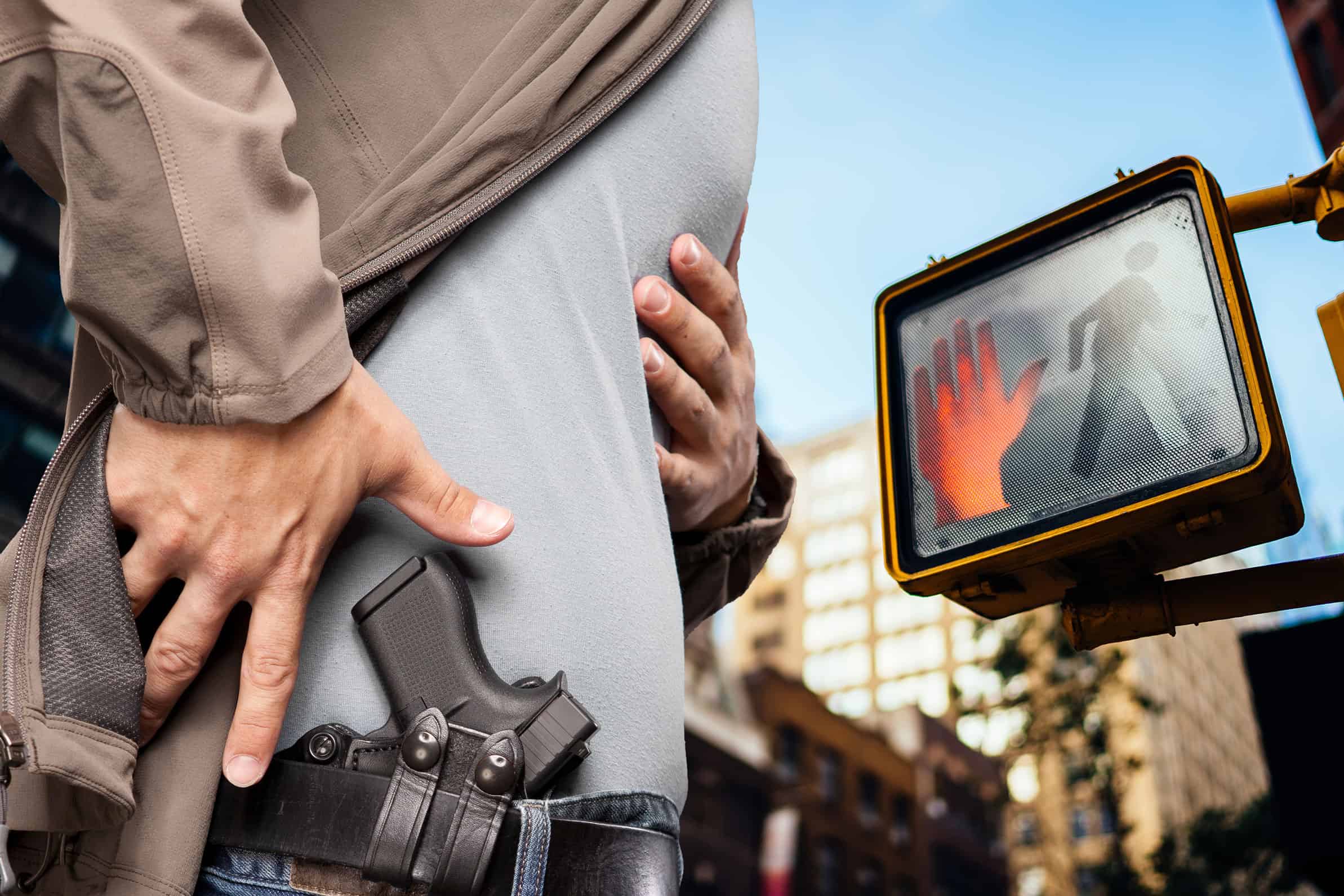
The Application Process: Rigorous and Demanding
Applying for any handgun license in New York City is a complex undertaking. Key requirements include:
- Age and Residency: Applicants must be at least 21 years old and a bona fide resident of New York City or have a primary place of business within the city limits.
- Background Check: An exhaustive background investigation is conducted, including criminal history, mental health records, and domestic violence history.
- Fingerprinting: Applicants must be fingerprinted.
- Training: As per the CCIA, completion of an approved 18-hour firearm safety training course (16 hours classroom, 2 hours live-fire) is mandatory for carry permits.
- References: Multiple character references are required, and the NYPD often contacts these individuals directly.
- Personal Interview: Applicants must attend an interview with a licensing officer, where they are questioned about their reasons for wanting a license, their understanding of the law, and their personal history.
- Fees and Documentation: Substantial application fees and extensive documentation, including proof of address, employment, and identification, are required.
The entire process can take many months, often exceeding six months to a year, due to the thoroughness of the NYPD’s investigation. Even after fulfilling all requirements, issuance is not guaranteed, and the NYPD retains significant discretion.
Understanding “Sensitive” and “Restricted” Locations
One of the most significant aspects of New York’s CCIA is the expansive definition of “sensitive locations” where carrying a firearm is strictly prohibited, even for individuals with valid carry permits. These areas encompass a vast portion of public life in New York City, making open or concealed carry practically impossible in many popular tourist destinations and everyday environments.
Examples of “sensitive locations” include, but are not limited to:
- Government Buildings: Courthouses, police stations, election polling places, offices of government agencies.
- Educational Institutions: Schools (K-12), colleges, universities, and their grounds.
- Public Transportation: Subways, buses, commuter rails (e.g., MTA system), and related facilities like Grand Central Terminal or Penn Station.
- Places of Worship: Churches, synagogues, mosques, temples, and other religious establishments.
- Healthcare Facilities: Hospitals, clinics, nursing homes.
- Public Parks and Playgrounds: Such as Central Park, Prospect Park, and thousands of smaller parks across the boroughs.
- Zoos and Botanical Gardens: Including the Bronx Zoo and the Brooklyn Botanic Garden.
- Casinos and Gaming Facilities: Though none exist directly in NYC, this applies to any within New York State.
- Major Entertainment Venues: Theaters (Broadway), concert halls (Radio City Music Hall), museums (Metropolitan Museum of Art), sports arenas (Madison Square Garden).
- Times Square: Specifically designated as a “Times Square Gun Free Zone.”
- Any place licensed to sell or consume alcohol on premises.
- Large public gatherings, demonstrations, or rallies.
In addition to “sensitive locations,” the CCIA also introduced the concept of “restricted locations,” which are private properties where the owner, lessee, or operator has chosen to prohibit firearms by posting signs or explicitly stating the prohibition. This means that many hotels, restaurants, shops along Fifth Avenue, and other private businesses can lawfully ban firearms, even if they are not explicitly “sensitive locations.”
Carrying a handgun in any of these prohibited areas, even with a valid New York State carry permit, can lead to severe criminal charges, including felony offenses, significant fines, and potential jail time.
For Travelers and Visitors: Reciprocity and Interstate Travel
For individuals visiting New York City from other states, the rules are even stricter. New York State does not recognize handgun permits or licenses from any other state. This means that a concealed carry permit valid in Texas, Florida, or any other state is completely invalid in New York, especially within New York City.
Ignorance of this law is not a defense, and out-of-state residents carrying a handgun in NYC without a specific New York State license face immediate arrest and prosecution. These are often felony charges, carrying severe penalties including imprisonment, even for individuals with no criminal history who were lawfully carrying in their home state. This is a crucial point for anyone planning travel to New York City, whether for tourism, family trips, or business stays.
Transporting Firearms Through NYC
For individuals legally transporting firearms through New York City as part of interstate travel, federal law provides limited protection under the Firearm Owners’ Protection Act (FOPA). FOPA allows for the interstate transportation of unloaded firearms, provided they are stored in a locked container and inaccessible, and that the traveler is merely passing through a jurisdiction on the way to a place where possession is legal.
However, relying on FOPA in New York City is highly risky and should only be undertaken with extreme caution and a thorough understanding of all federal and state requirements. Any deviation from the strict FOPA guidelines—such as making an overnight stop, deviating from a direct route, or having the firearm easily accessible—can lead to arrest and prosecution under New York State and NYC laws. For the vast majority of visitors, the safest and most prudent advice is simply do not bring a handgun to New York City.

The Broader Lifestyle and Tourism Implications
For a website focused on travel, hotels, tourism, and lifestyle, the stringent handgun laws in New York City have significant implications. NYC’s approach to firearms is deeply ingrained in its urban culture and its efforts to ensure public safety in a densely populated environment.
Visitors planning their vacation to NYC should understand that the city is designed to be enjoyed without the presence of personal firearms. Whether you’re staying at a luxury suite in a Manhattan hotel like the Plaza Hotel, exploring the historic Brooklyn Bridge, or enjoying local food activities in Greenwich Village, the expectation is that visitors and residents alike will adhere to the city’s strict gun control regime. The peace of mind for many who visit and live in NYC comes from knowing that the likelihood of encountering firearms in public spaces is exceptionally low, fostering an environment where millions can enjoy the city’s myriad attractions safely.
For those considering a long-term stay or even relocating to New York City, understanding these laws is an essential part of adapting to the NYC lifestyle. It impacts personal security choices, recreational activities, and even the types of accommodation one might seek. The city prioritizes collective safety through regulation, a perspective that shapes much of its public policy and daily life.
It is always advisable to consult with a qualified legal professional specializing in New York State and New York City firearms law for specific advice tailored to your individual circumstances. The information provided here is for general informational purposes only and not legal advice.
In conclusion, while the question “Can you carry a handgun in New York City?” technically elicits a “yes” for a select few residents who navigate a complex and demanding licensing process, the practical reality for most people, especially visitors, is a resounding “no.” New York City remains committed to its stringent gun control measures, ensuring that the experience of exploring its landmarks, enjoying its culture, and living its vibrant lifestyle is one defined by safety and adherence to its unique legal framework.
LifeOutOfTheBox is a participant in the Amazon Services LLC Associates Program, an affiliate advertising program designed to provide a means for sites to earn advertising fees by advertising and linking to Amazon.com. Amazon, the Amazon logo, AmazonSupply, and the AmazonSupply logo are trademarks of Amazon.com, Inc. or its affiliates. As an Amazon Associate we earn affiliate commissions from qualifying purchases.