
The allure of the American West often sparks dreams of vast landscapes, vibrant cities, and unforgettable adventures. For many travelers, the journey between the majestic mountains of Colorado and the sun-drenched coasts of California represents the quintessential road trip or a swift aerial escape. While seemingly worlds apart in their defining characteristics, these two states share a common thread of breathtaking natural beauty and rich cultural experiences, making the question of “how far” not just about mileage, but about the scope of exploration possible between them.
Whether you’re planning a cross-country move, a leisurely vacation, or a quick business trip, understanding the distance, travel time, and various transportation options is crucial. This guide delves into the practicalities of traversing the approximately 1,000-mile stretch that separates the Centennial State from the Golden State, offering insights into routes, attractions, and how to make the most of your journey.
The Straight Shot: Understanding the Distance and Drive Time
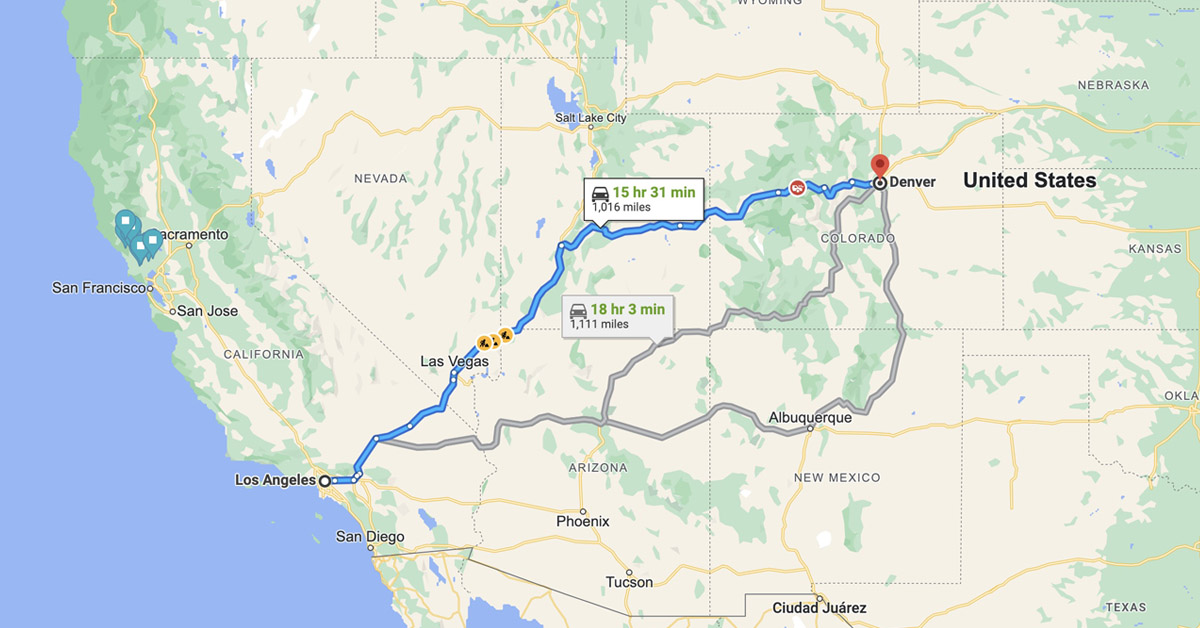
At its core, the distance between Colorado and California is substantial, placing them on opposite sides of the Western United States. The exact mileage depends significantly on your specific starting point in Colorado and your chosen destination in California.
Key Routes and Mileage
For illustrative purposes, let’s consider a few popular city-to-city routes:
- Denver, Colorado to Los Angeles, California: This is perhaps the most common route. Traveling primarily via Interstate 70 (I-70) west through Utah and then south on Interstate 15 (I-15) through Nevada, the distance typically spans around 1,000 to 1,100 miles. The pure driving time for this route is approximately 15 to 18 hours, without factoring in stops for fuel, food, rest, or sightseeing.
- Denver, Colorado to San Francisco, California: Heading northwest from Denver towards Salt Lake City and then west across Nevada towards Northern California generally covers about 1,200 to 1,300 miles. This journey typically requires 18 to 20 hours of continuous driving.
- Colorado Springs, Colorado to San Diego, California: A southern route, often cutting through Arizona, would be similar in distance to the Denver to Los Angeles path, roughly 1,000 to 1,150 miles, with a driving time of 16 to 19 hours.
Factors Influencing Travel Time
While the raw mileage provides a baseline, several elements can significantly alter your actual travel time:
- Traffic: Urban centers like Denver, Las Vegas, Los Angeles, and San Francisco are notorious for heavy traffic, especially during peak hours. Delays can add hours to your trip.
- Weather Conditions: Traveling across the intermountain West means encountering diverse climates. Snowstorms in the Rocky Mountains or extreme heat in the Mojave Desert can impact road conditions and driver endurance.
- Road Construction: Ongoing infrastructure projects can lead to lane closures and detours, particularly during the warmer months.
- Stops and Detours: The beauty of a road trip lies in its flexibility. If you plan to stop at national parks, roadside attractions, or charming towns, your travel time will naturally extend. For a comfortable and safe journey, most experts recommend limiting daily driving to 8-10 hours, meaning a 2-3 day trip for the distances mentioned.
Embarking on the Journey: Modes of Transportation
With such a significant distance, travelers have several compelling options for making the journey from Colorado to California, each offering a unique experience.
The Classic American Road Trip
Driving is undoubtedly the most popular way to bridge the gap, offering unparalleled freedom and the opportunity for discovery. A road trip allows you to tailor your itinerary, explore off-the-beaten-path destinations, and immerse yourself in the changing landscapes.
- Pros: Flexibility, scenic routes, ability to carry more luggage, cost-effective for groups, unique experiences like driving sections of Route 66.
- Cons: Can be tiring, requires vehicle maintenance checks, fuel costs can add up, potential for unexpected delays.
- Accommodation on the Road: Along major interstates like I-70 and I-15, you’ll find a plethora of hotels, motels, and budget-friendly accommodations. Cities like Grand Junction, Moab, St. George, and Las Vegas offer a range of options from roadside inns to luxurious resorts, making them ideal overnight stops. When traveling, researching and booking your hotels in advance, especially during peak season, can save both time and money.
Flying Between the States
For those prioritizing speed and convenience, flying is the most efficient option. Direct flights connect major airports in both states, significantly reducing travel time.
- Key Airports:
- Colorado: Denver International Airport (DEN) is the primary hub, offering numerous daily flights to California.
- California: Major airports include Los Angeles International Airport (LAX), San Francisco International Airport (SFO), San Diego International Airport (SAN), and others throughout the state.
- Flight Duration: A direct flight between Denver and Los Angeles or San Francisco typically lasts between 2 to 3 hours. Add in airport check-in, security, and travel to/from the airport, and the total door-to-door time is usually 5-7 hours.
- Pros: Fastest travel time, comfortable for long distances, good for business travel or short trips.
- Cons: Less scenic, can be more expensive, baggage restrictions, airport logistics can be stressful, less flexibility once at the destination without a rental car.
Alternative Transportation Options
While less common, other modes of transport exist for the adventurous or budget-conscious traveler.
- Train (Amtrak): Amtrak offers routes connecting Colorado and California, such as the California Zephyr, which travels from Chicago through Denver and Salt Lake City to Emeryville (San Francisco Bay Area). This scenic journey takes significantly longer (24-30+ hours) but offers a unique, leisurely way to see the country, with sleeper cars and dining options.
- Bus (Greyhound & others): Long-distance bus services provide an economical option, though they are the slowest, with numerous stops and longer travel times (24-36+ hours). They are often a choice for budget travelers or those without access to a personal vehicle.
Crafting Your Itinerary: Destinations Along the Way and Beyond
The journey from Colorado to California is not merely about reaching a destination; it’s an opportunity to discover the diverse landscapes and cultures of the American West.
Must-See Stops on a Colorado-California Road Trip
If you choose the open road, consider integrating some of these incredible landmarks and attractions into your itinerary:
- Arches National Park & Canyonlands National Park, Utah: Just west of the Colorado border near Moab, these parks boast stunning red rock formations, natural arches, and dramatic desert landscapes. An essential stop for nature lovers.
- Zion National Park & Bryce Canyon National Park, Utah: A slight detour south of I-15 can lead you to these breathtaking parks, famous for their towering sandstone cliffs and unique amphitheaters of hoodoos.
- Grand Canyon National Park, Arizona: While it requires a more significant detour south, witnessing the sheer scale and beauty of the Grand Canyon is an unparalleled experience that many travelers deem worthwhile.
- Las Vegas, Nevada: “Sin City” offers a vibrant, neon-lit contrast to the natural beauty of the parks. It’s a popular stop for entertainment, dining, and world-class hotels before the final stretch into California.
- Death Valley National Park, California: If you’re heading to Southern California and brave the heat (especially in summer), this park offers an otherworldly landscape of salt flats, sand dunes, and colorful badlands.
Exploring Colorado: Beyond the Mile High City
Before you depart, ensure you’ve experienced the best of Colorado:
- Rocky Mountain National Park: Iconic peaks, alpine lakes, and abundant wildlife make this a must-visit for hikers and nature enthusiasts.
- Aspen & Vail: World-renowned ski resorts that transform into luxurious summer playgrounds, offering high-end dining, shopping, and outdoor activities.
- Colorado Springs: Home to the stunning red rock formations of Garden of the Gods, the historic Pikes Peak, and the unique Cheyenne Mountain Zoo.
- Mesa Verde National Park: In southwestern Colorado, explore ancient Pueblo cliff dwellings and learn about the rich history of the Ancestral Puebloans.
Discovering California: From Golden Coasts to Majestic Mountains
Upon arrival, California greets you with an overwhelming array of attractions:
- Southern California: Dive into the magic of Disneyland Resort in Anaheim, explore the vibrant culture of Los Angeles (including the Hollywood Walk of Fame and Universal Studios Hollywood), relax on the beaches of Santa Monica Pier, or discover the sunny charm of San Diego, home to the San Diego Zoo and the historic Gaslamp Quarter. Further inland, Palm Springs offers a desert oasis with mid-century modern architecture.
- Central California: Drive the scenic Pacific Coast Highway (Highway 1) for breathtaking ocean views, visit the charming town of Santa Barbara, and explore the natural wonders of Yosemite National Park with its towering granite cliffs and waterfalls.
- Northern California: Experience the iconic Golden Gate Bridge and vibrant neighborhoods of San Francisco, take a ferry to Alcatraz Island, or indulge in world-class wines in Napa Valley and Sonoma. For mountain enthusiasts, Lake Tahoe offers year-round recreation.
Planning Your Stay: Accommodation and Travel Tips
Regardless of your chosen mode of travel, thoughtful planning for accommodation and budgeting will enhance your experience.
Finding the Perfect Hotel or Resort
- Variety of Options: Both Colorado and California offer an extensive range of accommodations. From luxurious resorts and boutique hotels in major cities and scenic areas to budget-friendly motels and charming vacation rentals, there’s something for every preference and wallet.
- Booking and Reviews: Utilize reputable booking websites to compare prices, read recent reviews, and secure your stays in advance, especially during peak travel seasons or for popular destinations. Many platforms also offer loyalty programs or flexible cancellation policies.
- Amenities: Consider what amenities are important for your trip. Are you seeking a resort with a pool and spa after a long drive? Or a pet-friendly hotel for your furry companion? Perhaps an apartment-style stay for longer visits, complete with a kitchen.

Budgeting for Your Adventure
Traveling between Colorado and California can be as budget-friendly or as luxurious as you make it.
- Transportation Costs: Flying is often cheaper if booked in advance, but can incur extra costs for baggage and airport transfers. Driving costs include fuel, potential tolls, and vehicle wear-and-tear.
- Accommodation Expenses: Hotels can range from $70-$100 per night for budget options to several hundred dollars for luxury resorts. Vacation rentals (villas, apartments) can be cost-effective for families or longer stays.
- Food and Activities: Factor in daily expenses for meals, snacks, and entrance fees to national parks, museums, or attractions like Disneyland Resort. Dining out in major cities can be expensive, so consider balancing with grocery store stops or preparing your own meals if your accommodation allows.
- Lifestyle Choices: A luxury travel experience might involve five-star hotels, gourmet dining, and guided tours, while budget travel focuses on cost-saving measures like camping, hostels, and cooking your own food. Family trips might require specific accommodations and activities suitable for all ages, while business stays prioritize proximity to meeting locations and efficient transport.
In conclusion, the distance between Colorado and California is significant, yet highly manageable with proper planning. Whether you opt for the swiftness of air travel or the immersive experience of a cross-country road trip, the journey promises a rich tapestry of American landscapes and memorable moments. From the soaring peaks of the Rockies to the iconic beaches and bustling cities of the Pacific, the path connecting these two magnificent states is an adventure in itself, waiting to be explored.
LifeOutOfTheBox is a participant in the Amazon Services LLC Associates Program, an affiliate advertising program designed to provide a means for sites to earn advertising fees by advertising and linking to Amazon.com. Amazon, the Amazon logo, AmazonSupply, and the AmazonSupply logo are trademarks of Amazon.com, Inc. or its affiliates. As an Amazon Associate we earn affiliate commissions from qualifying purchases.