
The journey from the bustling metropolis of New York to the vibrant shores of Atlantic City, New Jersey, is a popular pilgrimage for millions seeking an escape from the daily grind. Whether it’s the allure of the casinos, the historic Atlantic City Boardwalk, or the refreshing ocean breeze, this route is a well-trodden path. For prospective travelers, one of the most fundamental questions is often: “How far is it, and how long will it take?” This article aims to comprehensively answer these questions, delving into the distances, travel times, transportation options, and invaluable tips to ensure your trip is as smooth and enjoyable as possible.

The appeal of Atlantic City lies in its unique blend of entertainment, dining, and relaxation, offering a distinct contrast to the urban intensity of New York City. From luxurious resort stays to budget-friendly adventures, there’s something for every type of traveler. Understanding the logistics of reaching this iconic East Coast destination is the first step in planning an unforgettable experience. We will explore everything from driving routes and public transportation intricacies to the hidden gems along the way, helping you make an informed decision for your next getaway.
The Distance Unpacked: How Far Is Atlantic City from New York?
Understanding the geographical span between New York and Atlantic City is crucial for planning your travel. While maps might suggest a straight line, real-world routes involve navigating highways and byways, each with its own character and potential for scenic detours.
The Straight Line vs. The Open Road: Actual Mileage
As the crow flies, the distance between New York City and Atlantic City is approximately 100 miles (161 kilometers). However, land travel requires following existing road networks, which naturally increases the mileage. When traveling by car, the typical driving distance ranges from 125 to 130 miles (201 to 209 kilometers), depending on your exact starting point in New York City and your specific destination in Atlantic City. This slight variation is negligible in terms of overall travel planning but important for precise calculations if you’re charting your route down to the last mile. The primary routes often involve a combination of major interstates and scenic parkways, each contributing to the total distance covered.
Understanding Travel Time Variables
Distance alone doesn’t tell the full story; travel time is equally, if not more, important. The journey from New York to Atlantic City is significantly influenced by several factors, making accurate time estimation a blend of art and science.
- Traffic Conditions: This is perhaps the most significant variable. Traveling during peak hours (morning and evening commutes, especially on weekdays) or on Friday afternoons and Sunday evenings can drastically extend travel times. Summer weekends, in particular, see a surge in traffic as many head to the Jersey Shore, leading to congestion on major arteries like the Garden State Parkway and the Atlantic City Expressway. A journey that typically takes just over two hours can easily stretch to three, four, or even five hours under heavy traffic.
- Time of Day and Week: As mentioned, avoiding rush hour and popular travel days can save considerable time. Mid-week, mid-day travel generally offers the quickest routes.
- Stops Along the Way: Whether for gas, food, or a quick stretch, any planned or unplanned stops will add to your total travel duration. Factor these into your itinerary, especially if traveling with family.
- Road Construction: Ongoing road maintenance and construction projects can introduce delays. Checking real-time traffic apps before and during your journey is highly recommended.
- Weather: Adverse weather conditions, such as heavy rain, snow, or fog, can slow down travel significantly, not only due to reduced visibility but also due to increased caution from drivers and potential road closures.
Considering these variables, a smooth, uninterrupted drive can be completed in approximately 2 to 2.5 hours. However, it’s prudent to budget at least 3 to 3.5 hours to account for potential delays, especially if you’re traveling during popular times. For those planning a bus or train journey, these factors are largely handled by the operators, but delays can still occur.
Navigating the Journey: Transportation Options
Traveling from New York to Atlantic City offers a variety of transportation choices, each with its own set of advantages and considerations regarding cost, convenience, and travel time. Your preferred mode will likely depend on your budget, schedule, and desired level of comfort.
Driving: The Ultimate Road Trip Freedom
For many, driving remains the most popular and flexible option. It offers the freedom to depart and arrive on your own schedule, make spontaneous stops, and carry as much luggage as you need.
- Route: The most common driving route involves taking the Garden State Parkway South (toll road) to Exit 38A, which seamlessly merges onto the Atlantic City Expressway (another toll road). The Parkway itself offers scenic views and numerous rest stops.
- Travel Time: Under ideal conditions (no traffic), the drive typically takes 2 hours to 2 hours and 30 minutes. However, as discussed, this can easily extend to 3-4 hours or more during peak travel times, especially on Friday evenings or summer weekends.
- Cost: This includes gas, tolls, and parking. Tolls on the Garden State Parkway and Atlantic City Expressway can add up, costing approximately $10-$20 one-way, depending on your entry and exit points and payment method (E-ZPass is generally cheaper and more convenient). Gas costs will vary based on your vehicle’s fuel efficiency and current gas prices. Parking in Atlantic City at casinos or resorts can range from free (with casino player cards or specific bookings) to $10-$25 per day.
- Pros: Maximum flexibility, privacy, ability to carry more luggage, ideal for group travel or families, opportunities for scenic detours.
- Cons: Potential for heavy traffic, tolls, parking fees, driver fatigue.
Bus Travel: Economical and Convenient
Bus services provide a cost-effective and relatively direct way to reach Atlantic City. Several reputable carriers offer regular routes from New York City to various points in Atlantic City.
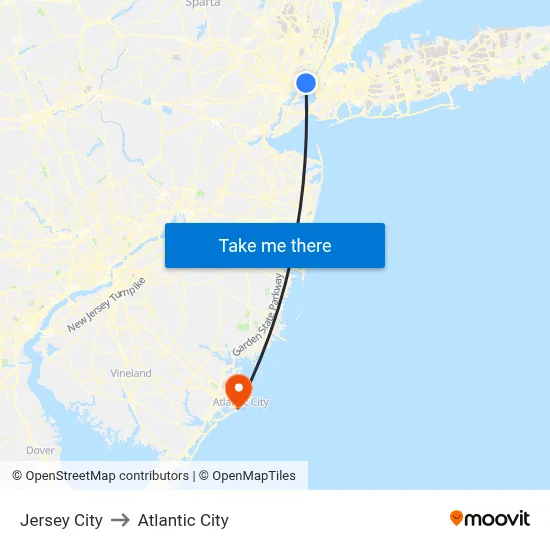
- Carriers: Major bus companies like Greyhound and OurBus operate frequent services. Additionally, many Atlantic City casinos (such as Borgata, Hard Rock Hotel & Casino Atlantic City, Caesars Atlantic City, and Harrah’s Resort Atlantic City) offer their own promotional bus services, often with incentives like free play or meal vouchers, departing from various locations, most notably the Port Authority Bus Terminal in New York City.
- Travel Time: Typically ranges from 2 hours and 30 minutes to 3 hours and 30 minutes, depending on traffic and the number of stops. Direct services are generally quicker.
- Cost: Bus tickets are usually the most budget-friendly option, with fares ranging from $15-$40 one-way, though prices can fluctuate based on booking in advance and promotional offers. Casino buses might offer even lower fares, sometimes as low as $10-$20 round-trip with casino incentives.
- Pros: Economical, no need to worry about driving, tolls, or parking; direct routes often drop you off right at a casino resort entrance; amenities like Wi-Fi and restrooms on board.
- Cons: Less flexible schedule, potential for delays due to traffic, crowded buses, limited luggage space compared to a car.
Train Travel: A Scenic Alternative
While there isn’t a direct train route from New York City straight to Atlantic City, a multi-leg journey is possible and offers a more relaxed, traffic-free experience.
- Route: Travelers typically take an Amtrak train from New York City’s Moynihan Train Hall or Penn Station (which is underneath Moynihan) along the Northeast Corridor to either Trenton or Philadelphia. From there, you would transfer to an NJ Transit train, specifically the Atlantic City Line, which terminates at the Atlantic City Rail Terminal.
- Travel Time: This multi-leg journey generally takes longer than driving or taking a direct bus, typically ranging from 3 hours to 4 hours and 30 minutes, depending on connection times and specific train schedules.
- Cost: Train tickets can be more expensive than bus fares, with Amtrak legs potentially costing $20-$60+ and NJ Transit fares adding another $10-$15. Total one-way cost could range from $30-$75+.
- Pros: Comfortable seating, ability to walk around, no traffic concerns, often scenic views (especially on the NJ Transit portion), ideal for those who prefer not to drive.
- Cons: Longer travel time due to transfers, potentially higher cost, less direct.
Flying: The Fastest, But Not Always the Easiest
While flying might seem like the quickest option, the logistics involved often make it less practical for this specific route compared to ground transportation, especially given the relatively short distance.
- Airports: The closest airport is Atlantic City International Airport (ACY). Travelers from New York City would typically fly from Newark Liberty International Airport (EWR) or LaGuardia Airport (LGA), often with a connecting flight, or consider flying into Philadelphia International Airport (PHL) and taking ground transport to Atlantic City.
- Travel Time: The flight itself is very short, perhaps 30-45 minutes. However, when factoring in travel to the airport, security checks, boarding, deplaning, and ground transportation from ACY or PHL to your final destination in Atlantic City, the total door-to-door travel time often exceeds that of driving or taking a bus, easily reaching 4-6 hours.
- Cost: Airfares can vary wildly but are generally the most expensive option for this route, often ranging from $100-$300+ round-trip, not including airport transfers and baggage fees.
- Pros: Fastest actual transit time in the air.
- Cons: Highest cost, significant time spent on airport logistics, multiple transfers, environmental impact. Generally not recommended for this particular route unless you have specific reasons or are connecting from a much longer journey.
Making the Most of Your Atlantic City Experience
Once you’ve successfully navigated the journey, Atlantic City opens up a world of entertainment, relaxation, and cultural experiences. Planning your activities and accommodation in advance will maximize your enjoyment.
Top Attractions and Activities
Atlantic City is renowned for its diverse offerings, catering to a wide range of interests. Whether you’re a high-roller or a family looking for fun, there’s something to captivate everyone.
- The Atlantic City Boardwalk: This iconic landmark, the world’s first, stretches for miles, offering stunning ocean views, unique shops, diverse restaurants, and vibrant street performers. It’s perfect for a leisurely stroll, a bike ride, or simply soaking in the atmosphere.
- Casinos and Resorts: Atlantic City is synonymous with its world-class casinos. Beyond gambling, these establishments, such as Borgata, Hard Rock Hotel & Casino Atlantic City, Caesars Atlantic City, and Harrah’s Resort Atlantic City, offer lavish suites, gourmet dining, live entertainment, spas, and luxurious pools. Each resort has its own distinct theme and amenities, providing endless activities and experiences.
- Beaches: The expansive, free beaches of Atlantic City are perfect for sunbathing, swimming, surfing, or simply relaxing by the ocean.
- Shopping: From high-end boutiques at The Pier Shops at Caesars to incredible deals at Tanger Outlets The Walk, Atlantic City offers a premier shopping experience for every budget.
- Family Fun: Steel Pier, an amusement park extending over the ocean, offers classic rides and games. For a bit of history and stunning views, climb the Absecon Lighthouse, New Jersey’s tallest lighthouse.
- Dining and Local Culture: Beyond the casino resorts, explore the diverse food scene, from casual seafood shacks to fine dining establishments. Experience the local culture through various festivals and events throughout the year.
Accommodation Choices
Atlantic City boasts a wide array of accommodation options to suit every preference and budget. Whether you’re seeking luxury travel or a budget travel solution, you’ll find choices aplenty.
- Luxury Resorts and Hotels: The prominent casino resorts are the most popular choice, offering comprehensive amenities including gaming, entertainment, dining, spas, and sometimes even shopping centers. Properties like Borgata, Ocean Casino Resort, and Hard Rock Hotel & Casino Atlantic City provide a full-service experience.
- Boutique Hotels: For those seeking a more intimate or unique stay, several boutique hotels offer personalized service and distinctive charm, often located closer to the boardwalk or specific neighborhoods.
- Budget-Friendly Options: There are also numerous affordable hotels and motels throughout Atlantic City and its surrounding areas, providing comfortable stays for those on a tighter budget.
- Apartments and Villas: For longer stays, family trips, or those preferring self-catering options, vacation rentals through platforms that offer apartments or villas can be an excellent choice, providing more space and a home-like feel.
- Booking and Reviews: Always check recent reviews and compare prices across different booking platforms to find the best deal for your desired level of comfort and convenience. Consider the proximity to your preferred attractions or the ease of access to public transportation within the city.

Tips for a Smooth Journey and Stay
To ensure a seamless travel and stay experience, consider these practical tips:
- Book in Advance: Especially during peak season (summer, holidays, major events), booking transportation and accommodation well in advance can secure better prices and availability.
- Check Traffic/Transit Updates: Before departing, consult real-time traffic apps (like Google Maps or Waze) for driving conditions or check bus/train service alerts for any delays.
- Pack Smart: Depending on the season, pack appropriate attire for the beach, casinos, and nightlife. Don’t forget essentials like sunscreen and comfortable walking shoes for the boardwalk.
- Tolls and Parking: If driving, have an E-ZPass or cash ready for tolls. Research parking options and costs at your chosen Atlantic City resort or destination.
- Local Transportation: Once in Atlantic City, consider using Jitneys (local mini-buses), taxis, rideshares, or the boardwalk tram to get around efficiently. Many resorts are within walking distance of each other along the boardwalk.
- Budgeting: Set a budget for gambling, dining, and activities to ensure a stress-free trip, whether you’re on a luxury travel spree or a budget travel adventure.
The journey from New York to Atlantic City is more than just covering distance; it’s about choosing the mode of travel that best suits your needs and setting the stage for an unforgettable experience. Whether you opt for the independence of driving, the economy of a bus, or the leisurely pace of a train, each path leads to a vibrant destination rich with entertainment and coastal charm. By considering the factors of distance, time, and cost, and by leveraging the comprehensive guides and tips provided, you’re well-equipped to plan a perfect getaway. So, pack your bags, choose your route, and prepare to discover the exhilarating appeal of Atlantic City!
LifeOutOfTheBox is a participant in the Amazon Services LLC Associates Program, an affiliate advertising program designed to provide a means for sites to earn advertising fees by advertising and linking to Amazon.com. Amazon, the Amazon logo, AmazonSupply, and the AmazonSupply logo are trademarks of Amazon.com, Inc. or its affiliates. As an Amazon Associate we earn affiliate commissions from qualifying purchases.