
Navigating a period of unemployment can be one of life’s most challenging transitions, affecting everything from daily routines to long-term financial stability and future lifestyle aspirations. For those residing in the Centennial State, understanding the specific procedures for filing for unemployment in Colorado is paramount to ensuring a smoother journey through this uncertain time. While the immediate focus might be on securing essential living expenses, a clear grasp of the benefits available can also influence how one plans for future travel, accommodation, and overall quality of life. This comprehensive guide aims to demystify the process, offering insights into eligibility, application steps, and crucial considerations for managing your financial well-being in Colorado. Whether you’re a long-time resident of Denver, a recent transplant to Boulder, or working in the vibrant tourism sector of Vail or Aspen, knowing how to access these vital resources is a foundational step toward maintaining your financial footing and planning for brighter days ahead.
Understanding Unemployment Benefits in Colorado
Unemployment insurance (UI) is a joint state and federal program designed to provide temporary financial assistance to workers who have lost their jobs through no fault of their own. In Colorado, this program is administered by the Colorado Department of Labor and Employment (CDLE). The benefits are not an entitlement but rather a safety net funded by employer contributions. Understanding the core principles of Colorado’s unemployment system is the first critical step before initiating an application. It helps set realistic expectations and ensures you gather all necessary information, which can make the difference between a swift approval and a lengthy appeals process.
Eligibility Requirements for UI in Colorado
To qualify for unemployment benefits in Colorado, applicants must meet specific criteria outlined by the CDLE. These requirements ensure that the benefits reach those who truly need them and who are actively seeking re-employment. The primary eligibility criteria include:
- Monetary Eligibility: You must have earned sufficient wages during your “base period.” The base period is typically the first four of the last five completed calendar quarters before the week you filed your claim. Colorado law specifies minimum earnings requirements in two quarters, as well as a total minimum across the entire base period. For instance, an individual working at a ski resort in Breckenridge or a hotel in Colorado Springs would need to demonstrate consistent employment and earnings during this period.
- Unemployed Through No Fault of Your Own: This is a cornerstone of unemployment insurance. Generally, if you were laid off due to a lack of work, a company downsizing, or your position was eliminated, you would meet this criterion. If you quit voluntarily without good cause attributable to the employer, or if you were fired for misconduct, you might be disqualified. Each case is reviewed individually by the CDLE, taking into account specific circumstances.
- Able and Available for Work: You must be physically and mentally able to work and available for suitable employment. This means you should not have any conditions that prevent you from accepting a job offer if one were to arise.
- Actively Seeking Work: While receiving benefits, you are generally required to make a specified number of work search contacts each week. This demonstrates your genuine effort to return to the workforce. The CDLE provides guidance on what constitutes an acceptable work search, which could include applying for jobs, attending job fairs, or participating in approved training programs. These requirements are critical for continuous benefit receipt and often need to be reported weekly.
What You’ll Need to Apply: Gathering Essential Information
Before you begin the application process, it’s crucial to gather all necessary documentation and information. Having these details ready will significantly streamline your application and help prevent delays. Think of it as preparing for an important trip – you wouldn’t leave without your passport and itinerary. For unemployment, your “travel documents” include:
- Social Security Number (SSN): Your nine-digit SSN is essential for identification and verification.
- Driver’s License or State ID Number: Another form of identification.
- Mailing Address and Phone Number: Up-to-date contact information is vital for communication from the CDLE.
- Employer Information: For all employers you worked for in the last 18 months:
- Employer name and address (including street, city, state, and ZIP code).
- Phone number.
- Dates of employment (start and end dates).
- Reason for separation (layoff, resignation, termination, etc.).
- Your gross earnings for the last week worked.
- Wage and Earnings Information: This might include pay stubs, W-2 forms, or other records of your earnings. This helps the CDLE determine your monetary eligibility and weekly benefit amount.
- Alien Registration Number (if not a U.S. citizen): For non-citizens, this document confirms your eligibility to work in the United States.
- Bank Account Information: For direct deposit of benefits (routing number and account number). This is the fastest and most secure way to receive payments.
- DD-214 (for military members): If you were a federal employee or recently separated from the military, additional documentation like Standard Form 8 or Form DD-214 will be required.
Having this information readily available will allow you to complete the application accurately and efficiently, reducing the likelihood of follow-up requests for missing data, which can prolong the waiting period for benefits.
The Step-by-Step Application Process
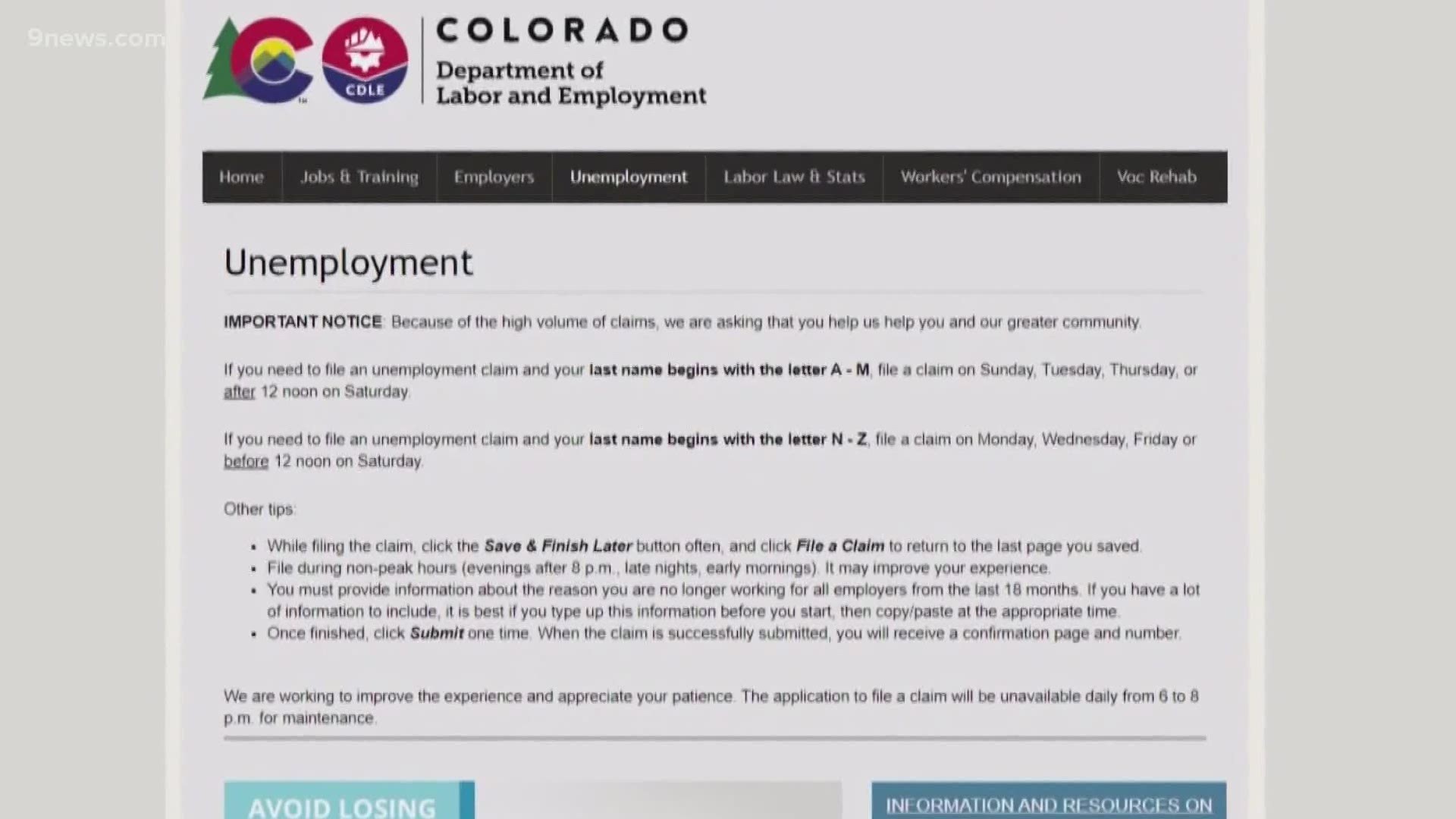
The application for unemployment benefits in Colorado is primarily an online process, designed for convenience and efficiency. The CDLE utilizes a dedicated portal, MyUI+, for filing new claims and managing existing ones. While the online system is user-friendly, understanding each step ensures you navigate the process without unnecessary hurdles.
Filing Your Initial Claim Online via MyUI+
The MyUI+ system is the gateway to your unemployment benefits. It’s accessible 24/7, allowing you to file your claim at your convenience.
- Create a MyUI+ Account: If you don’t already have one, your first step will be to create an account on the official CDLE MyUI+ portal. This involves setting up a username, password, and security questions. Ensure your information is accurate, as this account will be your primary point of contact with the CDLE.
- Start a New Claim: Once logged in, look for the option to “File a New Claim” or “Apply for Benefits.” The system will guide you through a series of questions about your identity, past employment, and reasons for unemployment. This is where the information you gathered earlier becomes indispensable. Be thorough and honest in your responses. Any discrepancies could lead to delays or even denial of benefits.
- Provide Employer Details: You will be asked to provide detailed information about your most recent employer and any other employers during your base period. This includes company names, addresses, dates of employment, and your earnings. The system uses this information to contact your former employers to verify your employment and the reason for your separation.
- Reason for Separation: Clearly articulate why you are no longer employed. If you were laid off, state “lack of work.” If there’s a more complex reason, provide a concise and factual explanation. Remember, the “no fault of your own” criterion is paramount here.
- Review and Submit: Before final submission, carefully review all the information you’ve entered. Mistakes can prolong the processing time. Once you’re confident everything is accurate, submit your claim. You will typically receive a confirmation number, which you should save for your records.
After submitting your claim, the CDLE will process it. This involves verifying your monetary eligibility and then conducting a “non-monetary determination,” which assesses the reason for your separation from work. This step may involve a phone interview with you and/or your former employer. The processing time can vary, but staying informed through your MyUI+ account is key.
Weekly Certifications: Maintaining Your Benefits
Filing your initial claim is just the beginning. To continue receiving unemployment benefits, you must file a “weekly certification” (also known as “requesting payment”) through your MyUI+ account. This crucial step confirms your ongoing eligibility.
- What to Certify: Each week, you’ll be asked to answer questions about your availability for work, any work you performed or earnings you received during that week, and your work search activities. Even if you only worked a few hours or earned a small amount, you must accurately report it. Failure to do so can result in overpayments, which you will be required to repay, and potential penalties.
- Work Search Requirements: As mentioned, you must actively seek work. The CDLE specifies the minimum number of work search contacts you need to make each week and what information you must record (e.g., date of contact, employer name, contact method, type of work sought, result). Keep detailed records of your job search efforts, as you may be asked to provide them.
- Filing Schedule: Weekly certifications typically cover the preceding calendar week (Sunday to Saturday) and must be submitted within a specific timeframe after the week ends, usually on Sundays or Mondays. Missing the deadline can cause delays in payment or even loss of benefits for that week.
Consistent and accurate weekly certifications are vital for the uninterrupted flow of your benefits. Treat this process with the same diligence you would a job application.
Understanding Potential Delays and The Appeals Process
Despite careful preparation, issues can arise. It’s important to understand potential delays and how to navigate the appeals process if your claim is denied or benefits are interrupted.
- Common Causes for Delays:
- Incomplete Information: Missing or incorrect details on your application.
- Employer Dispute: Your former employer may dispute the reason for your separation, requiring an investigation by the CDLE.
- High Volume: During periods of high unemployment, processing times can naturally be longer due to the sheer volume of claims.
- Identity Verification: The CDLE may require additional identity verification, especially if there are security concerns.
- The Appeals Process: If your claim is denied, or if you disagree with a CDLE determination regarding your eligibility or benefit amount, you have the right to appeal.
- Initial Appeal: You must file an appeal in writing (usually through MyUI+) within a specified timeframe (typically 20 calendar days from the mailing date of the determination).
- Hearing with an Administrative Law Judge (ALJ): Your appeal will generally lead to a hearing with an ALJ. This is a formal proceeding where you and your former employer (or their representative) can present evidence and testimony. It’s crucial to prepare for this hearing, gathering any documents that support your case.
- Appeals Board and Court Review: If you disagree with the ALJ’s decision, you can appeal further to the Colorado Industrial Claim Appeals Office (ICAO) and potentially even to the Colorado Court of Appeals.
Navigating an appeal can be complex, and seeking assistance from legal aid organizations or unemployment advocates can be beneficial. Throughout this process, continue to file your weekly certifications, as you may be eligible for retroactive payments if your appeal is successful.
Managing Your Lifestyle During Unemployment in Colorado
Unemployment is more than just a financial challenge; it can significantly impact your lifestyle, mental well-being, and future plans. For those who value travel, unique accommodations, and experiencing local culture, this period might feel particularly restrictive. However, by strategically managing your resources and leveraging available opportunities, you can not only navigate this phase but also emerge stronger, with new perspectives on your lifestyle and career path.
Budgeting and Financial Planning for Future Aspirations
Receiving unemployment benefits provides a temporary income stream, but it’s rarely enough to maintain a pre-unemployment lifestyle, especially one that included frequent travel or luxury accommodations. This period necessitates a re-evaluation of your financial habits and a focus on strategic budgeting.
- Assess Your Finances: Start by creating a detailed budget that tracks all incoming benefits and outgoing expenses. Prioritize essential costs like housing (whether renting an apartment in Denver or maintaining a home in Fort Collins), utilities, food, and healthcare.
- Trim Discretionary Spending: This is where lifestyle adjustments come into play. While you might dream of a lavish resort stay in Telluride or an international adventure, consider how to adapt your travel desires. Explore more budget-friendly staycations within Colorado. Discover the natural beauty of the Rocky Mountains through hiking or camping, which can be far more economical than booking a hotel suite. Many Colorado towns offer affordable attractions and local experiences that don’t break the bank.
- Future Travel Fund: Even during unemployment, it’s wise to maintain a small “future travel” or “opportunity” fund, however modest. This isn’t for immediate trips but for the psychological benefit of knowing that future adventures are still possible. It reinforces the idea that this period is temporary and that you’re planning for a return to your desired lifestyle. Perhaps you could research budget travel hacks, learn about credit card points for future hotel bookings, or explore long-term stay accommodation options that offer better rates for when you’re back on your feet.
Exploring New Opportunities and Skill Development
Unemployment, while difficult, can also be a valuable opportunity for introspection and career development. Many individuals use this time to pivot careers, learn new skills, or even explore starting their own ventures, potentially aligning with their passions for travel or hospitality.
- Skill Enhancement: The CDLE and other state agencies offer resources for job seekers, including free or low-cost training programs, workshops, and certifications. If you’ve always been interested in the tourism sector, perhaps this is the time to gain skills in digital marketing for a travel blog, hospitality management, or even language learning for future international experiences. Online courses through platforms like Coursera or edX can provide valuable credentials.
- Networking: Connect with professionals in your desired field. Attend virtual or in-person industry events (many of which are free). Platforms like LinkedIn can be invaluable for networking. You might discover opportunities in Colorado’s thriving tourism and hospitality industries, from managing boutique hotels in Boulder to guiding tours through national parks.
- Volunteering: Volunteering can fill gaps in your resume, help you gain new skills, expand your network, and contribute to your community. Consider roles that align with your interests, whether it’s at a local museum, a conservation project in the Rocky Mountains, or an event planning committee.
- Remote Work Exploration: The rise of remote work has opened up new possibilities for those seeking flexibility. Explore jobs that allow you to work from anywhere, potentially combining your career with a digital nomad lifestyle once you’re re-employed.
Leveraging Colorado’s Resources for Re-employment
Colorado offers a robust network of resources to assist job seekers. Beyond the CDLE’s primary unemployment services, various programs and centers are dedicated to helping individuals find suitable employment and reintegrate into the workforce.
- Workforce Centers: Colorado’s 50+ Workforce Centers provide a wealth of free services, including career counseling, resume and cover letter assistance, interview coaching, job search workshops, and access to job listings. They often host job fairs and can connect you with local employers. These centers are strategically located across the state, from metropolitan areas like Denver and Colorado Springs to smaller towns.
- Online Job Boards: In addition to national job sites, explore local Colorado job boards and specific industry-focused platforms. Many hospitality groups and travel companies in Colorado have dedicated career sections on their websites.
- Community Support: Don’t underestimate the power of local community support. Libraries often offer free computer and internet access, as well as resources for job seekers. Community centers may host events or provide training. Engaging with local groups can offer both practical help and emotional support during this challenging period.
- Mental Health Resources: Unemployment can take a toll on mental health. Colorado offers various mental health resources and support networks. Prioritizing your well-being is as important as your job search.
Navigating unemployment in Colorado requires a blend of diligence, adaptability, and proactive engagement with available resources. By understanding the application process, maintaining weekly certifications, and leveraging the support systems designed to assist you, you can successfully traverse this period. More importantly, by adopting a mindset of planning and opportunity, this time can become a catalyst for redefining your lifestyle, enhancing your skills, and ultimately setting the stage for future fulfilling travel experiences and a stable, enriched life. While the path may be uncertain, the scenic beauty and resilient spirit of Colorado can serve as a reminder that every journey, even one through unemployment, holds the potential for new discoveries and a renewed sense of purpose.
LifeOutOfTheBox is a participant in the Amazon Services LLC Associates Program, an affiliate advertising program designed to provide a means for sites to earn advertising fees by advertising and linking to Amazon.com. Amazon, the Amazon logo, AmazonSupply, and the AmazonSupply logo are trademarks of Amazon.com, Inc. or its affiliates. As an Amazon Associate we earn affiliate commissions from qualifying purchases.