
New York City, a global epicenter of culture, finance, and innovation, stands as one of the world’s most compelling travel destinations. Welcoming millions of visitors annually, from business travelers seeking to close deals on Wall Street to tourists eager to witness the dazzling lights of Times Square or marvel at the Statue of Liberty, the city’s accessibility is paramount. For such a vibrant metropolis, the question “How many airports does New York have?” is not just a logistical query but a gateway to understanding its intricate travel infrastructure.
The answer is multifaceted, encompassing not only the three major international hubs serving the metropolitan area but also several smaller, regional airports that play crucial roles in connecting the wider New York and New Jersey region. These airports, managed primarily by the Port Authority of New York and New Jersey (PANYNJ), form a colossal network, each with its unique characteristics, passenger profiles, and strategic importance. They are more than mere points of arrival and departure; they are dynamic ecosystems that reflect the city’s ceaseless energy, its commitment to connectivity, and its evolving future.
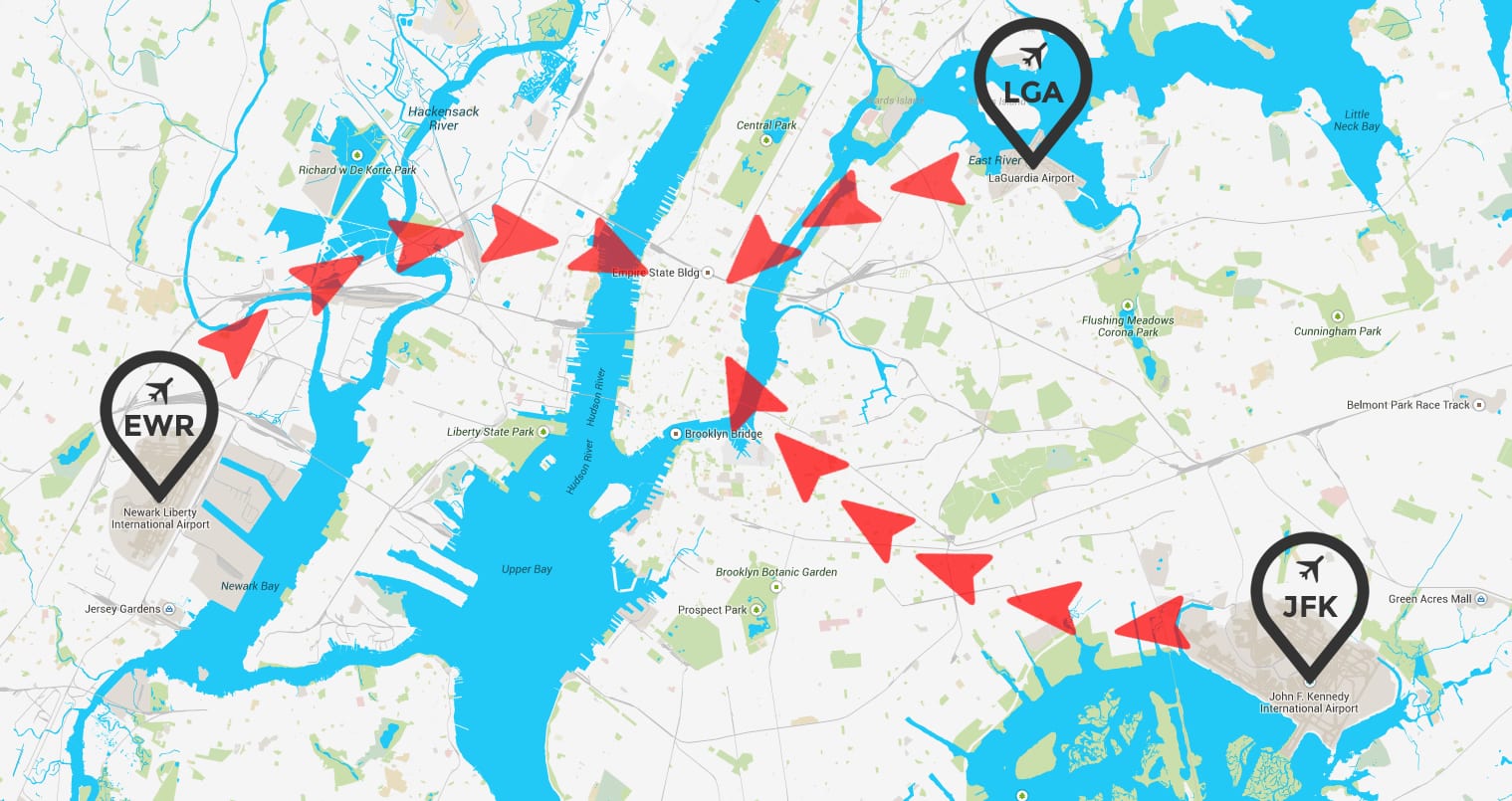
From iconic international gateways to efficient domestic terminals, New York’s airports collectively handle an astounding volume of air traffic, making the region one of the busiest airspaces globally. Understanding this network is key for any traveler planning a trip to the Big Apple, offering insights into the best routes, transportation options, and even tips for navigating what can often be a bustling and complex travel experience. This article will delve into the specifics of New York’s airports, shedding light on their individual contributions to the region’s vibrant travel landscape.
The Big Three: Gateways to the Empire State
When discussing airports serving the New York City metropolitan area, three colossal names immediately come to mind: John F. Kennedy International Airport (JFK), LaGuardia Airport (LGA), and Newark Liberty International Airport (EWR). While only JFK and LGA are physically located within the borders of New York City (Queens, specifically), EWR in New Jersey is considered an integral part of the regional airport system due to its close proximity and excellent transportation links to Manhattan and the other boroughs. Together, these three airports serve as primary entry points for both international and domestic travelers, collectively managing hundreds of thousands of flights and millions of passengers each year. They are not merely transit hubs but economic engines, creating jobs, fostering tourism, and connecting the metropolitan area to virtually every corner of the globe. Each airport possesses its own distinct character, specializing in different types of travel and catering to varied passenger needs, making the choice of arrival or departure point a strategic one for many travelers.
John F. Kennedy International Airport (JFK): A Global Nexus
Located in Queens, approximately 16 miles southeast of Midtown Manhattan, JFK is by far the largest and busiest of the three major airports, renowned for its extensive international route network. Opened in 1948 as New York International Airport, it was renamed in 1963 in memory of President John F. Kennedy. JFK is a crucial hub for airlines such as Delta Air Lines and American Airlines, and a major base for JetBlue Airways, alongside hosting over 90 other international and domestic carriers.
The airport is characterized by its multiple terminals (currently five operational passenger terminals: 1, 4, 5, 7, and 8), each with its unique design and array of amenities. Terminal 4, operated by JFKIAT, is one of the largest and most modern, handling a significant portion of international arrivals. Terminal 5, originally home to TWA’s iconic Flight Center and now primarily serving JetBlue, blends historic architecture with contemporary design. Recent and ongoing renovation projects aim to consolidate and modernize the terminals, enhancing the passenger experience with expanded retail, dining options, and streamlined security processes.
Transportation to and from JFK is diverse. The AirTrain JFK offers a convenient, free service connecting all terminals, parking lots, and rental car facilities, with direct links to the Long Island Rail Road (LIRR) at Jamaica Station and the New York City Subway at both Jamaica and Howard Beach Stations. Taxis, ride-sharing services, and various bus connections also provide ground transportation, though travel times can vary significantly depending on New York City traffic. JFK truly embodies the international spirit of New York, serving as a crucial artery for global commerce and cultural exchange.
LaGuardia Airport (LGA): The Revitalized Domestic Hub
Situated in Queens, just 8 miles east of Midtown Manhattan, LaGuardia Airport (LGA) has historically been the city’s primary airport for domestic travel, particularly for business routes along the East Coast. Named after former New York City Mayor Fiorello LaGuardia, the airport opened in 1939 and, for decades, was known for its convenient location but often criticized for its aging infrastructure and cramped facilities.
However, LGA has undergone a monumental transformation in recent years, with an ambitious multi-billion-dollar redevelopment project that has completely rebuilt and modernized its terminals. The new state-of-the-art Terminal B, operated by LaGuardia Gateway Partners, and the revamped Terminal C (primarily for Delta Air Lines) now boast spacious concourses, abundant natural light, diverse dining and retail options, and improved passenger flow. The transformation has turned LGA from a point of critique into a model of modern airport design, greatly enhancing the experience for its millions of domestic passengers.
Major airlines operating at LGA include Delta Air Lines, American Airlines, United Airlines, and Southwest Airlines, offering extensive connections across the United States and to parts of Canada. Ground transportation options include various Metropolitan Transportation Authority (MTA) bus routes connecting to New York City Subway and Long Island Rail Road lines, as well as taxis and ride-sharing services. Its close proximity to Manhattan makes it a popular choice for business travelers and those seeking quick access to the city center.
Newark Liberty International Airport (EWR): New Jersey’s International Gateway
Despite being located in Newark, New Jersey, approximately 15 miles southwest of Midtown Manhattan, Newark Liberty International Airport (EWR) is an essential component of the New York City metropolitan area’s airport system. It was the first major airport in the United States and is one of the nation’s busiest, serving as a significant hub for United Airlines, which operates a substantial number of domestic and international flights from its Terminal C facility. EWR also hosts a wide range of other carriers, including Delta Air Lines, American Airlines, and many international airlines.
EWR features three main terminals (A, B, and C), with Terminal A having recently undergone a significant overhaul, replaced by the modern Terminal A (often referred to as New Terminal A), offering enhanced passenger amenities, a wide selection of dining and shopping options, and cutting-edge technology. This redevelopment underscores PANYNJ’s commitment to improving the passenger experience across the region’s airports.
A major advantage of EWR is its seamless integration with regional public transportation. The AirTrain Newark provides a free service connecting all terminals, parking areas, and rental car facilities to the Newark Liberty International Airport Station. From this station, passengers can easily transfer to NJ Transit and Amtrak trains, offering direct and rapid connections to New York Penn Station in Manhattan, as well as to destinations across New Jersey and beyond. This robust rail connection often makes EWR a preferred option for travelers prioritizing efficient public transit to and from the city.
Beyond the Big Three: Regional Airports Serving the New York Metropolitan Area
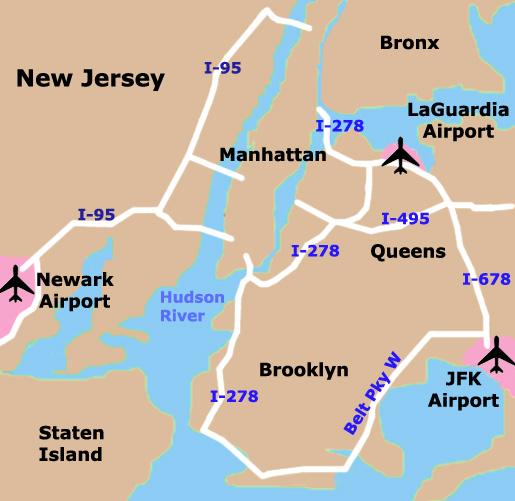
While JFK, LGA, and EWR dominate the airspace, they are not the only airports catering to the vast New York metropolitan region. Several smaller, regional airports play vital roles, serving specific geographic areas, offering alternative travel options, and handling general aviation. These airports can be particularly convenient for residents of outlying suburbs, those seeking to avoid the intense bustle of the major hubs, or travelers looking for specific regional connections. They contribute significantly to the overall aviation capacity of the region, ensuring that a diverse array of travel needs can be met. Understanding these secondary airports provides a more complete picture of how many airports New York genuinely relies upon to sustain its dynamic flow of people and commerce.
Stewart International Airport (SWF): An Expanding Alternative
Located in Newburgh, New York, approximately 60 miles north of Manhattan, Stewart International Airport (SWF) offers a more relaxed and often budget-friendly alternative to the major New York City airports. Acquired and operated by PANYNJ since 2007, SWF serves the Hudson Valley region and is increasingly positioning itself as a viable option for travelers willing to venture slightly further for potentially lower airfares and shorter lines.
Airlines such as Allegiant Air and Frontier Airlines operate scheduled passenger flights from SWF to various domestic destinations, primarily leisure-focused routes. Its single, modern terminal is easy to navigate, and parking is typically more affordable and readily available than at the larger hubs. While transportation to Manhattan requires either a bus service (like the Stewart Airport Express) or a car rental, the trade-off can be worthwhile for budget-conscious travelers or those heading directly to points north of New York City. SWF also plays a significant role in cargo operations and general aviation.
Westchester County Airport (HPN): A Convenient Local Option
Westchester County Airport (HPN), situated in White Plains, New York, about 33 miles north of Manhattan, primarily serves residents of Westchester County and surrounding affluent communities. While smaller in scale, HPN is a crucial regional airport offering commercial flights to a limited number of destinations, predominantly East Coast cities, operated by airlines like American Airlines, Delta Air Lines, and JetBlue Airways.
HPN is particularly popular for private and corporate aviation due to its convenient location and relatively less congested airspace compared to the major international airports. Its compact size means quicker check-in and security processes, appealing to business travelers and those seeking a more exclusive travel experience. Ground transportation options include taxis, ride-sharing, and local bus services connecting to nearby train stations that offer commuter rail service to Manhattan.
Long Island MacArthur Airport (ISP): Serving Long Island
Located in Ronkonkoma, New York, approximately 50 miles east of Manhattan, Long Island MacArthur Airport (ISP) is a vital gateway for the residents of Long Island. This airport offers a convenient and often less stressful alternative to JFK and LGA for domestic travel, particularly for those living in Suffolk County and eastern Nassau County.
ISP focuses on domestic routes, with airlines such as Southwest Airlines, Frontier Airlines, and Breeze Airways providing service to various cities across the United States, primarily leisure destinations. The airport is directly accessible via the Long Island Rail Road (LIRR), with shuttle buses connecting the terminal to the Ronkonkoma LIRR Station, offering a direct route to Manhattan Penn Station. Its single terminal and user-friendly layout contribute to a smoother travel experience, making it a popular choice for Long Island residents.
Navigating New York’s Airspace: Practical Considerations for Travelers
Choosing the right airport for your trip to New York can significantly impact your travel experience. With a diverse network of major international hubs and smaller regional options, understanding the nuances of each is essential. The decision often hinges on several factors: your ultimate destination within the metropolitan area, the origin of your flight, airline preference, budget, and desired level of convenience. For international arrivals or long-haul domestic flights, JFK and EWR are typically the best choices due to their extensive networks and customs facilities. LGA, post-renovation, has become an excellent option for domestic travel, especially if your destination is Manhattan or nearby Queens and The Bronx. The regional airports like SWF, HPN, and ISP offer appealing alternatives for those traveling to or from specific suburban areas, potentially saving time and money, especially if you reside or have connections further afield from the city center.
When planning, consider the cost and duration of ground transportation from each airport to your final destination. While public transit options like the AirTrain JFK, AirTrain Newark, and LIRR offer cost-effective and relatively predictable travel times, taxis and ride-sharing services can be subject to New York City’s infamous traffic congestion. Booking accommodation near the airport, such as hotels in Jamaica for JFK or Newark for EWR, can also be a smart move for early morning flights or late-night arrivals.
Beyond logistics, staying informed about airport policies, security wait times, and airline-specific services can greatly enhance your journey. Websites and apps providing real-time updates for JFK, LGA, and EWR are invaluable resources. Furthermore, many airports offer a range of amenities, from diverse dining options and retail stores to premium lounges and business centers, catering to various lifestyle needs, whether you’re a luxury traveler or seeking budget-friendly options. The continuous efforts by the PANYNJ to modernize facilities and improve connectivity underscore the region’s commitment to making air travel as efficient and comfortable as possible.

The Economic and Cultural Impact of New York’s Airport System
The extensive network of airports serving the New York metropolitan area is far more than just a collection of runways and terminals; it is a fundamental pillar of the region’s economic vitality and global cultural influence. These airports are massive employers, directly supporting hundreds of thousands of jobs in aviation, logistics, retail, hospitality, and ground transportation. This economic ripple effect extends far beyond the airport perimeters, benefiting local businesses in Queens, New Jersey, and the wider region that supply goods and services to the airports and their passengers.
The airports are also crucial for tourism, which is a cornerstone of New York City’s economy. By facilitating easy access for millions of international and domestic visitors, they directly contribute to the success of hotels, restaurants, attractions like the Empire State Building and Broadway, and the myriad of businesses that cater to tourists. This influx of visitors enriches the city’s cultural tapestry, fostering a continuous exchange of ideas, perspectives, and traditions, reinforcing New York’s identity as a melting pot of global cultures.
From a business perspective, the airports ensure New York remains a preeminent global financial and commercial hub. Rapid air freight capabilities support international trade, while frequent passenger flights connect corporate executives, entrepreneurs, and innovators to markets worldwide. This connectivity is indispensable for the city’s diverse industries, from finance and technology to fashion and media.
Looking to the future, the PANYNJ continues to invest heavily in modernizing and expanding airport infrastructure, addressing challenges such as increased passenger volume, environmental sustainability, and technological advancements. Projects like the massive overhauls at LGA and EWR, along with ongoing enhancements at JFK, aim to not only improve efficiency and passenger experience but also to integrate greener technologies and more sustainable operational practices. These developments ensure that New York’s airport system remains at the forefront of global aviation, capable of supporting the city’s aspirations for continued growth and its enduring role as a leading world city. The airports, therefore, are not just entry points; they are dynamic, evolving entities that mirror and propel the unstoppable spirit of New York.
In conclusion, when asking “How many airports New York has,” the answer transcends a simple number. It encompasses three major international gateways—JFK, LGA, and EWR—each a powerhouse in its own right, complemented by essential regional airports such as SWF, HPN, and ISP. This intricate network collectively forms one of the most comprehensive and critical aviation systems in the world. It provides unparalleled connectivity for leisure and business travelers alike, underpins the region’s robust economy, and reinforces New York City’s status as a vibrant global hub. For any traveler, understanding this multifaceted system is the first step toward a seamless and enriching experience in the Empire State.
LifeOutOfTheBox is a participant in the Amazon Services LLC Associates Program, an affiliate advertising program designed to provide a means for sites to earn advertising fees by advertising and linking to Amazon.com. Amazon, the Amazon logo, AmazonSupply, and the AmazonSupply logo are trademarks of Amazon.com, Inc. or its affiliates. As an Amazon Associate we earn affiliate commissions from qualifying purchases.