
For many prospective students, the journey to higher education is not just about gaining a qualification; it’s an investment in their future, often intertwined with significant life changes, including relocation, exploring new environments, and shaping a new lifestyle. Choosing a college, especially one located in a vibrant and dynamic state like Florida, involves considering not only academic programs but also the surrounding opportunities for personal growth, travel, and cultural immersion. A crucial aspect of this decision-making process, often overlooked amidst brochures showcasing sunny campuses and promising career paths, is accreditation. Understanding a college’s accreditation status is paramount, as it directly impacts the value of your degree, your ability to transfer credits, and even your eligibility for federal financial aid.

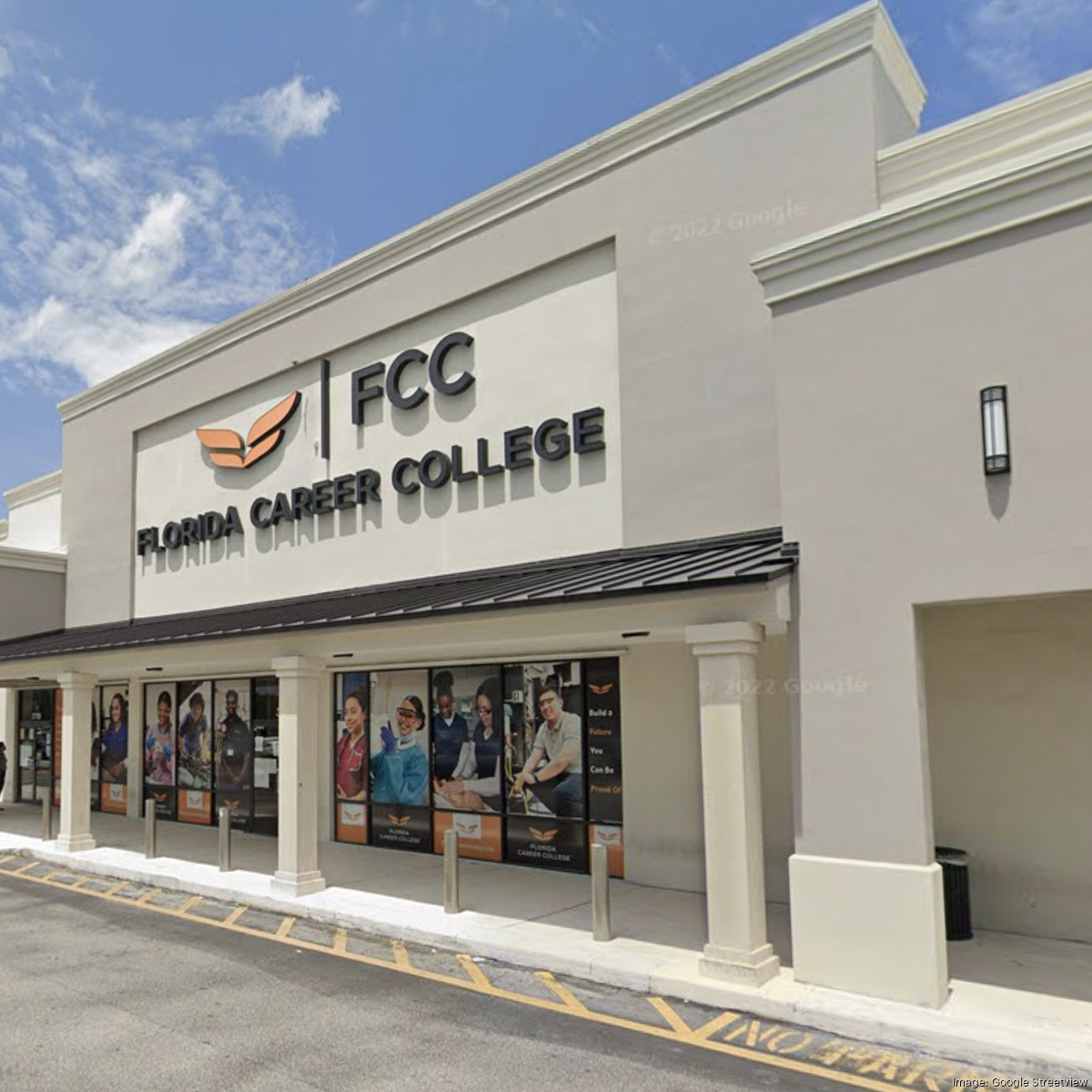
In the case of Florida Career College (FCC), the question of regional accreditation often arises, prompting a closer look at what different types of accreditation mean for students, especially those who might be traveling to Florida for their studies or considering a future that involves further education or careers across different states. This article delves into Florida Career College’s accreditation status, explores the nuances between regional and national accreditation, and ties this vital information into the broader context of student life, travel, and accommodation within the Sunshine State. Whether you’re an aspiring student, a parent researching options, or an international traveler considering educational opportunities in the U.S., understanding these details is key to making an informed decision that supports your long-term goals and lifestyle aspirations.
Understanding Accreditation: A Traveler’s Guide to Educational Quality
Just as a discerning traveler researches hotels for their star rating and amenities, or chooses a tour operator based on reviews and reputation, prospective students must rigorously evaluate the quality and legitimacy of educational institutions through their accreditation. Accreditation serves as a seal of approval, ensuring that a college meets certain standards of educational quality, integrity, and operational effectiveness. It provides a level of assurance to students, employers, and other institutions that the education received is credible and valuable.
However, not all accreditations are created equal, and understanding the distinction between regional and national accreditation is vital, especially when planning for future academic pursuits or career mobility. For someone relocating to Florida to attend college, or even considering study abroad programs, this distinction can significantly impact their journey.
Regional vs. National Accreditation: Navigating Your Educational Journey
In the United States, there are two primary types of institutional accreditation: regional and national. These designations are granted by different accrediting bodies recognized by the U.S. Department of Education and the Council for Higher Education Accreditation (CHEA). The type of accreditation an institution holds has profound implications for its students.
Regional Accreditation: This is generally considered the “gold standard” of academic accreditation. Regional accrediting bodies oversee colleges and universities within specific geographical regions of the U.S.. For instance, in Florida and other southeastern states, the primary regional accreditor is the Southern Association of Colleges and Schools Commission on Colleges (SACSCOC). Institutions accredited by regional agencies are typically traditional academic institutions, including most public and private non-profit universities and liberal arts colleges. Their focus is often on broad academic programs, extensive research, and a comprehensive student experience. The key characteristic of regional accreditation is the almost universal acceptance of transfer credits among regionally accredited institutions. If you earn credits at a regionally accredited university, those credits are highly likely to be accepted by another regionally accredited university should you choose to transfer or pursue further education.
National Accreditation: This type of accreditation is typically granted to vocational, technical, career-focused, and for-profit institutions. National accrediting bodies operate across the entire country, rather than within specific regions. While nationally accredited schools meet specific educational standards and are legitimate institutions, the primary difference lies in the transferability of credits and broader academic recognition. Credits earned at nationally accredited institutions are often not accepted by regionally accredited universities. This can be a significant hurdle for students who plan to continue their education, perhaps by transferring an associate’s degree to a bachelor’s program at a traditional university. National accreditation primarily focuses on career readiness and specific skill development, often for direct entry into the workforce.
For students embarking on an educational journey, this distinction is akin to choosing between a widely recognized international hotel chain, whose loyalty points are accepted globally, and a reputable local boutique hotel, which offers an excellent stay but whose perks might not transfer elsewhere. Both offer value, but their scope and acceptance differ significantly.
The Significance of Accreditation for Your Future (Career and Travel)
The choice between a regionally or nationally accredited institution carries significant weight, impacting not only your academic trajectory but also your career prospects and even lifestyle choices, particularly if your post-graduation plans involve relocation or further travel.
Career Opportunities: Many employers, particularly those in fields requiring advanced degrees or specific professional licenses, give preference to candidates with degrees from regionally accredited institutions. This is especially true for government jobs, positions in academia, and roles in highly regulated industries. While nationally accredited schools prepare students for specific vocational roles, the broader recognition of regional accreditation can open more doors in diverse career paths. If your dream job is in a different state or even internationally, a regionally accredited degree often holds more universal recognition.
Further Education: This is perhaps the most critical factor. If you plan to pursue a bachelor’s degree after an associate’s, or a master’s after a bachelor’s, attending a regionally accredited institution from the outset significantly streamlines the process. Many graduate schools and four-year universities explicitly state that they only accept credits or degrees from regionally accredited undergraduate institutions. For students traveling to Florida for an associate’s degree, only to find their credits are not transferable to a University of Florida or Florida State University program, the implications can be frustrating and costly.
Financial Aid: Both regionally and nationally accredited institutions can be eligible for federal financial aid programs (like Pell Grants and federal student loans), provided they meet the U.S. Department of Education’s criteria. However, eligibility and the types of aid available can sometimes vary, so it’s always crucial to verify with the institution’s financial aid office.
Professional Licensing: In some professions, state licensing boards require applicants to have graduated from a regionally accredited program. This is particularly common in fields such as education, healthcare, and law. Before committing to a program, always check the licensing requirements for your desired profession in the states where you might want to work.
Ultimately, understanding these distinctions allows students to map out a clear educational and career pathway, preventing potential roadblocks and ensuring their investment in education yields the desired returns, regardless of where their life’s journey takes them.
Florida Career College’s Accreditation Status: What You Need to Know
Having established the critical difference between regional and national accreditation, we can now address the specific question regarding Florida Career College (FCC). For many students considering a move to Florida, or even those already residing in cities like Miami, Orlando, or Tampa where FCC has campuses, its accreditation status is a central point of inquiry.
The answer to whether Florida Career College is regionally accredited is no. Florida Career College is nationally accredited. This is a critical distinction that prospective students must understand before enrolling.
Unpacking Florida Career College’s National Accreditation
Florida Career College holds institutional accreditation from the Accrediting Council for Independent Colleges and Schools (ACICS). ACICS is a national accrediting agency recognized by the U.S. Department of Education to accredit private postsecondary institutions offering primarily career-related programs. While ACICS has faced scrutiny and its recognition status has been debated in recent years, it remains a recognized accreditor at the time of writing for many career colleges.

It is important to emphasize that national accreditation by ACICS means Florida Career College meets specific standards for educational quality and operational integrity relevant to its mission as a career-focused institution. Its programs are designed to equip students with practical skills for immediate entry into various trades and professions, such as healthcare, business, and information technology. This type of accreditation ensures that students can typically access federal financial aid and that the programs are structured to meet industry demands.
However, the national nature of this accreditation means that Florida Career College is not accredited by one of the regional bodies, like the Southern Association of Colleges and Schools Commission on Colleges (SACSCOC), which accredits most traditional universities in Florida. This distinction is not about one type of accreditation being inherently “better” than the other, but rather about their different purposes and implications for students’ academic and career pathways.
Implications for Students: Transfers, Careers, and Financial Aid
For students considering Florida Career College, understanding the implications of its national accreditation is paramount to making an informed decision that aligns with their long-term goals and lifestyle.
Credit Transferability: The most significant implication of national accreditation is often the limited transferability of credits. If you plan to transfer credits from Florida Career College to a regionally accredited four-year university or college, you may find that many or all of your credits are not accepted. This is a common challenge for students who start at a nationally accredited career college with the intention of later pursuing a bachelor’s degree at a traditional university. While some individual courses might be evaluated on a case-by-case basis, seamless transfer is rare. Therefore, if further academic study at a traditional university is part of your future plans, Florida Career College might not be the most direct pathway.
Career Recognition: For the specific vocational fields Florida Career College prepares students for, its national accreditation is generally well-recognized by employers within those industries. Graduates are often equipped with the specific skills needed for entry-level positions. However, for career paths that might require broader academic credentials or advanced degrees, or for jobs in industries that have a strong preference for regionally accredited degrees, graduates might face some limitations. It is always advisable for prospective students to research the specific career fields they are interested in and check the educational requirements of potential employers.
Financial Aid Eligibility: As a nationally accredited institution recognized by the U.S. Department of Education, Florida Career College students are generally eligible for federal student aid programs, including Pell Grants and federal student loans, assuming they meet all other eligibility criteria. This provides crucial financial support for many students pursuing career-focused education.
In summary, Florida Career College is a legitimate institution focused on career training, but its national accreditation means it serves a specific educational purpose. Students whose primary goal is to gain specific vocational skills for direct entry into the workforce might find it suitable. However, for those envisioning a future that involves extensive credit transfer, pursuing higher academic degrees at traditional universities, or careers where regional accreditation is a strong preference, carefully weighing these implications is essential. It’s about aligning your educational choice with your personal and professional travel map.
Exploring Student Life and Opportunities in Florida
Beyond the critical discussions of accreditation, choosing to study in Florida offers a unique blend of educational opportunities and an unparalleled lifestyle that appeals to students from all walks of life. The state is not just a hub for diverse academic programs but also a premier destination for travel, leisure, and experiencing a vibrant culture. For students attending Florida Career College or any other institution in the state, the surrounding environment significantly enhances the overall educational journey.
Florida as a Destination for Learning and Living
Florida, often dubbed the Sunshine State, boasts a dynamic economy, a diverse population, and a wealth of natural beauty, making it an attractive location for both short-term visits and long-term stays. Its major cities, such as Miami, Orlando, Tampa, and Jacksonville, each offer distinct cultural flavors, job markets, and recreational activities. This diversity ensures that students can find a living and learning environment that suits their preferences, whether they prefer the bustling urban landscape of Miami or the theme park capital of Orlando.
For international students, Florida’s accessibility, its warm climate, and its reputation as a global tourism destination make the transition to studying abroad smoother and more enjoyable. The state’s numerous airports serve as international gateways, connecting students to their homes and facilitating exploration of other parts of the U.S.. The blend of academic rigor and lifestyle appeal makes Florida an exciting destination for educational tourism.
Accommodation and Lifestyle Considerations for Students
Student life in Florida goes beyond the classroom, encompassing a range of accommodation options and lifestyle choices that cater to various budgets and preferences.
Accommodation: While traditional universities often offer on-campus dormitories, career colleges like Florida Career College typically do not. This means students will need to explore off-campus housing. Options range from shared apartments and rooms for rent to private studios, catering to different budgets for student housing. Websites specializing in student housing, local real estate listings, and college-specific student forums are excellent resources for finding suitable accommodation. In cities like Miami or Orlando, students can find affordable rooms in shared apartments, often near public transportation routes to their campuses. For those seeking more comfort or long-term stays, various apartment complexes and even extended-stay hotels offer attractive packages. Researching neighborhoods for safety, proximity to campus, and access to amenities (supermarkets, public transport, recreational facilities) is crucial.
Lifestyle: Florida offers a vibrant and diverse lifestyle. For students on a budget, the state’s numerous free beaches, parks, and outdoor activities provide endless entertainment. Clearwater Beach, St. Pete Beach, and the scenic Florida Keys offer opportunities for relaxation and water sports. For those interested in cultural experiences, Miami’s Little Havana or Tampa’s Ybor City offer rich historical and culinary explorations. Many local businesses, museums, and attractions offer student discounts, making it easier to enjoy the Sunshine State’s offerings without breaking the bank.
For students with a taste for luxury or those looking for special experiences, Florida also delivers. High-end dining, boutique shopping on South Beach, and exclusive resorts provide opportunities for indulging in a more upscale student lifestyle. Whether it’s budget-friendly exploration or luxurious retreats, Florida accommodates every preference, seamlessly blending academic pursuits with leisure and personal enrichment.
Beyond the Classroom: Attractions and Experiences in the Sunshine State
Studying in Florida offers an unparalleled opportunity to explore some of the world’s most famous attractions and natural wonders. This makes the state an ideal destination for students who wish to combine their education with memorable travel experiences.
- Theme Parks: Orlando is globally renowned for its theme parks, including Walt Disney World Resort, Universal Orlando Resort, and SeaWorld Orlando. For students, these parks offer not just entertainment but also potential part-time employment opportunities and insights into the hospitality and tourism industries. In Tampa, Busch Gardens combines thrill rides with a world-class zoo, offering another exciting escape.
- Natural Wonders: Florida’s diverse ecosystems provide incredible opportunities for outdoor adventures. The Everglades National Park, a UNESCO World Heritage Site, offers airboat tours and wildlife viewing, a stark contrast to the urban environments. The crystal-clear springs scattered across the state are perfect for swimming, snorkeling, and kayaking, offering a refreshing break from studies.
- Beaches: With hundreds of miles of coastline, Florida boasts some of the world’s best beaches. From the lively atmosphere of South Beach in Miami to the serene shores of the Gulf Coast at Siesta Key or Clearwater Beach, students can find their perfect spot to relax, study, or enjoy water sports. The unique culture and vibrant arts scene of Key West, the southernmost point of the continental U.S., offers a distinct blend of history, charm, and bohemian spirit.
- Cultural and Historical Landmarks: Beyond the sun and fun, Florida also offers rich historical sites and cultural institutions. St. Augustine, the oldest continuously inhabited European-established settlement in the U.S., offers a journey back in time with its Spanish colonial architecture and historic fort. The Kennedy Space Center Visitor Complex near Cape Canaveral provides an inspiring look into space exploration and America’s storied space program.
For any student, particularly those who have traveled to Florida for their education, these attractions offer invaluable opportunities for enriching experiences, stress relief, and a deeper understanding of American culture and history. Balancing academic commitments with exploration of these landmarks and attractions contributes to a well-rounded and memorable student lifestyle, truly making Florida a destination that educates, inspires, and entertains.
In conclusion, while Florida Career College is nationally accredited and provides valuable career-focused education, prospective students must understand the implications, particularly regarding credit transferability for further academic pursuits. This knowledge, coupled with an appreciation for the vast lifestyle and travel opportunities available in Florida, empowers individuals to make the most informed decision for their educational journey and future.
LifeOutOfTheBox is a participant in the Amazon Services LLC Associates Program, an affiliate advertising program designed to provide a means for sites to earn advertising fees by advertising and linking to Amazon.com. Amazon, the Amazon logo, AmazonSupply, and the AmazonSupply logo are trademarks of Amazon.com, Inc. or its affiliates. As an Amazon Associate we earn affiliate commissions from qualifying purchases.