
New York City, often heralded as the “Capital of the World” or “The Big Apple,” is a metropolis of unparalleled energy and diversity. But how many people truly inhabit this iconic urban landscape? The answer is far more complex than a simple census figure. It encompasses not just its millions of permanent residents, but also a daily influx of commuters, a constant stream of domestic and international tourists, business travelers, students, and temporary workers. This dynamic interplay of populations defines the city’s unique character, shapes its infrastructure, drives its economy, and influences every facet of life, travel, and accommodation within its five boroughs: Manhattan, Brooklyn, Queens, The Bronx, and Staten Island. Understanding these various human currents is key to grasping the true essence of [New York City].

The Permanent Pulse: New York City’s Resident Population
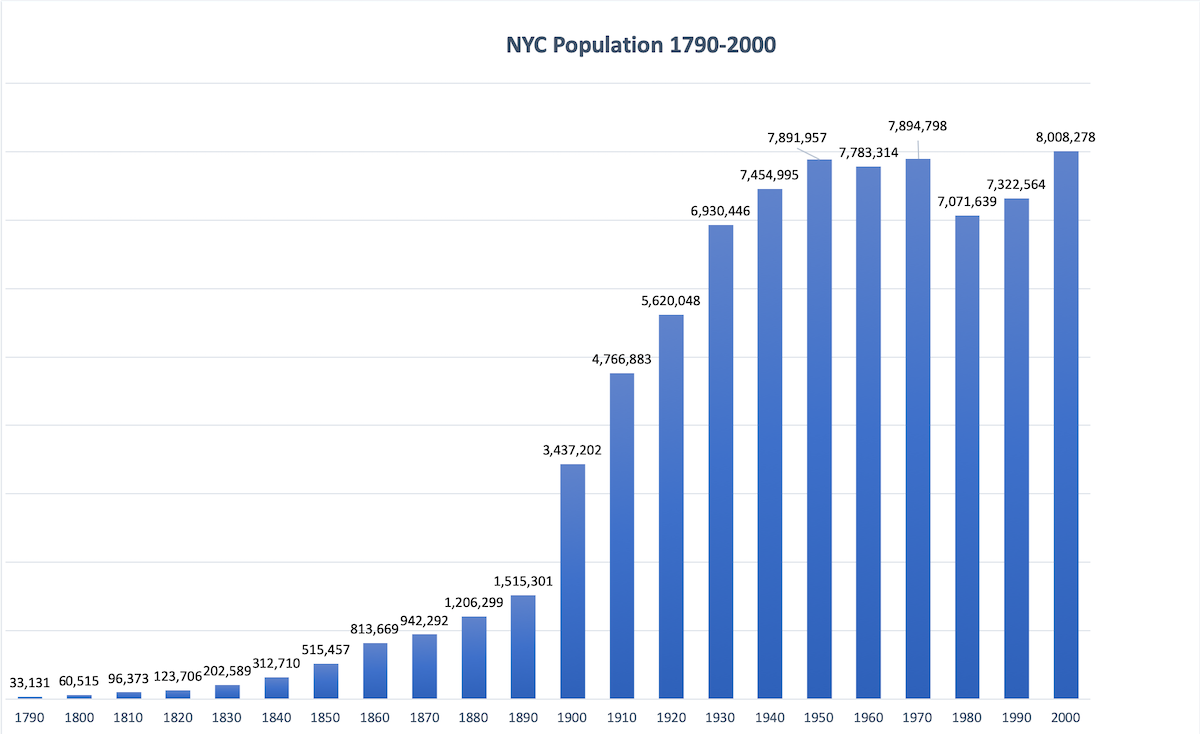
At its core, [New York City] is home to an astonishing number of permanent residents, making it the most populous city in the United States. As of recent estimates, the city’s resident population hovers around 8.5 to 9 million people, a figure that rivals some small countries. This dense concentration of humanity creates a vibrant, bustling environment unlike any other.
A Demographic Tapestry
The city’s resident population is not just large; it is incredibly diverse. People from every corner of the globe have chosen to make [New York City] their home, contributing to a rich mosaic of cultures, languages, and traditions. Over 800 languages are spoken in the city, making it one of the most linguistically diverse places on Earth. Neighborhoods like [Chinatown], [Harlem], and [Greenwich Village] are living testaments to this incredible blend, each offering distinct cultural experiences, culinary delights, and community vibes that are woven into the very fabric of the city. This diversity is a major draw for tourism, offering visitors a chance to experience a microcosm of the world within a single urban center. From authentic global cuisines available at street food stalls and Michelin-starred restaurants to a thriving arts scene reflecting myriad heritages, the permanent residents shape the city’s unique local culture. This resident population also forms the backbone of the city’s workforce, driving industries from finance to fashion, media to medicine, and providing the essential services that keep the massive urban machine running.
The Rhythms of Daily Life
Beyond its static population count, [New York City] experiences significant daily fluctuations due to commuters. Hundreds of thousands of people travel into the city each day from surrounding areas, including [New Jersey], [Connecticut], and [Long Island], to work in its various industries. These daily commuters swell the city’s daytime population, particularly in commercial hubs like [Midtown Manhattan] and the [Financial District]. The [MTA] (Metropolitan Transportation Authority) system—comprising subways, buses, and commuter rail—is the lifeblood of this movement, transporting millions of people daily. This constant ebb and flow contributes to the city’s perpetual motion, impacting everything from traffic patterns to the demand for quick-service meals and after-work entertainment. The sheer volume of people moving through the city at any given moment places immense pressure on its infrastructure, yet it also energizes the urban environment, creating a sense of urgency and opportunity that is distinctly New York. For business travelers, understanding these peak travel times is crucial for efficient navigation and planning their stays.
The Transient Tide: Tourists, Business Travelers, and Visitors
While the resident population forms the bedrock of [New York City], it is the transient population of visitors that adds another extraordinary layer to its demographic complexity. Each year, tens of millions of tourists, business delegates, and casual visitors descend upon the city, temporarily inflating its numbers and infusing it with fresh perspectives and economic vitality.
The Allure of the Big Apple
[New York City]’s magnetic appeal is undeniable. Its iconic landmarks, world-class cultural institutions, and vibrant entertainment scene draw visitors from every corner of the globe. Pre-pandemic, the city welcomed over 60 million tourists annually, a number that is steadily rebounding. These visitors come for a myriad of reasons: to witness the grandeur of the [Statue of Liberty], explore the expansive greenery of [Central Park], marvel at the bright lights of [Times Square], catch a show on [Broadway], ascend the [Empire State Building] for panoramic views, or immerse themselves in art at the [Metropolitan Museum of Art] and the [Museum of Modern Art]. Other popular attractions include the [Brooklyn Bridge], [Wall Street], the [High Line] elevated park, and the bustling energy of [Rockefeller Center].The types of visitors are as varied as the attractions themselves. There are families on vacation, solo adventurers exploring new horizons, couples on romantic getaways, students on educational tours, and, significantly, business travelers attending conferences, meetings, or seeking new opportunities. Each group has distinct needs and preferences, influencing the types of accommodations they seek, the activities they engage in, and the experiences they value. Luxury travelers might opt for high-end suites near [Fifth Avenue] or [Central Park], while budget travelers might seek more affordable hotel options or alternative accommodations in diverse neighborhoods. The city’s robust tourism infrastructure, including a multitude of tour guides and experience providers, caters to this diverse audience, offering everything from walking tours of historic districts to culinary adventures.
Managing the Influx: Infrastructure and Services
Accommodating millions of annual visitors requires a massive logistical undertaking. [New York City] is served by three major international airports: [JFK Airport], [LaGuardia Airport], and [Newark Liberty International Airport] (in [New Jersey]), which together handle an immense volume of air traffic. Once in the city, visitors utilize its extensive public transportation network or rely on taxis and ride-sharing services. The tourism sector is a colossal industry, providing jobs for hundreds of thousands of people and generating billions of dollars in revenue. From concierges at luxury hotels like [The Plaza Hotel] and [St. Regis New York] to street vendors and performers in [Times Square], the transient population supports a vast ecosystem of services.
However, the sheer volume of visitors also presents challenges. Popular landmarks and attractions can become incredibly crowded, especially during peak seasons, requiring careful planning for tourists and residents alike. The demand for hotel rooms, dining reservations, and transportation surges, impacting pricing and availability. The city continuously adapts to manage this influx, developing new attractions, expanding transportation options, and implementing strategies to disperse crowds and enhance the visitor experience. Despite these challenges, the energy and economic benefits brought by these transient populations are integral to [New York City]’s global standing and continued vibrancy.
The Accommodation Conundrum: Housing a Metropolis and Its Guests
With millions of residents and tens of millions of visitors each year, providing adequate accommodation is a perpetual and complex challenge for [New York City]. The city’s skyline is punctuated by an array of residential buildings and hotels, each serving a crucial role in housing this diverse demographic.
Hotels and Hospitality
[New York City]’s hotel scene is one of the most diverse and competitive in the world, catering to every imaginable taste and budget. From ultra-luxury properties offering opulent suites and personalized butler services to stylish boutique hotels, reliable chain hotels, and budget-friendly options, the range is vast. Iconic hotels like [The Plaza Hotel], known for its historic grandeur, or the elegant [St. Regis New York] epitomize luxury travel. Major brands like the [Grand Hyatt New York] and [Marriott Marquis] provide extensive amenities for both leisure and business travelers, often featuring multiple restaurants, convention spaces, and fitness centers. For those seeking bespoke experiences, boutique hotels in neighborhoods like [SoHo] or [Greenwich Village] offer unique design and local charm.Booking accommodation in [New York City] often requires foresight, especially during peak seasons or major events like the [Macy’s Thanksgiving Day Parade] or [New Year’s Eve] in [Times Square]. Online travel agencies, hotel websites, and comparison sites are essential tools for travelers navigating the extensive options, often relying heavily on reviews and amenities to make their choices. Business travelers frequently seek hotels with robust connectivity, meeting facilities, and proximity to the [Financial District] or their corporate offices. Long-term stays are also common for professionals on extended projects, offering serviced apartments or special rates. The city’s hospitality sector is not just about rooms; it’s about delivering an experience, with hotels competing fiercely on service, design, culinary offerings, and unique lifestyle perks.
Beyond Hotels: Diverse Accommodation Options
While hotels dominate the short-term visitor market, [New York City]’s accommodation landscape extends far beyond traditional hotel rooms. For residents, housing is a constant topic of discussion, with a mix of rental apartments, co-ops, and condominiums making up the residential fabric. The demand is consistently high, driving up prices and creating a competitive rental market across all five boroughs.
For visitors seeking alternatives or longer stays, the market has evolved significantly. Vacation rentals, including apartments and even small villas in some outer borough neighborhoods, offer a more local experience, often equipped with kitchens and more living space, appealing to families or groups traveling together. Hostels provide budget-conscious travelers with communal living options, fostering a social atmosphere. Additionally, the city hosts a significant number of students attending its world-renowned universities and temporary workers who seek furnished apartments or shared living arrangements for extended periods. This variety of accommodation options, from luxury resorts to affordable hostels and long-term rentals, reflects the diverse needs of [New York City]’s permanent and transient populations, all contributing to the city’s dynamic housing ecosystem.
Lifestyle and Economy: The Human Element Driving New York
The sheer number and diversity of people in [New York City] are not merely statistics; they are the driving force behind its economic prowess, cultural vibrancy, and unique urban lifestyle. Every individual, whether a lifelong resident or a fleeting visitor, contributes to the city’s unparalleled energy and continuous evolution.
Economic Engines and Opportunities
[New York City]’s economy is a global powerhouse, largely fueled by its vast and talented human capital. It is a leading center for finance, with [Wall Street] and the [New York Stock Exchange] serving as critical hubs of global capitalism. The city also dominates in fashion, media, advertising, technology, and the arts. Millions of people migrate to [New York City] each year, both domestically and internationally, drawn by the promise of unparalleled career opportunities and the chance to be at the forefront of their industries. This constant influx of talent ensures a competitive and innovative workforce, consistently pushing boundaries.The concentration of diverse professionals fosters collaboration and creativity, making [New York City] a fertile ground for startups and established corporations alike. This economic dynamism, in turn, influences the lifestyle choices available within the city. High-earning professionals can indulge in luxury travel, fine dining, and exclusive cultural events, while the entrepreneurial spirit fosters a robust gig economy and diverse employment opportunities. The sheer density of businesses and industries means that services, goods, and experiences are readily available, creating a consumer-driven environment that caters to virtually every need and desire. The global nature of its economy also means frequent business travel, with professionals flying in and out of the city’s major airports, staying in business-friendly hotels, and utilizing co-working spaces.

Cultural Dynamics and Urban Living
The immense population directly translates into an extraordinarily rich and varied urban lifestyle. [New York City]’s neighborhoods are microcosms of global culture, each with its distinct identity, from the artistic bohemianism of [Greenwich Village] to the historic jazz roots of [Harlem], the culinary delights of [Chinatown], or the chic boutiques of [SoHo]. This diversity is reflected in everything from the food scene, which boasts everything from street food carts to world-renowned Michelin-starred restaurants, to the unparalleled entertainment options.
The cultural calendar of [New York City] is packed year-round with events, concerts at venues like [Madison Square Garden], museum exhibitions at institutions such as the [American Museum of Natural History] and the [Guggenheim Museum], and theatrical performances across [Broadway] and off-Broadway stages. For residents, living in [New York City] is a unique experience of balancing the frenetic pace with moments of quiet reflection in [Central Park] or on the waterfronts of [Brooklyn]. For visitors, these cultural dynamics offer an inexhaustible list of activities and experiences, from exploring historic landmarks like [Grand Central Terminal] and [One World Trade Center] to shopping along [Fifth Avenue] or visiting the [United Nations Headquarters]. The sheer volume of people ensures that there is always something happening, always a new experience to uncover, and always a sense of being at the center of the world.
In conclusion, “How many people [New York City]?” is a question that reveals the vibrant, multifaceted nature of this global icon. It’s a city defined not just by its nearly 9 million residents, but by the tens of millions of visitors, commuters, and dream-chasers who pass through its streets each year. This extraordinary confluence of humanity creates an unparalleled environment for travel, diverse accommodation options, a thriving tourism industry, iconic landmarks, and a lifestyle that is uniquely, undeniably New York. It is this dynamic human element that continues to drive the city forward, ensuring its status as a timeless magnet for people from all walks of life.
LifeOutOfTheBox is a participant in the Amazon Services LLC Associates Program, an affiliate advertising program designed to provide a means for sites to earn advertising fees by advertising and linking to Amazon.com. Amazon, the Amazon logo, AmazonSupply, and the AmazonSupply logo are trademarks of Amazon.com, Inc. or its affiliates. As an Amazon Associate we earn affiliate commissions from qualifying purchases.