
New York City – the very name conjures images of an impossibly tall, dense urban forest, a concrete jungle where steel and glass ascend to meet the clouds. For any traveler arriving in this iconic destination, the sheer scale of its vertical architecture is immediately striking. It’s a city that continuously redefines its own skyline, a perpetual construction site that builds upwards with relentless ambition. But beyond the visual spectacle, a fundamental question often arises for visitors, architects, and urban enthusiasts alike: exactly how many skyscrapers are in New York? The answer, while seemingly straightforward, is a fascinating journey into definitions, history, and the very essence of urban aspiration.
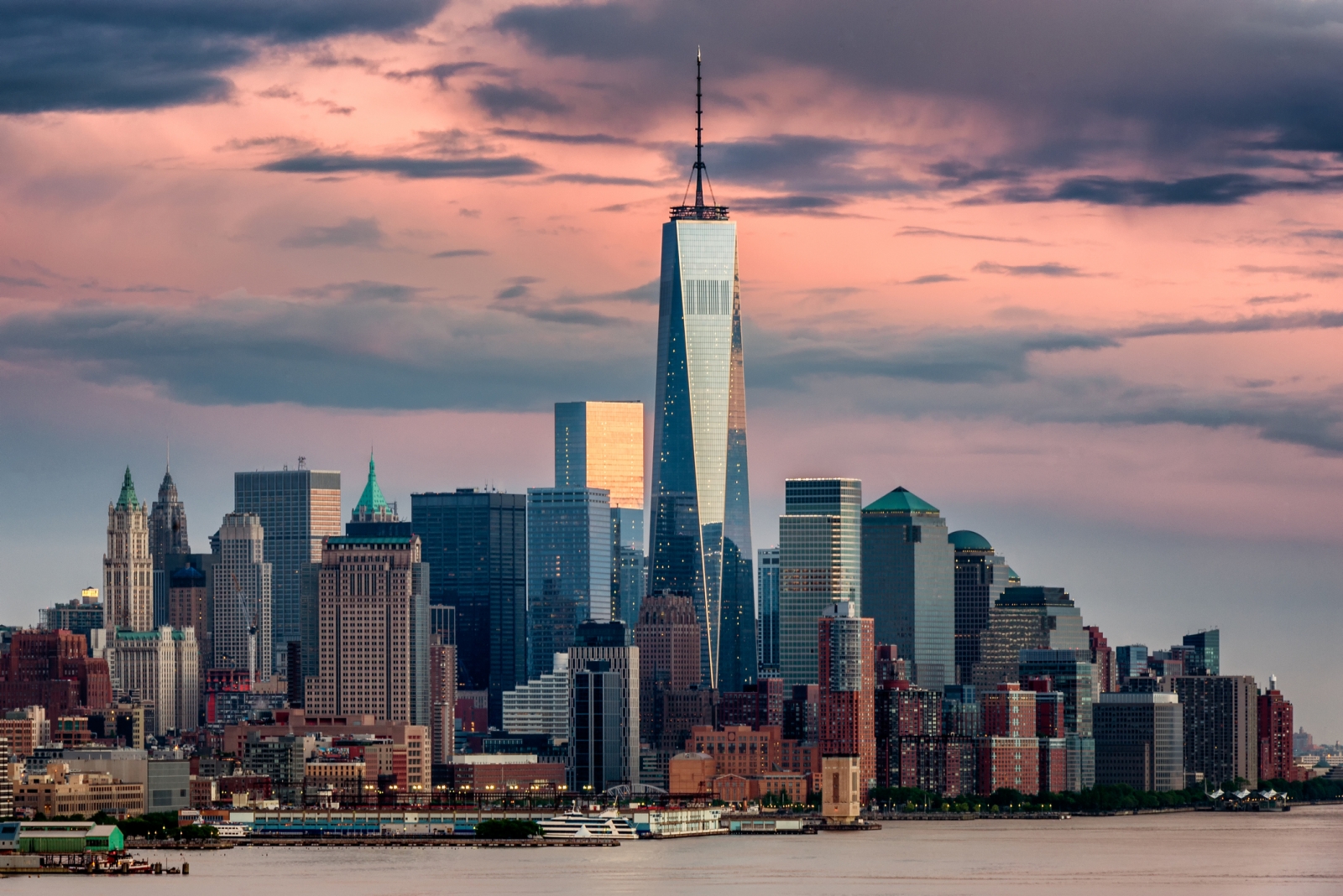
Understanding the number of skyscrapers in New York City isn’t just about counting tall buildings; it’s about appreciating the unique character of one of the world’s most vibrant metropolises. From the historic marvels that first pierced the sky to the ultra-luxury residential towers dominating today’s market, each structure tells a story of innovation, economic might, and an enduring human desire to reach new heights. This article will delve into what defines a skyscraper, trace the city’s incredible architectural evolution, provide an approximate count, and explore how these towering landmarks shape the travel, tourism, and lifestyle experiences that make New York unparalleled.
Defining the Skyline: What Qualifies as a Skyscraper?
Before we embark on the monumental task of counting New York City’s towering giants, it’s crucial to establish a common understanding: what exactly constitutes a skyscraper? The term itself evokes grandeur and verticality, but its precise definition can be surprisingly fluid, leading to varied statistics depending on the source.
The Lofty Definitions
Globally, the most widely accepted definition for a skyscraper comes from organizations like the Council on Tall Buildings and Urban Habitat (CTBUH), a non-profit organization dedicated to the field of tall buildings and sustainable urban design. The CTBUH typically defines a “tall building” as one that is 150 meters (approximately 492 feet) or taller. Buildings exceeding 300 meters (984 feet) are often categorized as “supertall,” and those over 600 meters (1,969 feet) as “megatall.”
However, local perceptions and historical contexts can also influence the definition. In the early 20th century, a building that was merely 10 or 15 stories tall might have been considered a skyscraper simply because it dwarfed its surroundings. In New York, where building upwards is the norm, a structure needs significant height to truly stand out. Some definitions might even consider buildings over 100 meters (328 feet) as skyscrapers, which significantly inflates the numbers. For the purpose of providing a meaningful count relevant to New York’s modern skyline, we will primarily lean towards the CTBUH standard of 150 meters (492 feet) and above, while also acknowledging the impressive presence of buildings just shy of this mark. This metric allows us to focus on the structures that truly define the city’s iconic vertical landscape.
More Than Just Height: Form and Function
Beyond raw height, the essence of a skyscraper often lies in its primary function and architectural design. These aren’t just tall boxes; they are engineering marvels, artistic statements, and hubs of commerce and culture. Many of New York’s most famous skyscrapers are architectural landmarks, celebrated for their unique aesthetics, innovative construction techniques, and the cultural impact they have had. From the intricate Art Deco details of the Chrysler Building to the sleek, minimalist design of One World Trade Center, each building contributes to a broader narrative of architectural evolution and urban development.
These towering structures serve a multitude of purposes, from housing corporate offices and financial institutions to providing luxury residences, hotels, and even observation decks for tourists. Their multifaceted roles are integral to the city’s identity, influencing everything from daily commutes to global business decisions and the tourism experience. The interplay of form, function, and aesthetic appeal makes each skyscraper a distinct entity, contributing to the rich tapestry of the New York City experience.
New York City’s Vertical Ascent: A Historical Perspective
New York City’s love affair with the skyscraper is not a recent phenomenon; it’s a century-long saga of ambition, innovation, and an unyielding desire to build bigger and better. The city’s unique geography – the narrow island of Manhattan hemmed in by the Hudson River and the East River – naturally encouraged vertical growth as land became increasingly scarce and valuable.
Early Giants and Architectural Marvels
The late 19th century marked the dawn of the skyscraper era in New York, largely driven by advancements in steel-frame construction and the invention of the safety elevator. These innovations freed architects and engineers from the limitations of load-bearing masonry walls, allowing buildings to soar to unprecedented heights. Early contenders, though modest by today’s standards, were revolutionary in their time. The iconic Flatiron Building, completed in 1902, with its distinctive wedge shape, stood at 285 feet (87 meters) and was a marvel of engineering and design, quickly becoming a symbol of the city’s burgeoning modernity.
Shortly after, the Woolworth Building, completed in 1913, truly pushed the boundaries, reaching a dizzying 792 feet (241 meters). Nicknamed the “Cathedral of Commerce” for its Gothic Revival architecture, it was the tallest building in the world until 1930 and remains one of New York’s most beloved and historically significant skyscrapers. These early giants laid the groundwork for the architectural explosion that was to come.
The Art Deco Era and Iconic Towers
The 1920s and 1930s witnessed a fierce competition among developers to construct the world’s tallest building, giving birth to some of New York City’s most recognizable landmarks, characterized by the glamorous Art Deco style. The race for the sky was intense and captured the imagination of the world.
First came the magnificent Chrysler Building, completed in 1930. Standing at 1,046 feet (319 meters), its distinctive terraced crown, adorned with gleaming stainless steel eagles and gargoyles, instantly made it a global icon. Its elegance and craftsmanship are still revered today, a testament to the era’s optimism and artistic flair.
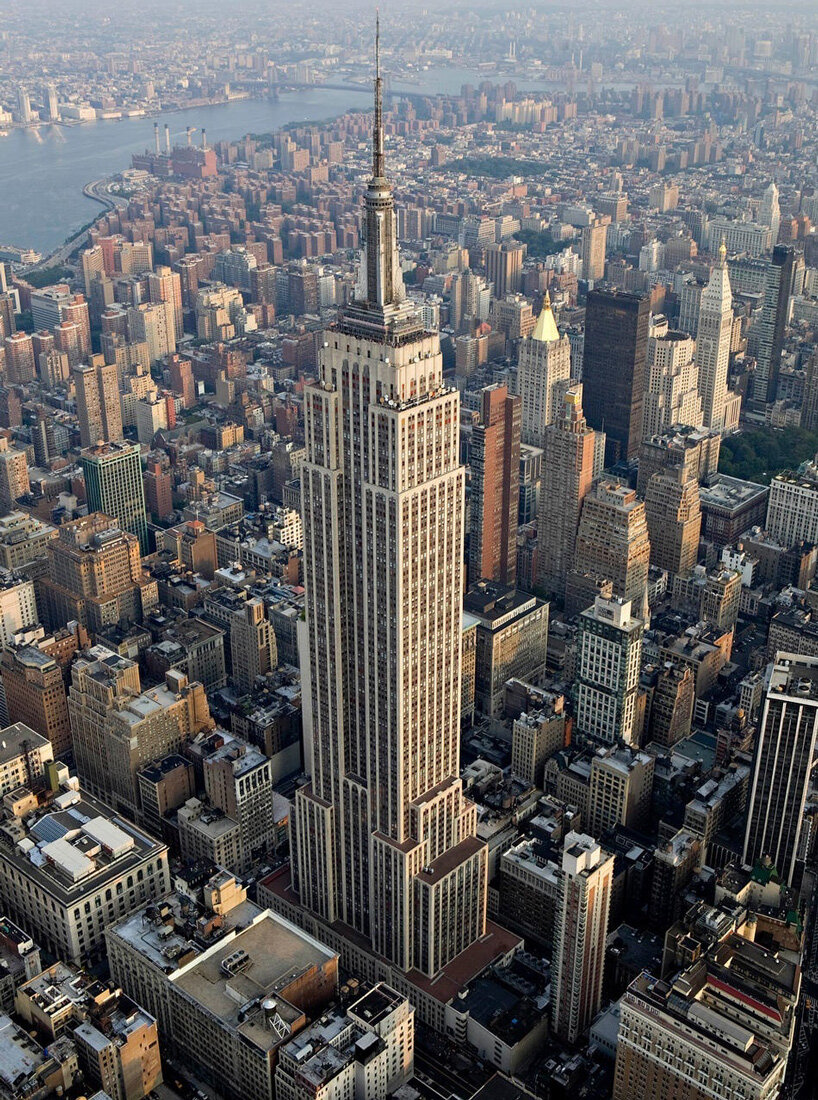
Barely a year later, in 1931, the Empire State Building seized the title, soaring to an astonishing 1,250 feet (381 meters), with its spire reaching 1,454 feet (443 meters). Built in just 13 months, this monumental structure became the tallest building in the world for nearly 40 years. Its enduring popularity as a tourist attraction, with the Empire State Building Observatory offering panoramic views, underscores its status as an undisputed symbol of New York and American ingenuity. These Art Deco masterpieces not only defined the city’s skyline but also cemented its reputation as a global leader in architecture and urban development.
Post-War Modernism and Beyond
Following World War II, New York’s skyline continued to evolve with the advent of modernism. Glass and steel became dominant materials, giving rise to sleek, minimalist towers. The construction of the original World Trade Center Twin Towers in the early 1970s marked a new era of colossal commercial developments, reaching 1,368 and 1,362 feet respectively. Their tragic destruction in 2001 led to a period of solemn rebuilding, culminating in the magnificent One World Trade Center, which opened in 2014, standing at a symbolic 1,776 feet (541 meters), making it the tallest building in the Western Hemisphere.
The 21st century has seen another unprecedented boom in skyscraper construction, particularly in residential towers. Driven by global wealth and the allure of Manhattan living, supertall luxury condominiums have dramatically reshaped the skyline, especially along “Billionaires’ Row” in Midtown Manhattan. This ongoing vertical growth ensures that New York’s skyline is a living, breathing entity, constantly changing and reaching ever higher.
The Numbers Game: How Many Skyscrapers Truly Dot the NYC Landscape?
Now, to the heart of the matter: the numbers. Quantifying New York City’s skyscrapers is an exercise that requires precision and a clear understanding of the established definitions. Given the city’s continuous development, these figures are always in flux, but we can provide a robust estimate based on common benchmarks.
By the Numbers: Official Counts and Estimates
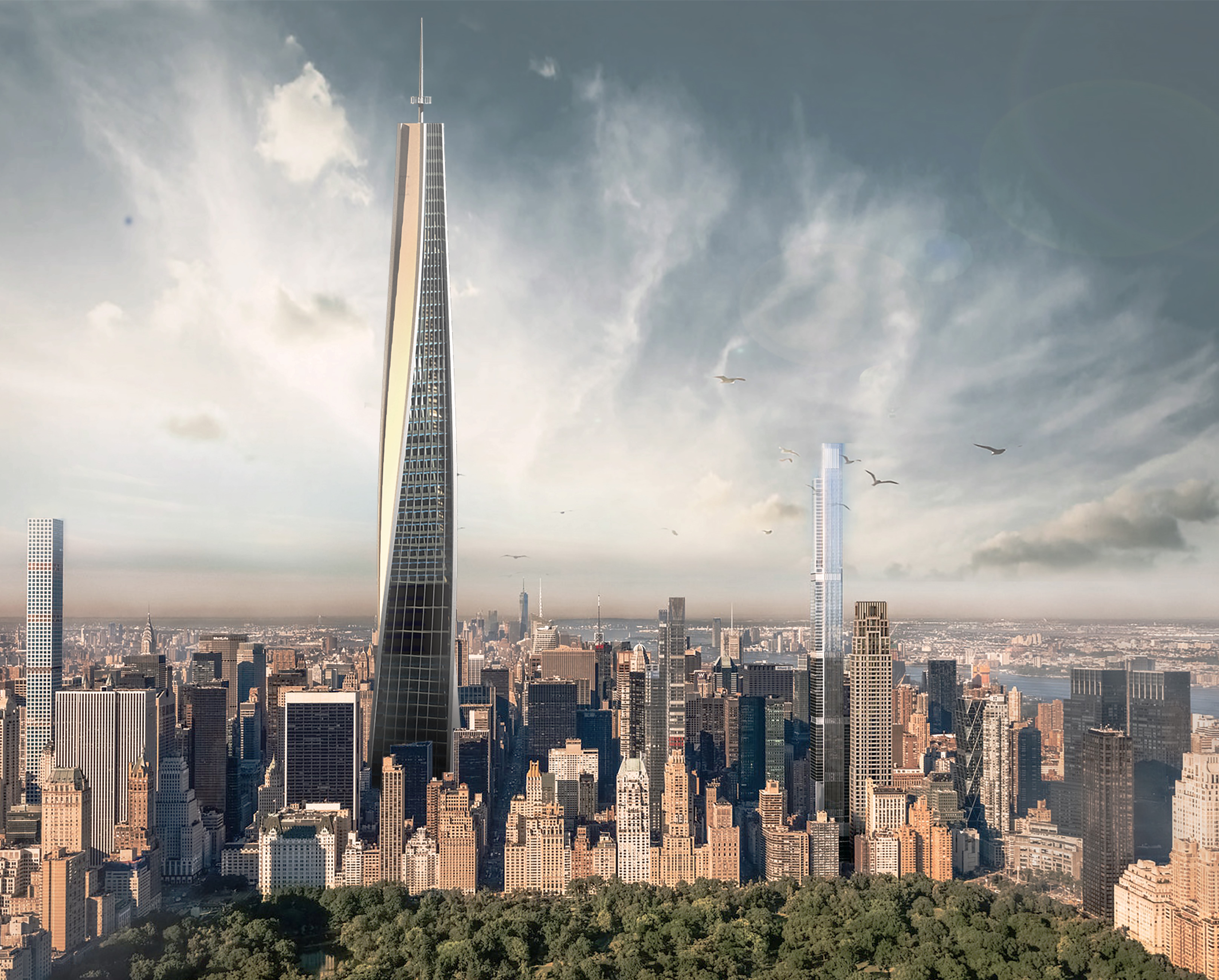
Using the CTBUH definition of a skyscraper as a building 150 meters (492 feet) or taller, New York City consistently ranks among the top cities globally for the sheer volume of its high-rises. According to various architectural databases and urban development trackers, the number of completed skyscrapers in New York City (as of late 2023 / early 2024) typically falls within the range of over 300 to 350 buildings that meet the 150-meter threshold.
If we expand the definition to include buildings over 100 meters (328 feet), which would encompass many more significant high-rises that contribute to the dense urban fabric, this number surges dramatically, easily exceeding over 1,000 structures. This broader count includes a vast array of office blocks, residential towers, and mixed-use developments that, while not “supertall,” are undeniably towering in their own right and contribute to the city’s unparalleled verticality.
It’s important to note that these figures are dynamic. New York City has dozens of additional skyscrapers currently under construction or in various stages of planning and approval. This constant state of development means that the skyline is continually being reshaped, with new giants regularly joining the ranks. This relentless expansion is a testament to the city’s economic vitality and its enduring appeal as a global hub.
The Tallest of the Tall: Iconic Giants Today
While sheer numbers are impressive, certain skyscrapers stand out for their exceptional height and profound impact on the city’s silhouette. These are the giants that define the contemporary New York skyline:
- One World Trade Center: Soaring to 1,776 feet (541 meters), it is not only the tallest building in New York City but also in the entire Western Hemisphere. Its symbolic height commemorates the year of the United States’ Declaration of Independence, and its observation deck offers breathtaking views.
- Central Park Tower: A residential marvel completed in 2020, reaching 1,550 feet (472 meters). Located on “Billionaires’ Row,” it offers some of the most exclusive and expensive residences in the world, with unparalleled views of Central Park and the city.
- Steinway Tower (111 West 57th Street): Finished in 2021, this ultra-thin skyscraper is another residential masterpiece, standing at 1,428 feet (435 meters). It is renowned for its extreme slenderness ratio, giving it a dramatic, pencil-like profile.
- One Vanderbilt: An architectural triumph completed in 2020, rising to 1,401 feet (427 meters) adjacent to Grand Central Terminal. This commercial skyscraper not only redefines Midtown’s skyline but also features Summit One Vanderbilt, an innovative observation experience.
- Empire State Building: While no longer the tallest, its 1,250 feet (381 meters) (1,454 feet to tip) still make it a dominant and beloved fixture, embodying New York’s enduring spirit.
- Bank of America Tower: At 1,200 feet (366 meters) to its spire, this environmentally conscious skyscraper in Midtown is a prominent feature.
These buildings, along with others like 432 Park Avenue, 30 Hudson Yards, and the Chrysler Building, collectively form the majestic modern skyline that captivates millions. Each represents a different facet of New York’s economic prowess, architectural ambition, and cultural identity.
Beyond the Statistics: The Skyscraper Experience in New York
The sheer number and height of skyscrapers in New York City are impressive statistics, but their true impact extends far beyond mere measurements. These vertical cities within a city define the experience of living in and visiting New York, influencing everything from tourism and hospitality to daily life and luxury lifestyles.
Tourist Perspectives: Views from Above and Below
For tourists, skyscrapers are both destinations and backdrops. From the ground, they create an awe-inspiring canyon effect, especially when walking along avenues like Fifth Avenue or through the Financial District. Looking up, the intricate details and dizzying heights provide endless photographic opportunities and a sense of wonder at human achievement.
Crucially, many skyscrapers offer incredible observation decks, transforming them into must-visit attractions that provide unparalleled panoramic views of the city’s intricate grid, its surrounding waterways, and the distant horizons of Brooklyn, Queens, and beyond.
- Empire State Building Observatory: The classic, offering timeless 360-degree views from its 86th and 102nd-floor observatories. A piece of history and an essential New York experience.
- Top of the Rock: Located atop 30 Rockefeller Plaza, this observation deck provides magnificent views of Central Park and, uniquely, an unobstructed view of the Empire State Building itself.
- Summit One Vanderbilt: A contemporary, immersive experience combining art installations, mirrored rooms, and thrilling glass ledges with spectacular views from One Vanderbilt.
- Edge at Hudson Yards: The highest outdoor sky deck in the Western Hemisphere, offering exhilarating views and a glass-bottom floor for a truly unique perspective of the city below.
These attractions are integral to New York’s tourism appeal, drawing millions of visitors annually who wish to literally see the city from a different perspective. They offer not just views, but unique experiences that are deeply embedded in the travel guides and itineraries of anyone exploring the city.
Hotels with a View: Staying Amongst the Clouds
For those looking to fully immerse themselves in the skyscraper experience, New York City offers an abundance of hotels situated within or adjacent to these towering structures. Staying in a high-rise hotel provides guests with their own private observation deck, offering breathtaking cityscape views right from their room, transforming a simple stay into a luxurious and memorable experience.
Luxury hotels such as the Mandarin Oriental, New York (located in the Time Warner Center), The St. Regis New York, or the Park Hyatt New York offer rooms and suites with incredible vistas, often overlooking Central Park or the glittering lights of Manhattan. Even mid-range hotels in areas like Midtown or the Financial District frequently boast impressive views from their higher floors, making the accommodation part of the attraction itself.
These hotels, along with luxury apartments and serviced residences, cater to a lifestyle that embraces vertical living and panoramic splendor. They are central to the city’s accommodation offerings, providing everything from opulent suites to comfortable rooms, all unified by the shared backdrop of the world’s most famous skyline.
Lifestyle and Commerce: The Pulsating Heart of NYC
Skyscrapers are not merely tourist attractions or places to stay; they are the very arteries and veins of New York City’s economic and social life. They house the offices of global corporations on Wall Street and in Midtown, innovative tech startups, and the headquarters of fashion, media, and finance giants. This concentration of business activity within these vertical hubs fuels the city’s status as a global economic powerhouse.
Beyond commerce, skyscrapers increasingly define New York’s residential landscape. The luxury residential towers, particularly those on “Billionaires’ Row,” offer an exclusive lifestyle of unparalleled amenities, privacy, and, of course, magnificent views. They represent the pinnacle of urban living for a discerning clientele, shaping the definition of luxury in one of the world’s most competitive real estate markets.
The sheer density of these structures also facilitates a unique urban lifestyle. The proximity of work, residence, dining, and entertainment options means that large parts of the city operate on a vertical plane, with everything conveniently accessible within a compact footprint. From world-class restaurants to high-end boutiques on Fifth Avenue, many experiences are found within or around these towering landmarks, contributing to the vibrant, fast-paced, and cosmopolitan lifestyle synonymous with New York City.
In essence, the skyscrapers of New York are far more than just tall buildings. They are historical markers, architectural wonders, economic engines, and cultural touchstones. They embody the city’s relentless spirit, its aspirations, and its continuous evolution, making it an endlessly fascinating destination for travel, tourism, and a truly unique urban lifestyle.
Conclusion
The question “How Many Skyscrapers Are In New York?” opens a window into the fascinating world of urban development, architectural ambition, and the very identity of one of the world’s greatest cities. While the exact number can fluctuate based on definitions and ongoing construction, a conservative estimate places the count of skyscrapers – defined as buildings 150 meters (492 feet) or taller – at over 300 to 350 completed structures. This figure solidifies New York City’s position as a global leader in vertical architecture, a metropolis that has continuously pushed the boundaries of what is possible in urban design.
From the pioneering efforts of the late 19th century to the Art Deco masterpieces of the 1930s and the supertall luxury residential towers of today, New York’s skyscrapers tell a compelling story of human ingenuity and relentless progress. They are not merely functional buildings but iconic landmarks that draw millions of tourists to their observation decks, offer unparalleled luxury accommodation in hotels and residences, and serve as the economic engines driving global commerce.
The skyline of New York City is a dynamic tapestry, constantly evolving yet retaining its distinctive character. Each skyscraper, whether an historic gem or a gleaming modern marvel, contributes to the city’s unique allure, shaping travel experiences, influencing lifestyle choices, and cementing New York’s reputation as an unparalleled global destination. To visit New York is to be immersed in this vertical world, a testament to what humanity can achieve when it reaches for the sky.
LifeOutOfTheBox is a participant in the Amazon Services LLC Associates Program, an affiliate advertising program designed to provide a means for sites to earn advertising fees by advertising and linking to Amazon.com. Amazon, the Amazon logo, AmazonSupply, and the AmazonSupply logo are trademarks of Amazon.com, Inc. or its affiliates. As an Amazon Associate we earn affiliate commissions from qualifying purchases.