
Fort Lauderdale and Miami, two vibrant jewels of South Florida, are often considered a dual destination by travelers seeking the ultimate Florida experience. While each city boasts its unique charm, distinct attractions, and a vibrant lifestyle, their close proximity makes combining a visit to both an incredibly popular and convenient option. Whether you’re planning a luxurious getaway, a family adventure, or a business stay, understanding the distance and travel options between these two iconic cities is key to crafting your perfect Florida itinerary.
The Proximity and Connectivity of South Florida’s Gems
The relationship between Fort Lauderdale and Miami is much like that of two siblings with distinct personalities but a shared heritage. Geographically, they are neighbors, situated along the southeastern coast of Florida, offering easy access to the Atlantic Ocean. This close proximity is a significant advantage for tourists, allowing for seamless travel and the opportunity to experience a diverse range of South Florida attractions without extensive travel times. The region is well-equipped with modern infrastructure designed to connect these bustling urban centers, making the journey between them straightforward and often enjoyable.
Unpacking the Distance: Miles and Minutes
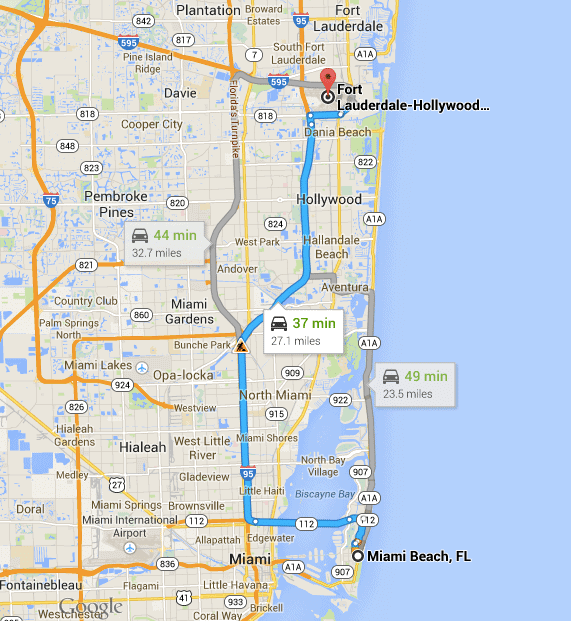
The distance between downtown Fort Lauderdale and downtown Miami is approximately 30 to 35 miles (48 to 56 kilometers), depending on the specific starting and ending points within each metropolitan area. This relatively short distance translates into manageable travel times, making day trips or multi-city stays highly feasible.
- By Car: Driving is perhaps the most common and flexible way to travel between the two cities. The journey typically takes anywhere from 30 to 45 minutes under ideal traffic conditions. However, during peak rush hours, particularly in the mornings (7:00 AM to 9:00 AM) and evenings (4:00 PM to 6:00 PM), travel times can extend to an hour or even more. The primary route is usually Interstate 95 (I-95), a major north-south artery connecting the entire East Coast of the United States. For those seeking a more scenic route, coastal roads like U.S. Route 1 offer a slower, but often more picturesque drive through various beach towns and communities.
- By Train: One of the most modern and efficient ways to travel is via Brightline, a high-speed inter-city rail service. Brightline offers a comfortable, luxurious, and quick journey between the central stations of Fort Lauderdale and Miami. The train ride itself can take as little as 30 minutes, making it one of the fastest options. With amenities like Wi-Fi, food and beverage service, and spacious seating, Brightline provides a premium travel experience, often preferred by both business and leisure travelers looking to avoid traffic and parking hassles. Another option, though primarily a commuter rail, is Tri-Rail, which offers a more budget-friendly alternative with more frequent stops and a longer travel time of approximately 45 minutes to an hour between the main stations.
- By Bus/Shuttle: Several bus services and private shuttle companies operate routes between Fort Lauderdale and Miami. These options can be more economical, though usually taking longer than driving or taking the train, typically ranging from 1 hour to 1.5 hours, depending on the number of stops and traffic. For travelers heading to or from Fort Lauderdale-Hollywood International Airport or Miami International Airport, dedicated airport shuttles provide convenient direct transfers.
- By Rideshare/Taxi: Services like Uber and Lyft, along with traditional taxis, are readily available in both cities. The cost can vary significantly based on demand, time of day, and specific destination, but they offer the convenience of door-to-door service and can mirror the driving times mentioned above.
Navigating the Journey: Transportation Options Between Cities
Choosing the right mode of transportation depends heavily on your priorities: speed, cost, comfort, and convenience.
For those prioritizing speed and comfort, Brightline is an excellent choice, especially if your origin and destination are close to its stations. It’s ideal for a quick day trip or for business travelers. For families or groups with a lot of luggage, renting a car offers unparalleled flexibility, allowing spontaneous stops and direct access to various attractions. However, factor in potential parking fees and navigating urban traffic. Miami International Airport (MIA) and Fort Lauderdale-Hollywood International Airport (FLL) serve as major gateways to the region, and MIA is connected to downtown Miami by the MIA Mover and the metro rail system, while FLL has shuttle services to the Tri-Rail station. This connectivity ensures that travelers arriving by air can easily transition to ground transportation for their onward journey between cities.
Exploring the Distinctive Charms of Miami
Miami, often hailed as a global hub for finance, culture, art, and fashion, offers an electrifying experience that blends Latin American vibrancy with a cosmopolitan allure. It’s a city that never sleeps, known for its stunning Art Deco architecture, world-class beaches, and a pulsating nightlife. As a top travel destination, Miami caters to every kind of traveler, from those seeking luxury travel to budget-conscious adventurers.
Iconic Landmarks and Vibrant Neighborhoods
Miami‘s landscape is dotted with famous places and historic sites, alongside burgeoning arts districts and family-friendly attractions.
- South Beach and the Art Deco Historic District: This is perhaps Miami‘s most iconic area, famous for its pastel-hued buildings from the 1930s and 40s. Stroll along Ocean Drive to admire the unique architecture, dine at sidewalk cafes, and soak up the energetic atmosphere. The beach itself is a broad expanse of white sand, perfect for sunbathing, swimming, and people-watching. The Versace Mansion, now a luxury hotel, stands as a grand testament to the area’s opulent history.
- Wynwood Walls: A testament to Miami‘s contemporary art scene, this outdoor street art museum features massive, colorful murals by renowned artists from around the globe. It’s a must-visit for art enthusiasts and photographers, offering a dynamic and ever-changing display of urban creativity.
- Little Havana: Step into the heart of Cuban culture on Calle Ocho in Little Havana. Here, you can experience the rhythms of salsa music, watch cigars being hand-rolled, sip on strong Cuban coffee, and challenge locals to a game of dominoes at Maximo Gomez Park (Domino Park). It’s a vibrant neighborhood rich in local culture, food, and history.
- Vizcaya Museum & Gardens: A magnificent European-inspired estate built in the early 20th century, Vizcaya offers a glimpse into Miami‘s Gilded Age. With its stunning architecture, elaborate gardens, and priceless art collections, it’s a serene escape from the city bustle and a prominent landmark.
- Museum Park: Home to the Pérez Art Museum Miami (PAMM) and the Phillip and Patricia Frost Museum of Science, this waterfront park offers cultural and educational experiences for all ages. PAMM features modern and contemporary international art, while the Frost Science Museum boasts a planetarium and aquarium.
- Bayside Marketplace: A lively open-air festival marketplace on Biscayne Bay, offering shopping, dining, and live entertainment. It’s also a popular departure point for boat tours of the bay, providing views of the Miami skyline and celebrity homes.
- Everglades National Park: While not directly in Miami, this vast natural wonder is easily accessible for a day trip. It’s an unparalleled opportunity to experience unique wildlife, including alligators, diverse bird species, and the serene beauty of Florida‘s wetlands.
Miami’s Diverse Accommodation Landscape
As a global destination, Miami offers an extensive array of accommodation options to suit every preference and budget. From luxurious resorts to boutique hotels and convenient apartments, the city caters to a wide spectrum of travelers.
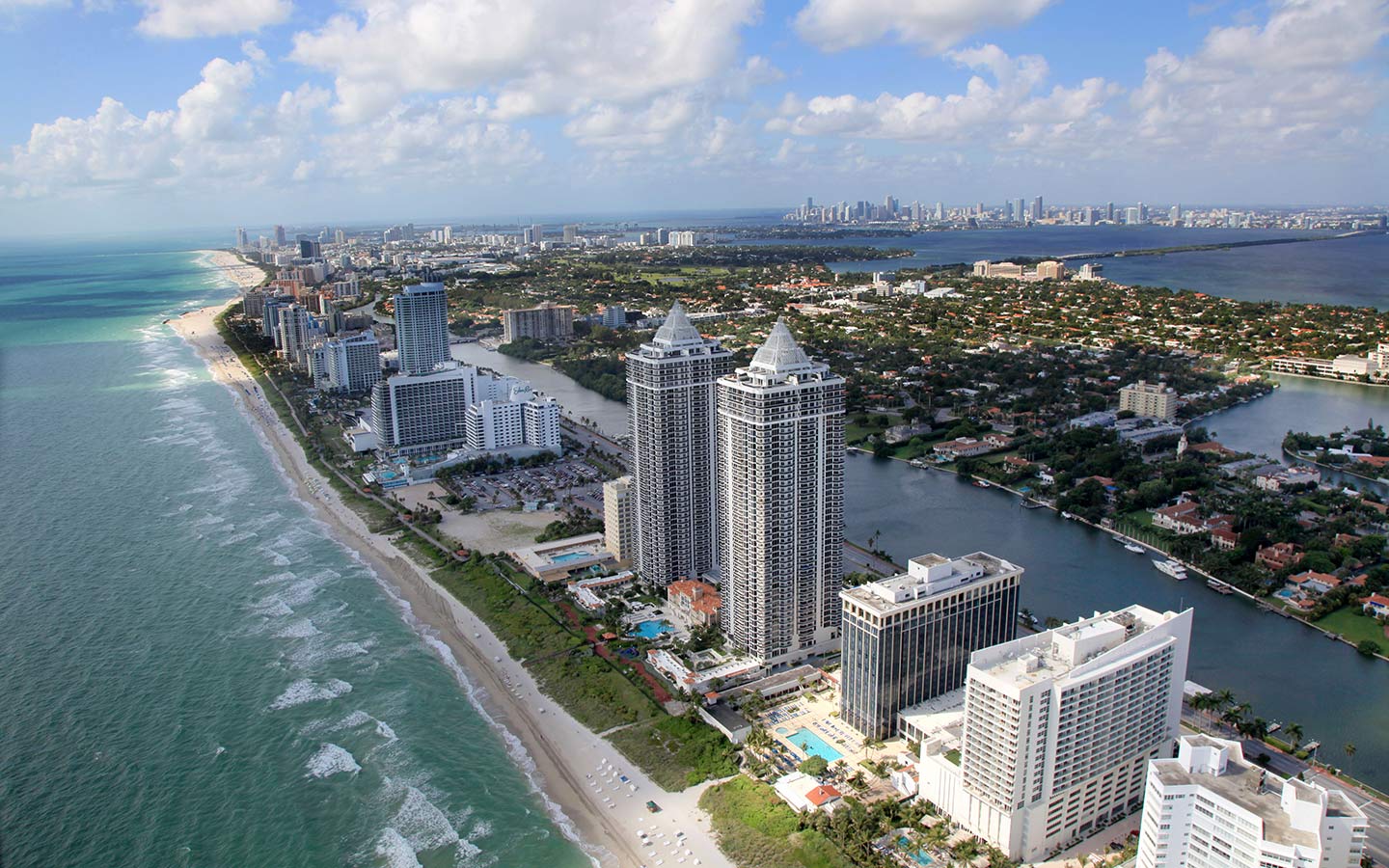
- Luxury Resorts: Areas like South Beach and Miami Beach are home to some of the world’s most opulent resorts, offering lavish suites, beachfront access, world-class spas, and exquisite dining. Properties like the Fontainebleau Miami Beach and The Setai, Miami Beach are synonymous with high-end luxury, providing an unparalleled experience for those seeking indulgence. In Downtown Miami and Brickell, hotels such as the JW Marriott Marquis Miami cater to both leisure and business travelers with sophisticated amenities and prime locations.
- Boutique Hotels: For a more personalized and intimate experience, Miami‘s boutique hotels, particularly in the Art Deco Historic District, offer unique designs, exceptional service, and a strong sense of local character. These accommodations often provide a charm that larger chains cannot replicate.
- Vacation Rentals and Apartments: For longer stays, family trips, or those seeking a home-away-from-home experience, vacation rentals, including apartments and villas, are widely available through platforms like Airbnb and VRBO. Neighborhoods like Coral Gables and Coconut Grove offer quieter residential areas with charming rental options.
- Budget-Friendly Options: While Miami is known for its luxury, there are also numerous budget-friendly hotels and hostels, especially further away from the immediate beachfront, providing comfortable stays without breaking the bank.
Discovering the Allure of Fort Lauderdale
Often dubbed the “Venice of America” due to its intricate network of canals and waterways, Fort Lauderdale presents a slightly more relaxed yet equally captivating atmosphere compared to its southern neighbor. It’s a city renowned for its stunning beaches, vibrant boating scene, and family-friendly attractions, making it an ideal destination for those seeking a blend of relaxation and adventure.
From Beaches to Boating: The Venice of America
Fort Lauderdale offers a distinct appeal with its emphasis on water-centric activities and a laid-back sophistication.
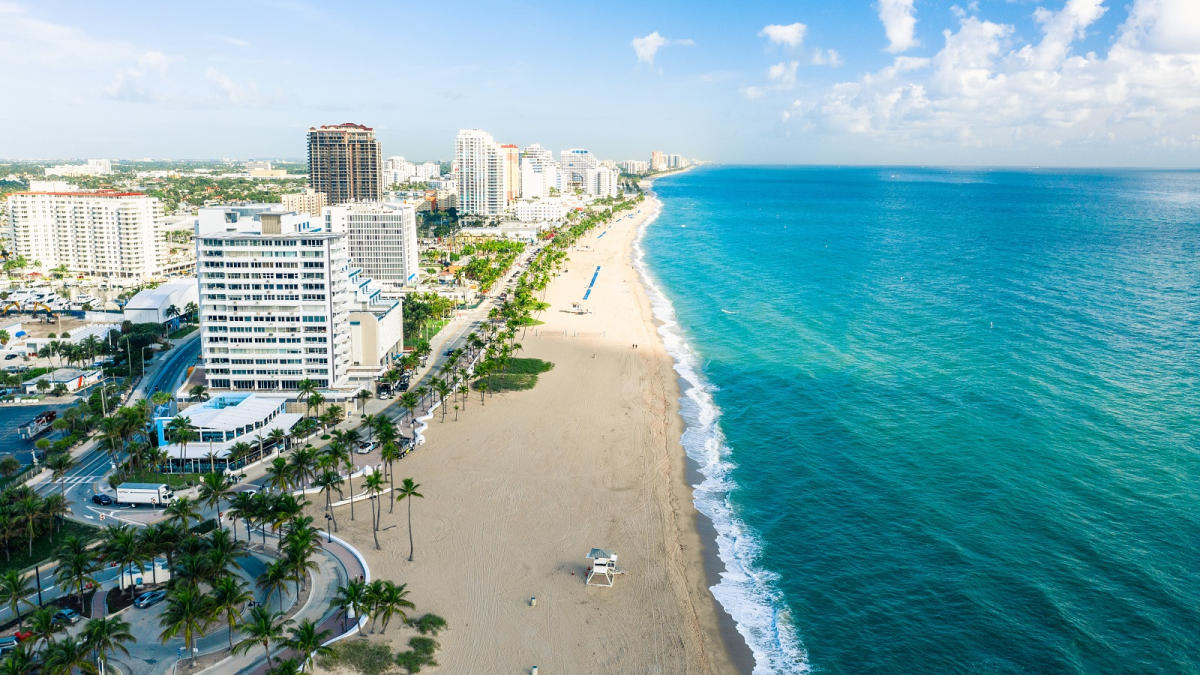
- Fort Lauderdale Beach: Miles of pristine golden sand await visitors, perfect for sunbathing, swimming, and water sports. The Fort Lauderdale Beach promenade, a beautifully landscaped oceanfront walkway, is ideal for jogging, biking, or simply enjoying a leisurely stroll with ocean views.
- Las Olas Boulevard: This upscale street is the heart of Fort Lauderdale‘s dining, shopping, and entertainment scene. Lined with art galleries, boutique shops, and a diverse range of restaurants, Las Olas Boulevard is perfect for an evening out, a leisurely brunch, or a cultural exploration. It stretches from downtown to the beach, traversing some of the city’s picturesque canals.
- Riverwalk Arts & Entertainment District: Located along the New River, this scenic linear park connects several of Fort Lauderdale‘s major cultural attractions, including the Broward Center for the Performing Arts, the NSU Art Museum Fort Lauderdale, and the Museum of Discovery and Science. It’s a vibrant hub for local culture, art, and history.
- Boating and Waterways: With over 300 miles of inland waterways, Fort Lauderdale truly lives up to its “Venice of America” moniker. Water taxis provide a unique way to explore the city’s canals, offering hop-on, hop-off service to various attractions, restaurants, and hotels. Private yacht charters and gondola rides are also popular for a more exclusive experience, showcasing the lavish waterfront homes and bustling marinas of Port Everglades.
- Hugh Taylor Birch State Park: An urban oasis nestled between the Intracoastal Waterway and the Atlantic Ocean, this state park offers a peaceful escape with walking trails, picnic areas, and opportunities for canoeing and kayaking. It’s a haven for nature lovers and families, providing a tranquil contrast to the bustling beach scene.
Where to Stay: Fort Lauderdale’s Premier Accommodations
Fort Lauderdale provides a diverse range of accommodation options, from luxurious resorts overlooking the ocean to charming boutique hotels and convenient vacation rentals, catering to various travel styles and budgets.
- Beachfront Resorts: For an unparalleled oceanfront experience, Fort Lauderdale boasts several world-class resorts directly on the beach. Establishments like The Ritz-Carlton, Fort Lauderdale and W Fort Lauderdale offer luxurious suites, infinity pools, fine dining, and direct access to the sand. These resorts are ideal for those seeking luxury travel and relaxation.
- Family-Friendly Resorts: Many resorts in Fort Lauderdale are designed with families in mind, offering amenities such as kids’ clubs, multiple swimming pools, and spacious accommodations. The Lago Mar Beach Resort & Club, for instance, is a popular choice known for its private beach and extensive family-oriented facilities.
- Boutique Hotels and Inns: For a more intimate stay, Fort Lauderdale has a growing number of boutique hotels and charming inns, particularly in areas near Las Olas Boulevard and the arts district. These properties often provide unique decor, personalized service, and a strong connection to the local community.
- Vacation Rentals: Similar to Miami, vacation rentals, including apartments, condos, and villas, are abundant in Fort Lauderdale. These options are particularly attractive for longer stays, groups, or families who prefer the convenience of a kitchen and more living space. The Greater Fort Lauderdale Convention & Visitors Bureau can also provide resources for finding suitable accommodations.
- Casino Resorts: Just a short drive from downtown Fort Lauderdale, the Seminole Hard Rock Hotel & Casino Hollywood offers a vibrant entertainment complex with a hotel, casino, multiple restaurants, and live music venues, providing a different kind of luxury experience.
Crafting Your Perfect South Florida Itinerary
The close proximity of Fort Lauderdale and Miami offers an incredible opportunity to create a dynamic and diverse travel experience. Whether you’re interested in the bustling nightlife of Miami Beach, the serene waterways of Fort Lauderdale, or a combination of both, strategic planning can enhance your trip significantly.
Maximizing Your Dual-City Experience
To make the most of your visit to both cities, consider these tips:
- Allocate Time Wisely: Decide whether you want to split your stay evenly or dedicate more time to one city. A common approach is to base yourself in one city and take day trips to the other, or to split your accommodation between the two to fully immerse yourself in each destination’s unique atmosphere. For example, you might spend a few nights enjoying Miami‘s vibrant scene and then transition to Fort Lauderdale for a more relaxed beachfront experience.
- Consider Transportation Passes: If planning multiple trips between the cities, investigate multi-day passes for Brightline or even consider a car rental if you prefer ultimate flexibility, especially when exploring beyond the city centers.
- Theme Your Days: Dedicate specific days to certain themes. For instance, a “Beach Day” in Fort Lauderdale, an “Art and Culture Day” in Miami (visiting Wynwood Walls and museums), or a “Culinary Exploration Day” splitting between Little Havana and Las Olas Boulevard. This approach ensures you experience the best of both worlds.
- Leverage Airport Proximity: If flying into FLL or MIA, plan your initial days in the city closest to your arrival airport to minimize immediate travel, then move to the other city. Both airports are major international hubs, offering convenient access to South Florida.
Essential Tips for Travelers
- Book Accommodation in Advance: Especially during peak season (winter and spring break), hotels and resorts in both Miami and Fort Lauderdale can fill up quickly. Booking early ensures you get your preferred accommodation at a better rate.
- Check Event Calendars: South Florida hosts numerous festivals, concerts, and sporting events throughout the year. Checking local event calendars for both cities can help you plan your visit around specific interests or avoid major crowds if preferred.
- Pack Appropriately: Florida has a tropical climate. Light, breathable clothing, swimwear, sunscreen, and insect repellent are essentials. Don’t forget comfortable walking shoes for exploring the cities’ vibrant neighborhoods.
- Stay Hydrated: The Florida sun can be intense. Always carry water, especially when spending time outdoors.
- Utilize Local Guides and Information: The local tourism boards, such as the Greater Fort Lauderdale Convention & Visitors Bureau, offer invaluable resources, maps, and tips to enhance your travel experiences. Online guides and travel blogs like Life Out of the Box also provide detailed insights into destinations, attractions, and accommodations.
In conclusion, the distance between Fort Lauderdale and Miami, Florida, is minimal, making them an ideal duo for any traveler to explore. Their distinct characteristics complement each other beautifully, offering a rich tapestry of experiences from bustling city life and artistic innovation to serene beaches and aquatic adventures. By understanding the travel options and planning strategically, you can effortlessly navigate between these two radiant Florida cities and create an unforgettable journey filled with unforgettable moments.
LifeOutOfTheBox is a participant in the Amazon Services LLC Associates Program, an affiliate advertising program designed to provide a means for sites to earn advertising fees by advertising and linking to Amazon.com. Amazon, the Amazon logo, AmazonSupply, and the AmazonSupply logo are trademarks of Amazon.com, Inc. or its affiliates. As an Amazon Associate we earn affiliate commissions from qualifying purchases.