
The question of “How much is New York State minimum wage?” might seem like a straightforward query, easily answered with a quick search. However, its implications extend far beyond a simple numerical value, profoundly influencing everything from the daily lives of residents to the vibrant tourism and travel industries that define one of America’s most iconic states. For visitors planning a trip to the bustling streets of New York City, the tranquil beauty of the Adirondacks, or the picturesque vineyards of the Finger Lakes, understanding the state’s minimum wage policies offers a unique lens through which to appreciate the local economy, the quality of service, and ultimately, the cost of their unforgettable experiences.
New York State is not just a destination; it’s a tapestry woven with diverse cultures, breathtaking landmarks, and an unparalleled array of attractions. From world-class hotels and dining establishments to intricate transport networks and myriad entertainment venues, the state relies heavily on its dedicated workforce. The minimum wage plays a critical role in shaping the financial well-being of these essential employees, which, in turn, influences the operational costs for businesses, the pricing of goods and services, and ultimately, the overall quality of the visitor experience. This article delves into the specifics of New York State’s minimum wage, exploring its regional variations and the significant ripple effects it has on the state’s dynamic travel and tourism sectors, offering insights for both employers and prospective travelers.
Understanding New York’s Minimum Wage Landscape
New York State’s approach to the minimum wage is designed to reflect the diverse economic realities across its vast geography. Unlike a uniform statewide rate, the state employs a tiered system that recognizes the significant differences in the cost of living between its urban centers and more rural areas. This nuanced strategy aims to provide a living wage that is more appropriately tailored to local economic conditions.
A Tiered Approach: Regional Variations
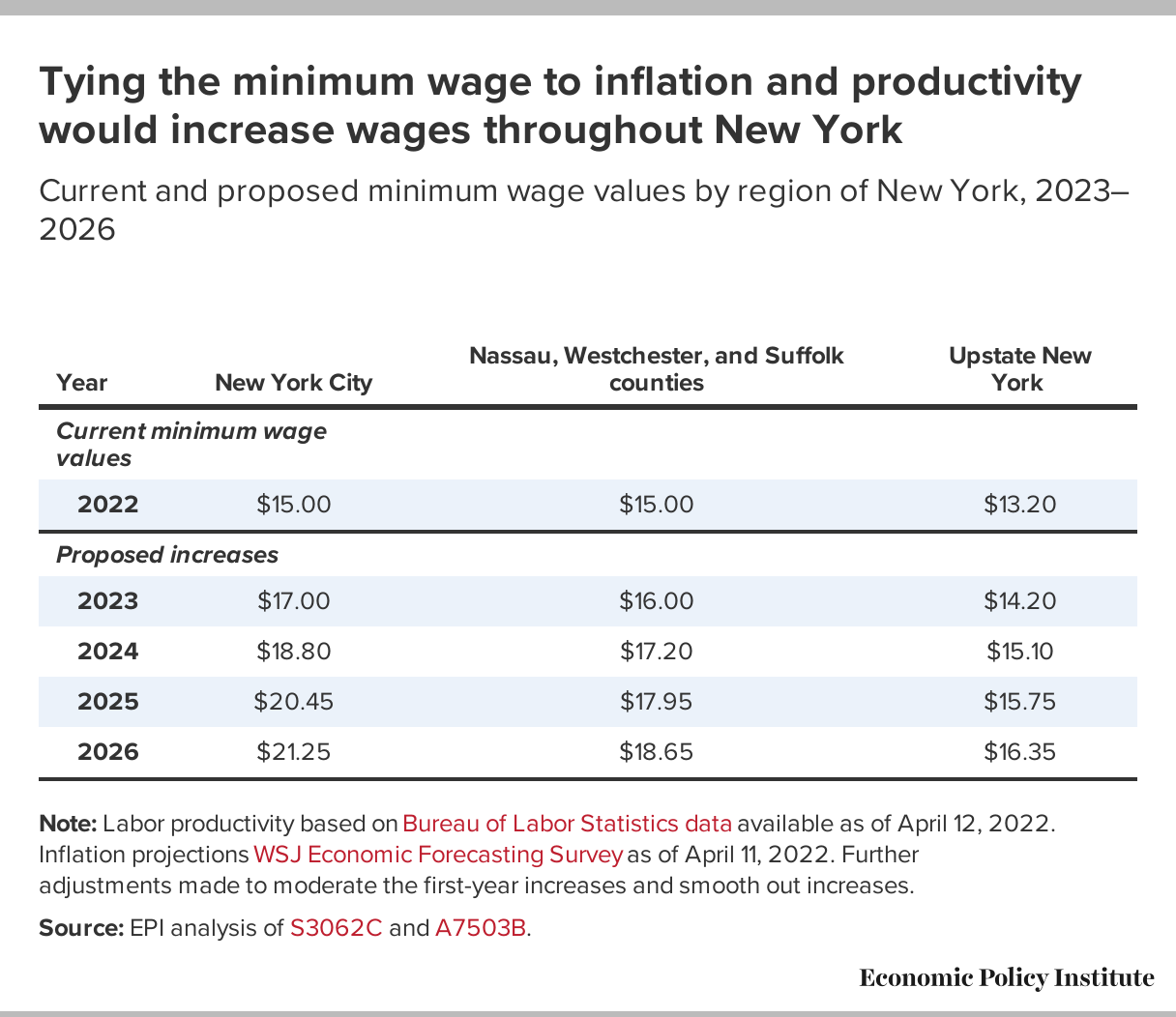
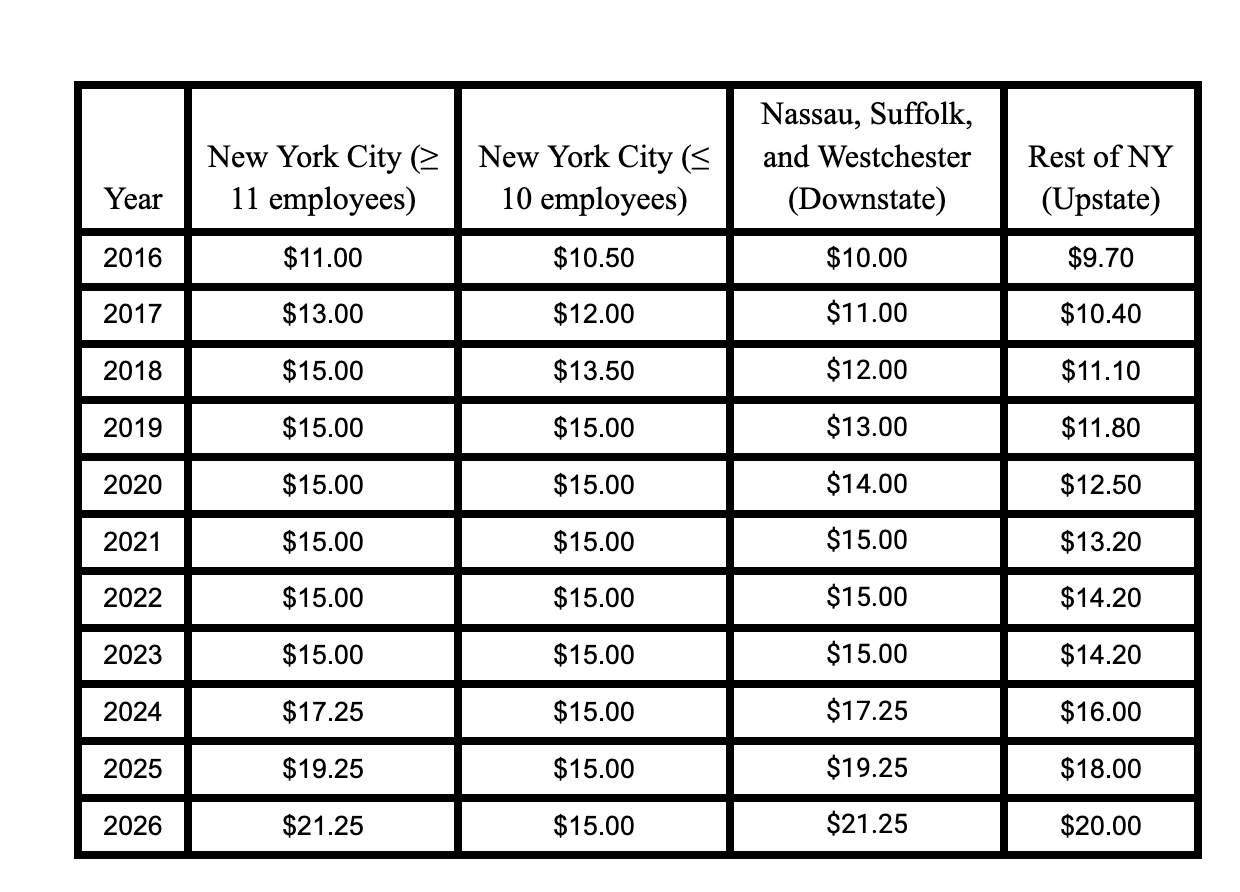
As of January 1, 2024, the minimum wage in New York State is set at different rates depending on the region. This tiered system is crucial for understanding the economic landscape for both workers and businesses, particularly within the hospitality and tourism sectors.
- New York City: Recognizing the exceptionally high cost of living within the five boroughs, the minimum wage here stands at $16.00 per hour. This rate applies to all employers within Manhattan, Brooklyn, Queens, the Bronx, and Staten Island. This higher wage directly impacts the operational expenses of the myriad hotels, restaurants, shops, and attractions that draw millions of visitors annually.
- Long Island and Westchester County: These suburban areas, which often serve as gateways to New York City or offer their own distinctive resorts and amenities (such as The Hamptons on Long Island), also face elevated living costs. Consequently, the minimum wage in these regions matches New York City at $16.00 per hour. Businesses here, from charming bed-and-breakfasts to upscale dining, navigate similar labor cost considerations.
- Rest of New York State: For all other counties across the state, including major cities like Buffalo, Rochester, Syracuse, and the state capital Albany, the minimum wage is set at $15.00 per hour. This rate acknowledges the generally lower cost of living compared to the metropolitan areas while still aiming to provide a fair wage. This applies to the thriving tourism industries around Niagara Falls, the Finger Lakes wine region, and the scenic Hudson Valley.
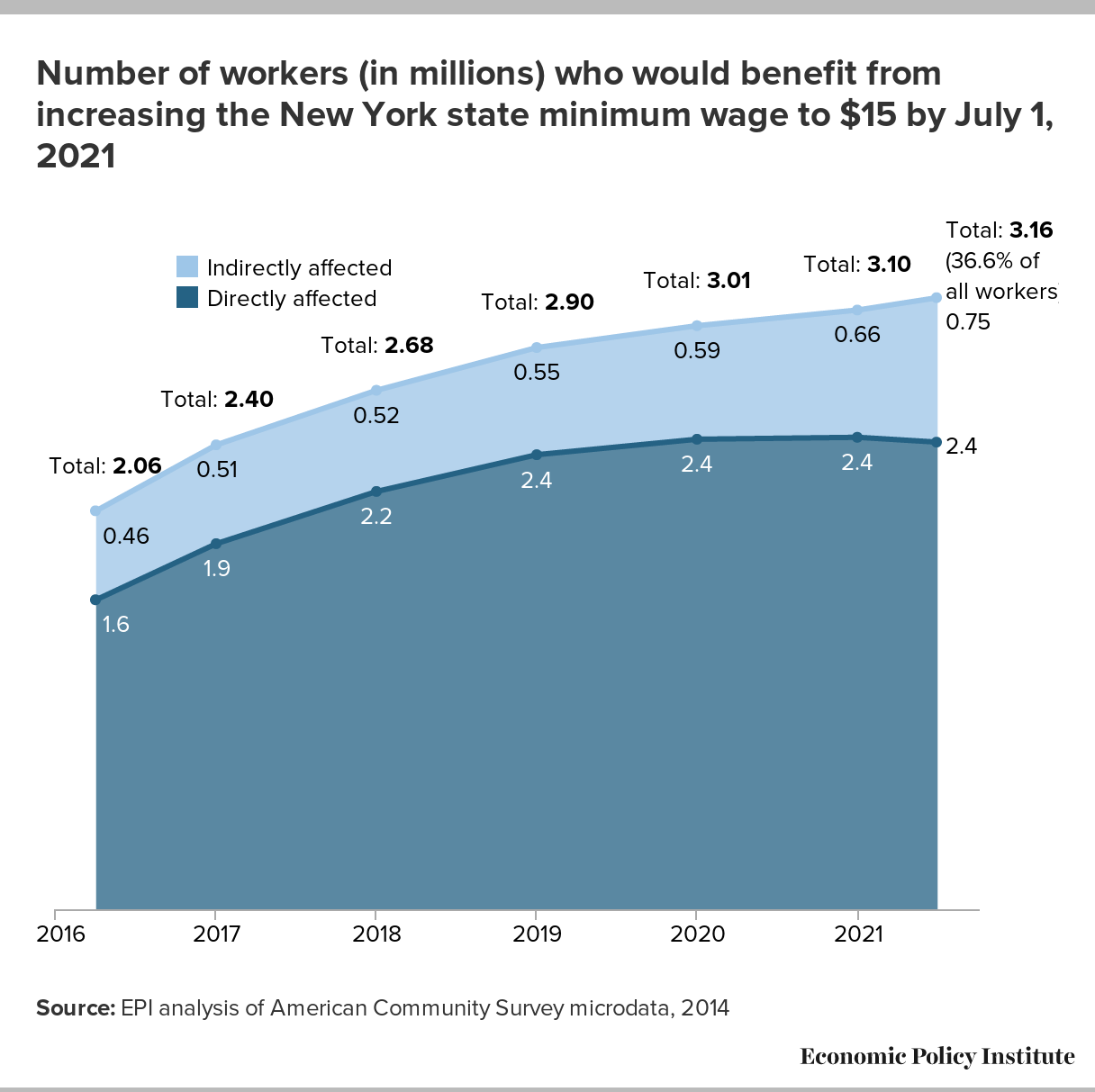
These rates are part of a larger plan to gradually increase the minimum wage across the state, demonstrating a commitment to supporting workers’ purchasing power and contributing to economic stability.
Tipped Workers and Special Categories
It’s also important to note that specific rules apply to tipped employees. While the standard minimum wage applies, employers are allowed to take a “tip credit” towards the minimum wage, meaning they can pay a lower direct wage if an employee’s tips bring their total hourly earnings up to or above the minimum wage. However, this varies by industry (e.g., hospitality vs. certain service industries) and requires careful tracking to ensure employees always meet the state-mandated minimum. Additionally, there are specific regulations for farm workers, residential employees, and certain other categories, reflecting the diverse nature of work within New York State. These regulations, while complex, all contribute to the overall economic environment that both residents and visitors experience.
The Ripple Effect: Minimum Wage and the Travel Industry
The minimum wage is more than just a number on a paycheck; it’s a fundamental economic lever that exerts a profound influence on various sectors, none more so than the dynamic travel and tourism industries. In a state like New York, where visitor experiences are paramount, the minimum wage directly impacts operational costs, pricing strategies, service quality, and ultimately, the overall appeal of destinations.
Impact on Hospitality Businesses
The hospitality sector—encompassing hotels, restaurants, attractions, and transportation—is particularly sensitive to changes in labor costs. A higher minimum wage necessitates adjustments in business models, which can manifest in several ways:
- Hotels & Accommodation: From luxury resorts in Manhattan to charming boutique hotels in the Hudson Valley and cozy vacation rentals in the Finger Lakes, labor is a significant operational cost. Increased wages for housekeepers, front-desk staff, concierge services, and maintenance crews can lead to higher room rates. While this might be a slight concern for budget-conscious travelers, it often supports a stable, professional workforce, which in turn enhances the quality and consistency of guest services. Well-compensated staff are more likely to be engaged, knowledgeable, and provide a superior level of service, contributing positively to guest satisfaction and reviews.
- Restaurants & Food Services: New York is a culinary mecca, famous for its diverse dining scene, from Michelin-starred establishments to iconic street food vendors. The minimum wage directly affects the payroll for chefs, servers, bussers, and kitchen staff. Businesses may adjust menu prices, explore efficiency improvements, or focus on menu innovation to absorb these costs. For tourists, this could mean slightly higher dining expenses, but it also supports the vibrant food culture by ensuring that the people preparing and serving their meals are fairly compensated, potentially leading to lower turnover and higher quality service. The ability to retain skilled staff contributes to the overall dining experience.
- Attractions & Entertainment: Iconic landmarks like the Statue of Liberty, the Empire State Building, Broadway theaters, and world-class museums such as the Metropolitan Museum of Art all rely on staff for ticketing, security, guiding, and operational support. Higher wages can influence ticket prices or operating hours. However, it also means that the staff who enhance visitor experiences—from knowledgeable museum guides to friendly ushers—are motivated and dedicated, ensuring that guests receive excellent service throughout their visit.
Empowering the Workforce and Enhancing Service Quality
While increased labor costs pose challenges for businesses, the benefits of a higher minimum wage often translate into tangible improvements for the consumer, particularly in service-oriented industries.
- Improved Employee Retention and Morale: A fair wage significantly contributes to employee satisfaction and loyalty. When workers feel valued and adequately compensated, they are less likely to seek employment elsewhere. This reduction in staff turnover means businesses can maintain a more experienced, skilled, and knowledgeable workforce. For tourists, this translates directly into better service from seasoned professionals who are intimately familiar with their roles and the offerings of their establishment. Imagine a hotel concierge who has been serving guests for years, capable of providing truly invaluable local insights.
- Enhanced Service Quality: Happy and financially stable employees are more likely to be engaged, attentive, and provide superior customer service. Whether it’s a smiling face greeting you at a resort, a tour guide passionately sharing local history, or efficient staff ensuring your accommodation is spotless, the quality of human interaction significantly shapes the travel experience. A higher minimum wage supports a lifestyle where employees can focus on their jobs without overwhelming financial stress, allowing them to deliver their best. This creates a positive feedback loop: better-compensated employees lead to better service, which leads to happier tourists and positive word-of-mouth.
Budgeting for Your New York Adventure: A Traveler’s Perspective
For many, a trip to New York State represents a dream vacation, filled with iconic sights, world-class entertainment, and unforgettable dining. While the higher minimum wage contributes to a superior service experience, it’s natural for travelers to wonder about its impact on their budget. Thoughtful planning can help you navigate costs while maximizing your adventure.
Navigating Costs in High-Wage Areas
Visiting destinations like New York City, Long Island, or Westchester County means encountering prices that reflect the higher cost of living and operations. However, this doesn’t mean a magical New York experience is out of reach for budget-conscious explorers.
- Accommodation: Hotels and resorts in prime locations like Times Square or Midtown Manhattan will naturally have higher rates. To mitigate this, consider staying slightly outside the immediate tourist hotspots. Exploring hotels in Brooklyn, Queens, or even parts of New Jersey (with excellent public transport links to NYC) can offer significant savings. Look into alternative accommodation options like guesthouses, serviced apartments, or hostels, especially if you’re traveling solo or with a group looking for a more communal experience. Booking in advance, traveling during off-peak seasons, and utilizing loyalty programs can also help secure better deals.
- Dining: While New York boasts an incredible array of high-end restaurants, its culinary scene is also rich with affordable and delicious options. Embrace the city’s diverse street food, explore vibrant ethnic neighborhoods for authentic and inexpensive meals, or opt for lunch specials which are often more budget-friendly than dinner. If your accommodation has kitchen facilities, consider cooking some meals to save on dining costs. Exploring local markets like Chelsea Market can be an experience in itself and offer opportunities for delicious, affordable bites.
- Attractions & Activities: Many of New York’s most famous landmarks and attractions can be enjoyed for free or at a low cost. Walking across the Brooklyn Bridge, exploring Central Park, window shopping on Fifth Avenue, or soaking in the atmosphere of Times Square are priceless experiences. Many museums offer free admission days or “pay-what-you-wish” policies. Consider purchasing a city pass, which can bundle admission to multiple attractions at a discounted rate, saving you money if you plan to visit several paid sites.
The Value Proposition: What You Get for Your Dollar
While costs might be higher in certain areas, the value proposition of a New York travel experience remains exceptionally strong. The investment in a fair minimum wage translates into a more professional, stable, and motivated workforce across the tourism sector.
This means that when you check into a hotel, dine at a restaurant, or visit an attraction, you are more likely to encounter employees who are well-trained, knowledgeable, and genuinely invested in providing excellent service. This commitment to quality permeates every aspect of the visitor experience, from the cleanliness of your accommodation to the efficiency of your tour, and the friendliness of staff at local shops. The peace of mind that comes from knowing you are receiving top-tier service, backed by a workforce that is treated fairly, often justifies the slightly higher costs. New York continually ranks among the world’s most desirable travel destinations precisely because it delivers an unparalleled quality of experience, fostered in part by its labor policies.
Beyond the Big Apple: Minimum Wage Across New York State’s Diverse Regions
While New York City often dominates the narrative, New York State offers a vast and varied landscape of destinations, each with its own unique charm and economic considerations. The minimum wage, at $15.00 per hour for the “Rest of New York State” region, plays a distinct role in shaping the travel and lifestyle experiences outside the metropolitan hubs.
Upstate New York’s Charm and Affordability
Regions like the Adirondacks, Finger Lakes, and Hudson Valley present a different tourism dynamic. Here, the slightly lower minimum wage compared to NYC, coupled with a generally lower cost of living, often translates into more affordable travel options for visitors.
- Adirondacks: This vast wilderness offers unparalleled natural beauty, from hiking and kayaking to skiing and quaint towns like Lake Placid. The minimum wage impacts local resorts, lodges, and small businesses that cater to outdoor enthusiasts. While labor costs are a factor, the overall pricing for accommodation, dining, and attractions here is generally more accessible than in the urban centers, making it an attractive destination for nature lovers seeking value.
- Finger Lakes: Renowned for its stunning lakes, vibrant wine country, and picturesque towns, this region thrives on wine tourism and natural attractions like Watkins Glen State Park. Wineries, boutique hotels, and farm-to-table restaurants benefit from a stable workforce supported by the minimum wage. Visitors can often enjoy exceptional food and wine experiences, along with comfortable accommodation, at a more moderate price point compared to metropolitan New York. Towns like Corning, home to the Corning Museum of Glass, also offer cultural attractions with a distinct local flavor.
- Hudson Valley: Rich in history, art, and scenic beauty, the Hudson Valley boasts charming towns like Rhinebeck, Woodstock, and Saratoga Springs. The minimum wage supports the staff in its historic inns, farm-to-table restaurants, and numerous art galleries. The slightly lower wage rate here helps maintain the affordability of these smaller, often independently run businesses, allowing travelers to savor a sophisticated yet relaxed lifestyle experience without the metropolitan price tag.
These regions, while subject to the state’s minimum wage policies, maintain their distinct character and affordability, offering a counterbalance to the higher costs of the metropolitan areas. For travelers looking to explore beyond the urban jungle, Upstate New York provides excellent value, where the impact of the minimum wage is integrated into a more relaxed and often less expensive travel landscape.
Local Economies and Sustainable Tourism
The minimum wage policies across New York State are not just about individual paychecks; they are a crucial component of fostering robust local economies and promoting sustainable tourism. When workers in small towns and rural areas are paid a fair wage, it bolsters their purchasing power, stimulating local businesses, and contributing to the economic vitality of the communities that welcome tourists.
This economic stability helps retain local talent, ensuring that the staff at small hotels, family-run restaurants, and local attractions can afford to live and thrive in their hometowns. This, in turn, preserves the authentic character of these destinations, preventing them from becoming solely playgrounds for the wealthy or suffering from workforce shortages. Sustainable tourism relies on healthy communities, and a living wage is a cornerstone of such health. It ensures that the benefits of tourism are shared more equitably, fostering a more inclusive and resilient travel ecosystem throughout the diverse regions of New York State.
In conclusion, understanding the minimum wage in New York State is key to appreciating the broader economic fabric that supports its renowned travel and tourism industries. While the tiered rates reflect diverse local economies, their fundamental goal is to ensure a fair wage for workers, which ultimately contributes to the high quality of service and memorable experiences that define a trip to this exceptional state.
Conclusion
The question of “How Much Is New York State Minimum Wage?” reveals a complex and impactful economic reality that extends far beyond a simple numerical answer. As of January 1, 2024, the rates stand at $16.00 per hour for New York City, Long Island, and Westchester County, and $15.00 per hour for the rest of New York State. These figures are not static; they are part of a dynamic framework designed to adapt to the evolving economic landscape and provide a fairer standard of living for the state’s diverse workforce.
For the vast and vibrant travel and tourism industries, the minimum wage acts as a critical factor influencing everything from operational costs for hotels and restaurants to the pricing of attractions and ultimately, the quality of visitor experiences. While a higher minimum wage may lead to adjustments in pricing for consumers, it concurrently fosters a more stable, professional, and motivated workforce. This translates directly into enhanced service quality, improved employee retention, and a more knowledgeable and engaged staff ready to make every visitor’s New York experience truly exceptional.
For travelers, understanding these economic underpinnings allows for more informed budgeting and a deeper appreciation of the value embedded in their journey. Whether exploring the iconic landmarks of Manhattan, indulging in the culinary delights of Brooklyn, or discovering the natural beauty and charm of Upstate New York’s Adirondacks or Finger Lakes, the impact of a fair wage is subtly woven into the fabric of their adventure. It underpins the quality of accommodation, the excellence of dining, and the professionalism of service that makes New York State a premier global destination. Ultimately, New York’s minimum wage policies reflect a commitment to balancing economic viability with social equity, ensuring that the magic of the Empire State is built upon a foundation of fair work and exceptional service for all.
LifeOutOfTheBox is a participant in the Amazon Services LLC Associates Program, an affiliate advertising program designed to provide a means for sites to earn advertising fees by advertising and linking to Amazon.com. Amazon, the Amazon logo, AmazonSupply, and the AmazonSupply logo are trademarks of Amazon.com, Inc. or its affiliates. As an Amazon Associate we earn affiliate commissions from qualifying purchases.