
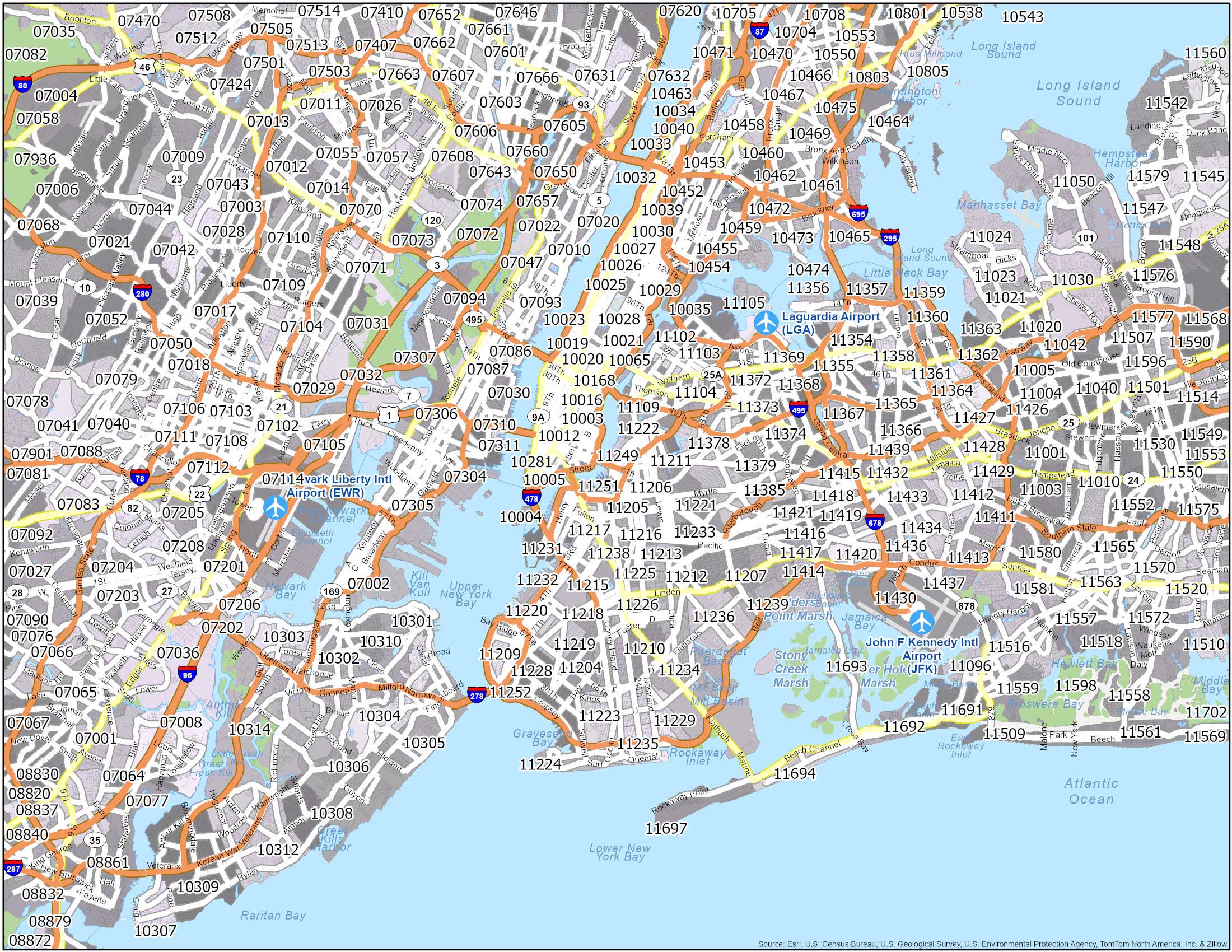
The sprawling metropolis of New York City is a vibrant mosaic of cultures, cuisines, and colossal landmarks, drawing millions of travelers, dreamers, and residents to its five distinct boroughs each year. For newcomers, whether planning a short visit or considering a long-term stay, one might wonder: what is the New York City zip code? The simple answer is that there isn’t just one. New York City is a vast urban landscape encompassing hundreds of zip codes, each serving as a unique identifier for a specific area. Far more than just a sequence of numbers for mail delivery, these zip codes are powerful geographical markers that define neighborhoods, influence lifestyles, dictate property values, and crucially, shape the experiences of both visitors and inhabitants.

Understanding the intricate web of New York City’s zip codes is an invaluable tool for anyone looking to truly explore and appreciate this iconic destination. For travelers, they can unlock insights into the character of different areas, guiding decisions on where to stay, what attractions to prioritize, and where to find authentic local experiences. For those considering a temporary relocation or a longer-term accommodation, a zip code can reveal much about the local amenities, the commute, and the overall vibe of a community. From the bustling avenues of Manhattan to the artistic enclaves of Brooklyn and the diverse communities of Queens, each zip code tells a story, offering a unique slice of the quintessential New York experience. This guide will delve into the significance of these numerical designations, helping you navigate the city like a seasoned local and make the most informed choices for your next urban adventure.
Navigating the Urban Tapestry: Understanding NYC’s Zip Code System
The system of zip codes, or Zone Improvement Plan codes, was introduced by the United States Postal Service (USPS) in 1963 to streamline mail delivery. However, in a city as dense and diverse as New York, these five-digit codes have evolved into much more than just postal markers; they are fundamental geographic identifiers that delineate distinct neighborhoods, influence urban planning, and offer a crucial framework for understanding the city’s complex layout. For travelers and potential residents alike, grasping the nuances of NYC’s zip code system is paramount for efficient navigation and a deeper appreciation of its multifaceted character.
The Basics: How Zip Codes Work in New York City
Each zip code in New York City is a unique identifier, primarily designed to facilitate postal efficiency. The first digit typically indicates a broad geographical area within the United States, and for New York City, these generally start with “1”. The subsequent digits further narrow down the location. For instance, most Manhattan zip codes fall within the 100xx-102xx range, while Brooklyn often starts with 112xx, Queens with 111xx or 113xx, The Bronx with 104xx, and Staten Island with 103xx. This initial numerical breakdown offers a quick way to discern which borough an address belongs to, even before pinpointing the specific neighborhood.
Within each borough, the remaining digits precisely carve out smaller, often culturally significant, areas. For example, 10001 covers parts of Midtown West and Chelsea, an area known for its vibrant art scene and high-rise developments. Meanwhile, 10014 identifies the charming, historic streets of Greenwich Village. This granular level of detail is critical for various services, from emergency response to local government, and increasingly, for visitors attempting to orient themselves within the urban labyrinth. Knowing the general pattern allows for quicker recognition of locations and provides an immediate sense of geographic context.
More Than Just Mail: Zip Codes as Geographic Markers
Beyond their postal function, NYC zip codes serve as de facto boundaries for the city’s myriad neighborhoods, each possessing its own distinctive character, architectural style, and socio-economic landscape. For a traveler, understanding these zip code-defined neighborhoods is key to crafting an authentic and tailored experience. Imagine you’re seeking a bohemian vibe with independent shops and cozy cafes; you might look towards a zip code like 10012 in NoHo or 10003 in the East Village. If high-end fashion and luxury boutiques are your priority, then a zip code like 10022 for the eastern part of Midtown or the Upper East Side would be more fitting.
Zip codes also play an indirect role in public transport and navigation. While subway lines don’t strictly adhere to zip code boundaries, understanding which major areas (and thus, often their associated zip codes) are served by specific lines can greatly assist in travel planning. Apps and GPS systems frequently utilize zip codes for more precise location services, helping users find nearby attractions, restaurants, or their accommodation. Moreover, for those interested in local culture and demographics, zip codes often correlate with distinct community groups and cultural hubs, offering a pathway to discovering unique festivals, local eateries, and community events that might otherwise be overlooked. In essence, thinking in terms of zip codes empowers you to segment New York City’s vastness into manageable, understandable, and explorable pockets, each with its own story waiting to be uncovered.
Where to Stay: Zip Codes and Your Accommodation Choices
Choosing the right accommodation is paramount to any successful trip, and in a city as diverse and dynamic as New York, the zip code of your lodging can significantly impact your experience. From luxury hotels to budget-friendly hostels, and from chic apartments to family-friendly resorts, the zip code you choose often dictates not only the price point but also your proximity to attractions, the local ambiance, and the convenience of your stay. Understanding how zip codes influence these factors is crucial for making an informed decision that aligns with your travel style and budget.
Finding Your Perfect Hotel: Location, Location, Location
Zip codes are powerful indicators of a hotel’s likely characteristics in New York City. Certain zip codes are synonymous with specific types of lodging and price ranges. For instance, zip codes like 10019 or 10036 in Midtown Manhattan place you squarely in the heart of the action, close to Times Square, Broadway theaters, and iconic landmarks like Rockefeller Center. Here, you’ll find a concentration of high-end hotels and popular chains, such as the Marriott Marquis or The Chatwal, often at a premium price due to their unbeatable central location.

Conversely, if you’re seeking more budget-conscious options without sacrificing accessibility, exploring zip codes in adjacent boroughs can be incredibly rewarding. For example, 11101 in Long Island City, Queens, offers excellent value with a quick subway commute to Manhattan. This area has seen a boom in hotel development, featuring modern accommodations like the Boro Hotel or The Local NY at significantly lower rates than comparable Manhattan counterparts. Similarly, parts of Brooklyn, such as 11201 in Downtown Brooklyn or 11211 in Williamsburg, offer boutique hotels like The William Vale with unique character and stunning skyline views, appealing to travelers looking for a trendy, local experience away from the traditional tourist hubs. By cross-referencing your desired hotel type and budget with specific zip codes, you can strategically pinpoint the ideal lodging that enhances your overall New York City adventure.
Beyond Hotels: Apartments, Villas, and Long-Term Stays
For travelers seeking a more authentic, localized, or extended stay experience, vacation rentals, furnished apartments, or even villas offer compelling alternatives to traditional hotels. Here, understanding zip codes becomes even more critical, as they provide a snapshot of the neighborhood’s amenities, community feel, and suitability for various travel styles. If you’re planning a family trip, a zip code near a park or with easy access to family-friendly attractions would be ideal. For instance, 10024 or 10023 on the Upper West Side offers proximity to Central Park and natural history museums, providing a quieter, more residential atmosphere.
Long-term stays, whether for business or leisure, demand a deeper dive into a zip code’s characteristics. A zip code like 10005 in the Financial District might be perfect for business travelers, offering sleek, modern apartments and easy access to corporate offices. In contrast, the charming brownstones of 10011 in Chelsea or 10013 in SoHo could appeal to those seeking a more artistic or fashionable lifestyle, surrounded by galleries, designer boutiques, and upscale dining. Renting an apartment in a residential zip code often provides access to local grocery stores, laundromats, and community services, fostering a sense of living like a local rather than just visiting. Websites like Airbnb or specialized long-term rental platforms often allow filtering by zip code, enabling users to precisely target areas that match their desired lifestyle, amenities, and budget, ensuring a comfortable and convenient home away from home.
Experiencing NYC: Zip Codes, Culture, and Lifestyle
The vibrant tapestry of New York City is woven from countless threads of culture, history, and diverse lifestyles. Each zip code acts as a distinct patch in this tapestry, offering a unique flavor of the city that can profoundly shape your travel experience. From world-renowned culinary scenes to iconic landmarks and unparalleled shopping districts, understanding the cultural footprint associated with specific zip codes allows visitors to tailor their itineraries, discover hidden gems, and truly immerse themselves in the multifaceted identity of NYC.
A Culinary Journey Through NYC’s Zip Codes
New York City’s culinary landscape is as diverse as its population, and zip codes often serve as guides to specific gastronomic experiences. For example, a visit to 10013 might lead you to the bustling streets of Chinatown, where you can savor authentic Chinese dim sum, noodles, and regional specialties. Just a stone’s throw away, the remnants of Little Italy, still thriving in parts of 10013 and 10012, offer classic Italian-American fare.
Venturing outside Manhattan, the zip codes of Queens are a paradise for foodies seeking global flavors. Flushing, particularly the 11354 and 11355 zip codes, is celebrated for its incredibly diverse and authentic Asian cuisines, from Korean BBQ to Taiwanese street food. In Jackson Heights, zip code 11372, you’ll find a vibrant array of South Asian and Latin American eateries, reflecting the neighborhood’s rich immigrant communities. Even within Brooklyn, zip codes like 11211 in Williamsburg or 11205 in Fort Greene have become synonymous with trendy farm-to-table restaurants, craft breweries, and innovative culinary experiences. By identifying the culinary strongholds by zip code, travelers can embark on a delicious journey, sampling the world’s cuisines without ever leaving New York.
Landmarks, Attractions, and Shopping by Zip Code
Many of New York City’s most iconic landmarks and attractions are clustered within specific zip codes, making itinerary planning more intuitive. For instance, 10004 encompasses the historic Financial District, home to the Statue of Liberty ferry departure, Ellis Island, and One World Trade Center. Zip code 10001 is often associated with the Empire State Building, Madison Square Garden, and the shopping hub of Herald Square. Meanwhile, the grand museums of Museum Mile, including the Metropolitan Museum of Art and the Guggenheim Museum, are predominantly found in the Upper East Side’s zip codes like 10028 and 10128.
Shopping enthusiasts will also find zip codes incredibly useful. The luxury boutiques of Fifth Avenue are primarily within Midtown Manhattan’s 10019 and 10022 zip codes. For high-end designer stores and art galleries, SoHo (10012 and 10013) is the go-to destination. And for unique vintage finds, independent designers, and artisanal goods, the Lower East Side (10002) and Williamsburg (11211) in Brooklyn are treasure troves. By segmenting attractions and shopping experiences by zip code, visitors can optimize their travel time, minimize transit, and immerse themselves more deeply in specific aspects of the city’s culture and commerce.
Lifestyle and Budget: Tailoring Your NYC Experience
A zip code can also be a strong indicator of the prevailing lifestyle and cost of experiencing New York City. Areas with historically high rents and real estate values, like 10065 on the Upper East Side or parts of 10014 in West Village, generally correlate with luxury dining, upscale bars, and high-end shopping, catering to a more affluent lifestyle. Conversely, exploring zip codes in developing areas or traditionally more residential boroughs can unveil budget-friendly options and a different kind of authentic New York experience.
For example, a family traveling on a budget might find more affordable dining and entertainment options in Astoria, Queens, zip code 11102, known for its diverse culinary scene and Greek heritage. Students or young travelers looking for a vibrant nightlife and a strong arts scene might gravitate towards Bushwick, Brooklyn, covered by zip codes like 11237, which offers numerous galleries, street art, and trendy bars that won’t break the bank. Even within Manhattan, different zip codes cater to distinct lifestyles; 10027 in Harlem offers a rich cultural experience with historic architecture and soul food, often at more accessible prices than downtown areas. Whether you’re planning a lavish luxury trip, a frugal backpacking adventure, a family vacation, or a business stay, a quick look at the associated zip code can give you a powerful preview of the local lifestyle, helping you budget effectively and tailor your activities to your desired experience.
In conclusion, the question “What is the New York City zip code?” is met with the understanding that this global hub is defined not by a single numerical identity, but by a complex, diverse network of hundreds of zip codes. Each five-digit sequence serves as a vital key, unlocking the unique character, amenities, and experiences of countless neighborhoods across its five boroughs. For the astute traveler, understanding this system transforms navigation from a mere act of getting around into a strategic approach to discovering the city’s hidden depths and public faces. From selecting the perfect hotel that aligns with your budget and desired ambiance, to embarking on a culinary tour through distinct ethnic enclaves, or immersing yourself in the specific cultural vibe of a landmark-rich district, zip codes empower you to plan a more informed, efficient, and ultimately, richer New York City adventure. So, as you prepare to explore this magnificent city, remember that its true essence lies not in one single point, but in the fascinating mosaic of its many zip codes, each promising a distinct story and an unforgettable experience.
LifeOutOfTheBox is a participant in the Amazon Services LLC Associates Program, an affiliate advertising program designed to provide a means for sites to earn advertising fees by advertising and linking to Amazon.com. Amazon, the Amazon logo, AmazonSupply, and the AmazonSupply logo are trademarks of Amazon.com, Inc. or its affiliates. As an Amazon Associate we earn affiliate commissions from qualifying purchases.