
New York, the Empire State, is a land of incredible diversity, from the bustling streets of New York City to the serene peaks of the Adirondack Mountains. This vibrant tapestry of urban landscapes, rolling farmlands, dense forests, and pristine coastlines provides a habitat for a myriad of wildlife, including a particularly charming avian species that holds the esteemed title of the official state bird. For nature enthusiasts, travelers seeking unique experiences, or anyone simply curious about the natural symbols of this iconic state, understanding its chosen feathered emblem offers a fascinating glimpse into New York’s natural heritage.
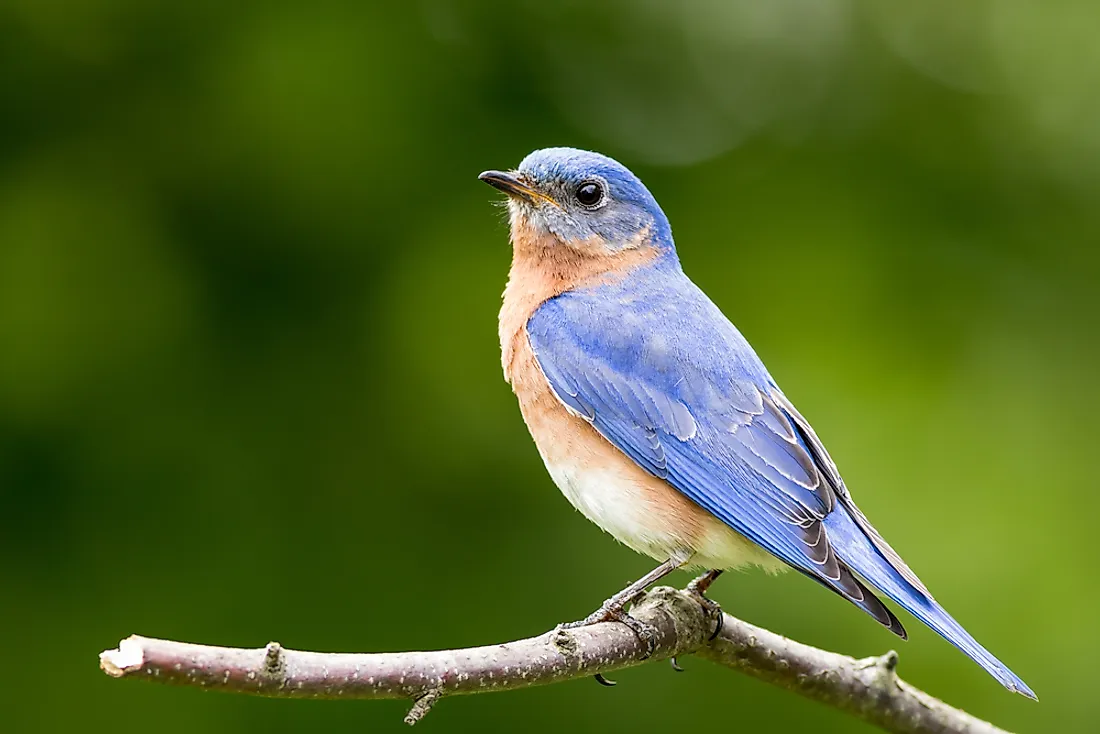
The official state bird of New York is the Eastern Bluebird (Sialia sialis). Adopted in 1970, this captivating songbird with its brilliant azure plumage and melodious call embodies the beauty and resilience of New York’s varied ecosystems. Its presence is a testament to successful conservation efforts and a reminder of the delicate balance between human development and the natural world. Far from being an obscure choice, the Eastern Bluebird is a common, yet cherished, sight across the state, bringing a splash of vibrant color and a sweet song to backyards, orchards, and open woodlands alike.
The Eastern Bluebird: A Symbol of New York
The selection of the Eastern Bluebird as New York’s state bird was not merely an aesthetic choice; it reflects the bird’s deep connection to the region’s agricultural roots and its remarkable comeback story. Once severely impacted by habitat loss and competition from invasive species, the bluebird population has seen a significant recovery, thanks to dedicated individuals and organizations who championed conservation efforts. This resilience makes the Eastern Bluebird an even more poignant symbol for a state that prides itself on both innovation and preserving its natural splendor.
Identifying the Eastern Bluebird
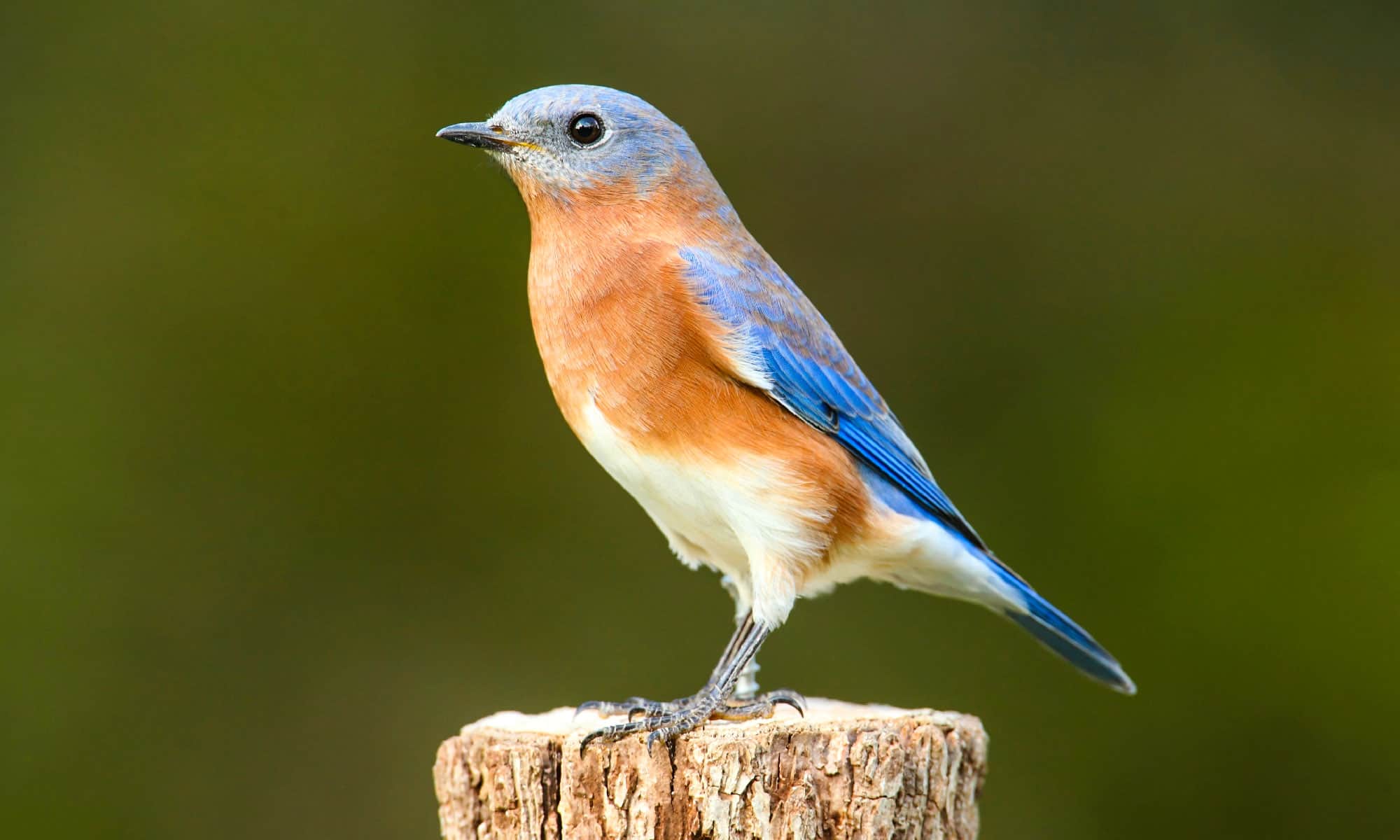
Recognizing an Eastern Bluebird is an unforgettable experience, thanks to its striking appearance. Males are particularly vibrant, boasting a brilliant sky-blue back, head, and wings, contrasted sharply with a rusty orange throat and breast, and a clean white belly. Females, while still beautiful, tend to have duller blue and rufous plumage, often with a grayish wash. Juveniles are speckled brown with bluish wings and tails, gradually acquiring their adult colors.
These birds are relatively small, typically measuring about 6-7 inches (16-18 cm) in length, with a wingspan of about 11-13 inches (28-33 cm). Their posture is often upright, and they can frequently be seen perched on wires, fences, or low branches, scanning the ground for insects. Their call is a soft, warbling “chur-lee” or “tru-al-ly,” a sweet sound that heralds spring and summer across New York’s landscapes.
Habitat and Ecology
The Eastern Bluebird thrives in open woodlands, orchards, farmlands, and suburban areas where there is a mix of open grassy spaces for foraging and trees or structures for nesting. They are cavity nesters, traditionally using abandoned woodpecker holes or natural tree cavities. However, they readily adapt to human-made nest boxes, which have been instrumental in their population recovery.
In New York, you’ll find bluebirds across the state, from the agricultural fields of the Hudson Valley to the fringes of the Catskill Mountains and the gentle slopes surrounding the Finger Lakes. They are primarily insectivores during the warmer months, feasting on grasshoppers, crickets, and beetles. In fall and winter, their diet shifts to berries and small fruits, making them a year-round resident in many parts of their range, which extends throughout eastern North America, from southern Canada to the Gulf Coast. In New York, while some may migrate further south for the coldest months, many bluebirds remain, adding a splash of color to the snowy landscape.
Conservation efforts for the Eastern Bluebird have become a prime example of successful community-led initiatives. The widespread installation of specifically designed nest boxes, along with public education campaigns led by organizations like the Audubon Society and the Cornell Lab of Ornithology, have provided crucial nesting sites, significantly bolstering their numbers. This makes birdwatching for bluebirds not just a pastime, but an act of appreciation for collective conservation.
Birdwatching in the Empire State: Where to Spot the Bluebird
For those inspired to witness the Eastern Bluebird in its natural habitat, New York offers a wealth of opportunities. Birdwatching, or “birding,” is a popular outdoor activity that perfectly aligns with nature tourism and offers a peaceful respite from the daily grind. It’s a fantastic way to connect with the state’s natural beauty and experience a different side of New York beyond its famous urban landmarks.
Top New York Locations for Bird Enthusiasts

The vast geographical expanse of New York means there are numerous excellent spots to seek out the state bird and countless other species. Here are some prime locations for birdwatching, particularly with an eye for the Eastern Bluebird:
- Adirondack Mountains: While known for its wilderness, the fringes and lower elevations of the Adirondack Park offer open areas, meadows, and clearings where bluebirds can be found. Many hiking trails wind through diverse habitats, increasing your chances of a sighting.
- Catskill Mountains: Similar to the Adirondacks, the Catskills boast a mix of forests and open spaces. Rural roads and state land provide excellent opportunities for spotting bluebirds perched on fences or power lines.
- Hudson Valley: This region, known for its picturesque landscapes and agricultural heritage, is a bluebird paradise. Orchards, vineyards, and rolling farmlands provide ideal foraging and nesting sites. State parks and nature preserves throughout the valley are highly recommended.
- Finger Lakes Region: The combination of vast lakes, vineyards, state parks like Letchworth State Park and Taughannock Falls State Park, and rural landscapes makes this area exceptionally rich for birding. The open country is perfect for bluebirds.
- Long Island: Despite its population density, Long Island has numerous nature preserves, parks, and coastal areas. The central and eastern parts, with more open fields and woodlands, are good for bluebird sightings.
- Allegany State Park: Located in southwestern New York, this large park offers extensive forests, open meadows, and diverse habitats where bluebirds thrive.
- Your Own Backyard: Don’t overlook the potential in your own neighborhood! If you live in an area with open spaces, even a small park, and consider putting up a bluebird-specific nest box, you might attract these beautiful birds directly to your home.
Planning Your Birdwatching Expedition
To maximize your chances of seeing the Eastern Bluebird and other avian wonders, consider these tips:
- Timing is Key: Bluebirds are most active in the early morning and late afternoon. Spring (March-May) and early summer (June-July) are ideal for observing nesting and breeding behaviors. Fall (September-November) can also be productive as birds prepare for migration or forage for winter food sources.
- Gear Up: A good pair of binoculars is essential. A field guide to New York birds will help with identification. Comfortable walking shoes, appropriate clothing for the weather, and insect repellent are also recommended.
- Patience and Quiet: Birdwatching requires patience. Find a comfortable spot, remain still and quiet, and let the birds come to you. Avoid sudden movements or loud noises.
- Local Resources: Check with local park offices, nature centers, or regional tourism boards for information on specific birding trails, recent sightings, and guided tours. Websites like eBird (operated by the Cornell Lab of Ornithology) are invaluable for real-time bird sighting data.
- Respect Wildlife: Always maintain a respectful distance from birds and their nests. Do not disturb them or their habitat.
Beyond Birdwatching: New York’s Natural Attractions
While the quest to spot the Eastern Bluebird might be your initial motivation, New York’s natural wealth offers so much more. From iconic landmarks like Niagara Falls to the serene shores of Lake Placid in the Adirondacks, the state is a playground for outdoor enthusiasts. Incorporating birdwatching into a broader nature-focused itinerary can create a truly memorable travel experience.
Pairing Nature with Accommodation and Travel
For those looking to immerse themselves in New York’s natural beauty, combining birding with carefully chosen accommodation options is key. Many areas known for excellent birdwatching also offer charming hotels, cozy bed and breakfasts, or rustic cabins.
- Resorts and Hotels near Nature: In regions like the Finger Lakes or Hudson Valley, you’ll find resorts and boutique hotels that cater to nature lovers, often boasting scenic views, walking trails on their properties, and sometimes even bird feeders to attract local species. Imagine waking up to the call of the bluebird right outside your window!
- Vacation Apartments and Villas: For longer stays or family trips, renting a vacation apartment or villa can provide a home-away-from-home experience, offering more space and flexibility. Look for properties near state parks or in rural settings to ensure easy access to prime birding spots.
- Camping and Glamping: For the more adventurous, camping within New York’s numerous state parks or the vast Adirondack Park offers an unparalleled immersion in nature. Glamping options provide a touch of luxury while still allowing you to be close to the wilderness.
- Amenities for Nature Enthusiasts: When booking accommodation, look for amenities like outdoor seating areas, private balconies, hiking trail access, or even on-site nature guides or programs, which can significantly enhance your nature experience.
Planning your travel around specific destinations known for their natural beauty not only increases your chances of spotting the Eastern Bluebird but also allows you to explore other outdoor attractions. Consider combining a birding trip in the Hudson Valley with visits to historic sites or local wineries, or an adventure in the Adirondack Mountains with kayaking, hiking, or fishing.
Embracing the Lifestyle of Nature Tourism
The pursuit of birdwatching, especially for a symbol as significant as the New York State Bird, is more than just a fleeting activity; it’s a doorway into a broader lifestyle of appreciating and conserving nature. This type of tourism emphasizes sustainable practices, supporting local communities, and fostering a deeper connection with the environment.
- Family-Friendly Adventures: Birdwatching is an excellent family activity. It encourages children to engage with nature, develop observational skills, and learn about ecology and conservation in an engaging way. Many state parks offer junior ranger programs or specific nature guides for kids.
- Budget to Luxury Travel: Nature tourism in New York can be tailored to any budget. From free bird walks in public parks to luxurious resorts offering guided nature tours, there’s an option for everyone. The essential gear for birding—binoculars and a field guide—is a one-time investment that opens up endless possibilities.
- Beyond the Bluebird: While the Eastern Bluebird is a star, New York is home to hundreds of other bird species, including majestic bald eagles, various warblers, migratory waterfowl along the Great Lakes (like Lake Ontario and Lake Erie), and urban dwellers like the peregrine falcon, even in New York City’s Central Park. Each birding outing can turn into a treasure hunt for new discoveries.
In conclusion, the Eastern Bluebird stands as a proud and fitting emblem for New York. Its vibrant beauty, melodious song, and inspiring comeback story encapsulate the spirit of a state that values both its dynamic progress and its pristine natural landscapes. For anyone looking to explore the natural side of the Empire State, seeking out this captivating state bird offers a rewarding experience that connects travelers with the heart of New York’s diverse ecosystems and rich ecological heritage. So grab your binoculars, plan your accommodation, and embark on a memorable journey to discover the azure jewel of New York’s skies.
LifeOutOfTheBox is a participant in the Amazon Services LLC Associates Program, an affiliate advertising program designed to provide a means for sites to earn advertising fees by advertising and linking to Amazon.com. Amazon, the Amazon logo, AmazonSupply, and the AmazonSupply logo are trademarks of Amazon.com, Inc. or its affiliates. As an Amazon Associate we earn affiliate commissions from qualifying purchases.