
For travelers exploring the diverse landscape of the United States, the state of Louisiana presents a unique administrative and cultural curiosity: its parishes. Unlike the vast majority of American states, which are divided into counties, Louisiana stands alone in its use of parishes as its primary civil administrative divisions. This distinction is not merely a semantic one; it’s a profound reflection of the state’s rich, multifaceted history, deeply rooted in French and Spanish colonial heritage and its strong Catholic traditions. For anyone planning a trip to the Pelican State, understanding what parishes are is fundamental to grasping the local culture, planning itineraries, and appreciating the distinct regional identities that make Louisiana an unparalleled travel destination.
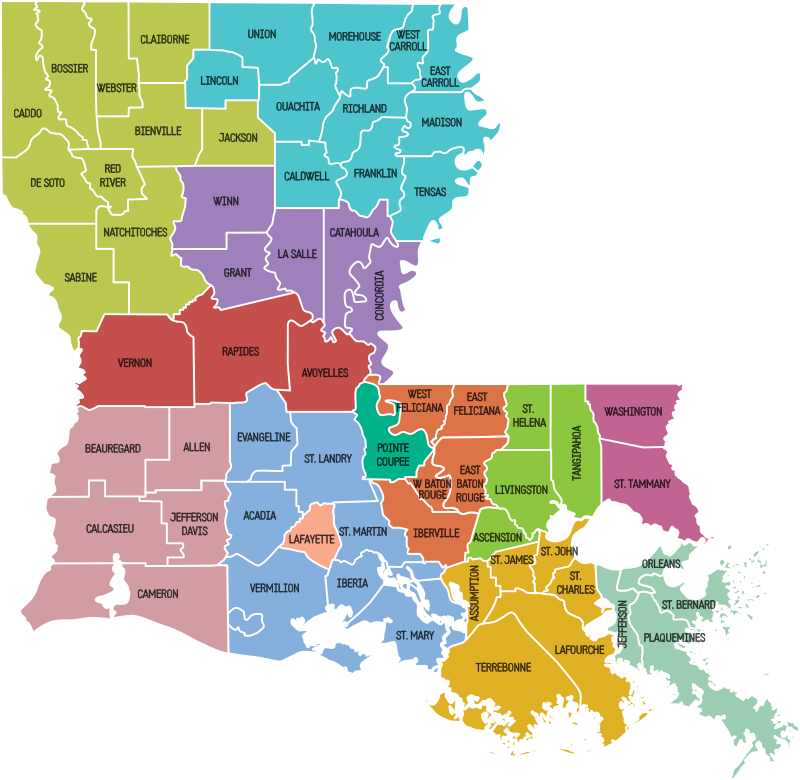
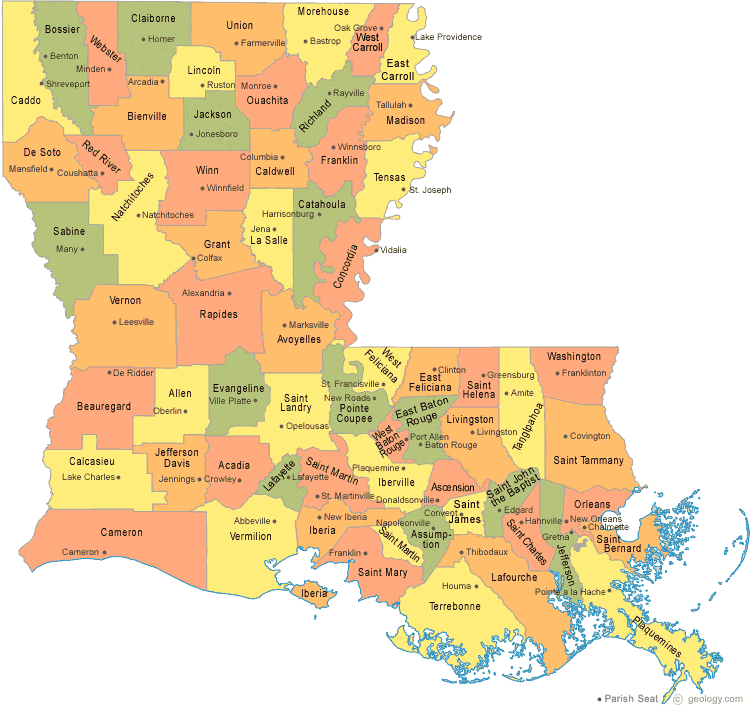
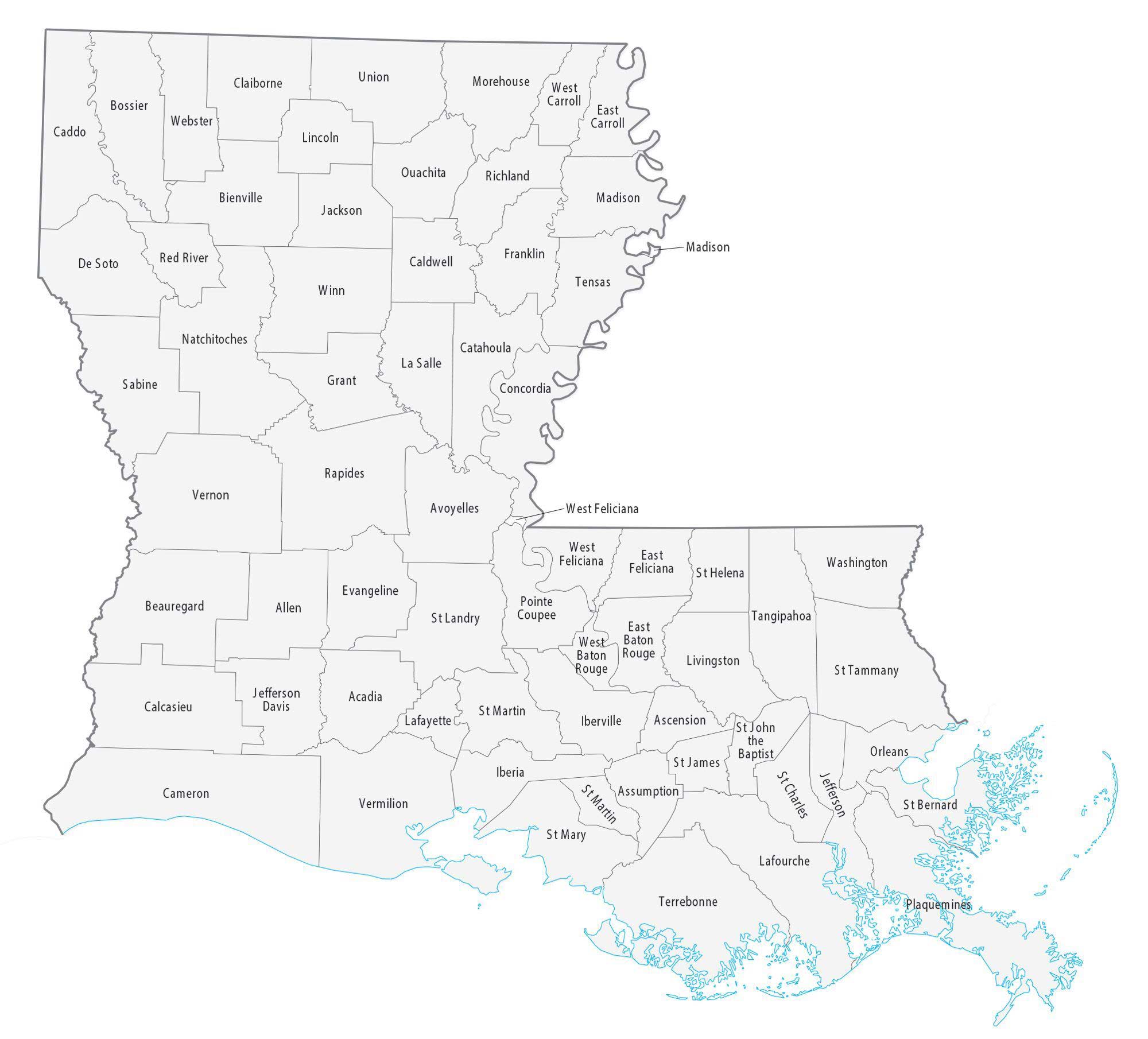
When you open a map of Louisiana, you won’t find traditional county lines. Instead, you’ll see 64 distinct parishes, each with its own character, local governance, and often, a unique blend of historical influences and contemporary charm. These divisions significantly impact how local government operates, how communities define themselves, and how visitors experience everything from local festivals to culinary traditions. From the bustling urban sprawl of New Orleans to the serene bayous of Cajun Country, each parish offers a different slice of Louisiana life, inviting travelers to delve deeper into its captivating narrative.
The Historical Tapestry: Why Parishes?
The anomaly of Louisiana’s parishes can be traced directly back to its colonial past. Unlike the largely Protestant British colonies that formed most of the early United States, Louisiana was primarily settled by French and later Spanish powers, both of which were predominantly Catholic nations. This history laid the groundwork for a unique administrative structure that persists to this day.
A Legacy of French and Spanish Influence
During the period of French colonization, the territory of Louisiana was divided into ecclesiastical districts, which were essentially church-defined areas centered around a parish church. These “parishes” served as both religious and administrative units, reflecting the strong influence of the Catholic Church in daily life and governance. When Spain took control of Louisiana in the late 18th century, it maintained and further formalized these districts, adapting them to its own system of local governance.
Even after the Louisiana Purchase in 1803, when the territory became part of the United States, the existing administrative divisions were largely retained. The inhabitants, deeply accustomed to the “parish” system and Roman Catholic traditions, resisted efforts to switch to the “county” system prevalent in other American territories. In 1807, the Territorial Legislature officially divided the Territory of Orleans (which would become the state of Louisiana) into 12 counties and 19 parishes. However, by 1845, the term “parish” had definitively replaced “county” as the standard civil division, solidifying Louisiana’s unique administrative identity. This historical continuity means that when you visit a Louisiana parish, you are engaging with a direct legacy of its European colonial past.
From Ecclesiastical Districts to Modern Governance
Today, the term “parish” in Louisiana refers purely to a civil administrative division, analogous to a county in other states. These 64 parishes are the primary units of local government, responsible for everything from law enforcement and judicial systems to public works, education, and healthcare. Each parish has its own elected governing body, typically a Police Jury or a Parish Council, which handles local legislation, budgeting, and public services.
For travelers, understanding this structure clarifies how diverse regions within the state are managed and how local identities are preserved. For instance, local ordinances regarding everything from noise levels in New Orleans’ French Quarter (part of Orleans Parish) to fishing regulations in the bayous of Plaquemines Parish are determined at the parish level. This decentralized approach fosters a strong sense of local pride and distinct community characteristics, which are major draws for tourism, offering a rich tapestry of experiences that vary significantly from one parish to the next.
Exploring Louisiana Through Its Parishes: A Traveler’s Guide
The 64 parishes of Louisiana are not just lines on a map; they are vibrant, living communities, each offering a unique flavor of the state’s legendary culture. For travelers, navigating Louisiana by its parishes is the most authentic way to experience its diverse landscapes, distinct cultures, and unparalleled hospitality.
Diverse Landscapes and Distinct Cultures
Louisiana’s parishes stretch from the pine forests of the north to the coastal marshes of the south, embracing an incredible variety of ecosystems and cultural identities. This geographical and cultural diversity is a key attraction for any visitor:
-
Urban Hubs and Historic Cores:
- Orleans Parish is synonymous with New Orleans, the state’s largest city and a global tourism magnet. Here, the Creole culture, jazz music, and iconic architecture of the French Quarter reign supreme.
- East Baton Rouge Parish is home to Baton Rouge, the state capital. This parish blends political significance with historical depth, offering plantation tours and modern urban amenities.
- Caddo Parish in the northwest encompasses Shreveport, a hub for gaming, entertainment, and the state’s “Sportsman’s Paradise” region, known for outdoor activities along the Red River.
-
Cajun Country and the Bayou Life:
- Southwest Louisiana is famously Cajun Country, where parishes like Lafayette Parish, St. Landry Parish, and Vermilion Parish celebrate their unique French Acadian heritage. Visitors here can immerse themselves in traditional Cajun music (Zydeco and Cajun French), enjoy spicy, flavorful cuisine, and explore the enchanting bayous and swamps. Lafayette is often considered the heart of Cajun Country, offering vibrant festivals and a welcoming atmosphere.
-
Plantation Country and Historic Estates:
- Along the Mississippi River between New Orleans and Baton Rouge, parishes such as St. James Parish, St. John the Baptist Parish, and West Feliciana Parish are home to some of the South’s most magnificent antebellum plantations. Towns like St. Francisville in West Feliciana offer a window into a bygone era, complete with stunning architecture and complex histories.
- Sportsman’s Paradise and Nature Escapes:
- Northern Louisiana, including parishes like Ouachita Parish (Monroe) and Rapides Parish (Alexandria), is known as “Sportsman’s Paradise.” This region boasts abundant fishing, hunting, and outdoor recreational opportunities, with vast forests and numerous lakes providing a tranquil contrast to the southern marshes.
Parish-Specific Attractions and Experiences
Each parish contributes distinct attractions and experiences to Louisiana’s tourism appeal, making parish-by-parish exploration an enriching endeavor:
- In Orleans Parish, beyond the famous French Quarter and its vibrant nightlife, visitors can explore the historic mansions of the Garden District, visit the National WWII Museum, stroll through Audubon Park and the Audubon Zoo, or take a steamboat cruise on the Mississippi River. The food scene is unparalleled, from fine dining to casual po’boys and beignets.
- Lafayette Parish is a gateway to Cajun culture. Travelers can visit Vermilionville, a living history museum, take swamp tours to spot alligators, or dance the night away at a local “fais do-do” (dance party). The cuisine is distinctly Cajun, featuring gumbos, étouffées, and boudin.
- East Baton Rouge Parish offers the majestic Louisiana State Capitol building, the Old State Capitol (a Gothic Revival masterpiece), and the campus of Louisiana State University (LSU), including the LSU Rural Life Museum.
- In Iberia Parish, Avery Island is a unique natural preserve and the home of the world-famous Tabasco Factory, offering tours and tastings. This parish beautifully showcases the natural beauty of the Gulf Coast region.
- St. Tammany Parish, located on the north shore of Lake Pontchartrain, offers a more relaxed, family-friendly atmosphere with charming towns like Covington and Mandeville, pristine nature trails, and delicious fresh seafood.
Each parish also hosts numerous festivals throughout the year, celebrating everything from strawberries in Tangipahoa Parish to seafood in coastal parishes, offering immersive experiences into local traditions and community spirit.
Planning Your Louisiana Adventure: A Parish-by-Parish Approach
For the discerning traveler, planning a trip to Louisiana involves more than just picking major cities; it requires understanding the unique offerings of its parishes. This approach enhances the journey, allowing visitors to tailor their experience to specific interests, from historical immersion to culinary exploration or outdoor adventure.
Navigating Accommodation Across Parishes
When it comes to accommodation, the parish you choose significantly influences your options. Louisiana offers a wide spectrum, from luxury hotels and resorts in urban centers to charming bed and breakfasts in historic towns, and rustic cabins near natural parks.
- In Orleans Parish, you’ll find everything from iconic historic hotels like The Roosevelt New Orleans, A Waldorf Astoria Hotel and Hotel Monteleone in the French Quarter to boutique stays in the Warehouse Arts District and comfortable chain hotels near the Convention Center. Resorts offering extensive amenities are also available, particularly along the scenic waterfronts.
- Lafayette Parish offers a mix of modern hotels, family-friendly suites, and a burgeoning collection of charming guesthouses that reflect the local Cajun hospitality. For a more unique experience, consider booking a stay at a historic plantation property turned inn in parishes like West Feliciana or Ascension Parish.
- For those seeking a more immersive nature experience, consider secluded cabins or rental apartments in parishes known for their natural beauty, such as Terrebonne Parish near the Gulf of Mexico for fishing excursions, or St. Tammany Parish for access to state parks and bayou tours. Many parishes also have a selection of budget-friendly hotels and motels, ensuring options for all travel styles and financial plans.
Booking in advance, especially during festival seasons, is always recommended, as popular destinations like New Orleans can see hotels fill up quickly. Utilizing online booking platforms and review sites can help travelers compare options and find the perfect accommodation to suit their lifestyle and travel needs, whether it’s a luxurious resort stay or a cozy apartment rental.
Culinary Journeys and Local Lifestyles
The parishes of Louisiana are a culinary wonderland, with local lifestyles deeply intertwined with food traditions. A trip through the state is incomplete without savoring the distinct flavors of each region.
- In Orleans Parish, Creole cuisine reigns supreme. Think rich gumbos, jambalaya, shrimp creole, and café au lait with beignets from Café Du Monde. The city’s lifestyle is often characterized by its love for music, celebration, and culinary indulgence, embodying the spirit of “laissez les bons temps rouler” (let the good times roll).
- Move west into Lafayette Parish and you’ll encounter the heartier, spicier flavors of Cajun cooking. Here, boudin, cracklins, crawfish boils, and étouffées are staples. The lifestyle in Cajun Country is often more relaxed, centered around family, community, music, and outdoor activities like fishing and hunting in the bayous and swamps.
- Even within a single parish, food traditions can vary. Along the Louisiana coastline, in parishes like Jefferson Parish or Terrebonne Parish, fresh seafood takes center stage, with shrimp, oysters, and crabs forming the basis of many local dishes.
- In northern parishes like Caddo Parish, while still distinctly Southern, the cuisine might lean towards Southern comfort food classics and barbecue, reflecting a blend of influences from neighboring states like Texas and Arkansas.
Exploring these culinary nuances is a journey in itself, offering insights into the diverse cultural fabric and local lifestyles that define each Louisiana parish. Many local restaurants are family-run institutions, offering authentic tastes and a glimpse into community life.
Iconic Landmarks and Hidden Gems
Each parish is dotted with landmarks and attractions, ranging from world-renowned sites to charming hidden gems that reveal the true spirit of Louisiana.
- Iconic Landmarks:
- Orleans Parish boasts the St. Louis Cathedral, Jackson Square, and the historic streetcar lines.
- East Baton Rouge Parish is home to the stunning Art Deco State Capitol building and the USS Kidd Veterans Memorial and Museum.
- The antebellum mansions of St. James Parish, such as Oak Alley Plantation and Laura Plantation, are essential stops for history buffs.
- Hidden Gems:
- In St. Landry Parish, the town of Opelousas offers a rich Creole and Cajun history, with attractions like the Evangeline Downs Racetrack & Casino and the Louisiana Orphan Train Museum.
- Jefferson Parish, though adjacent to New Orleans, offers attractions like the Jean Lafitte National Historical Park and Preserve (Barataria Preserve unit), providing opportunities for swamp tours and wildlife viewing just a short drive from the city.
- The quaint town of Grand Isle in Jefferson Parish offers Louisiana’s only inhabited barrier island, popular for fishing and birdwatching.
Understanding that Louisiana is a mosaic of these 64 distinct parishes is the key to unlocking its full travel potential. Each parish, with its own history, governance, and cultural nuances, contributes to the state’s captivating allure, making every visit a journey of discovery. Whether seeking adventure, relaxation, historical insight, or culinary delights, embracing the parish-by-parish exploration model promises an unforgettable Louisiana experience.
LifeOutOfTheBox is a participant in the Amazon Services LLC Associates Program, an affiliate advertising program designed to provide a means for sites to earn advertising fees by advertising and linking to Amazon.com. Amazon, the Amazon logo, AmazonSupply, and the AmazonSupply logo are trademarks of Amazon.com, Inc. or its affiliates. As an Amazon Associate we earn affiliate commissions from qualifying purchases.