
New York City, a global icon of ambition, innovation, and relentless energy, boasts a skyline that is arguably one of the most recognizable and awe-inspiring in the world. Its dense cluster of skyscrapers, from historic art deco masterpieces to sleek, futuristic glass towers, tells a story of architectural evolution and economic prowess. For visitors and residents alike, the sheer verticality of Manhattan is a constant source of fascination. Among these towering giants, one structure stands head and shoulders above the rest, piercing the clouds with a profound sense of purpose and a captivating silhouette.

The burning question on the minds of many exploring this concrete jungle is: What truly is the tallest building in New York City? The answer is not just a simple measurement; it’s a testament to resilience, a symbol of hope, and a marvel of modern engineering. This article delves into the identity of this architectural titan, explores its history, highlights its contemporaries, and offers insights into how you can experience New York City’s vertical charm firsthand, whether through luxury accommodation or breathtaking tourism experiences.
The Reigning Monarch of the Skyline: One World Trade Center
There is no ambiguity: the undisputed tallest building in New York City is One World Trade Center (1 WTC). Standing proudly in Lower Manhattan, this monumental skyscraper redefines the city’s profile, serving not only as a commercial hub but also as a powerful emblem of remembrance and rebirth.
Unveiling One World Trade Center: A Symbol of Resilience
Completed in 2014, One World Trade Center reaches an impressive structural height of 1,776 feet (541 meters), a deliberate and symbolic number referencing the year the United States Declaration of Independence was signed. This makes it the tallest building in the Western Hemisphere and the seventh-tallest in the world. Often referred to as the Freedom Tower, its presence profoundly impacts the New York City skyline, visible from countless vantage points across the Hudson River and the East River.
The building’s construction was a complex and emotionally charged undertaking, designed to fill the void left by the tragic events of September 11, 2001. More than just a skyscraper, 1 WTC is a beacon of defiance and an affirmation of the human spirit’s ability to rebuild and endure. Its spire, which contributes significantly to its iconic height, is not merely an aesthetic addition but an integral architectural element, housing broadcasting equipment and reinforcing the building’s status as a telecommunications hub.
Architectural Marvel and Design Philosophy
The design of One World Trade Center was spearheaded by architect David Childs of the renowned firm Skidmore, Owings & Merrill (SOM). The vision was to create a structure that was both visually striking and inherently safe, incorporating cutting-edge technology and sustainable design principles. The building’s unique tapering form, culminating in its majestic spire, gives it a dynamic presence, appearing different from various angles across the city. Its base is a robust, blast-resistant concrete structure, transitioning into an elegant glass façade that reflects the changing light and sky, a truly breathtaking sight, especially at sunrise and sunset.
Sustainability was a core tenet of its development, earning it a LEED Gold certification. Features like rainwater harvesting, renewable energy sources, and high-performance insulation minimize its environmental footprint, making it a model for future urban developments. The interior spaces are designed with efficiency and natural light in mind, providing a modern and inspiring environment for the businesses and organizations that call 1 WTC home. This careful blend of aesthetics, functionality, and sustainability places One World Trade Center at the forefront of contemporary architecture and a must-see landmark for any visitor interested in modern architecture and urban planning.
The One World Observatory Experience
For those eager to experience the grandeur of One World Trade Center firsthand, the One World Observatory offers an unparalleled travel experience. Located on floors 100, 101, and 102, the observatory provides 360-degree panoramic views of New York City and beyond. This is not just an observation deck; it’s an immersive journey that begins the moment you step into the SkyPod elevators.
These state-of-the-art elevators ascend to the 102nd floor in just 47 seconds, showcasing a captivating time-lapse video that illustrates the evolution of New York City’s skyline from untouched wilderness to the bustling metropolis it is today. Upon arrival, visitors are treated to a short film about the city, culminating in a dramatic reveal of the stunning cityscape. The main observatory floor features interactive exhibits, dining options, and floor-to-ceiling windows that provide breathtaking vistas of the Statue of Liberty, Ellis Island, the Brooklyn Bridge, and the sprawling urban landscape. It’s an essential attraction for anyone seeking to grasp the sheer scale of New York City and its iconic landmarks. Booking tickets in advance is highly recommended to ensure your spot for this unforgettable tourism highlight.
A Glimpse into New York City’s Towering History and Modern Supertalls
While One World Trade Center currently dominates the skyline, New York City’s history is punctuated by a fascinating succession of structures that once held the title of “tallest.” This dynamic evolution reflects the city’s relentless drive for progress and architectural innovation.
From Empire State to Chrysler: Former Giants
Before the advent of modern supertalls, two iconic buildings defined the essence of New York City’s architectural might: the Empire State Building and the Chrysler Building.
The Chrysler Building, an Art Deco masterpiece, held the title for a mere 11 months in 1930 before being surpassed. Its distinctive terraced crown, adorned with gleaming stainless steel eagles and geometric patterns, remains a beloved symbol of Midtown Manhattan’s elegance and the roaring twenties’ ambition. It’s a prime example of how architecture can capture the spirit of an era, and a popular subject for photography among travelers and tourists.
The Empire State Building, completed in 1931, then claimed the mantle and famously held it for over 40 years. Its classic Art Deco design, setback massing, and instantly recognizable spire have made it a global icon. The Empire State Building isn’t just a landmark; it’s a cultural phenomenon, featured in countless films and television shows. Its observatories on the 86th and 102nd floors continue to draw millions of visitors annually, offering classic vistas that contrast beautifully with the modern views from 1 WTC. For anyone interested in New York City’s rich history and architectural heritage, a visit here is essential.
The Supertalls of Today: A New Era of Luxury
In the 21st century, New York City’s skyline has seen a dramatic influx of residential supertalls, particularly along what’s become known as “Billionaires’ Row.” These incredibly slender and extraordinarily tall towers cater to the ultraluxury market, fundamentally reshaping the city’s profile and introducing a new dimension to urban living.
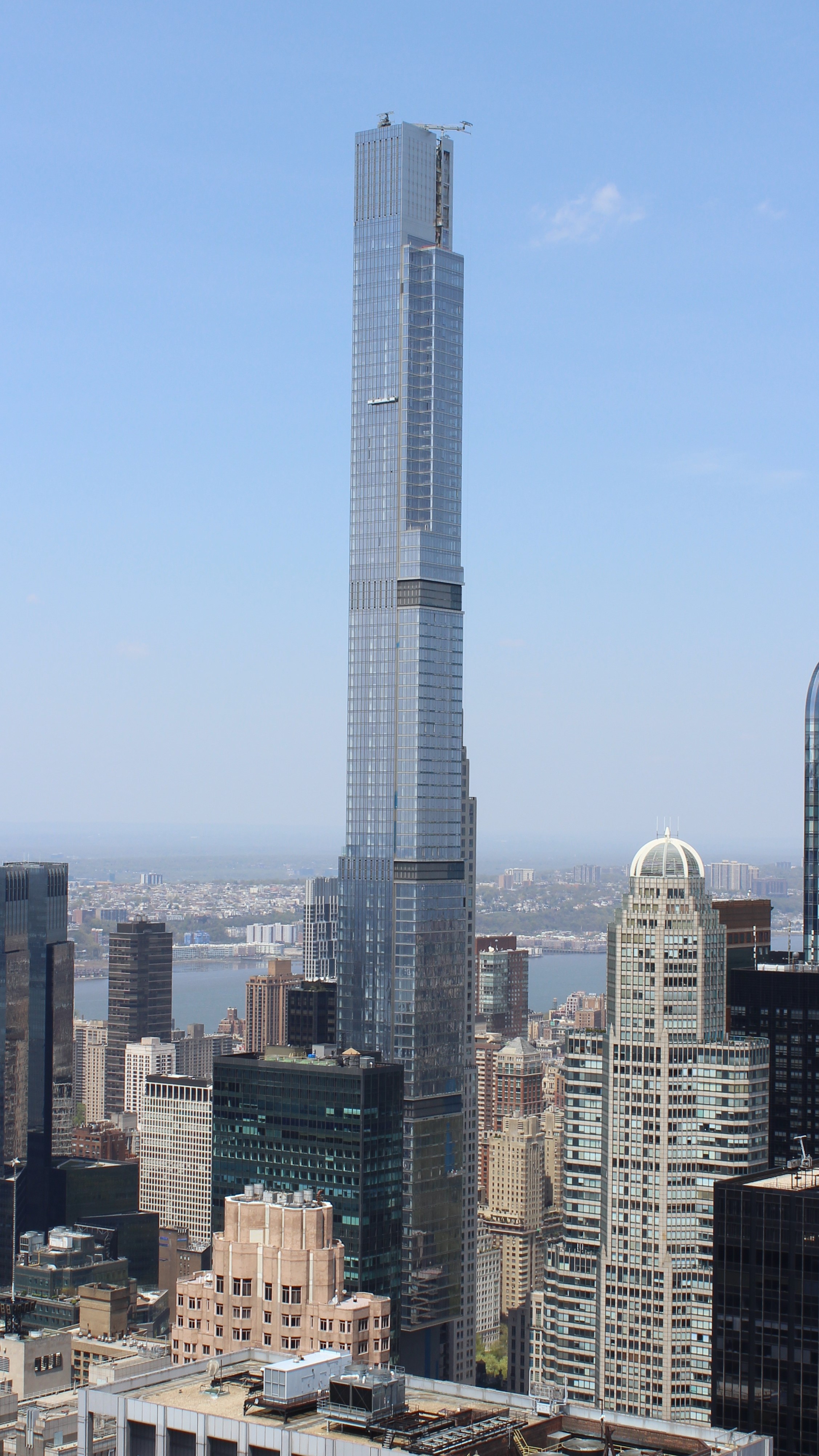
Buildings like 432 Park Avenue, with its distinctive grid pattern and soaring height, and the Central Park Tower, which is the tallest residential building in the world, offer unparalleled views of Central Park and the surrounding metropolis. Another notable addition is Steinway Tower (111 West 57th Street), known for its incredibly slender profile, earning it the title of the “skinniest skyscraper in the world.”
These architectural marvels represent the pinnacle of modern design and engineering, combining residential living with opulent amenities. Their presence reflects a certain lifestyle – one of extreme luxury and exclusive urban dwelling. While not open to the public in the same way as observatories, their striking forms contribute significantly to the visual spectacle of the New York City skyline, making them objects of fascination for architecture enthusiasts and urban explorers alike.
Experiencing New York City’s Vertical Charm
Beyond simply identifying the tallest building, truly experiencing New York City’s verticality involves immersing yourself in its towering structures, enjoying views from various perspectives, and discovering the unique lifestyle that emerges from living and traveling amidst these giants.
Where to Stay: Hotels with a View
For many travelers, the dream of visiting New York City includes waking up to an iconic skyline view. Thankfully, the city offers a plethora of hotels that cater to this desire, from ultra-luxury resorts to boutique apartments. When planning your accommodation, consider staying in districts that offer prime vantage points.
In Lower Manhattan, several establishments provide stunning views of One World Trade Center and the Hudson River. For a truly upscale experience, consider hotels like The Conrad New York Downtown or the Four Seasons Hotel New York Downtown, which offer spacious suites and excellent amenities with potential skyscraper vistas.
Moving uptown, properties near Central Park or along “Billionaires’ Row” offer magnificent views of the park itself and the dense cluster of towers, including the Empire State Building, Chrysler Building, and the newer supertalls. High-end options such as the Ritz-Carlton New York, Central Park, or the St. Regis New York often boast rooms and suites designed to maximize these breathtaking panoramas, offering a luxurious backdrop to your New York City adventure. Whether you’re looking for a luxury travel experience or simply a hotel with a memorable view, researching options and reading reviews on accommodation websites can help you secure the perfect stay.
Dining and Leisure Amongst the Clouds
The allure of New York City’s skyscrapers extends beyond observation decks and hotel rooms. The city is famous for its vibrant dining scene, and many restaurants and bars capitalize on the spectacular urban landscape. Rooftop bars, in particular, offer an unforgettable way to enjoy cocktails and light bites with stunning views of the illuminated skyline, perfect for a romantic evening or a sophisticated outing with friends.
Consider venues like The Skylark or Bar FiftyFour for incredible views of Times Square, the Empire State Building, and the Chrysler Building. In Lower Manhattan, establishments near the World Trade Center complex offer direct views of 1 WTC. These elevated dining and leisure experiences are integral to the New York City lifestyle, allowing visitors to soak in the city’s energy from a unique vantage point. Such activities are often highlighted in tourism guides and contribute significantly to a memorable travel destination experience.

Planning Your Skyscraper Adventure
To make the most of your New York City skyscraper adventure, a little planning goes a long way.
- Book Observatories in Advance: Tickets for One World Observatory, the Empire State Building, or Top of the Rock at Rockefeller Center should ideally be purchased online beforehand to avoid long queues, especially during peak tourist seasons.
- Consider Timing: Sunset offers breathtaking views as the city lights begin to twinkle, but it’s also the busiest time. Early mornings often provide clearer skies and fewer crowds.
- Explore Different Neighborhoods: Each district in New York City offers a unique perspective on the skyline. From the historic charm of Greenwich Village to the financial gravitas of Wall Street and the vibrant energy of Midtown, exploring on foot can reveal hidden gems and unexpected skyscraper vistas.
- Utilize Public Transportation: New York City’s subway system is efficient and connects you to all major attractions. It’s an experience in itself and often the quickest way to navigate the bustling city.
In conclusion, One World Trade Center stands as the tallest edifice in New York City, a beacon of modern architecture and a symbol of enduring spirit. Yet, it is but one chapter in the city’s ongoing story of vertical ambition. From the historic elegance of the Empire State Building and the Chrysler Building to the cutting-edge luxury of today’s residential supertalls, New York City’s skyline is a living testament to human ingenuity. Experiencing these towering landmarks, whether from an observatory, a high-rise hotel room, or a rooftop bar, offers a profound appreciation for one of the world’s most dynamic and awe-inspiring destinations. A trip to New York City is truly a journey to the clouds.
LifeOutOfTheBox is a participant in the Amazon Services LLC Associates Program, an affiliate advertising program designed to provide a means for sites to earn advertising fees by advertising and linking to Amazon.com. Amazon, the Amazon logo, AmazonSupply, and the AmazonSupply logo are trademarks of Amazon.com, Inc. or its affiliates. As an Amazon Associate we earn affiliate commissions from qualifying purchases.