
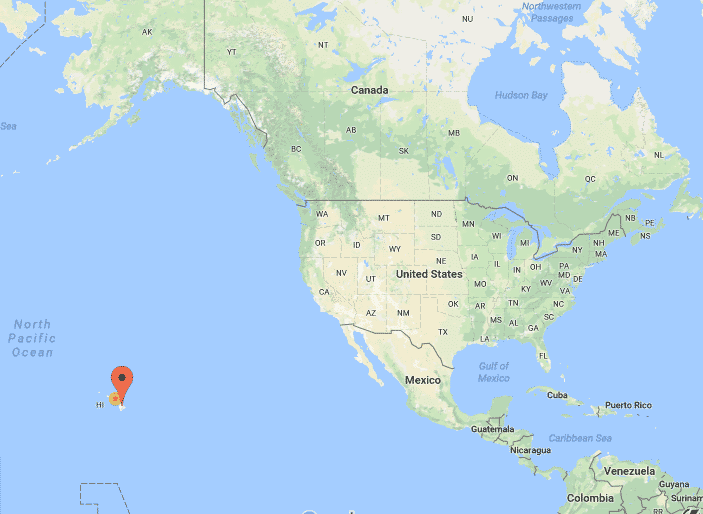
The allure of Hawaii is undeniable. A tropical paradise brimming with vibrant culture, stunning landscapes, and an inviting spirit, it’s a dream destination for many. For travelers residing in California, the journey across the vast Pacific Ocean often begins with a crucial question: “How long will the flight take?” While the exact duration can vary, understanding the factors involved will help you plan your perfect escape to the Aloha State. This comprehensive guide will not only detail typical flight times but also offer insights into enhancing your travel experience, from pre-flight preparations to navigating your chosen Hawaiian island.

Understanding Flight Durations from California to Hawaii
The flight from California to Hawaii is a significant journey across open water, typically taking several hours. However, a few key elements play a role in determining the precise length of your trip.
Key Factors Influencing Your Flight Time
Several variables contribute to the overall flight duration, making it a nuanced answer rather than a single, fixed number.
- Departure City in California: California is a large state, and its major airports are spread out along the West Coast. Cities in Southern California, such as Los Angeles and San Diego, are geographically closer to Hawaii than those in Northern California like San Francisco or Sacramento. This difference in starting point directly impacts the flight time, albeit by a relatively small margin of usually 15-30 minutes.
- Arrival Island in Hawaii: Hawaii is an archipelago of several islands, each with its own major airport. The most common arrival point is Oahu (home to Honolulu and the primary international airport). However, flights also land directly on Maui, the Big Island, and Kauai. Traveling to a more westerly island like Kauai might shave a few minutes off the flight compared to flying to the eastern side of the Big Island.
- Direct vs. Connecting Flights: The stated flight times almost always refer to direct, non-stop flights. If your itinerary includes a layover in another California city or even a different Hawaiian island (though direct flights from California to outer islands are common), your total travel time will be significantly longer, potentially adding several hours.
- Airline and Aircraft Type: While generally consistent across major carriers, slight variations can occur depending on the specific aircraft model, its cruising speed, and the airline’s routing. Modern airplanes are designed for efficiency and comfort on long-haul routes.
- Wind Conditions: The Pacific Ocean is subject to dynamic weather patterns, including jet streams. Strong tailwinds can significantly reduce flight times, sometimes by as much as 30-45 minutes, particularly on the outbound journey from California to Hawaii. Conversely, headwinds can extend the flight duration.
Average Flight Times from Major California Hubs to Honolulu
Most direct flights from California land at Daniel K. Inouye International Airport (HNL) in Honolulu, Oahu, as it serves as the main gateway to the islands. Here are the typical non-stop flight durations:
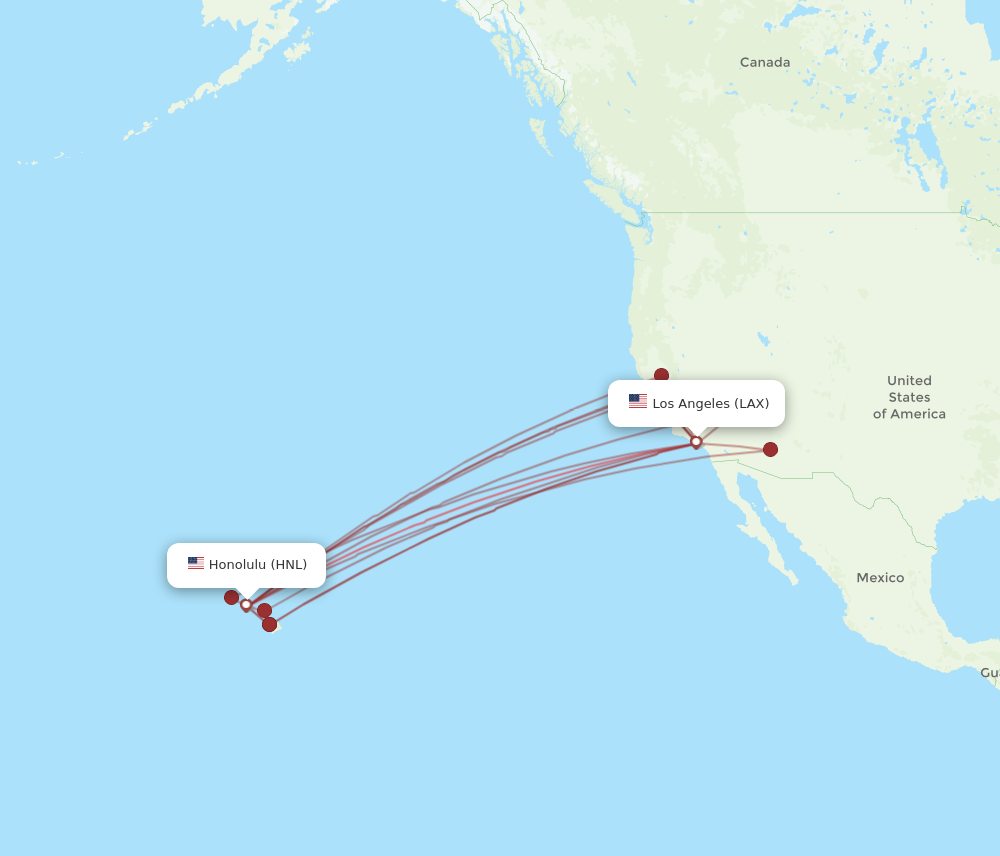
- From Los Angeles International Airport (LAX) to Honolulu (HNL): Approximately 5 hours to 5 hours 45 minutes. LAX is one of the busiest departure points, offering numerous daily flights.
- From San Francisco International Airport (SFO) to Honolulu (HNL): Roughly 5 hours 15 minutes to 6 hours. Flights from San Francisco are also frequent.
- From San Diego International Airport (SAN) to Honolulu (HNL): Generally 5 hours 15 minutes to 5 hours 45 minutes.
- From Oakland International Airport (OAK) to Honolulu (HNL): Typically 5 hours 30 minutes to 6 hours.
- From San Jose International Airport (SJC) to Honolulu (HNL): Around 5 hours 30 minutes to 6 hours.
- From Sacramento International Airport (SMF) to Honolulu (HNL): Usually 5 hours 45 minutes to 6 hours 15 minutes.
It’s important to remember that flights returning to California from Hawaii often take longer due to prevailing headwinds, typically adding an extra 30-60 minutes to the journey. A return flight might range from 5 hours 45 minutes to 7 hours, depending on the route and conditions.
For direct flights to other Hawaiian islands, the times are comparable, often just slightly varying from the Honolulu times:
- To Kahului Airport (OGG) on Maui: Similar to Honolulu flights, perhaps 5-10 minutes less from Southern California due to its more easterly location.
- To Kona International Airport (KOA) or Hilo International Airport (ITO) on the Big Island: Also similar, sometimes 5-10 minutes more from Northern California depending on the specific airport.
- To Lihue Airport (LIH) on Kauai: Might be marginally shorter from Southern California due to Kauai’s westerly position, but generally within the same 5-6 hour window.
Maximizing Your Comfort and Experience During the Flight
A five to six-hour flight is long enough to warrant some planning for comfort and enjoyment. Making the most of your journey begins even before you step onto the plane.
Pre-Flight Preparations for a Smooth Journey
Thoughtful preparation can significantly enhance your travel experience.
- Booking Your Flight and Seat Selection: Consider booking your flight several months in advance for better prices, especially if traveling during peak seasons. When selecting your seat, weigh your preferences: an aisle seat for easy movement, a window seat for views (especially during sunrise/sunset over the Pacific Ocean), or an exit row for extra legroom (often for an additional fee). Airlines like Hawaiian Airlines, Alaska Airlines, Southwest Airlines, United Airlines, Delta Air Lines, and American Airlines all offer routes from California to Hawaii, each with varying cabin configurations and amenities.
- Packing Essentials for Your Carry-On: Beyond the obvious, consider packing items specifically for comfort on a longer flight. This includes:
- Layers: Cabin temperatures can fluctuate, so a light sweater or scarf is invaluable.
- Entertainment: Download movies, TV shows, podcasts, or audiobooks. Bring a good book or journal. Don’t forget noise-canceling headphones!
- Comfort Items: A travel pillow (neck pillow), eye mask, and earplugs can make a huge difference for relaxation or sleep.
- Hydration & Snacks: While airlines offer beverages, bringing a reusable water bottle to fill after security is wise. Pack some healthy snacks to avoid reliance on airline food.
- Essentials: Lip balm, hand lotion, and a small toothbrush/toothpaste can help you feel refreshed.
- Airport Arrival and Security: Arrive at the airport well in advance, especially for international-style flights to Hawaii (even though it’s a United States domestic flight, procedures are robust). Factor in time for parking, check-in, and TSA security. Having your documents ready and knowing TSA guidelines for liquids and electronics will smooth the process.
In-Flight Strategies for a Relaxing Trip
Once you’re airborne, a few strategies can help you arrive feeling refreshed.
- Stay Hydrated and Move Regularly: Dehydration is common on flights. Drink plenty of water throughout the journey. Stand up, stretch, and walk the aisle every hour or two if possible to promote circulation and prevent stiffness.
- Adjusting to the Time Change: Hawaii operates on Hawaii Standard Time (HST), which is 2-3 hours behind California’s Pacific Standard Time (PST), depending on daylight saving. Try to adjust your watch to Hawaii time shortly after takeoff. On arrival, try to get into the local rhythm with sunlight and meal times to minimize jet lag.
- Leverage In-Flight Entertainment and Amenities: Most major airlines offer robust in-flight entertainment systems with movies, TV shows, and music. Some also offer Wi-Fi (often for a fee). Utilize these resources to pass the time enjoyably. Consider stretching or light exercises in your seat, and avoid excessive alcohol or caffeine, which can disrupt sleep and hydration.
Beyond the Flight: Planning Your Hawaiian Adventure
The journey is just the beginning. The real adventure unfolds once you touch down on Hawaiian soil. Thoughtful planning for your stay can elevate your entire trip.
Choosing Your Hawaiian Island Destination
Each of Hawaii’s main islands offers a distinct experience, catering to different travel styles and preferences. Understanding their unique characteristics is crucial for planning your perfect trip, aligning with your desired lifestyle and travel goals.
- Oahu: The Gathering Place
- Vibe: Bustling, diverse, a mix of city life and natural beauty. Ideal for first-time visitors to Hawaii or those seeking a dynamic experience.
- Highlights: The iconic Waikiki Beach, the historical significance of Pearl Harbor, hiking to the summit of Diamond Head, the legendary surf breaks of the North Shore, and the cultural immersion at the Polynesian Cultural Center.
- Accommodation: Offers a wide range from luxury resorts in Waikiki to budget-friendly apartments and boutique hotels.
- Maui: The Valley Isle
- Vibe: Romantic, luxurious, adventurous, with stunning natural landscapes. Popular for honeymoons, family trips, and those seeking outdoor activities balanced with comfort.
- Highlights: Witnessing sunrise from the summit of Haleakala National Park, driving the scenic Road to Hana, relaxing on the golden sands of Ka’anapali or Wailea beaches, world-class snorkeling, and whale watching (in season).
- Accommodation: Known for its upscale resorts and villas, particularly in Wailea and Ka’anapali, alongside charming vacation rentals.
- Kauai: The Garden Isle
- Vibe: Lush, serene, rugged, perfect for nature lovers, hikers, and those seeking tranquility and dramatic scenery.
- Highlights: The breathtaking cliffs of the Na Pali Coast (best seen by boat, helicopter, or strenuous hike), the “Grand Canyon of the Pacific” (Waimea Canyon), exploring cascading waterfalls, and enjoying the relaxed atmosphere of towns like Poipu.
- Accommodation: Features a mix of boutique hotels, vacation rentals, and some resorts, often with a focus on blending with the natural environment.
- Big Island (or Hawaii Island): The Orchid Isle
- Vibe: Diverse, adventurous, geological marvels, home to active volcanoes and varied climate zones. Ideal for explorers and those interested in unique natural phenomena.
- Highlights: Exploring Hawaii Volcanoes National Park, stargazing from Mauna Kea, black sand beaches, vibrant coral reefs for snorkeling, and the distinct towns of Kona (dry side) and Hilo (wet side).
- Accommodation: Offers a range from luxury resorts on the Kona coast to charming bed and breakfasts and vacation rentals across the island.
- Molokai & Lanai: The “Hidden” Isles
- Vibe: Untouched, authentic, exclusive (Lanai). For those seeking a truly off-the-beaten-path experience and extreme relaxation.
- Accommodation: Limited options, often high-end resorts on Lanai and more local guesthouses on Molokai.
Accommodation and Tourism Insights
Once you’ve chosen your island, selecting the right accommodation and planning your activities are the next steps to a fulfilling Hawaii vacation.
- Diverse Accommodation Options: Hawaii caters to all types of travelers and budgets. You can find sprawling luxury resorts with all the amenities, family-friendly suites, charming boutique hotels, cozy bed and breakfasts, spacious vacation rentals (apartments and villas), and even budget-conscious hostels. Consider your travel style: Are you seeking a resort experience with pools and restaurants on-site, or do you prefer the independence and local feel of an apartment or villa? Websites specializing in accommodation booking and reviews can help you compare options and find the perfect fit. Long-term stay options are also available for those planning extended visits.
- Immersive Local Culture and Activities: Hawaii’s appeal extends far beyond its beaches. Embrace the local culture by attending a traditional luau, taking hula lessons, or visiting historical sites and museums. Food tourism is a highlight, from sampling fresh poke and shave ice to indulging in farm-to-table cuisine. Outdoor activities abound: snorkeling, surfing lessons, paddleboarding, hiking volcanic craters, helicopter tours, and exploring botanical gardens. Many hotels and resorts offer activity desks to help guests book excursions, but independent research can uncover hidden gems.
- Responsible Tourism and Tips: Practicing responsible tourism is vital in Hawaii. Respect local customs and the land (Aina). Use reef-safe sunscreen, avoid touching marine life, and stay on marked trails. Support local businesses and engage with the community respectfully. Learning a few Hawaiian phrases, like “Aloha” (hello/goodbye/love) and “Mahalo” (thank you), will be appreciated. Remember that Hawaii is not just a tourist destination but a living culture and home to its people.
Essential Travel Tips for Your California-Hawaii Journey
Beyond the flight itself and island selection, a few general travel tips will ensure your trip runs smoothly from start to finish.
Planning for the Best Experience
Detailed planning can transform a good trip into an unforgettable one.
- Best Time to Visit Hawaii: While Hawaii is a year-round destination, certain periods offer distinct advantages.
- Peak Season (Winter/Spring Break/Summer): December to April and June to August see higher prices and larger crowds. This is when whale watching is popular (December-May).
- Shoulder Seasons (Spring/Fall): April-May and September-November often provide a sweet spot with pleasant weather, fewer crowds, and potentially better deals on flights and accommodation. The surf on the North Shore of Oahu is famous during the winter months.
- What to Pack: Pack light, breathable clothing suitable for warm, humid weather. Don’t forget swimwear, a wide-brimmed hat, sunglasses, and comfortable walking shoes. Evenings can be slightly cooler, especially at higher elevations or in air-conditioned spaces, so a light jacket or sweater is useful. Crucially, pack reef-safe sunscreen to protect both your skin and the delicate marine ecosystem.
- Transportation on the Islands: Renting a car is often the most convenient way to explore most Hawaiian islands, offering flexibility to discover hidden beaches and scenic routes. However, ride-sharing services, taxis, and public transportation (like Oahu’s “The Bus”) are available in more populated areas. Inter-island flights are common for island hopping, connecting the main islands via short hops on local carriers.
Budgeting and Health Considerations
Responsible planning includes financial and health preparedness.
- Budgeting for Your Trip: Hawaii can be an expensive destination, but various lifestyle options exist.
- Luxury Travel: Enjoying five-star resorts, fine dining, private tours, and exclusive experiences can be costly but highly rewarding.
- Budget Travel: More affordable options include staying in vacation rentals, cooking some of your meals, utilizing public transport, and opting for free activities like hiking and beach days.
- Family Trips: Factor in costs for activities suitable for all ages, and consider accommodations with kitchenettes.
- Business Stays: Many hotels offer business facilities and amenities for those combining work with leisure. Create a detailed budget covering flights, accommodation, food, activities, and transportation.
- Travel Insurance: Given the investment in a Hawaii trip, travel insurance is highly recommended. It can provide peace of mind for unforeseen circumstances like flight cancellations, lost luggage, medical emergencies, or trip interruptions.
The journey from California to Hawaii is a manageable one, typically lasting between 5 to 6 hours for a direct flight. This relatively short transit time makes the paradise of the Hawaiian islands incredibly accessible to those on the California Coast. With careful planning, comfortable in-flight strategies, and a clear vision for your island adventure, you’re well on your way to experiencing the magic of Aloha. So, pack your bags, prepare for a fantastic voyage, and get ready to create unforgettable memories in the heart of the Pacific Ocean.
LifeOutOfTheBox is a participant in the Amazon Services LLC Associates Program, an affiliate advertising program designed to provide a means for sites to earn advertising fees by advertising and linking to Amazon.com. Amazon, the Amazon logo, AmazonSupply, and the AmazonSupply logo are trademarks of Amazon.com, Inc. or its affiliates. As an Amazon Associate we earn affiliate commissions from qualifying purchases.