
Nestled in the northeastern corner of Manhattan, a vibrant tapestry of culture, history, and community unfolds in what is affectionately known as Spanish Harlem, or El Barrio. This iconic New York City neighborhood is not a single, precisely demarcated administrative zone, but rather a living, breathing entity defined by its predominantly Hispanic population and the indelible cultural imprint they have left on its streets. For those seeking an authentic New York experience that moves beyond the well-trodden tourist paths, understanding the geographical and cultural heart of Spanish Harlem is paramount to unlocking its rich offerings.
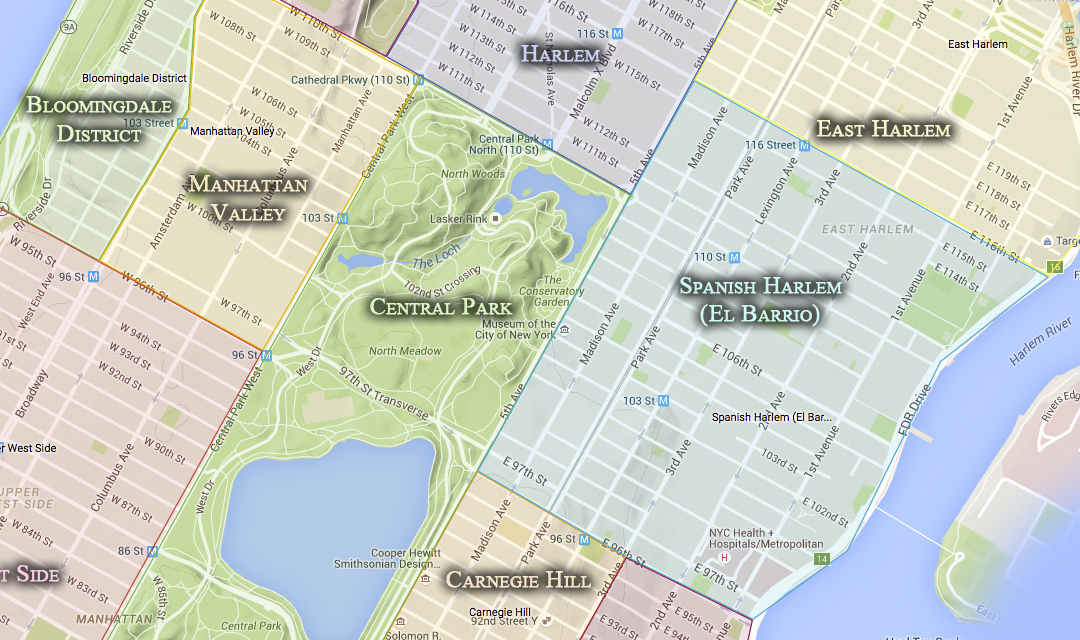
Defining El Barrio: Geographical Boundaries and Identity
Spanish Harlem’s boundaries are fluid, often perceived differently by residents and city planners. However, a commonly accepted understanding places it within the Upper East Side of Manhattan, generally stretching from 96th Street to 125th Street, and bordered by Fifth Avenue to the west and the East River to the east. This area encompasses parts of East Harlem, a larger community that includes Spanish Harlem as its distinct, culturally resonant core. The neighborhood’s identity is deeply intertwined with its historical demographic shifts, particularly the influx of Puerto Rican and Dominican immigrants who have shaped its character and fostered a strong sense of belonging.
A Shifting Demographic Landscape
The narrative of Spanish Harlem is one of continuous evolution. While its name suggests a singular Spanish heritage, the community today is a dynamic mosaic, with significant populations of Puerto Ricans, Dominicans, Mexicans, and various other Latin American and Caribbean nationalities. This rich diversity contributes to the neighborhood’s unique cultural blend, from its culinary delights to its musical rhythms and artistic expressions. The early waves of immigration, particularly from Puerto Rico in the mid-20th century, laid the foundational elements of El Barrio’s identity, establishing institutions and cultural hubs that continue to thrive. Subsequent migrations, notably from the Dominican Republic, have further enriched this vibrant urban landscape, adding new layers to its cultural tapestry.
Navigating the Neighborhood: Key Avenues and Cross Streets
The main arteries that define Spanish Harlem are Park Avenue, Lexington Avenue, and Third Avenue, bustling with everyday life, local businesses, and a constant flow of residents. These avenues serve as vital connectors, offering a glimpse into the neighborhood’s daily rhythm. The cross streets, from 96th to 125th, reveal the intimate scale of El Barrio, lined with bodegas, family-owned restaurants, vibrant street art, and community centers. Understanding these thoroughfares is crucial for anyone looking to explore Spanish Harlem on foot, allowing for an immersive experience of its distinct character. The elevated train lines, particularly the Lexington Avenue Line (6 train), provide convenient access, with stations strategically located throughout the neighborhood, serving as vital transport hubs for both residents and visitors.
The Cultural Pulse of Spanish Harlem
Beyond its geographical coordinates, Spanish Harlem is defined by its pulsating cultural heart. It is a place where traditions are cherished, celebrated, and continuously reinvented. From the resonant melodies of salsa to the bold flavors of its cuisine and the rich history embedded in its streetscapes, El Barrio offers a profound cultural immersion.
A Culinary Journey Through El Barrio
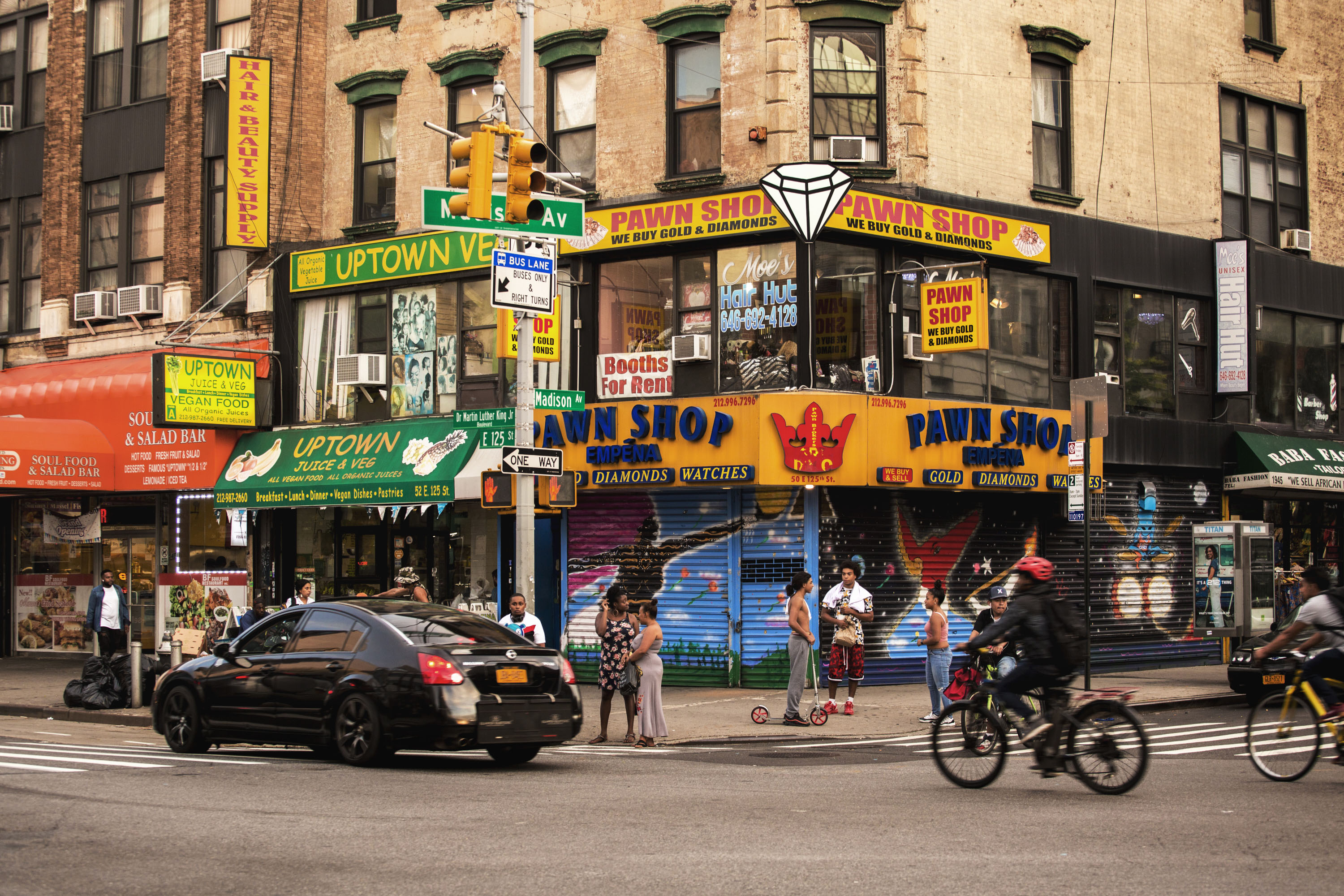
The food scene in Spanish Harlem is a testament to its diverse heritage. It is a place where you can embark on a culinary journey that spans the distinct flavors of Puerto Rico, the Dominican Republic, Mexico, and beyond. Small, family-run eateries and bustling restaurants offer an authentic taste of these rich gastronomic traditions. From mofongo, a traditional Puerto Rican dish made from mashed plantains, to sancocho, a hearty Dominican stew, and the ever-present aroma of roasted pernil (pork shoulder), the culinary landscape is as varied as the population itself. Exploring the local bodegas and bakeries also offers a chance to sample authentic pastries and local specialties, providing a true taste of everyday life in El Barrio.
Artistic Expressions and Community Hubs
Spanish Harlem is a fertile ground for artistic expression, with a deep-rooted tradition of murals, music, and community activism. The walls of the neighborhood are adorned with vibrant murals that tell stories of its history, culture, and aspirations. These public art installations are not merely decorative; they are powerful statements of identity and pride, transforming ordinary streets into open-air galleries. Live music venues and community centers often host performances, workshops, and cultural events that celebrate the diverse heritage of the residents. Institutions like the El Museo del Barrio, a leading Latino cultural institution, play a pivotal role in preserving and promoting the art and culture of Puerto Ricans and other Latin Americans in New York City.
The Sound of Spanish Harlem: Music and Festivities
Music is the lifeblood of Spanish Harlem. The neighborhood has been a significant incubator for various Latin music genres, including salsa, merengue, and bachata. The rhythms that emanate from homes, cars, and public spaces are an integral part of the El Barrio experience. Festivals and street fairs, particularly during the summer months, offer lively celebrations where music, dance, and delicious food converge, providing an unforgettable glimpse into the joyous spirit of the community. These events serve as vital opportunities for residents to connect and for visitors to experience the authentic vibrancy of Spanish Harlem.
Experiencing Spanish Harlem: A Guide for Visitors
For the discerning traveler seeking an authentic New York experience, Spanish Harlem offers a unique perspective on the city’s diverse cultural landscape. It is a neighborhood that rewards exploration, inviting visitors to step off the beaten path and immerse themselves in its rich tapestry.
Exploring the Streets and Discovering Local Gems
The best way to experience Spanish Harlem is on foot. Wander through its streets, take in the vibrant street art, and discover hidden culinary gems. Engage with local shopkeepers, sample the diverse flavors, and soak in the unique atmosphere. Visit El Museo del Barrio to gain a deeper understanding of the art and history that define the community. For those interested in architecture, exploring the pre-war apartment buildings and the diverse religious institutions offers a glimpse into the neighborhood’s evolving urban fabric. Keep an eye out for community gardens and small parks that offer moments of tranquility amidst the urban bustle.
Connecting with the Community: Tips for Respectful Engagement
To truly appreciate Spanish Harlem, it is essential to engage with the community respectfully. Learn a few basic Spanish phrases, as Spanish is widely spoken. Be mindful of local customs and traditions. When dining at local establishments, appreciate the authenticity and flavor of the cuisine, and consider leaving a positive review to support these businesses. Photography should be done with sensitivity, always asking for permission before photographing individuals. Participating in local events and festivals offers a wonderful opportunity to connect with residents and experience the genuine warmth and hospitality of El Barrio. Remember that Spanish Harlem is a residential neighborhood, and a sense of respect for the daily lives of its inhabitants will greatly enhance your visit.

Beyond the Usual: Unique Activities and Neighborhood Insights
While the major attractions of New York City beckon, Spanish Harlem offers a distinct set of experiences. Consider attending a live music performance at a local venue, exploring the diverse offerings at the local markets, or simply enjoying a leisurely afternoon people-watching from a sidewalk cafe. The neighborhood’s history is rich with stories of resilience, cultural preservation, and community building. Engaging with this narrative, perhaps through local historical tours or by visiting significant landmarks, offers a deeper appreciation for what makes El Barrio such a special place. It’s about understanding the soul of the neighborhood, the people who have shaped it, and the vibrant culture that continues to thrive there.
LifeOutOfTheBox is a participant in the Amazon Services LLC Associates Program, an affiliate advertising program designed to provide a means for sites to earn advertising fees by advertising and linking to Amazon.com. Amazon, the Amazon logo, AmazonSupply, and the AmazonSupply logo are trademarks of Amazon.com, Inc. or its affiliates. As an Amazon Associate we earn affiliate commissions from qualifying purchases.