
Exploring the diverse landscapes and vibrant cities of Texas is a dream for many, whether you’re a lifelong resident or planning an extended visit. From the historic charm of San Antonio and the bustling energy of Houston to the live music scene in Austin and the sprawling beauty of Big Bend National Park, the Lone Star State offers an unparalleled array of experiences. For travelers and residents with disabilities, ensuring seamless access to these incredible destinations is paramount. A handicap parking placard or license plate is not just a convenience; it’s a vital tool that unlocks greater freedom, independence, and the ability to fully immerse oneself in Texas’s rich culture, attractions, and landmarks.

This comprehensive guide is designed to walk you through every step of obtaining a handicap parking placard or license plate in Texas. We’ll demystify the eligibility requirements, outline the application process, clarify fees and validity periods, and offer valuable tips for maximizing your accessible travel experience across the state. Whether you’re planning a family trip to Galveston, a business stay in Dallas, or simply navigating your daily life, understanding these regulations will ensure your journeys are as comfortable and stress-free as possible. Let’s delve into how to secure your handicap parking privileges and unlock the best of Texas.
Understanding Handicap Parking Privileges in Texas
Before embarking on the application process, it’s crucial to understand what constitutes a qualifying disability in Texas and the various types of parking privileges available. This knowledge will help you determine the most suitable option for your specific needs and ensure you meet all necessary criteria for approval.
Who is Eligible for a Handicap Placard or Plate?
In Texas, eligibility for a handicap parking placard or license plate is determined by a specific definition of “disability” outlined in the Texas Transportation Code. The primary criterion is that a person must have a mobility problem that substantially impairs their ability to walk. This can encompass a broad range of conditions, but it must be certified by a licensed physician, podiatrist, or chiropractor.
Common qualifying conditions include, but are not limited to:
- Inability to walk without assistance: This might involve using a brace, cane, crutch, wheelchair, or prosthetic device.
- Severe limitation in the ability to walk: Due to an arthritic, neurological, or orthopedic condition.
- Lung disease: With an forced expiratory volume (FEV1) of less than one liter per second or requiring supplemental oxygen.
- Cardiovascular disease: Where the individual’s functional limitations are classified as Class III or IV according to standards set by the American Heart Association.
- Vision impairment: Legally blind.
- Amputation: Of a foot or a leg.
- Alzheimer’s disease or other dementia: Severe enough to impair mobility or judgment and pose a safety risk.
- Other conditions: That severely and permanently impair mobility, as determined by a medical professional.
It’s important to note that the medical certification must specifically state how the disability limits the individual’s mobility. A general diagnosis is often not sufficient; the physician needs to explain the impact on walking. For instance, someone recovering from a major surgery might qualify for a temporary placard due to short-term mobility issues, while an individual with a chronic condition like multiple sclerosis might qualify for a permanent one. The emphasis is always on the functional limitation rather than just the diagnosis itself.
Types of Placards and License Plates Available
Texas offers several options for persons with disabilities parking privileges, each tailored to different needs and durations. Understanding these distinctions is key to applying for the correct type.
- Permanent Placards (Blue): These are issued to individuals with long-term, permanent disabilities that substantially impair their ability to walk. A permanent placard is typically valid for four years and must be renewed. It can be transferred between vehicles when the person with the disability is present, offering great flexibility for travelers who might rent a car for a road trip across the Gulf Coast or use different family vehicles.
- Temporary Placards (Red): Designed for individuals with short-term disabilities, such as those recovering from surgery, an injury, or a temporary medical condition that limits mobility. A temporary placard is valid for up to six months. If the disability persists, a second temporary placard can be issued, but the total validity for temporary placards cannot exceed one year. After this, if the condition becomes permanent, a new application for a permanent placard would be necessary.
- Disabled Veteran (DV) License Plates: These distinctive plates are available to veterans who have a service-connected disability rating of 50% or more, or who have had a lower extremity amputated or suffered paralysis of a lower extremity as a result of a service-connected injury. While not a placard, these plates grant the same parking privileges as a handicap placard when displayed on the vehicle, allowing access to designated accessible parking spaces. Vehicles with DV plates do not need an additional placard.
- Disabled Person License Plates: These specialized license plates are issued to individuals with a permanent disability. Similar to the DV plates, they allow the vehicle to be parked in designated accessible spaces without the need for a separate placard. This option is often preferred by individuals who primarily drive their own vehicle and want the convenience of permanent identification.
The primary benefit of both placards and special license plates is the legal right to park in spaces designated for persons with disabilities. These spaces are typically wider and closer to entrances, making access to hotels, attractions, and accommodations much easier. In many municipalities in Texas, displaying a valid placard or plate also exempts the vehicle from paying parking meter fees, which can be a significant advantage when exploring downtown Dallas or Austin.
The Application Process: Step-by-Step Guide
Obtaining a handicap parking placard or license plate in Texas involves a straightforward process, primarily managed by the Texas Department of Motor Vehicles (DMV) through local County Tax Assessor-Collector’s offices. Knowing the necessary forms, where to apply, and potential fees will ensure a smooth application.
Required Forms and Documentation
The cornerstone of your application is the official form and proper medical certification.
- Form VTR-214, Application for Persons with Disabilities Parking Placard/Plate: This is the primary form you will need to complete. It collects personal information about the applicant, details about the vehicle (if applying for plates), and crucially, a section for medical certification. You can typically download this form from the Texas Department of Motor Vehicles website or obtain a copy at your local County Tax Assessor-Collector’s office.
- Medical Certification: The most critical part of Form VTR-214 is the section that must be completed and signed by a licensed physician, podiatrist, or chiropractor. This medical professional must certify that you meet the state’s definition of a person with a disability and specify whether the disability is permanent or temporary. They will also indicate the expected duration if it’s a temporary condition. The medical professional’s license number, signature, and date are mandatory. Ensure the form is fully completed by your doctor to avoid delays.
- Proof of Identity and Residency: While not always explicitly required for the placard itself, having a valid Texas driver’s license or ID card is generally recommended. If applying for license plates, you will also need proof of vehicle ownership (e.g., vehicle title or registration receipt).
- Disabled Veteran Specifics: For Disabled Veteran license plates, you will need to provide proof of your service-connected disability rating from the U.S. Department of Veterans Affairs. This usually comes in the form of an official letter or document detailing your disability percentage.
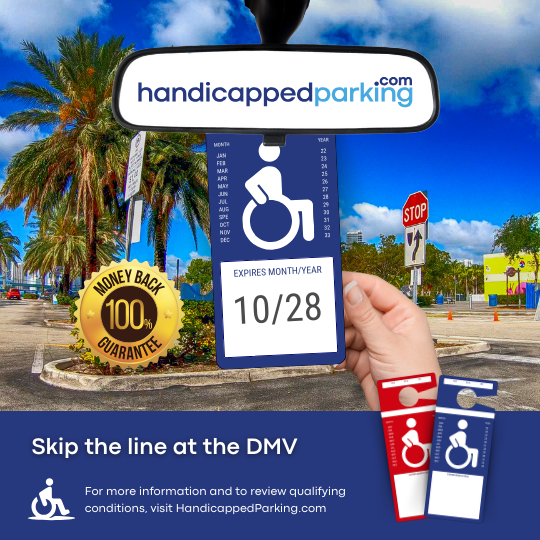
It is highly advisable to make copies of all submitted documents for your records. This can be helpful if there are any questions about your application or if you need to renew in the future.
Where to Apply
The application for a handicap parking placard or license plate is handled locally.
- County Tax Assessor-Collector’s Office: This is the primary point of contact for submitting your application. Each county in Texas has an office, and you should visit the one in your county of residence. You can find your local office by searching the Texas Department of Motor Vehicles website. It’s often possible to complete the entire process, from submitting the form to receiving your placard, in a single visit, assuming all documentation is in order.
- Mail-In Option: While in-person application is common, you can also mail your completed Form VTR-214 with the required medical certification to your County Tax Assessor-Collector’s office. This is a convenient option for those who may have difficulty traveling to the office. However, receiving your placard might take longer through the mail.
- Online Services: For initial applications, especially for placards, in-person or mail-in methods are typically required due to the need for original signatures from both the applicant and the medical professional. However, renewals or replacements for existing placards might sometimes be facilitated online or via mail, depending on current county policies. Always check your specific county’s website for the most up-to-date information regarding online services.
Fees and Validity Periods
Understanding the costs and how long your privileges will last is important for planning.
- Permanent Placards: Generally, there is no fee for the initial issuance of one or two permanent placards. If you require replacement placards due to loss, theft, or damage, a small fee (typically $5.00) may apply. Permanent placards are valid for four years and will expire on a specific date. You will receive a renewal notice before expiration, requiring updated medical certification to ensure continued eligibility.
- Temporary Placards: Similar to permanent placards, there is typically no fee for the initial issuance of a temporary placard. As mentioned, they are valid for up to six months. If a second temporary placard is issued, it can extend the total validity to a maximum of one year. After this period, if the disability persists, a new application with updated medical certification for a permanent placard would be necessary.
- Disabled Person and Disabled Veteran License Plates: While there is no fee specifically for the disabled person designation, standard vehicle registration fees and any applicable specialty plate fees (if chosen beyond the basic DV plate) will still apply. These plates are valid for the same duration as your vehicle registration and renewed annually along with your registration.
Remember to keep track of your placard’s expiration date. Renewing on time ensures uninterrupted parking privileges, crucial for accessible tourism and travel throughout Texas.
Maximizing Your Texas Travel with a Handicap Placard
Having a handicap parking placard or license plate transforms your travel experience in Texas, granting you access and convenience that might otherwise be challenging. Leveraging these privileges effectively, while also understanding your responsibilities, will ensure your adventures are enjoyable and compliant.
Accessible Travel Tips for Texas Destinations
Texas is vast and offers an incredible array of experiences. With your placard, you can better explore everything from bustling urban centers to serene natural parks.
- Research Accessible Accommodations: Before booking your stay, always verify the accessibility features of hotels, resorts, or other accommodation options. Many major chains like Marriott, Hilton, and Hyatt are known for their accessible rooms, roll-in showers, and ADA-compliant facilities. Use their official websites or call directly to confirm specific needs, especially for features like accessible pools or shuttle services. Websites specializing in accessible travel reviews can also be invaluable.
- Plan Parking at Major Attractions: Even with a placard, popular landmarks and attractions can have limited accessible parking. For places like The Alamo in San Antonio, Space Center Houston, or the Sixth Floor Museum at Dealey Plaza in Dallas, it’s wise to check their official websites for parking maps and recommendations. Arriving early can also help secure prime accessible spots. For experiences like the River Walk in San Antonio, research accessible entry points and boat tours.
- Utilize Accessible Public Transportation: In major Texas cities like Austin, Dallas, and Houston, public transportation systems (buses, light rail) are typically ADA-compliant. This can be an excellent option for navigating dense urban areas, reducing the stress of driving and parking. Check the local transit authority websites (e.g., Capital Metro in Austin, DART in Dallas, METRO in Houston) for route information, accessibility services, and paratransit options.
- Explore Texas State Parks: Many of Texas’s natural wonders, including Palo Duro Canyon State Park and various trails, offer accessible features. The Texas Parks and Wildlife Department provides information on accessible trails, facilities, and programs. A handicap placard ensures you can park conveniently to enjoy these natural retreats.
- Consider Rental Cars with Hand Controls: If you require specialized vehicle controls and plan to rent a car for your Texas trip, book well in advance with major rental companies. They often have vehicles equipped with hand controls or other adaptive equipment, but availability can be limited.
- Accessible Tourism Experiences: Beyond traditional sightseeing, look for tour operators or attractions that specifically cater to guests with disabilities. For instance, some boat tours may have accessible ramps, and museums often provide wheelchairs and sensory-friendly experiences.
Important Rules and Responsibilities
While a handicap placard grants significant advantages, it comes with important responsibilities and rules that must be strictly followed to avoid penalties and misuse.
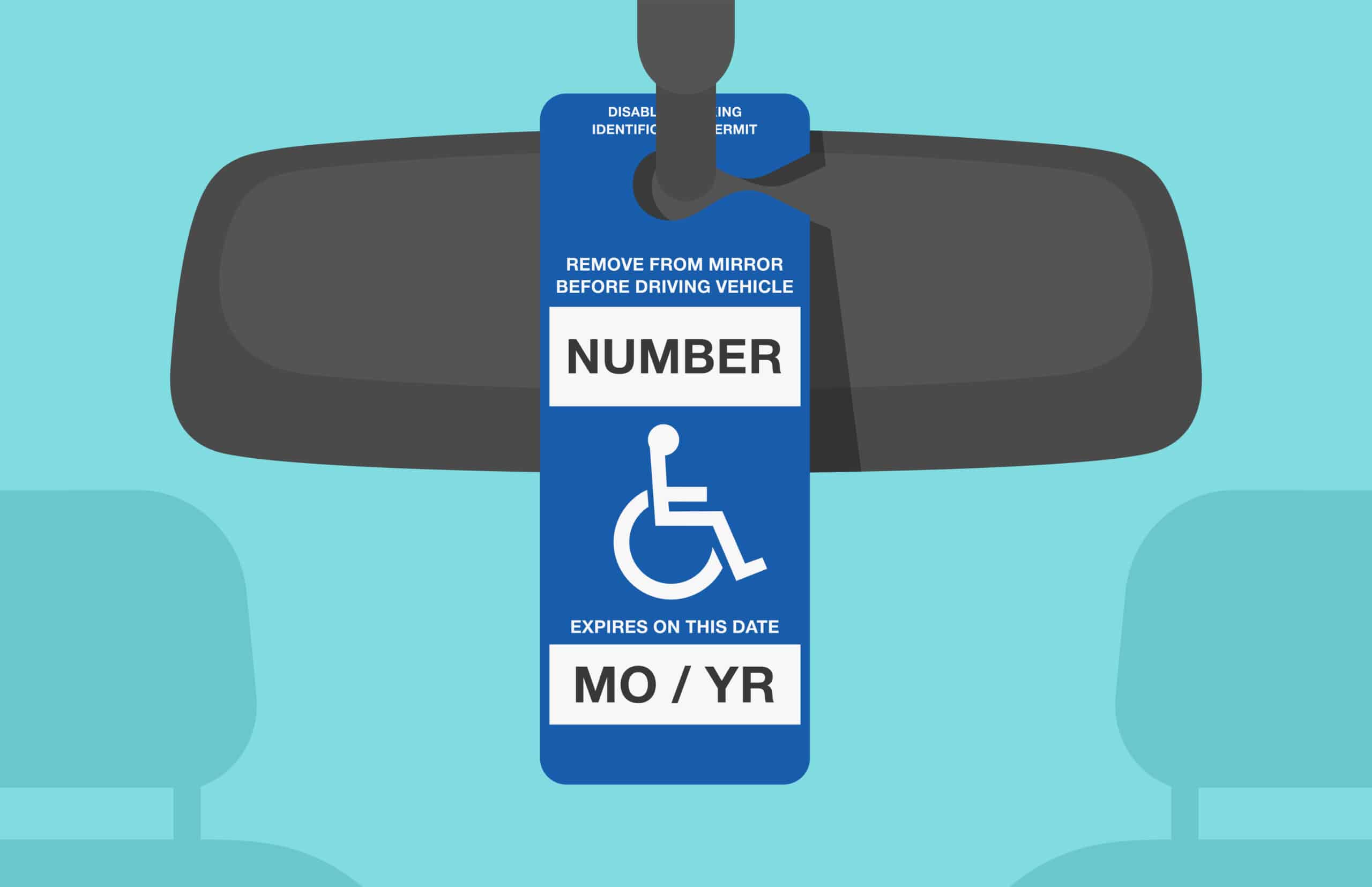
- Proper Display: Your permanent or temporary placard must be clearly displayed from the rearview mirror of the vehicle when parked in a designated accessible parking space. It should be removed when the vehicle is in motion to prevent obstruction of the driver’s view. If you have Disabled Person or Disabled Veteran license plates, no additional placard is needed, as the plates themselves signify the parking privilege.
- Use by the Person with the Disability: This is perhaps the most crucial rule: the placard or plates are strictly for the use of the person with the disability. The parking privilege can only be used when the person to whom it was issued is present in the vehicle, either as the driver or a passenger. It is illegal for friends or family members to use the placard if the disabled individual is not accompanying them, even if they are running an errand for the disabled person. Misuse can lead to fines, revocation of the placard, and even vehicle towing.
- Out-of-State Placards: Texas generally recognizes handicap parking placards issued by other U.S. states and countries. However, it’s always prudent to be aware of any local ordinances, especially in large cities, as specific rules (e.g., regarding parking meter exemptions) might vary. While the core right to park in accessible spaces is usually recognized, a quick check of local city parking regulations can prevent misunderstandings.
- Reporting Misuse: If you witness misuse of handicap parking spaces or placards, you can report it to local law enforcement. Ensuring these spaces are used correctly helps maintain accessibility for those who truly need it.
- Maintenance of Placard: Keep your placard in good condition. If it becomes damaged or illegible, apply for a replacement promptly to avoid any issues with enforcement.
By adhering to these rules and embracing the accessible travel tips, you can confidently navigate Texas’s vast offerings, knowing that your mobility needs are addressed, and your journey is as smooth as possible.
Acquiring a handicap parking placard or license plate in Texas is a straightforward process that significantly enhances the travel and daily living experience for individuals with disabilities. From understanding the clear eligibility criteria defined by the Texas Department of Motor Vehicles to navigating the application through your local County Tax Assessor-Collector’s office, each step is designed to be accessible and efficient.
This small but mighty piece of identification—whether a blue permanent placard, a red temporary one, or a specialized license plate—is more than just a permit; it’s a key to unlocking greater freedom and independence. It allows you to conveniently access the vibrant cities of Austin and Houston, explore the historical depths of San Antonio, or immerse yourself in the natural beauty of Big Bend National Park and the Texas State Parks system. With proper planning and adherence to the rules, your Texas adventure will be defined by ease and enjoyment, not limitations.
We encourage you to complete the necessary steps to secure your parking privileges. Doing so ensures that every journey, whether a quick errand or an ambitious road trip across the Lone Star State, is met with the accessibility you deserve. Embrace the vast opportunities that Texas offers, knowing that your right to explore and experience is fully supported.
LifeOutOfTheBox is a participant in the Amazon Services LLC Associates Program, an affiliate advertising program designed to provide a means for sites to earn advertising fees by advertising and linking to Amazon.com. Amazon, the Amazon logo, AmazonSupply, and the AmazonSupply logo are trademarks of Amazon.com, Inc. or its affiliates. As an Amazon Associate we earn affiliate commissions from qualifying purchases.