
The name “Five Points” evokes a vivid, if often grim, image for anyone familiar with the history of New York City. For many, it conjures scenes from historical dramas or literary accounts, a place of intense hardship, vibrant culture, and significant social upheaval. But beyond the dramatic portrayals, where exactly was this notorious and influential neighborhood, and what made it so pivotal in the city’s narrative? Understanding the physical location of Five Points is crucial to grasping its historical significance, its impact on the development of New York, and the enduring legacy it left on the urban landscape.
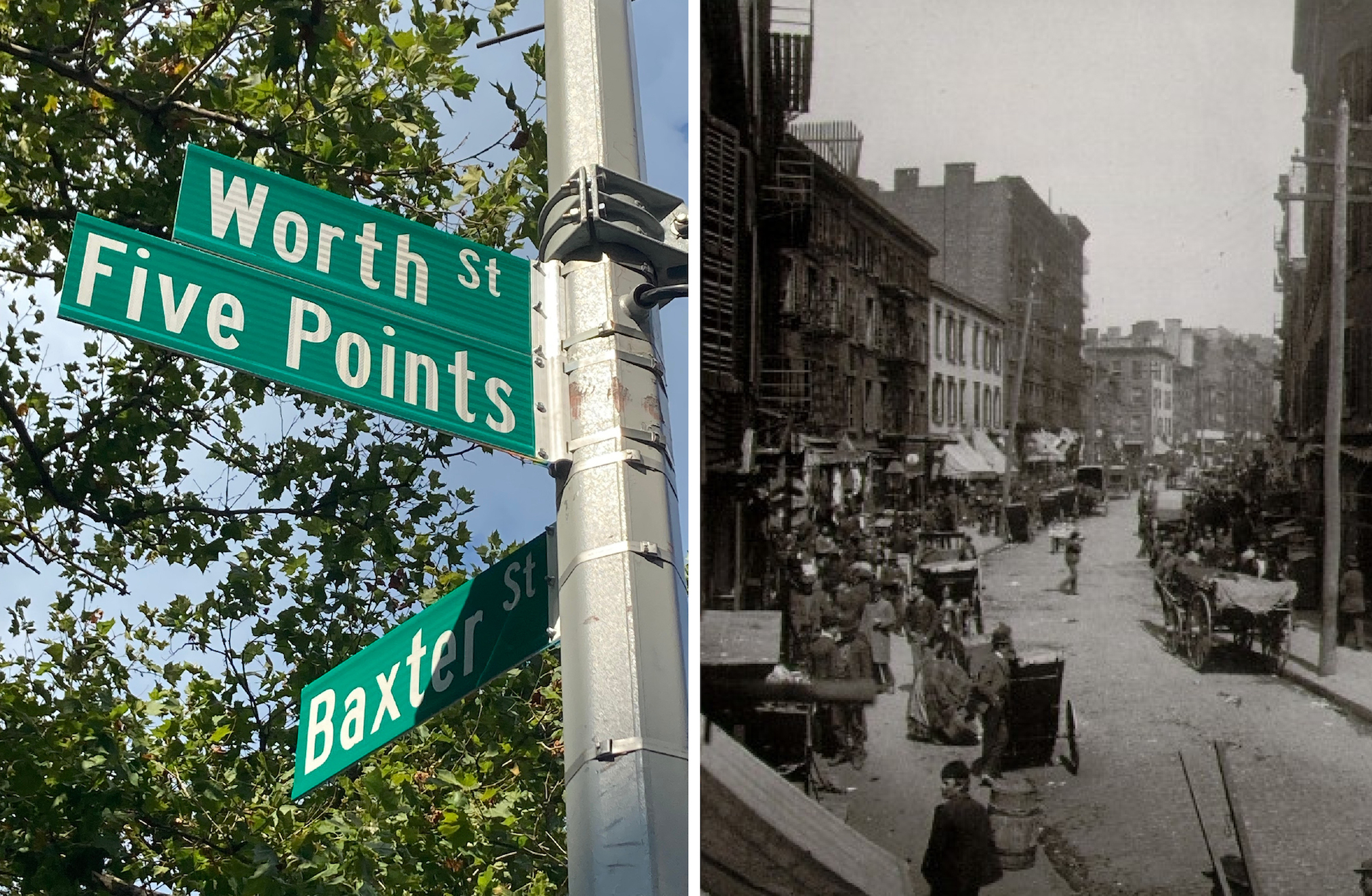
Five Points wasn’t a single, officially designated administrative district, but rather a densely populated and distinct area in Lower Manhattan. Its genesis and evolution are intrinsically tied to the city’s rapid growth, immigration patterns, and the social stratification that characterized the 19th century. To pinpoint its location is to understand the crossroads of immigration, poverty, crime, and burgeoning cultural expression that defined this unique part of America.
The Genesis and Geographic Heart of Five Points
The area known as Five Points emerged organically from the city’s development, shaped by its unique geography and the influx of new populations. Its name itself speaks to its physical configuration.
A Confluence of Streets and Opportunity
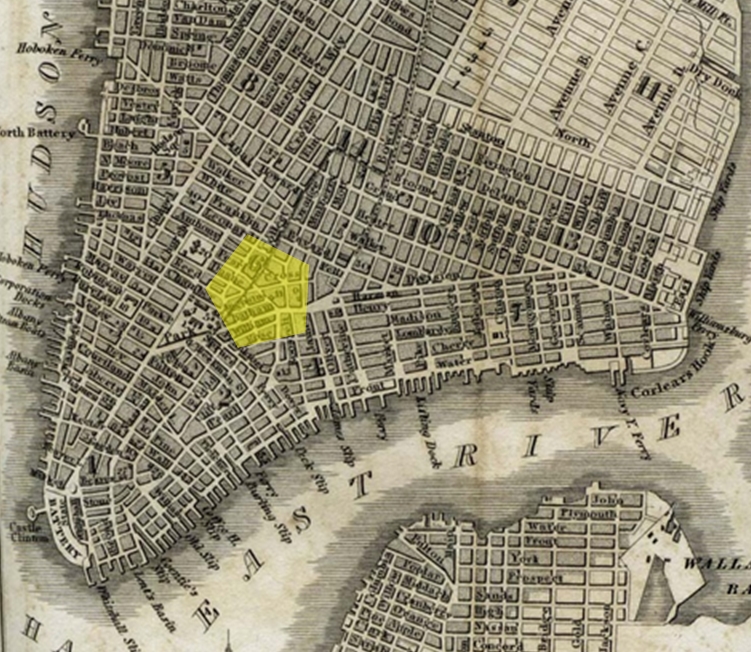
The name “Five Points” originated from the intersection of five streets in the Lower East Side of Manhattan. These streets were Anthony Street (now Worth Street), Cross Street (now Mosco Street), Orange Street (now Baxter Street), Little Water Street, and Mulberry Street. The peculiar, almost spiderweb-like convergence of these thoroughfares created a distinctive intersection that became the focal point of the neighborhood. This confluence of streets was not accidental; it was a product of the city’s evolving street grid, which often struggled to keep pace with organic growth and reclamation efforts.
The area was built on landfill, a practice common in New York as the city expanded. This also meant that the ground was unstable and the drainage poor, contributing to the unsanitary conditions that would later plague the neighborhood. The geographical positioning of Five Points, close to City Hall and the bustling commercial districts, also meant it was a central hub, attracting those seeking work or simply a place to live, regardless of the prevailing social conditions. Its proximity to the East River and New York Harbor also made it a natural landing point for many arriving immigrants, setting the stage for its dense population and diverse inhabitants.
The Transformation: From Humble Beginnings to Notorious Slums
Initially, the land occupied by Five Points was not inherently destined for destitution. However, a series of factors, driven by rapid urban expansion and demographic shifts, transformed it into one of the most infamous slum districts in American history.
The Impact of Landfill and Poor Infrastructure
As New York City grew, marshland and ponds in the area were filled in to create more buildable land. This process, particularly the filling of the Collect Pond, created unstable ground and poor drainage. The resulting environment was damp, disease-ridden, and a breeding ground for pests. Buildings were often constructed hastily and without proper sanitation, leading to overcrowded tenements and dire living conditions. The physical environment of Five Points actively contributed to the degradation of its inhabitants’ lives. The lack of adequate infrastructure meant that basic amenities like clean water and sewage disposal were scarce, exacerbating the spread of diseases such as cholera and typhoid fever.
Immigration Waves and Overcrowding
The 19th century witnessed massive waves of immigration into New York City. The Irish Potato Famine, in particular, led to a huge influx of impoverished Irish immigrants who settled in areas like Five Points, seeking affordable housing. They were soon joined by other immigrant groups, including Italians and Jews, each contributing to the neighborhood’s rich cultural tapestry but also intensifying the overcrowding. The sheer volume of people crammed into a relatively small geographic area, often in poorly constructed and maintained tenements, led to unimaginable density. Families lived in single rooms, and entire floors were often subdivided into smaller living spaces, pushing the limits of human habitation.
The Rise of Crime and Social Ills
With extreme poverty, overcrowding, and a lack of opportunity came the inevitable rise of crime and social ills. Five Points became notorious for its saloons, brothels, gambling dens, and gang activity. Various ethnic gangs, such as the Dead Rabbits and the Bowery Boys, vied for control of the streets, further contributing to the area’s dangerous reputation. The police force was often overwhelmed, and corruption was rampant, leading to a sense of lawlessness that pervaded the neighborhood. This period solidified Five Points’ image in the public consciousness as a place of despair and moral decay, a stark contrast to the booming prosperity of other parts of New York.
Life and Legacy: Culture and Change in Five Points
Despite its formidable reputation, Five Points was not solely a place of misery. It was also a crucible of culture, resilience, and innovation, leaving an indelible mark on the fabric of New York and American society.
A Melting Pot of Cultures and Sounds
The diverse immigrant populations of Five Points brought with them their unique traditions, music, and food. This cultural collision fostered a vibrant, albeit often overlooked, aspect of the neighborhood. The sounds of Irish jigs, Italian opera, and Yiddish folk songs mingled in the streets. It was in these crowded tenements and bustling streets that early forms of American popular music began to take shape. Street performers, vaudeville acts, and burgeoning musical genres found fertile ground in the melting pot of Five Points. This cultural ferment, born out of hardship, would eventually influence the broader American entertainment landscape.
Social Reform and the Seeds of Change
The dire conditions in Five Points did not go unnoticed by reformers and philanthropists. Organizations and individuals worked to alleviate the suffering, establish schools, and provide aid. Figures like Jacob Riis, whose groundbreaking photographic essays documented the lives of the poor, played a crucial role in raising public awareness and advocating for social reform. The efforts to improve housing, sanitation, and education in Five Points, though often slow and met with resistance, laid the groundwork for future urban planning and social welfare initiatives in New York City and beyond. The very existence of these reform movements highlights the complexity of Five Points, demonstrating that alongside despair, there was also a persistent drive for betterment.

The Physical Erasure and Enduring Memory
Over time, urban renewal projects and changing demographics led to the gradual decline and eventual physical erasure of the original Five Points neighborhood. Many of the notorious tenements were demolished, and the street layout was altered. The Lower East Side and Chinatown now occupy much of the former territory of Five Points. However, the memory of Five Points persists. It remains a potent symbol in American history, representing the struggles of immigrants, the realities of urban poverty, and the complex interplay of social forces that shape cities. Its stories are retold in literature, film, and historical studies, ensuring that this pivotal, if often grim, chapter in New York’s past is not forgotten. The physical location, though changed, still bears the echoes of its tumultuous history, a reminder of the lives lived and the lessons learned in this iconic part of New York.
LifeOutOfTheBox is a participant in the Amazon Services LLC Associates Program, an affiliate advertising program designed to provide a means for sites to earn advertising fees by advertising and linking to Amazon.com. Amazon, the Amazon logo, AmazonSupply, and the AmazonSupply logo are trademarks of Amazon.com, Inc. or its affiliates. As an Amazon Associate we earn affiliate commissions from qualifying purchases.