
Embarking on a journey through the scenic landscapes and vibrant cities of Connecticut offers a captivating blend of history, culture, and natural beauty. Whether you’re planning a tranquil escape to the shoreline, an academic tour of New Haven, or a historic exploration of Hartford, understanding the nuances of local regulations can significantly enhance your travel experience. One such regulation, often overlooked but crucial for both residents and visitors, pertains to vehicle window tinting. For those considering a road trip, relocating, or simply curious about the legalities of vehicle customization, knowing the lowest percentage tint allowed in Connecticut is essential. This guide delves into the specifics of Connecticut’s window tint laws, offering valuable insights that seamlessly integrate with your travel, lifestyle, and accommodation planning.
Understanding Window Tint Laws in Connecticut
Window tinting isn’t merely an aesthetic choice; it serves practical purposes ranging from increased privacy and reduced glare to protection against harmful UV rays. However, every state, including Connecticut, has specific laws governing how dark a vehicle’s windows can be. These regulations are primarily in place for safety reasons, ensuring that drivers have clear visibility and that law enforcement officers can see into a vehicle, especially during traffic stops. Navigating these rules is a key aspect of responsible travel and vehicle ownership in the Nutmeg State.
The Basics: What is Window Tinting?
At its core, window tinting involves applying a thin laminate film to the interior or exterior of a vehicle’s glass windows. This film is designed to reduce the Visible Light Transmission (VLT), which is the percentage of visible light that passes through the window. A lower VLT percentage indicates a darker tint, meaning less light can pass through. For example, a 70% VLT tint allows 70% of visible light to pass through, making it relatively light, while a 5% VLT tint is extremely dark, allowing only 5% of light through.
The VLT percentage is the critical metric in understanding tint laws. Beyond VLT, tints can also offer various benefits such as heat rejection, glare reduction, and UV protection, which can significantly improve comfort, especially during long drives through Connecticut’s varying climates. From the humid summers exploring the Mystic Seaport Museum to the crisp autumn drives along scenic routes, the right tint can make a substantial difference in your driving experience.
Connecticut’s Specifics: The Lowest Legal VLT
In Connecticut, the laws for window tinting differentiate between various windows of a vehicle. This distinction is crucial for compliance. According to the Connecticut Department of Motor Vehicles (DMV) regulations:
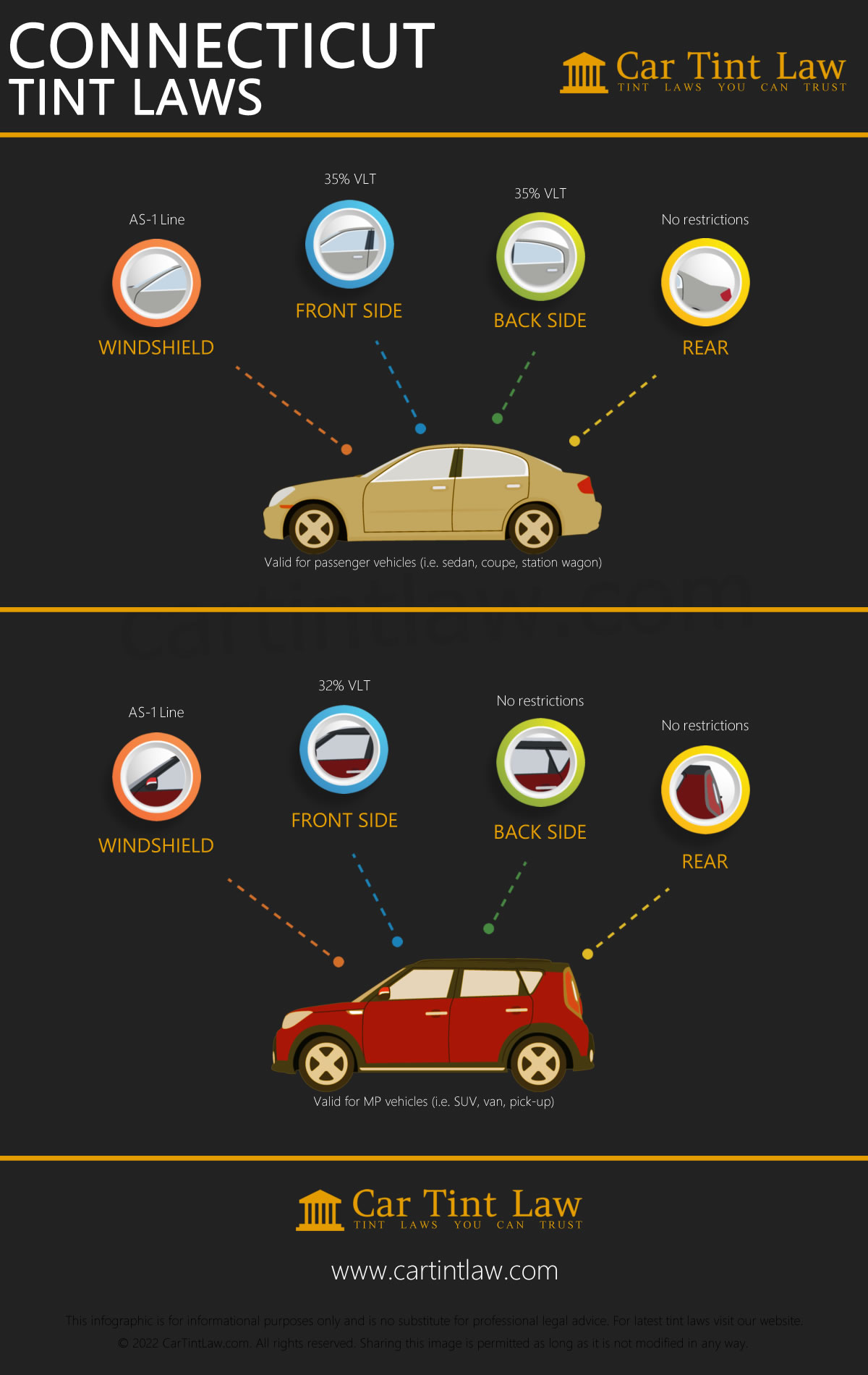
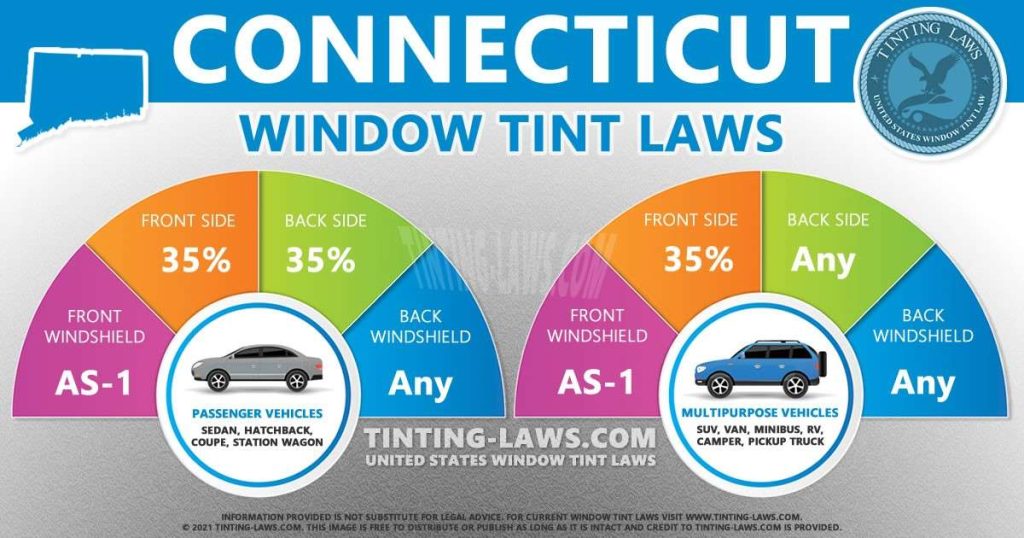
- Windshield: Non-reflective tint is permitted on the top 6 inches of the windshield. This strip helps reduce glare from the sun, which can be particularly beneficial when driving into the sunrise or sunset across the state.
- Front Side Windows: For the driver and passenger side windows, the VLT must be no lower than 35%. This means that at least 35% of visible light must be able to pass through these windows. This specific percentage is the answer to our core question regarding the lowest percentage tint for the front side windows, balancing driver visibility with privacy and sun protection.
- Back Side Windows and Rear Window: For the windows behind the driver and the rear window, there are generally no restrictions on the darkness of the tint. This offers greater flexibility for those seeking maximum privacy or heat reduction in the back of the vehicle, which can be ideal for families traveling with children or for protecting luggage during a stay in Greenwich or Stamford.
It’s also important to note that Connecticut law prohibits red, amber, and yellow tint colors on any vehicle window, as these colors could interfere with traffic signals or emergency lights. Reflective tint, often seen as a mirror-like finish, is also restricted, with a maximum reflectivity of 20% on all windows. Understanding these precise percentages and prohibitions is key to avoiding fines and ensuring a hassle-free journey through Connecticut.
Exemptions and Medical Waivers
While the general tinting laws are clear, Connecticut does provide for specific exemptions, particularly for medical conditions. Individuals who suffer from conditions such as porphyria, lupus, or severe photosensitivity may apply for a medical exemption to use darker window tints than typically allowed on their front side windows. This requires a prescription from a licensed physician, ophthalmologist, or optometrist, which must be presented to the DMV for approval. If approved, the individual will receive a special sticker or certificate that must be displayed in the vehicle, indicating their exemption. This thoughtful provision reflects a balance between public safety and individual health needs, ensuring that residents and long-term visitors with genuine medical requirements can travel comfortably and safely.
Navigating Connecticut’s Roads: Tips for Travelers and Residents
Whether you’re exploring Connecticut’s charming small towns, urban centers like Bridgeport, or planning a coastal retreat, understanding and adhering to local driving laws, including window tint regulations, is crucial for a smooth and enjoyable experience. For both seasoned residents and first-time visitors, proper preparation can prevent unnecessary stress and potential legal issues.
Rental Cars and Tinting: What You Need to Know
For many travelers, a rental car is the vehicle of choice for exploring new destinations. When picking up a rental in Connecticut, it’s important to be aware that the tinting on these vehicles generally complies with state laws. Rental companies ensure their fleet meets legal requirements, so you’re unlikely to encounter issues with a vehicle that is excessively tinted. However, if you are particular about window tinting for comfort or privacy reasons, it’s always a good idea to inquire about the tint level of your rental vehicle upon booking or pickup. Some premium rental options might feature slightly darker tints on rear windows, while the front windows will invariably adhere to the 35% VLT minimum.
If you are traveling from out of state with your own vehicle, Connecticut generally extends a courtesy recognition to tints that are legal in your home state, provided they are not excessively dark (typically below 20% VLT for front windows, though this can vary). However, for extended stays or if you plan to reside in Connecticut, it is highly recommended to ensure your vehicle complies with Connecticut’s specific tint laws to avoid any potential issues with law enforcement. Always check the current regulations as laws can change.
Ensuring Compliance for a Smooth Journey
Compliance with tint laws goes beyond just avoiding a ticket; it’s about contributing to overall road safety. Windows that are too dark can impair a driver’s ability to see pedestrians, cyclists, or other vehicles, especially in low-light conditions or during adverse weather. For travelers eager to visit landmarks like the Mark Twain House & Museum in Hartford or the historic grounds of Yale University in New Haven, visibility is paramount.
To ensure your vehicle is compliant:
- Check Your Tint: If you’re unsure about your current tint’s VLT, many automotive tint shops can measure it accurately.
- Purchase Legal Tint: If you’re considering new tinting, always choose a reputable installer who is familiar with Connecticut’s laws and can guarantee compliance.
- Medical Exemption Documentation: If you have a medical exemption, always carry the official documentation from the Connecticut Department of Motor Vehicles in your vehicle.
By taking these steps, you can focus on enjoying Connecticut’s diverse attractions, from the natural beauty of Gillette Castle State Park to the family fun at Ocean Beach Park, without the concern of legal complications.
The Lifestyle and Practical Benefits of Window Tinting
Beyond legal compliance, window tinting significantly contributes to the overall lifestyle experience, particularly for those who spend a considerable amount of time on the road, whether for work or leisure. It’s a choice that impacts comfort, privacy, and the longevity of your vehicle’s interior. For anyone navigating Connecticut’s varied terrain, from bustling urban corridors to serene countryside drives, the benefits extend far beyond mere aesthetics.
Enhancing Comfort and Privacy During Your Connecticut Adventures
Imagine driving through Connecticut on a bright summer day, with the sun beating down and creating a stifling atmosphere inside your car. Window tinting acts as a barrier, effectively reducing heat build-up by blocking a significant portion of solar energy. This leads to a cooler interior, making your air conditioning more efficient and your drive more comfortable. For families embarking on a road trip to destinations like The PEZ Visitor Center or Sleeping Giant State Park, this enhanced comfort is invaluable, especially for passengers in the back seat who might otherwise experience direct sunlight.
Privacy is another substantial benefit. Darker tints on rear windows, where permitted, offer a greater sense of seclusion, which can be particularly appealing when parked in crowded areas or when carrying personal items. It deters casual onlookers and can contribute to a more relaxed atmosphere within the vehicle, transforming your car into a private oasis on wheels. This can be especially important for business travelers on extended stays or for families seeking a peaceful environment during their travels.
Protecting Your Vehicle and Valuables
The sun’s ultraviolet (UV) rays are notorious for causing damage, not just to skin but also to vehicle interiors. Over time, constant exposure to UV radiation can lead to fading, cracking, and deterioration of upholstery, dashboards, and other interior surfaces. Quality window tinting blocks up to 99% of harmful UV rays, acting as an invisible shield that preserves the condition and resale value of your car. This protection is a smart investment, particularly for vehicles frequently exposed to Connecticut’s sunny days.
Furthermore, the added layer of privacy offered by window tinting can act as a deterrent against theft. When potential thieves cannot easily see into a vehicle, they are less likely to target it, as the presence of valuables is obscured. This passive security measure adds an extra layer of peace of mind, whether your car is parked at a hotel near Mohegan Sun or a quiet street in a historic district.
Aesthetic Considerations for Your Ride
Beyond the practical benefits, window tinting also offers significant aesthetic appeal. A professionally applied tint can dramatically enhance the look of a vehicle, giving it a sleeker, more sophisticated, or even sportier appearance. It creates a cohesive look, especially when paired with modern vehicle designs, and can make any car feel more premium. For many, it’s a statement of personal style and a way to customize their vehicle to better reflect their lifestyle. Whether you prefer a subtle enhancement or a more dramatic transformation, staying within Connecticut’s legal VLT limits still allows for a wide range of aesthetic improvements, ensuring your vehicle looks good while remaining compliant and safe.
Beyond the Tint: Exploring Connecticut Responsibly
While understanding window tint laws is a niche but important aspect of traveling through Connecticut, it’s part of a broader commitment to responsible tourism and travel. The state offers an incredible array of experiences, from its picturesque coastlines to its vibrant cultural hubs. A well-prepared and legally compliant journey ensures you can fully immerse yourself in all that Connecticut has to offer.
Iconic Connecticut Destinations to Visit
Connecticut is a treasure trove of destinations catering to diverse interests. History buffs will revel in the colonial charm of Mystic Seaport Museum and the literary legacy of the Mark Twain House & Museum. Nature enthusiasts can explore the hiking trails and scenic vistas of Gillette Castle State Park or the unique topography of Sleeping Giant State Park. Families will find joy at Ocean Beach Park in New London or the quirky fun of The PEZ Visitor Center in Orange. Urban explorers can delve into the academic atmosphere of Yale University in New Haven or the vibrant arts scene in Hartford. Each of these destinations offers a unique glimpse into the state’s character, providing memorable experiences for every kind of traveler.

Planning Your Connecticut Road Trip
A road trip through Connecticut is an ideal way to experience its charm. When planning, consider factors beyond just your itinerary. Think about your accommodation options, from luxury resorts in Litchfield Hills to charming boutique hotels in historic towns. Research local eateries for a taste of authentic Connecticut cuisine, from fresh seafood to classic New England fare. Most importantly, ensure your vehicle is road-ready, including checking tire pressure, fluid levels, and, of course, confirming your window tinting meets the state’s legal requirements.
By understanding the lowest legal percentage tint in Connecticut for front side windows (35% VLT) and adhering to all other traffic regulations, you’re setting yourself up for a safe, comfortable, and truly unforgettable journey. This attention to detail allows you to fully appreciate the beauty, history, and vibrant culture that makes Connecticut a premier destination for travelers seeking diverse experiences and a quintessential New England adventure.
LifeOutOfTheBox is a participant in the Amazon Services LLC Associates Program, an affiliate advertising program designed to provide a means for sites to earn advertising fees by advertising and linking to Amazon.com. Amazon, the Amazon logo, AmazonSupply, and the AmazonSupply logo are trademarks of Amazon.com, Inc. or its affiliates. As an Amazon Associate we earn affiliate commissions from qualifying purchases.