
The moniker “The Big Apple” is one of the most enduring and recognizable nicknames for any city in the world. For New York City, this simple, almost folksy phrase evokes images of glittering marquees on Broadway, the bustling energy of Times Square, and the iconic silhouette of the Empire State Building. But where did this seemingly arbitrary appellation originate? The story behind “The Big Apple” is a fascinating journey through the city’s history, revealing its deep roots in sports, music, and marketing, all contributing to its eventual global recognition.
The Genesis of a Nickname: Racing and Riding
While many associate “The Big Apple” with the vibrant entertainment scene, its earliest recorded usage traces back to a less glamorous, though equally significant, arena: horse racing.

John J. Fitz Gerald and the Racing World
The most widely accepted origin story credits journalist John J. Fitz Gerald, a sports writer for the New York Morning Telegraph, with popularizing the term in the early 1920s. Fitz Gerald covered horse racing and frequently used “the big apple” in his columns to refer to New York City, the ultimate prize for any jockey or stable. He purportedly overheard African-American stable hands in New Orleans referring to the city’s race tracks as “the big apple,” a term they used to describe the lucrative opportunities and the grandest stage for their craft. For these individuals, reaching the racetracks of New York was akin to achieving the pinnacle of success, a reward as sweet and desirable as a ripe apple. Fitz Gerald adopted the phrase, writing in a 1921 column: “The Big Apple. The dream of every lad that ever threw a leg over a thoroughbred and the goal of all horsemen. There’s only one Big Apple. That’s New York.” He continued to use the term, solidifying its association with the city’s racing circuit.
Beyond the Track: A Broader Appeal
While Fitz Gerald’s writings brought the term to public attention within the racing community, the phrase began to transcend its equestrian origins. Its simple, evocative imagery resonated. An apple, after all, is a universal symbol of something wholesome, desirable, and appealing. In the context of a sprawling, often overwhelming metropolis like New York, “The Big Apple” offered a more approachable and charming identity. It suggested abundance, opportunity, and a taste of the extraordinary. This gradual adoption by various communities, even if unconsciously, laid the groundwork for its wider acceptance.
The Jazz Age and the Sweet Sound of “The Big Apple”
The nickname found a new and vibrant life in the smoky, energetic world of jazz music during the 1930s. This era saw “The Big Apple” become a symbol of aspiration and a stage for musical excellence.
Harlem and the Rise of Jazz
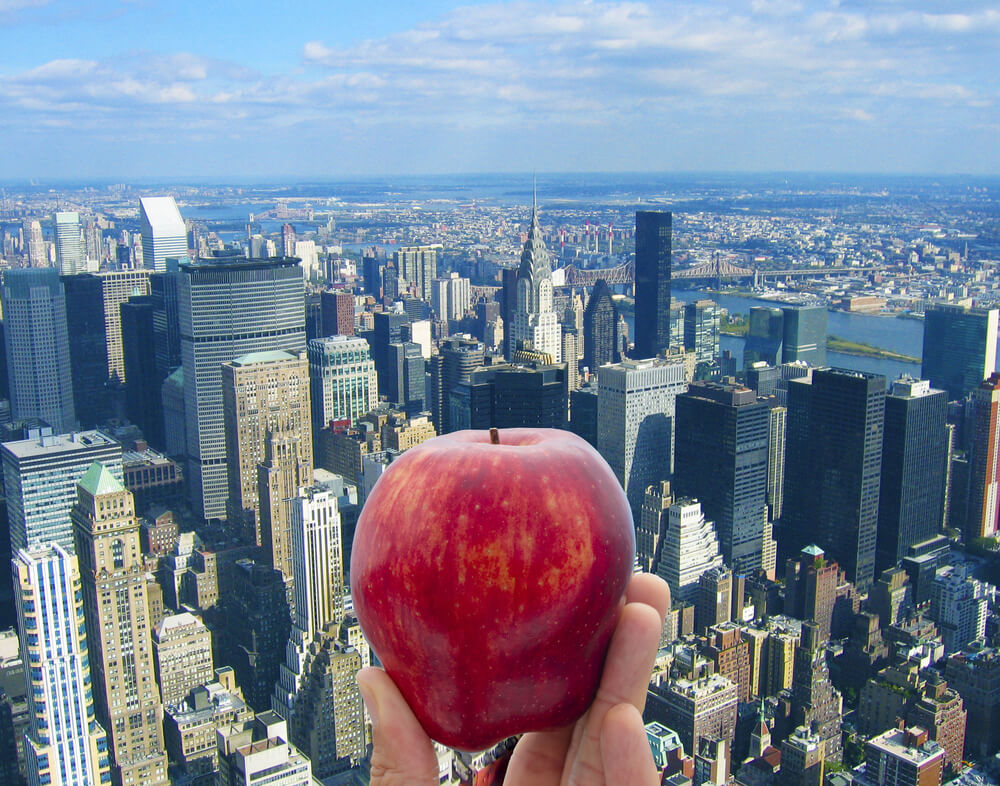
In the clubs and speakeasies of Harlem, particularly in venues like the famed Cotton Club, musicians began to refer to New York City as “The Big Apple.” For jazz artists, performing in New York was the ultimate achievement. The city offered unparalleled opportunities to showcase their talent, reach a wider audience, and gain recognition within the competitive jazz scene. Playing in New York meant you had made it; you were at the top of your game, savoring the sweet rewards of your hard work.
The Rhythmic Appeal of the Nickname
The syncopated rhythms and improvisational spirit of jazz seemed to find a natural harmony with the phrase “The Big Apple.” It was a catchy, memorable phrase that fit perfectly into the lexicon of the era. Musicians would often say, “There are many apples on the tree, but only one Big Apple,” further emphasizing New York’s unique status. This association with the flourishing jazz scene cemented “The Big Apple” in the cultural consciousness, lending it an air of sophistication and artistic cachet. The music, like the city it celebrated, was dynamic, exciting, and full of possibility.
The Modern Renaissance: Marketing and the City’s Identity
While “The Big Apple” had enjoyed periods of popularity, it was not until the latter half of the 20th century that the nickname truly became synonymous with New York City on a global scale, thanks in large part to a strategic marketing campaign.
The 1970s Tourism Campaign
In the early 1970s, New York City was facing significant economic challenges and a tarnished public image. The city’s tourism bureau, under the leadership of Charles Gillett, sought to revitalize its appeal and attract visitors. They decided to harness the existing, albeit somewhat dormant, nickname “The Big Apple.” The campaign, launched in 1971, was a masterstroke of branding. It aimed to portray New York as a vibrant, exciting, and desirable destination – a place of opportunity and great experiences, much like the sweet reward the apple represented.
Promoting Positivity and Opportunity
The “Visit New York: The Big Apple” campaign featured posters, advertisements, and promotional materials that showcased the city’s diverse attractions, from its world-class museums like the Metropolitan Museum of Art to its iconic landmarks such as the Statue of Liberty. The campaign successfully rebranded the city, shifting public perception from one of decay and danger to one of excitement and allure. The simple, universally understood imagery of an apple resonated with a broad audience, making the city appear more approachable and inviting.
A Lasting Legacy
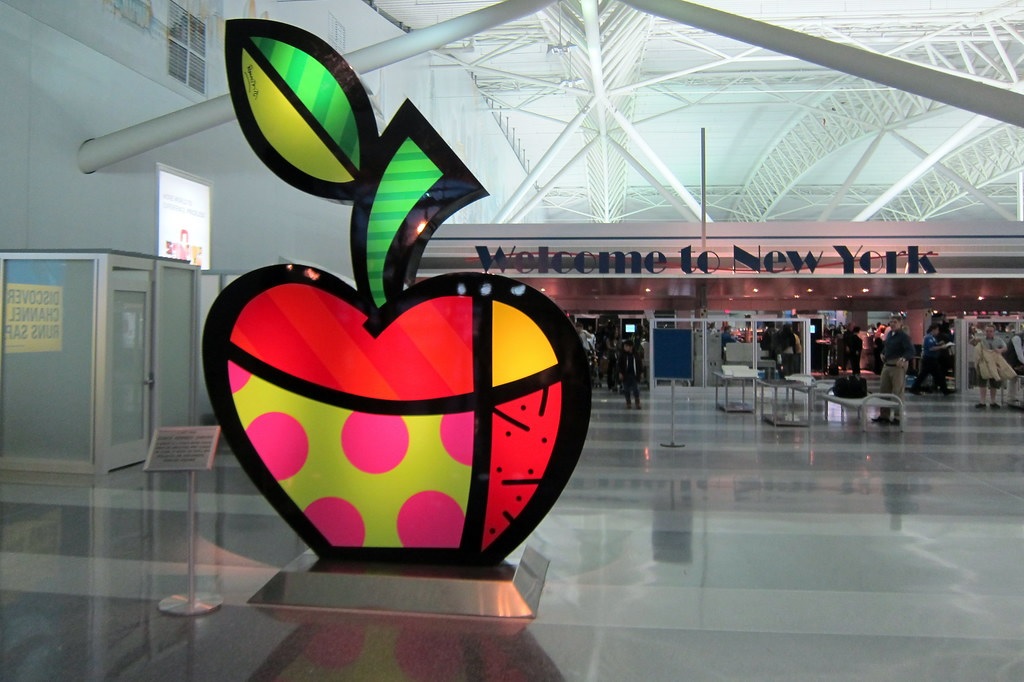
The success of the 1970s campaign was phenomenal. “The Big Apple” was no longer just a journalist’s phrase or a jazz musician’s slang; it became the official and widely recognized nickname for New York City. Today, the nickname is embedded in the city’s identity, adorning street signs, merchandise, and countless cultural references. It serves as a constant reminder of the city’s rich history, its enduring spirit of opportunity, and its status as a premier global destination. From the racetracks of old to the bright lights of Broadway, “The Big Apple” is more than just a nickname; it’s a testament to the power of language, culture, and a well-executed marketing vision to shape the perception and legacy of a legendary city.
LifeOutOfTheBox is a participant in the Amazon Services LLC Associates Program, an affiliate advertising program designed to provide a means for sites to earn advertising fees by advertising and linking to Amazon.com. Amazon, the Amazon logo, AmazonSupply, and the AmazonSupply logo are trademarks of Amazon.com, Inc. or its affiliates. As an Amazon Associate we earn affiliate commissions from qualifying purchases.