
Florida, the Sunshine State, beckons millions of travelers each year with its pristine beaches, world-class theme parks, vibrant cities, and unique natural wonders. From the magical realm of Walt Disney World Resort in Orlando to the bustling nightlife of Miami Beach, and the serene beauty of the Florida Keys, there’s an adventure for every type of visitor. Whether you’re planning a luxurious escape at a five-star resort, a family-friendly excursion to an amusement park, or a long-term stay soaking in the local culture, understanding the tax percentages in Florida is crucial for budgeting your trip effectively. Taxes can significantly impact the final cost of your accommodations, dining, shopping, and overall travel experience, making it vital for both budget travelers and luxury seekers to be informed.

Florida’s tax structure is designed to support state and local services, many of which directly benefit the tourism industry. Unlike some states, Florida does not have a state income tax, which can make it an attractive destination for long-term residents and snowbirds. However, visitors will primarily encounter sales tax and the Tourist Development Tax (TDT), often referred to as the “bed tax” or “resort tax.” Navigating these percentages can seem complex, as rates can vary depending on the county and even specific city ordinances. This comprehensive guide will break down the various tax percentages you’ll encounter in Florida, offering insights into how they affect your travel budget and providing tips for a seamless and tax-savvy Florida getaway.
Understanding Florida’s Sales Tax: What Tourists Need to Know
The most commonly encountered tax in Florida for both residents and visitors is the sales tax. This tax is applied to the sale of most goods and services purchased within the state, impacting everything from your souvenir shopping to your meals at exquisite restaurants. For travelers, understanding where and how this tax applies is fundamental to managing daily expenses.
The Statewide Standard
Florida imposes a statewide sales tax rate of 6%. This percentage is a baseline that applies across all 67 counties unless a local option sales tax is added. This 6% applies to a vast array of transactions, including:
- Retail purchases: Apparel, electronics, gifts, and souvenirs you might pick up at local boutiques in St. Augustine or shopping malls in Tampa.
- Restaurant meals and beverages: Whether you’re enjoying fresh seafood in Key West or a fine dining experience in Naples, the sales tax will be added to your bill. This also includes fast food, snacks, and drinks.
- Admissions to attractions: Tickets for theme parks like Universal Studios Florida, museums, concerts, and sporting events.
- Many services: While not all services are taxed, certain taxable services are typically encountered by tourists, such as car rentals.
It’s important to note that certain items are exempt from sales tax, most notably unprepared food items purchased at grocery stores (though prepared foods are generally taxed). Prescription medications and many medical services are also exempt, but these are less likely to impact a typical tourist’s budget directly. For those considering long-term stays, utilities like electricity and gas consumed in residential settings are generally exempt, though commercial utility use is typically taxed.
Local Variations: County Sales Taxes
In addition to the statewide 6% sales tax, many Florida counties have adopted a discretionary sales surtax, also known as a county sales tax or local option sales tax. These surtaxes are added on top of the state rate, meaning the total sales tax percentage you pay can vary significantly depending on which county you are in. These local surtaxes are typically used to fund specific local projects, such as infrastructure improvements, public safety, or school initiatives, all of which contribute to the quality of life and tourism appeal of an area.
County surtax rates range from 0.5% to 2.5%, pushing the total sales tax rate in some areas up to 7.5% or even 8.5%. For example:
- Miami-Dade County, home to bustling Miami and Miami Beach, has a 1% surtax, making the total sales tax 7%.
- Orange County, where Orlando and its major theme parks are located, also has a 1% surtax, resulting in a 7% total sales tax.
- Pinellas County, known for Clearwater Beach, has a 1.5% surtax, bringing the total sales tax to 7.5%.
- Hillsborough County, which includes Tampa and Busch Gardens Tampa Bay, also imposes a 1.5% surtax, leading to a 7.5% sales tax rate.
Before traveling, it’s wise to quickly check the specific sales tax rate for your destination county to avoid any surprises. This information is readily available on the Florida Department of Revenue website or through a quick online search for “sales tax [county name] Florida.”
The Tourist Development Tax: Your Accommodation Costs Explained
For anyone planning to stay overnight in Florida, the Tourist Development Tax (TDT), also known as the transient rental tax, resort tax, or “bed tax,” is a critical component of your accommodation costs. This tax is levied specifically on the rental of lodging establishments for six months or less and is a significant revenue source for local tourism promotion and infrastructure.
How the “Bed Tax” Works
The TDT applies to a wide range of short-term accommodations, including:
- Hotels and motels (e.g., a stay at The Breakers Palm Beach or a budget motel near Fort Lauderdale Beach).
- Resorts (e.g., a luxury suite at the Ritz-Carlton, Amelia Island).
- Vacation rentals (Villas, apartments, condos rented through platforms like Airbnb or VRBO).
- Timeshare resorts (for rentals of units, not ownership).
- Campgrounds and RV parks (for transient rentals).
The TDT is calculated as a percentage of the total rental amount, including any mandatory resort fees or amenity charges, before sales tax is applied. It is usually collected by the accommodation provider at the time of booking or check-in and then remitted to the respective county tax collector. The funds generated by the TDT are earmarked for specific purposes that directly benefit the tourism industry:
- Tourism marketing and promotion: Attracting more visitors to the county.
- Funding for tourism-related facilities: Convention centers, sports stadiums, cultural venues.
- Beach renourishment and maintenance: Protecting Florida’s most popular natural attractions.
- Infrastructure directly supporting tourism: Roads, public transportation to tourist hotspots.
This means that by paying the TDT, visitors are directly contributing to the enhancements and marketing efforts that make Florida such an appealing destination.
County-Specific TDT Rates and Their Impact
Unlike the statewide sales tax, the TDT rate is determined solely at the county level, and it can vary significantly across Florida’s diverse regions. Counties have the authority to impose a TDT rate typically ranging from 1% to 6%, with some specific exceptions or additional surcharges. The total tax on your accommodation will be the sum of the TDT and the statewide/county sales tax.
Let’s look at some examples of how TDT rates can affect your stay:
- Miami-Dade County: Imposes a 6% TDT. When combined with the 7% sales tax (6% state + 1% county), the total tax on a hotel room in Miami Beach would be 13%.
- Orange County: Also levies a 6% TDT. Thus, a hotel room in Orlando would similarly incur a total of 13% in taxes (6% TDT + 7% sales tax).
- Monroe County (Florida Keys): Has a 5% TDT. Coupled with the 7.5% sales tax (6% state + 1.5% county), a stay in Key West would have a total accommodation tax of 12.5%.
- Collier County (Naples, Marco Island): Imposes a 5% TDT. With a 6.5% sales tax (6% state + 0.5% county), the total accommodation tax in Naples would be 11.5%.
- Pinellas County: This county has a 6% TDT. Added to its 7.5% sales tax, the total tax on a rental in St. Pete Beach would be 13.5%.
The variation in TDT and sales tax rates means that the total percentage added to your nightly rate can range from approximately 10% to 14% depending on your exact location in Florida. This difference can add up significantly over a multi-night stay, especially for luxury accommodations or long-term apartment rentals. Always check the specific tax rates for your chosen county when booking to get an accurate estimate of your total costs. Many booking platforms will display these taxes as part of the “total price,” but it’s good to understand their breakdown.
Beyond Sales and Tourism: Other Taxes Affecting Your Florida Trip
While sales tax and the TDT are the primary taxes tourists encounter, a few other taxes might indirectly or directly influence your travel budget in Florida.
Fuel Taxes and Car Rentals
For many visitors, especially those exploring Florida’s expansive coastline or traveling between major cities like Jacksonville and Miami, renting a car is essential. When you fill up the tank, you’ll be paying federal and state fuel taxes embedded in the price per gallon. Florida has specific excise taxes on gasoline and diesel fuel that contribute to road maintenance and transportation infrastructure. While you won’t see this as a separate line item, it affects the overall cost of your road trip.
Additionally, car rentals themselves are subject to the standard state and local sales taxes discussed earlier. Beyond that, a surcharge on car rentals may be applied, often a state-mandated fee dedicated to transportation trust funds or specific initiatives. This fee is typically a per-day charge or a percentage of the rental cost and can vary. For instance, Florida levies a $2.00 per-day surtax on most vehicle rentals for a period of up to one year. This may not seem like much, but it adds up over a week-long rental. Always scrutinize the final quote from car rental agencies to understand all included taxes and fees.
No State Income Tax: A Unique Advantage
One of Florida’s most distinctive tax features, particularly attractive to those considering extended stays or even relocation, is the absence of a state income tax. This means individuals do not pay state taxes on their wages, salaries, or other forms of income earned in Florida. While this doesn’t directly impact the daily expenditures of a short-term tourist on vacation, it highlights the state’s broader fiscal philosophy.
For individuals exploring long-term accommodation options, perhaps for a winter escape in Sarasota or a business stay in Boca Raton, the lack of state income tax can translate into greater disposable income. This can indirectly free up more funds for local tourism activities, luxury experiences, or extended explorations of landmarks like the Kennedy Space Center Visitor Complex or the Everglades National Park. It also makes Florida a popular choice for retirees and remote workers, contributing to the state’s vibrant and diverse lifestyle offerings.
Budgeting for Your Florida Adventure: Tax-Smart Travel Tips
Understanding Florida’s tax percentages is the first step; incorporating this knowledge into your travel planning is the next. With a little foresight, you can effectively budget for your trip, minimize surprises, and even make choices that lead to savings.
Planning Ahead for Accommodation Costs
Given that the TDT and local sales taxes can add up to 14% to your accommodation bill, this is often the largest tax impact on a traveler’s budget.
- Research county rates: Before booking, identify the exact sales tax and TDT rates for your destination county. Use official county websites or the Florida Department of Revenue resources.
- Use booking platforms wisely: When comparing hotels or vacation rentals, ensure that the displayed prices clearly include all taxes and fees. Many platforms allow you to see a detailed breakdown before finalizing your booking. Be wary of prices that appear significantly lower until you see the final cost.
- Consider length of stay: The TDT applies to rentals of six months or less. If you are planning a very long-term stay, exceeding 180 days, you might be exempt from the TDT, significantly reducing costs. This is a niche scenario but important for those considering extended winter getaways or temporary relocations.
- Factor in resort fees: Beyond taxes, many resorts, especially in popular tourist areas like Orlando and South Beach, charge mandatory “resort fees” or “amenity fees.” These are typically also subject to sales tax and TDT, further increasing your total accommodation cost. Always inquire about these fees upfront. A stay at the Loews Portofino Bay Hotel at Universal Orlando Resort, for example, will have not only its room rate and taxes but also additional resort fees that are also taxed.
Shopping and Dining: Navigating Sales Tax
The statewide 6% sales tax plus county surtaxes (up to an additional 2.5%) will be added to most of your purchases.
- Budget buffer: Allocate an extra 7-8.5% for all shopping and dining expenses to account for sales tax. This helps prevent overspending your daily allowance.
- Meal planning: For budget travelers, consider purchasing unprepared food from grocery stores (which are sales tax-exempt) and utilizing kitchenettes in hotels or vacation rentals. This can lead to substantial savings compared to eating out for every meal, which incurs sales tax and often a gratuity.
- Souvenir shopping: When buying souvenirs, remember the price tag isn’t the final price. If you’re buying something significant, like artwork from the Art Deco Historic District or unique gifts, factor in the sales tax.
Leveraging Tax Information for Extended Stays
For those considering a more permanent move or an extended sabbatical in Florida, the tax landscape offers unique benefits. The absence of a state income tax means that income earned while residing in Florida (even if from out-of-state sources) is not subject to state-level income taxation. This, combined with potentially lower property taxes in some areas compared to other major states, can make Florida an attractive financial proposition for long-term living. When searching for accommodation for longer periods, understanding the differences between transient rentals and long-term leases (which are not subject to TDT) can also lead to significant savings.
Florida’s Appeal: Value Beyond the Numbers
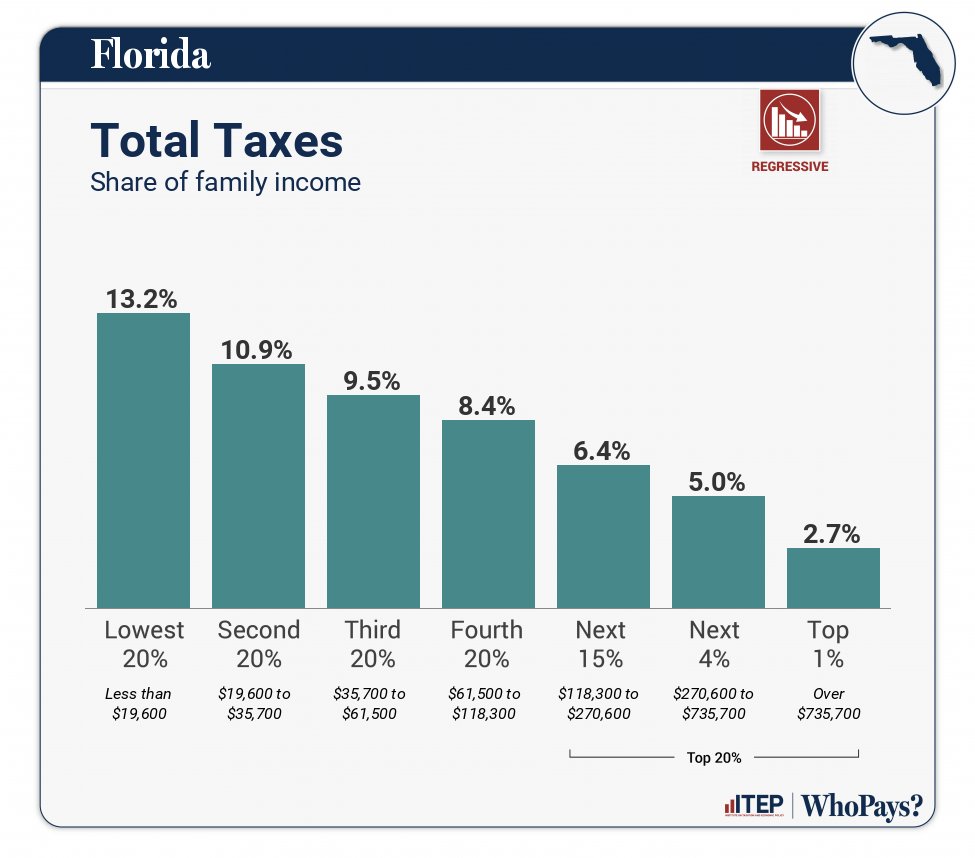
Despite the various taxes, Florida remains an incredibly popular and generally affordable travel destination, especially when compared to international travel or other highly-taxed U.S. states. The revenue collected from these taxes directly fuels the quality of the visitor experience, from well-maintained state parks and pristine beaches to world-class convention centers and effective tourism marketing that keeps new attractions coming.
The vibrant tapestry of experiences Florida offers — from the thrilling rides of SeaWorld Orlando to the tranquil beauty of the Dry Tortugas National Park and the cultural richness of Miami’s Little Havana — provides immense value. By understanding the tax percentages in Florida and planning accordingly, travelers can ensure their budget covers all costs, allowing them to fully immerse themselves in everything the Sunshine State has to offer without any unwelcome financial surprises. Whether you’re seeking luxury travel, a budget-friendly family trip, or an extended stay to enjoy the Florida lifestyle, being tax-savvy will only enhance your overall journey.
LifeOutOfTheBox is a participant in the Amazon Services LLC Associates Program, an affiliate advertising program designed to provide a means for sites to earn advertising fees by advertising and linking to Amazon.com. Amazon, the Amazon logo, AmazonSupply, and the AmazonSupply logo are trademarks of Amazon.com, Inc. or its affiliates. As an Amazon Associate we earn affiliate commissions from qualifying purchases.