
Understanding the safety landscape of any destination is a crucial part of travel planning. For those considering a visit to Tulsa, Oklahoma, this guide aims to provide a comprehensive and nuanced overview of safety considerations. While no city is entirely without its challenges, Tulsa, like many American metropolises, offers a generally safe environment for tourists and residents alike, with proactive measures in place to ensure visitor well-being. This exploration will delve into various aspects of safety, from crime statistics to local initiatives, enabling you to make informed decisions about your trip.
Understanding Tulsa’s Safety Profile
To truly assess the safety of Tulsa, it’s important to look beyond sensational headlines and examine data, community efforts, and common sense precautions that apply to any urban environment. A balanced perspective considers both reported crime rates and the lived experiences of those who navigate the city daily.

Crime Statistics and Trends
Like many cities across the United States, Tulsa experiences a range of crime, from petty theft to more serious offenses. Official crime statistics, often compiled by local law enforcement agencies and national databases, provide a quantitative snapshot. It’s essential to understand that these statistics are often broken down by geographical areas within the city and can fluctuate. When researching, look for trends over time rather than isolated incidents. Generally, violent crime rates in Tulsa, while present, are comparable to other cities of similar size and demographic makeup. Property crimes, such as car break-ins or shoplifting, are also a factor, underscoring the need for basic vigilance, as they are in most urban centers.
Perceptions vs. Reality
Perceptions of safety can sometimes be influenced by media coverage or anecdotal evidence, which may not always reflect the overall reality for the majority of visitors. Many tourists explore Tulsa’s vibrant downtown, its numerous museums, and its thriving arts district without incident. The key lies in being aware of your surroundings, particularly in less populated or poorly lit areas after dark, and taking standard precautions. For instance, walking in well-trafficked areas, avoiding displaying valuable items, and securing your vehicle are simple yet effective measures that significantly reduce risk. The safety of a city is a complex interplay of statistical data and the collective experience of its inhabitants and visitors, and in Tulsa, the positive experiences of most outweigh the negative.
Navigating Tulsa Safely: Practical Tips for Visitors
Ensuring a safe and enjoyable trip to Tulsa involves a combination of awareness, preparation, and common-sense practices. By integrating these tips into your travel plans, you can maximize your enjoyment of the city’s offerings while minimizing potential risks.
General Safety Precautions
When visiting any new city, including Tulsa, adhering to general safety guidelines is paramount. This includes being aware of your surroundings, especially in unfamiliar neighborhoods or during nighttime hours. Avoid walking alone in deserted areas late at night, and if you do, stick to well-lit and populated streets. Keep your valuables secure and out of sight, and be mindful of pickpockets in crowded tourist areas or on public transportation. If you rent a car, ensure it is always locked and parked in secure, well-lit locations. Trust your instincts; if a situation feels uncomfortable or unsafe, remove yourself from it.
Transportation Safety
Tulsa offers various transportation options, each with its own safety considerations. The Tulsa Transit bus system is a cost-effective way to get around, and while generally safe, it’s advisable to be aware of your fellow passengers and your belongings, particularly during off-peak hours. Ride-sharing services like Uber and Lyft are widely available and offer a convenient and relatively safe alternative. Always verify the driver and vehicle match the information in the app before getting in. If you’re driving your own vehicle or a rental, familiarize yourself with the city’s layout and traffic laws. GPS navigation is highly recommended, especially if you’re unfamiliar with the area. For those exploring the downtown core, many attractions are within walking distance, making pedestrian travel a safe and enjoyable option during daylight hours.
Emergency Preparedness

In the unlikely event of an emergency, knowing how to get help is vital. The primary emergency number in Tulsa, as in the rest of the United States, is 911. This number connects you to police, fire, and medical services. It’s a good practice to save local police department non-emergency numbers in your phone as well, for situations that don’t require immediate 911 response. Familiarize yourself with the general location of your accommodation and any major landmarks you plan to visit, as this information can be crucial if you need to direct emergency responders. Most hotels and accommodations will have staff available to assist with local safety information or concerns.
Exploring Tulsa’s Safe and Welcoming Districts
Tulsa is a city characterized by distinct neighborhoods, each offering unique experiences. Many of these areas are not only points of interest but are also recognized for their welcoming atmosphere and relative safety for visitors engaging in typical tourist activities.
The Tulsa Arts District
The Tulsa Arts District, formerly known as the Brady Arts District, is a vibrant hub for culture, entertainment, and dining. This revitalized area buzzes with activity, particularly on evenings and weekends, with numerous art galleries, performance venues, restaurants, and bars. During operating hours and peak times, the district is generally considered safe and lively, attracting a diverse crowd. Visitors can enjoy street art, live music, and a wide array of culinary delights. As with any entertainment district, it’s prudent to remain aware of your surroundings, especially as the night progresses and crowds may disperse, but the general atmosphere is one of a thriving urban destination.
Downtown Tulsa and the Brady Theater Area
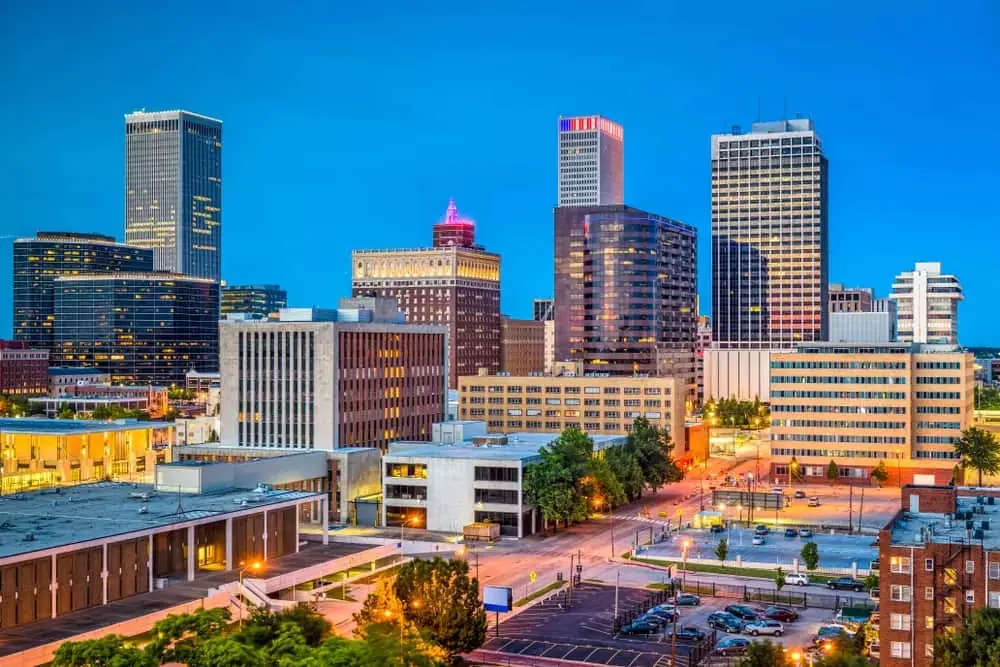
Downtown Tulsa is the city’s central business district and home to many significant landmarks and attractions. Areas like the Brady Theater and the surrounding downtown streets are often patrolled and are active during business hours and for evening events. Visitors can explore architectural gems, enjoy a meal, or catch a show. During the day, downtown is a bustling commercial center and poses no significant safety concerns. As with any downtown area, some streets may become quieter after business hours, so sticking to well-lit areas and venues hosting events is advisable. The presence of numerous hotels in the downtown area also means a consistent flow of people and visibility.
Other Notable and Safe Areas
Beyond the Arts District and Downtown, several other areas in Tulsa offer unique attractions and are generally considered safe for visitors. The Gathering Place, a sprawling urban park, is a highly acclaimed and family-friendly destination that is actively managed and well-patrolled, offering a secure environment for recreation. The Philbrook Museum of Art and the Sherwin Miller Museum of Jewish Art are located in beautiful surroundings and are safe havens for art and history enthusiasts. The Brookside area, known for its boutiques and restaurants, also generally maintains a safe and welcoming ambiance, particularly during its active hours. When exploring residential neighborhoods or less commercial areas, it’s always wise to maintain the same level of awareness as you would in any unfamiliar territory.
Community Efforts and Visitor Resources
Tulsa’s commitment to safety extends beyond law enforcement, encompassing community-driven initiatives and accessible resources designed to support both residents and visitors. These collaborative efforts contribute significantly to the overall security and positive experience of those exploring the city.
Local Law Enforcement and Safety Initiatives
The Tulsa Police Department plays a crucial role in maintaining public safety. The department actively engages in community policing efforts, aiming to build trust and foster collaboration with residents and visitors. You may see a visible police presence in key tourist areas and during special events, which serves as a deterrent and provides immediate assistance if needed. Furthermore, city officials and various community organizations work together on initiatives aimed at crime prevention and improving public spaces. Awareness campaigns, neighborhood watch programs, and community forums all contribute to a safer urban environment.
Tourist Information and Support
For visitors, local tourism boards and visitor centers are invaluable resources for safety information and general guidance. The Visit Tulsa organization, for instance, provides a wealth of information on attractions, events, and practical tips for navigating the city. They can offer advice on safe areas to explore, transportation options, and emergency procedures. Many hotels also provide concierge services that can offer personalized recommendations and address any safety concerns you might have. By utilizing these resources, visitors can gain a deeper understanding of Tulsa’s safety landscape and feel more confident during their stay. Ultimately, Tulsa strives to be a welcoming and secure destination, and by combining personal vigilance with the support systems in place, visitors can look forward to a memorable and safe experience.
LifeOutOfTheBox is a participant in the Amazon Services LLC Associates Program, an affiliate advertising program designed to provide a means for sites to earn advertising fees by advertising and linking to Amazon.com. Amazon, the Amazon logo, AmazonSupply, and the AmazonSupply logo are trademarks of Amazon.com, Inc. or its affiliates. As an Amazon Associate we earn affiliate commissions from qualifying purchases.