
Seattle, a jewel of the Pacific Northwest, is more than just a city of misty mornings, vibrant coffee culture, and towering evergreen trees. It is a dynamic urban center whose heartbeat is intricately tied to its ever-evolving population. For anyone planning to visit, considering a long-term stay, or simply curious about what makes this city tick, understanding Seattle’s demographic landscape is crucial. From the bustling streets surrounding Pike Place Market to the innovation hubs of South Lake Union, the number and diversity of its residents shape everything from the local culture and culinary scene to the availability of accommodation and the flow of daily life.

The story of Seattle’s population is one of rapid growth, technological booms, and a continuous influx of diverse individuals seeking opportunity and a unique lifestyle. This growth has transformed the city from a regional timber and shipbuilding hub into a global tech powerhouse, bringing with it both prosperity and challenges. Our exploration delves into the current figures, historical trends, and the profound impact these demographic shifts have on the city’s economy, lifestyle, and its thriving tourism sector. Whether you’re a first-time traveler planning your itinerary, a seasoned visitor seeking new experiences, or considering making Seattle your next home, gaining insight into its population provides a fundamental understanding of this remarkable Washington state metropolis.
Seattle’s Population: A Snapshot and Historical Growth
Understanding the current population figures for Seattle provides the bedrock for appreciating its vibrant character and the intricate dynamics that shape it. As of recent estimates (typically from the United States Census Bureau and projections), the city of Seattle proper hovers around 750,000 residents. While this number might seem modest compared to global megacities, it represents a significant concentration of people within a distinct geographical area, contributing to its urban density and energetic atmosphere. When considering the broader metropolitan area, which includes surrounding cities and suburbs like Bellevue, Everett, and Tacoma, the population swells to over 4 million, highlighting Seattle’s role as the economic and cultural engine of a much larger region.
This population isn’t static; it’s a living, breathing entity that has seen dramatic shifts over the decades. Seattle has consistently been one of the fastest-growing major cities in the United States, particularly since the turn of the 21st century. This growth trajectory is not merely a statistical anomaly but a reflection of the city’s magnetic appeal, driven by a robust economy, stunning natural beauty, and a progressive culture.
Current Demographics and Density
The demographic makeup of Seattle is as diverse and dynamic as its landscape. While predominantly white, the city boasts a significant Asian population, along with growing Black, Hispanic, and multi-racial communities, contributing to a rich tapestry of cultures, languages, and traditions. This diversity is evident in Seattle’s culinary scene, its numerous cultural festivals, and the varied perspectives that shape public discourse. The median age tends to be younger than the national average, attracting a highly educated and skilled workforce drawn to the numerous opportunities in tech, aerospace, and healthcare. This youthful demographic contributes to a vibrant nightlife, a thriving startup culture, and a palpable sense of innovation that permeates the city.
In terms of density, Seattle’s relatively compact urban core means that its nearly three-quarters of a million residents are concentrated in an area that leads to a lively, walkable city center. This density is a double-edged sword: it fosters a strong sense of community and provides easy access to amenities and public transport, but it also places considerable pressure on infrastructure, housing, and green spaces. For travelers, this means a bustling experience, with many attractions and amenities within close reach, but also a need to plan for potentially crowded popular sites, especially during peak tourist seasons. The push for smarter urban planning and efficient public transit systems, like the Link light rail, is a direct response to managing this density and ensuring a high quality of life for residents and visitors alike.
The Boomtown Phenomenon: Tech-Driven Growth
Seattle’s current population figures are inextricably linked to its “boomtown” narrative, primarily fueled by the explosive growth of the technology sector. For decades, Seattle was known for aviation and timber, but the late 20th and early 21st centuries saw the rise of global tech giants establishing massive campuses and headquarters here. This created a powerful magnet for talent from across the United States and around the world, resulting in unprecedented population surges.
This tech boom transformed dormant industrial areas into glittering new neighborhoods like South Lake Union, now a hub of innovation and modern architecture. The promise of high-paying jobs, coupled with Seattle’s appealing lifestyle, attracted a steady stream of young professionals, engineers, and entrepreneurs. This influx didn’t just add numbers; it reshaped the city’s demographics, increasing its median income, educational attainment levels, and cultural diversity. However, this rapid growth also brought challenges, most notably skyrocketing housing costs and increased traffic congestion, issues that the city continues to grapple with as it strives for sustainable expansion.
Impact on Urban Development and Infrastructure
The rapid population growth experienced by Seattle has had a profound and visible impact on its urban development and infrastructure. The skyline has been dramatically transformed, with new high-rises dotting the downtown core, expanding into previously low-rise districts. Areas like Belltown and South Lake Union have seen an explosion of residential towers, mixed-use developments, and commercial spaces. This vertical growth is a direct response to the need to accommodate more people within a limited geographic footprint.
Beyond the visible changes, Seattle has invested heavily in upgrading its infrastructure. The expansion of public transit, including the Link light rail system connecting the airport, downtown, and various neighborhoods, is critical in mitigating traffic and promoting sustainable urban mobility. Redevelopment projects aim to modernize public spaces, create new parks, and improve walkability. However, the pace of population growth often outstrips the pace of infrastructure development, leading to ongoing challenges in areas like transportation, affordable housing, and access to essential services. For visitors, this means encountering a city constantly under construction, but also one that is relentlessly striving to improve its livability and accessibility, making for a perpetually evolving travel experience.
The Interplay of Population and Seattle’s Lifestyle & Economy
Seattle’s population is not just a statistic; it’s the very fabric that weaves together the city’s unique lifestyle and powers its formidable economy. The characteristics of its residents—their skills, interests, and demands—directly influence everything from the types of businesses that thrive to the cultural experiences available and the very cost of living. Understanding this interplay offers deeper insight into what it’s truly like to live in, work in, or visit this dynamic Pacific Northwest hub. The city’s growth, particularly in recent decades, has profoundly reshaped its identity, fostering both opportunities and significant challenges that define the modern Seattle experience.
Economic Drivers and Job Market
The economic engine of Seattle is largely driven by its highly educated and skilled population, particularly within the tech, aerospace, and healthcare sectors. The presence of global innovators has created a robust job market that continues to attract talent from all corners of the world. This consistent influx of skilled workers fuels further economic expansion, creating a virtuous cycle of growth. However, this success comes with a caveat: the cost of living in Seattle is notoriously high, placing it among the most expensive cities in the United States. Housing, in particular, demands a significant portion of income, a direct consequence of high demand from a growing population outstripping supply.
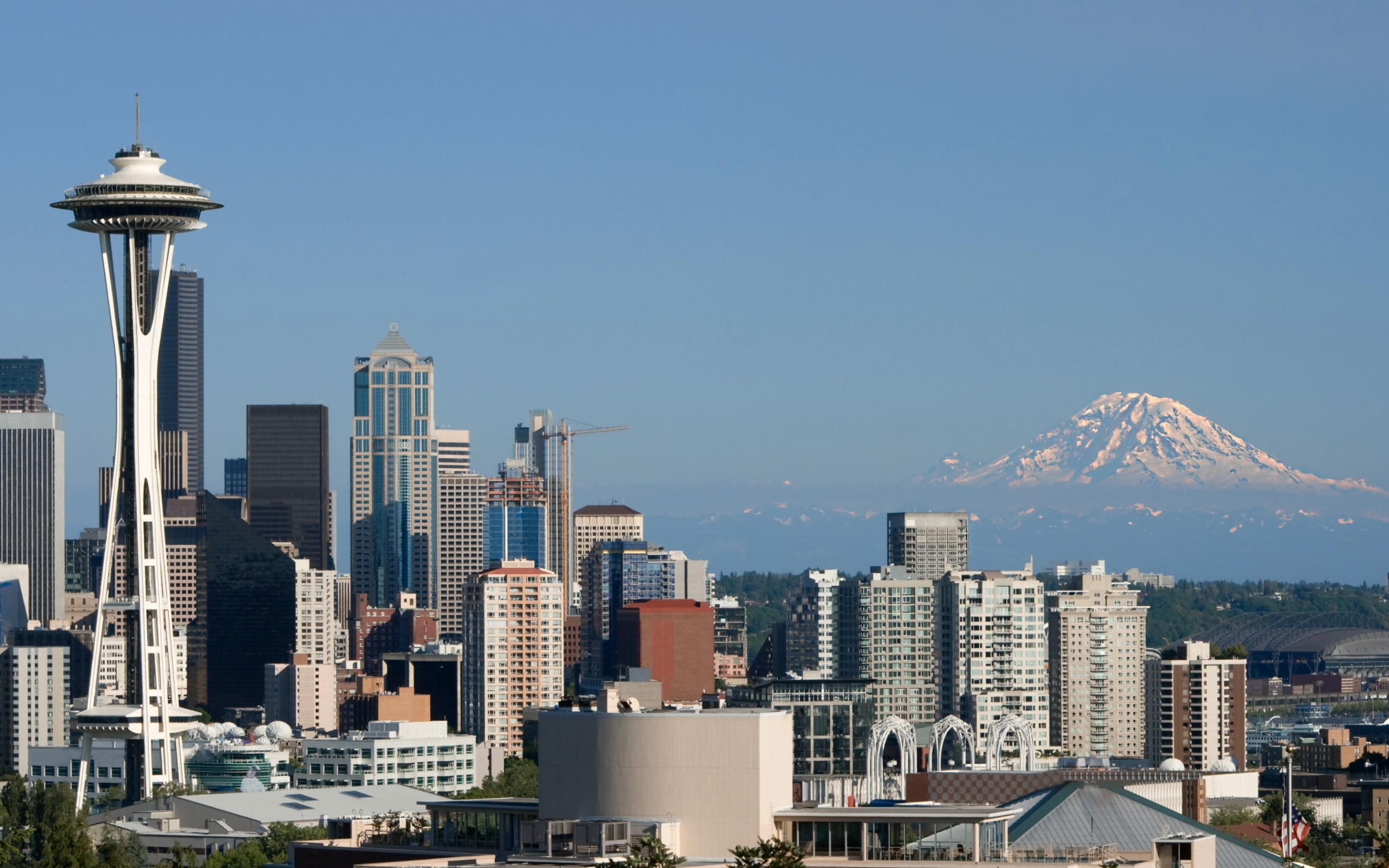
For individuals considering relocation, the strong job market is a major draw, offering competitive salaries and diverse opportunities. For travelers, this economic prosperity translates into a city with excellent services, diverse dining options, and a wide array of entertainment, from world-class museums like the Museum of Pop Culture to bustling nightlife in Capitol Hill. The city’s economic vitality ensures a constant state of innovation and development, which keeps Seattle exciting and forward-looking, but also contributes to its bustling, often fast-paced atmosphere.
Cultural Diversity and Lifestyle
The demographic composition of Seattle directly contributes to its rich cultural tapestry and distinctive lifestyle. As people from various backgrounds settle in the city, they bring with them their traditions, cuisines, and artistic expressions, which are integrated into the city’s identity. This diversity is palpable in neighborhoods like the International District, where a fusion of Asian cultures creates a vibrant hub of food, shops, and community events. Fremont maintains its quirky, independent spirit, while Ballard celebrates its Nordic heritage alongside modern breweries and boutiques.
Seattle’s lifestyle is often characterized by a strong appreciation for the outdoors, a casual sensibility, and an enduring coffee culture. The proximity to natural wonders like Puget Sound, the Olympic Mountains, and the Cascade Range means that hiking, kayaking on Lake Union, and skiing on nearby Mount Rainier are popular pastimes, even among a dense urban population. The city’s progressive values are also deeply ingrained in its lifestyle, promoting environmental consciousness, social equity, and a strong sense of community engagement. This unique blend of urban sophistication and outdoor adventure makes Seattle a compelling destination for those seeking a balance of city life and natural escapes.
Housing and Accommodation Challenges
The significant population growth in Seattle has undeniably strained its housing and accommodation markets, presenting challenges for both long-term residents and short-term visitors. The demand for housing far outpaces supply, leading to some of the highest rental and purchase prices in the United States. This housing crisis affects the city’s diverse workforce, making it difficult for many to live within city limits, often pushing them to surrounding suburbs.
For travelers, this translates into higher accommodation costs and a need for advance planning, especially during peak tourist seasons. While Seattle offers a range of options, from luxury establishments like the Fairmont Olympic Hotel and Four Seasons Hotel Seattle to more budget-friendly boutique hotels and short-term rentals, prices can be steep. Even large hotels like the Hyatt Regency Seattle reflect the market’s demand. The city is actively working on solutions, including increasing density, investing in affordable housing initiatives, and improving transit to make commutes from more affordable areas feasible. These efforts aim to preserve Seattle’s accessibility and ensure that its growth doesn’t exclude the very people who contribute to its vibrant character, making it an attractive place for all types of stays.
Population Dynamics and the Tourism Landscape
The dynamic population of Seattle plays a pivotal role in shaping its tourism landscape. A growing resident base influences everything from the infrastructure available for visitors to the authenticity of local experiences and the very capacity of popular attractions. As Seattle continues to attract new residents, the city’s offerings diversify and evolve, presenting both opportunities and considerations for those looking to explore its charms. Understanding these dynamics is essential for any travel enthusiast planning a trip to this iconic Washington state destination, ensuring a more informed and enjoyable experience.
Visitor Experience and Infrastructure
The sheer volume of residents in Seattle directly impacts the visitor experience, primarily through the lens of crowds and infrastructure. Popular attractions like the Space Needle, Pike Place Market, and Chihuly Garden and Glass can become very busy, particularly during weekends, holidays, and the summer months. This density necessitates strategic planning for tourists, such as purchasing tickets in advance, visiting during off-peak hours, or exploring lesser-known gems.
On the infrastructure side, the city’s efforts to accommodate its growing population also benefit tourists. The expanding public transit system, including buses and the light rail, offers efficient ways to navigate the city, reducing reliance on personal vehicles in often congested areas. The constant development of new hotels, restaurants, and entertainment venues caters to both residents and visitors, enriching Seattle’s overall appeal. However, visitors should be prepared for typical urban challenges like traffic and occasional construction, which are part and parcel of a thriving, growing city. The vibrant energy derived from its large population ensures there’s always something happening, from live music to street festivals, adding an authentic buzz to the visitor’s journey.
Emerging Neighborhoods for Exploration
One of the most exciting aspects of Seattle’s population growth is the continuous emergence and revitalization of its diverse neighborhoods. As the city expands, once-quiet districts transform into vibrant hubs, offering unique experiences beyond the traditional tourist trails. While areas like Pioneer Square and Queen Anne remain iconic, newer hotspots like Fremont (known for its quirky art and independent spirit), Ballard (with its historic locks and booming brewery scene), and Capitol Hill (the epicenter of Seattle’s nightlife and LGBTQ+ culture) provide fresh perspectives for exploration.
These neighborhoods, fueled by the influx of residents seeking community and character, boast an authentic local flair. They offer unique boutiques, innovative eateries, cozy coffee shops, and community parks like Discovery Park or Kerry Park that showcase stunning views. For the discerning traveler, venturing into these areas provides a deeper understanding of Seattle’s diverse culture and lifestyle, moving beyond the well-trodden paths to discover hidden gems and interact with local communities. This decentralized urban exploration is a direct benefit of the city’s population spreading out and cultivating new cultural centers.

Sustainable Tourism and Future Outlook
Looking ahead, Seattle’s population dynamics will continue to shape its future, particularly concerning sustainable tourism. As the city grows, there’s an increasing emphasis on balancing economic development with environmental preservation and maintaining the high quality of life that attracts people in the first place. Initiatives to promote public transit, encourage eco-friendly practices in hotels and attractions, and manage visitor flow at popular sites are crucial for ensuring Seattle remains an attractive destination for generations to come.
Forecasts suggest that Seattle’s population will continue its upward trend, albeit potentially at a more moderate pace than the rapid booms of the past two decades. This sustained growth will undoubtedly lead to further urban development, continued innovation, and an even richer cultural landscape. For visitors, this means a perpetually evolving city, always offering something new to discover. The city’s commitment to sustainability, coupled with its vibrant and diverse population, positions Seattle as a forward-thinking destination that seamlessly blends urban sophistication with a deep reverence for nature, making it an enduring magnet for travelers worldwide.
Seattle’s population is far more than a statistic; it is the living narrative of a city in constant motion, a testament to its magnetic appeal and enduring spirit. From the rapid growth fueled by tech innovation to the rich tapestry of cultures that define its neighborhoods, the residents of Seattle imbue the city with its unique character. This dynamic population directly influences everything from the bustling local economy and diverse lifestyle to the vibrant tourism landscape and the ongoing challenges of urban development and accommodation.
For travelers and those considering a longer stay, understanding these demographic currents offers invaluable insight. It explains the city’s energetic pace, its high cost of living, the density of its popular attractions, and the continuous emergence of new cultural hubs. Seattle is a city that thrives on change, propelled by its people, yet remains deeply connected to its natural surroundings. As it continues to grow and evolve, Seattle promises a travel experience that is as dynamic and captivating as its population itself, offering endless opportunities for discovery, adventure, and connection in this iconic Pacific Northwest gem.
LifeOutOfTheBox is a participant in the Amazon Services LLC Associates Program, an affiliate advertising program designed to provide a means for sites to earn advertising fees by advertising and linking to Amazon.com. Amazon, the Amazon logo, AmazonSupply, and the AmazonSupply logo are trademarks of Amazon.com, Inc. or its affiliates. As an Amazon Associate we earn affiliate commissions from qualifying purchases.