
The quest to identify a state’s official emblem is often a journey into its natural heritage, its history, and the values it holds dear. For the Beaver State, this journey leads us to a delicate yet resilient bloom that embodies the very spirit of Oregon. The answer to “What Is The State Flower Of Oregon?” is none other than the Oregon-grape, specifically Mahonia aquifolium, a plant that graces the landscapes of the Pacific Northwest with its vibrant colors and enduring presence. This article delves into the significance of the Oregon-grape, its botanical characteristics, its historical adoption, and its enduring place in the hearts and minds of Oregonians, connecting it to the broader tapestry of Oregon tourism and its natural allure.
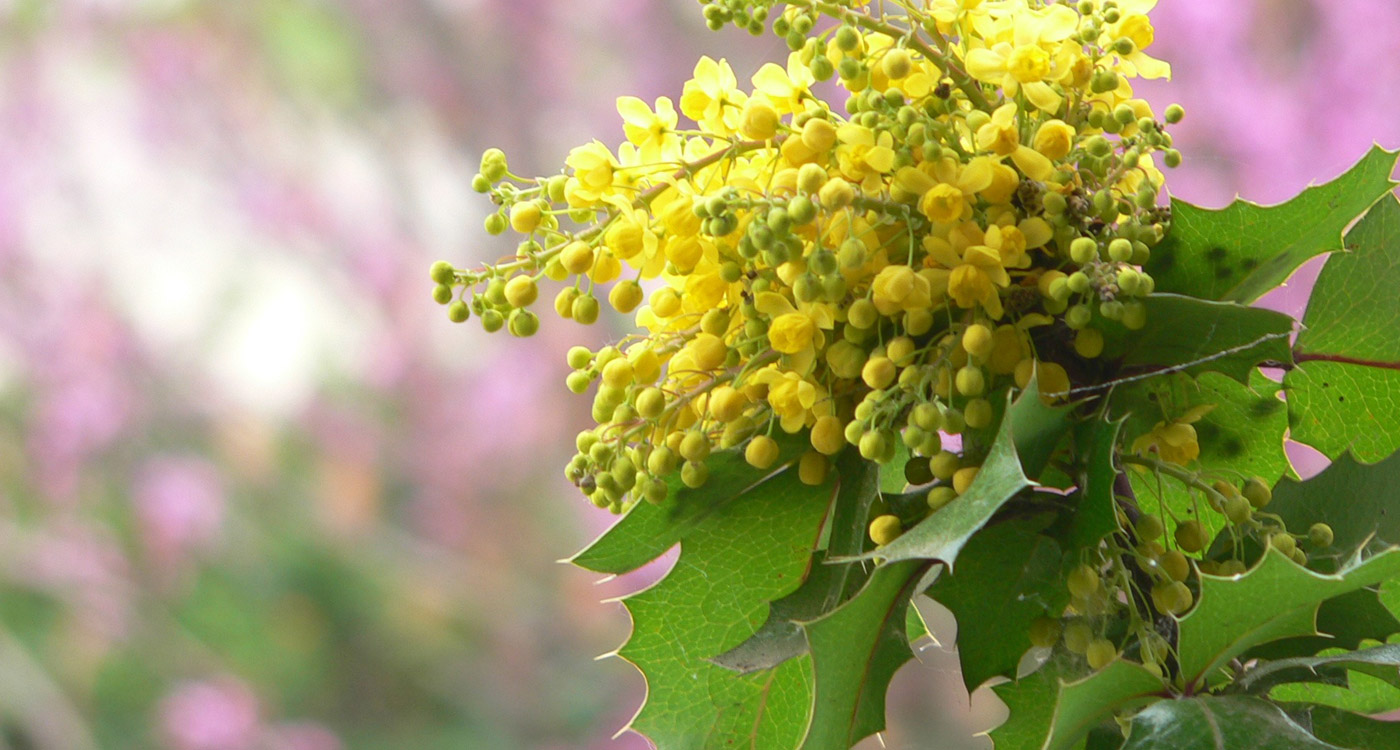
The Majestic Oregon-Grape: A Symbol of Resilience and Beauty
The Oregon-grape is far more than just a pretty flower; it is a botanical marvel deeply interwoven with the identity of its namesake state. Its selection as the state flower was not a fleeting decision but a deliberate recognition of its widespread distribution, striking appearance, and ecological importance within Oregon’s diverse ecosystems.
Botanical Characteristics and Habitat
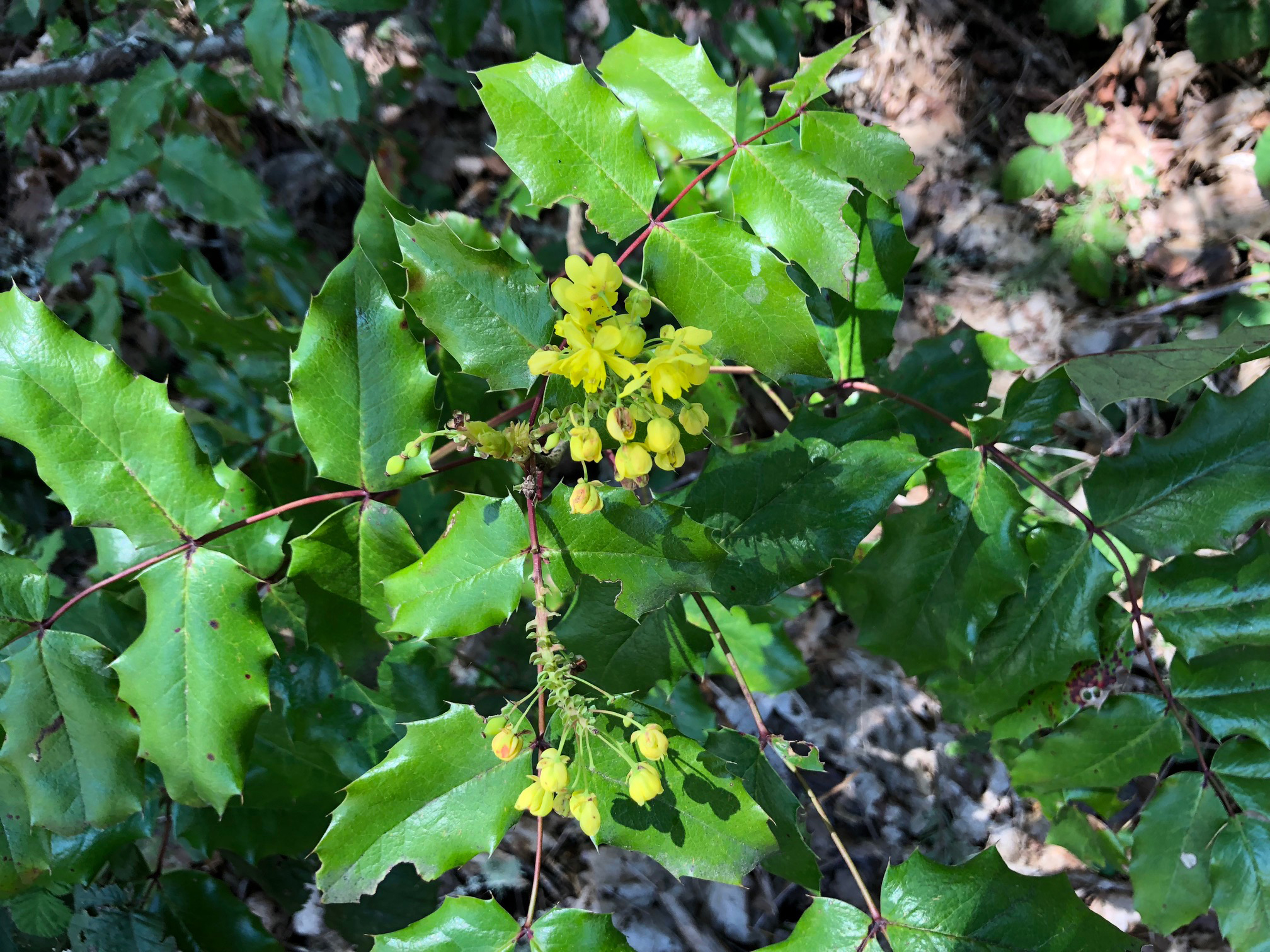
Mahonia aquifolium, commonly known as the Oregon-grape, is an evergreen shrub belonging to the Berberidaceae family. It is characterized by its glossy, holly-like leaves, which are typically compound and have spiny margins, providing excellent defense against herbivores. The plant’s most striking feature, however, emerges in the spring and early summer: clusters of bright yellow, bell-shaped flowers. These flowers are not only visually appealing but also emit a sweet fragrance, attracting a multitude of pollinators, including bees and butterflies, which are vital for the health of local ecosystems.
Following the blooming period, the Oregon-grape produces clusters of small, dark blue to purplish-black berries. These berries, while edible, are quite tart and are often used to make jellies, jams, and even wine. Historically, Native American tribes of the Pacific Northwest utilized the roots and bark of the Oregon-grape for medicinal purposes, recognizing its astringent and antiseptic properties. The plant thrives in a variety of habitats across Oregon, from the dense forests of the Cascade Mountains to the drier foothills and coastal regions. Its adaptability allows it to flourish in partial shade to full sun, making it a ubiquitous presence throughout the state, a constant reminder of Oregon’s rich natural heritage.
Ecological Significance
The Oregon-grape plays a crucial role in the ecological balance of Oregon. Its flowers provide an early food source for pollinators at a time when other nectar-rich plants may not yet be in bloom, making it a keystone species for many insect populations. The berries, in turn, offer sustenance to a wide array of wildlife, including birds, small mammals, and even bears, especially during the late summer and fall months. This consistent provision of food and habitat underscores the plant’s importance in supporting the biodiversity that makes Oregon such a captivating destination for nature enthusiasts. For visitors exploring the scenic beauty of the Crater Lake National Park or the lush forests along the Columbia River Gorge, the sight of the Oregon-grape in bloom or bearing fruit is a common and welcome one.
A Floral Designation: The History and Adoption of the Oregon-Grape

The journey of the Oregon-grape from a wild shrub to an official state symbol is a testament to its deeply embedded presence in the regional identity. Its designation as the state flower was a process that involved public sentiment and legislative action, culminating in a choice that resonated with the state’s natural character.
Public Sentiment and Early Recognition
The widespread natural occurrence of the Oregon-grape throughout the state led to its informal recognition as a symbol of Oregon long before it was officially adopted. Garden clubs and citizens alike championed the plant, appreciating its year-round visual appeal. The vibrant yellow flowers in spring and the attractive evergreen foliage throughout the year made it a beloved feature in both wild landscapes and cultivated gardens. This groundswell of public appreciation laid the foundation for its eventual formal designation.
Legislative Adoption
The formal adoption of the Oregon-grape as the state flower occurred in 1899, a significant year for Oregon’s symbolic representation. The state legislature, responding to the clear public preference, officially designated Mahonia aquifolium as the state flower. This act cemented its status, ensuring that this hardy shrub would forever be linked with the identity of Oregon in official capacities and in the collective consciousness of its residents and visitors. The decision reflected a desire to honor the natural beauty and botanical richness that define the state, a sentiment that continues to drive tourism and appreciation for Oregon’s landscapes today.
Beyond the Bloom: The Oregon-Grape’s Enduring Significance
The Oregon-grape’s role as the state flower extends beyond its botanical and historical significance; it embodies a spirit that resonates with the essence of Oregon itself. Its presence is a constant reminder of the state’s natural heritage, its resilience, and its enduring beauty, making it a focal point for understanding local culture and natural attractions.
A Symbol of Oregon’s Natural Character
The Oregon-grape is emblematic of Oregon’s diverse and thriving natural environment. Its ability to grow in varied conditions, from the damp coastal forests to the more arid inland areas, mirrors the state’s own geographical diversity. The striking yellow of its flowers offers a burst of color that contrasts beautifully with the verdant greens of its foliage and the often-misty skies of the region, a visual metaphor for the vibrant spirit of the state. For visitors exploring the popular destinations like Portland or the rugged coastline, the sighting of the Oregon-grape serves as an immediate connection to the local flora and the unique ecosystem that defines the region. It is a subtle yet constant reminder of the natural wonders that draw so many to explore Oregon.
Cultural and Tourism Relevance
The Oregon-grape’s status as the state flower subtly influences the cultural landscape and tourism of Oregon. It is frequently incorporated into local art, crafts, and branding, becoming an easily recognizable symbol of the state. For those interested in Oregon tourism, understanding the state flower offers a deeper appreciation of the natural elements that shape local identity and appeal. Tourists visiting during the spring months might find themselves seeking out the best locations to witness the Oregon-grape in full bloom, adding a unique botanical quest to their travel itinerary. Local guides and tourism initiatives often highlight the plant as a key feature of the state’s natural attractions, encouraging visitors to connect with the environment on a more profound level. The presence of the Oregon-grape in parks, botanical gardens, and even along scenic drives enhances the visitor experience, providing a tangible link to the essence of Oregon and its cherished natural heritage. Its enduring appeal ensures its place as a beloved emblem, both a botanical treasure and a proud symbol of the Beaver State.
LifeOutOfTheBox is a participant in the Amazon Services LLC Associates Program, an affiliate advertising program designed to provide a means for sites to earn advertising fees by advertising and linking to Amazon.com. Amazon, the Amazon logo, AmazonSupply, and the AmazonSupply logo are trademarks of Amazon.com, Inc. or its affiliates. As an Amazon Associate we earn affiliate commissions from qualifying purchases.