
Embarking on a journey from the bustling metropolis of New York to the historical and cultural heart of Italy is a dream for many. Whether you’re planning a romantic getaway to Rome, a fashion-forward trip to Milan, or a scenic adventure along the Amalfi Coast, understanding the logistics of your flight is the first step. The transatlantic flight is a significant part of the travel experience, dictating not only your arrival time but also how you plan your itinerary and manage potential jet lag.
The direct flight duration from New York City to major Italian cities typically ranges from 7.5 to 9 hours. However, this is merely a baseline. The total travel time can vary significantly based on a multitude of factors, including your specific departure and arrival airports, whether you opt for a direct or connecting flight, the airline you choose, prevailing wind conditions, and even the time of year. This comprehensive guide will delve into all these elements, providing you with a clear picture of what to expect when flying from New York to Italy, alongside practical tips to make your journey as smooth and enjoyable as possible.
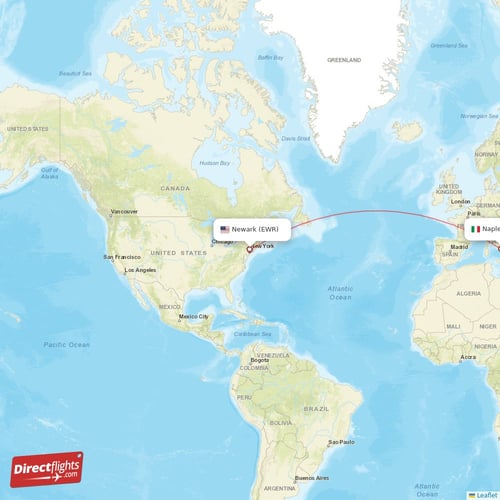
Understanding the Transatlantic Journey
The journey across the Atlantic Ocean is a long-haul flight that requires careful consideration. Unlike shorter domestic trips, transatlantic flights are subject to unique variables that influence their duration. Knowing these factors can help you make informed decisions when booking your tickets and preparing for departure.
Direct Flights vs. Layover Flights: A Time-Cost Analysis
The most straightforward way to fly from New York to Italy is by taking a direct flight. These flights typically depart from John F. Kennedy International Airport (JFK Airport) or Newark Liberty International Airport (EWR) and land in major Italian hubs like Leonardo da Vinci–Fiumicino Airport (FCO) in Rome or Malpensa Airport (MXP) in Milan. A direct flight offers the quickest travel time, minimizing the hassle of transfers and potential delays. For many travelers, the premium paid for a direct flight is well worth the convenience and time saved, especially when traveling with family or on a tight schedule.
Conversely, flights with one or more layovers can significantly extend your travel time but often come at a lower cost. These flights typically connect through major European cities such as London (Heathrow Airport – LHR), Paris (Charles de Gaulle Airport – CDG), Frankfurt (Frankfurt Airport – FRA), or Amsterdam (Schiphol Airport – AMS). While a layover can add anywhere from 3 to 10+ hours to your journey, it can be an attractive option for budget-conscious travelers or those who don’t mind a brief stopover. Some travelers even intentionally choose longer layovers to briefly explore an additional city, transforming a simple transit into a mini-adventure, aligning with the broader appeal of diverse Travel Experiences.
Factors Influencing Flight Duration
Beyond the direct vs. layover choice, several other elements play a crucial role in how long your flight from New York to Italy will actually take:
- Specific Destination in Italy: Italy is a long country, stretching from the Alps in the north to the heel of the boot in the south. Flying to Milan (northern Italy) will naturally be slightly shorter than flying to Rome (central Italy), and significantly shorter than flying to a southern city like Naples (Naples International Airport – NAP) or Palermo (Palermo Airport – PMO), which typically require connecting flights.
- Airline and Aircraft Type: Different airlines operate varying aircraft models, each with different cruising speeds and capabilities. Newer, more fuel-efficient planes like the Boeing 787 Dreamliner or the Airbus A350 might offer slightly faster journey times due to their advanced aerodynamics and efficient flight paths. Airlines such as Delta Air Lines, United Airlines, American Airlines, and ITA Airways are common carriers on this route.
- Wind Conditions (Jet Stream): The Atlantic Ocean is home to powerful jet streams, strong currents of air that flow from west to east. Eastbound flights (from New York to Italy) often benefit from these tailwinds, reducing flight duration by 30 minutes to an hour. Conversely, westbound flights (from Italy to New York) might face headwinds, slightly extending the journey.
- Air Traffic Control and Route Optimization: While less impactful on transatlantic segments, air traffic control decisions and chosen flight paths can cause minor variations. Airlines constantly optimize routes for fuel efficiency and to avoid adverse weather, which can slightly alter flight times.
- Seasonality: While not directly affecting flight duration, the season can influence the availability of direct flights and the overall demand, which in turn impacts pricing and scheduling, making certain routes more or less appealing.
Typical Flight Durations to Major Italian Cities
To provide a more concrete understanding, let’s break down the expected flight times to Italy’s most popular gateway cities. These estimates are based on flights departing from JFK Airport or EWR.
Flights to Rome (FCO)
Rome, the Eternal City, is a primary destination for travelers from New York. It’s a hub for history, art, and the Local Culture of Italy, with iconic Landmarks such as the Colosseum and Vatican City.
- Direct Flights: A direct flight from New York to Rome Fiumicino Airport (FCO) typically takes between 8 hours and 30 minutes to 9 hours and 30 minutes. This is the fastest way to reach the Italian capital. Major airlines offering direct routes include Delta Air Lines, United Airlines, American Airlines, and ITA Airways.
- One-Stop Flights: For those opting for a layover, the total travel time can range from 11 to 15 hours, depending on the layover duration and the connecting city. Common connection points are London Heathrow, Paris Charles de Gaulle, and Frankfurt.
Flights to Milan (MXP)
Milan, Italy’s fashion and financial capital, is another popular entry point, especially for travelers heading to northern regions like Lake Como or the Dolomites. Its Architecture and shopping scene make it a key Destination.
- Direct Flights: A direct flight from New York to Milan Malpensa Airport (MXP) is generally slightly shorter than to Rome, lasting approximately 7 hours and 50 minutes to 8 hours and 40 minutes. Delta Air Lines and ITA Airways often provide direct services.
- One-Stop Flights: With a single layover, the journey to Milan can take 10 to 14 hours. Connecting flights through European hubs are common and often operated by airlines like Lufthansa, Air France, or British Airways.
Flights to Venice (VCE), Florence (FLR), and Naples (NAP)
While direct flights primarily land in Rome and Milan, travelers often aim for other iconic Italian cities. These destinations, renowned for their unique Attractions and History, typically require at least one connection.
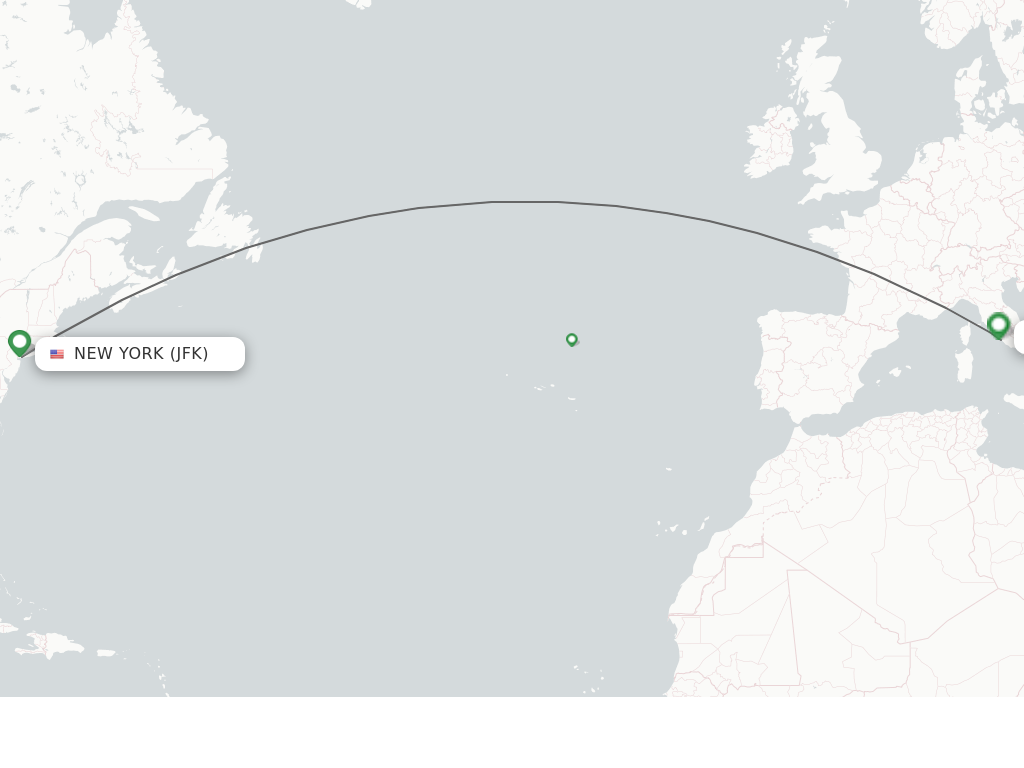
- Venice (Marco Polo Airport – VCE): To reach the enchanting canals of Venice, you’ll almost certainly have at least one stop. Total travel time usually ranges from 11 to 16 hours. A common route involves flying direct to Rome or Milan and then taking a domestic connecting flight or a high-speed train to Venice. The St. Mark’s Square is a must-see.
- Florence (Peretola Airport – FLR): Florence, the heart of Tuscany and a cradle of the Renaissance, is best accessed via a connecting flight, often through Rome or other European cities. Expect a total journey time of 12 to 18 hours. Many travelers prefer to fly into Pisa International Airport (Pisa Airport – PSA) or Bologna Guglielmo Marconi Airport (Bologna Airport – BLQ) and then take a train to Florence. The Duomo is a quintessential Landmark.
- Naples (Naples International Airport – NAP): Gateway to the Amalfi Coast, Pompeii, and Capri, Naples requires a connecting flight. Journey times typically fall between 12 and 17 hours. Again, connections are usually made in Rome or a major European hub.
Optimizing Your Journey: Tips for a Smoother Flight
A long-haul flight can be tiring, but with the right preparation and choices, you can make the experience much more comfortable and enjoyable, setting a positive tone for your Lifestyle of travel.
Choosing Your Flight and Airline Wisely
The booking process is crucial for a pleasant travel experience. Consider these points when selecting your flight:
- Departure Airport: While JFK and EWR are the main transatlantic gateways from New York, travelers from other parts of the New York metropolitan area might also consider Philadelphia International Airport (Philadelphia Airport – PHL) for direct connections to Europe. Always check which airport offers the most convenient and cost-effective direct routes to Italy.
- Airline Reputation and Amenities: Research airlines for their in-flight service, seat comfort, entertainment options, and meal quality. Some carriers, especially those catering to Luxury Travel, offer superior amenities even in economy class. Reading Reviews can provide valuable insights into real passenger experiences.
- Timing Your Booking: For the best fares, especially for direct flights, it’s generally advisable to book 3-6 months in advance. Prices tend to fluctuate, so using fare tracking tools can help you identify optimal booking times.
- Loyalty Programs: If you’re a frequent flyer, sticking with airlines within the same alliance (Star Alliance, SkyTeam, Oneworld) can earn you points and sometimes provide perks like lounge access or upgrades, enhancing your Travel Experience.
Preparing for a Long-Haul Flight
Physical and mental preparation can significantly mitigate the challenges of a long flight:
- Hydration and Nutrition: Drink plenty of water before and during your flight to combat dehydration. Avoid excessive caffeine and alcohol, which can exacerbate jet lag. Carry healthy snacks.
- Comfortable Attire: Dress in loose, comfortable clothing. Layers are ideal for adapting to varying cabin temperatures. Compression socks can help prevent swelling and reduce the risk of deep vein thrombosis.
- Movement: Get up and move around the cabin every couple of hours. Perform simple stretches in your seat to maintain circulation.
- Sleep Strategy: Adjust your sleep schedule a few days before departure to align closer with Italian time. Onboard, try to sleep during what would be nighttime in Italy. A neck pillow, eye mask, and noise-canceling headphones are invaluable for creating a conducive sleep environment.
- Entertainment: Load up your devices with movies, TV shows, podcasts, or e-books. While most airlines offer in-flight entertainment, having your own options ensures you won’t be bored.
Navigating Italian Airports and Beyond
Upon arrival, your journey isn’t quite over. Efficiently navigating Italian airports and getting to your final destination is key:
- Customs and Immigration: Have your passport ready. For U.S. citizens, a visa is not required for stays of up to 90 days within the Schengen Area.
- Ground Transportation: Italian airports are well-connected to city centers. From FCO, the Leonardo Express train offers a direct, non-stop service to Rome Termini Station. From MXP, the Malpensa Express takes you to Milan Cadorna or Centrale Station. Taxis, ride-sharing services, and rental cars are also widely available.
- Pre-Book Transfers/Accommodation: To minimize stress upon arrival, consider pre-booking your airport transfer or ensuring your Accommodation, whether a Luxury Hotel like The St. Regis Rome or a charming Boutique Hotel in Florence, has clear directions or provides pick-up services. Many travelers also opt for private Villas in regions like Tuscany or Apartments in major cities, which require planning for arrival.
Making the Most of Your Italian Adventure
Once you’ve successfully navigated the flight, the true adventure begins. Italy offers an unparalleled wealth of Destinations, Attractions, and Experiences for every type of traveler.
Beyond the Flight: Experiencing Italy
Italy’s allure lies in its vibrant culture, rich history, stunning landscapes, and, of course, its world-renowned Food. From a Budget Travel experience to a lavish Luxury Travel itinerary, there’s something for everyone.
- Iconic Cities: Explore Rome’s ancient ruins, marvel at the art in Florence’s Uffizi Gallery, glide through the canals of Venice, or discover the vibrant street life of Naples. Each city offers a unique glimpse into Italian heritage.
- Regional Diversity: Venture beyond the major cities. Discover the rolling hills and vineyards of Tuscany, the dramatic cliffs of the Amalfi Coast, or the historical treasures of Sicily. These regions offer distinct Local Culture, Cuisine, and natural beauty.
- Culinary Delights: No trip to Italy is complete without indulging in its incredible Food. From authentic Neapolitan pizza and fresh pasta to creamy gelato and robust espresso, every meal is an Experience. Consider taking a cooking class or a Food Tour to delve deeper into Italian Cuisine.
- Activities: Whether you’re interested in art history, hiking, shopping, or simply relaxing on a beach, Italy has it all. Utilize Travel Guides to plan your Activities and make the most of your time.
Accommodation Choices and Travel Styles
Your choice of Accommodation can significantly shape your travel experience, catering to different Lifestyle preferences, whether for Family Trips or Business Stays.
- Hotels: Italy boasts an incredible range of Hotels, from lavish 5-star resorts to charming family-run establishments. Consider booking a Suite for extra space, or choosing a Resort with ample Amenities for a relaxing stay. Websites offering Booking and Comparison services can help find the best fit.
- Apartments and Villas: For a more immersive experience or Long-term Stay, consider renting an Apartment in a city or a Villa in the countryside. Platforms like Airbnb offer diverse options, providing a taste of local living. These can be particularly cost-effective for Family Trips or groups.
- Boutique Stays: Many travelers seek out unique Boutique Hotels that reflect the local character and offer personalized service. These often provide a more intimate and memorable stay than larger chain Hotels.
- Budget vs. Luxury: Italy caters to all budgets. You can find excellent value in guesthouses and smaller Hotels or indulge in ultimate luxury at prestigious Hotels and Resorts. Planning your Accommodation in advance, taking into account Reviews and specific Amenities, is crucial.
In conclusion, while the direct flight from New York to Italy is a manageable 7.5 to 9.5 hours, the entire journey, especially with layovers or to smaller cities, can stretch much longer. By understanding the influencing factors, choosing your flights wisely, and preparing effectively, you can ensure your transatlantic passage is just a comfortable prelude to the magnificent Italian adventure that awaits you. Buon viaggio!
LifeOutOfTheBox is a participant in the Amazon Services LLC Associates Program, an affiliate advertising program designed to provide a means for sites to earn advertising fees by advertising and linking to Amazon.com. Amazon, the Amazon logo, AmazonSupply, and the AmazonSupply logo are trademarks of Amazon.com, Inc. or its affiliates. As an Amazon Associate we earn affiliate commissions from qualifying purchases.