
The question “What percent of Oregon are federal employees?” might seem like a straightforward demographic query, but its implications reach far beyond simple statistics. In a state as geographically diverse and economically dynamic as Oregon, the presence of federal workers profoundly influences everything from local economies and infrastructure to the preservation of natural wonders and the very fabric of its tourism industry. Understanding this federal footprint offers a unique lens through which to explore Oregon’s vibrant travel destinations, diverse accommodation options, and the distinct lifestyle enjoyed by its residents and visitors alike.
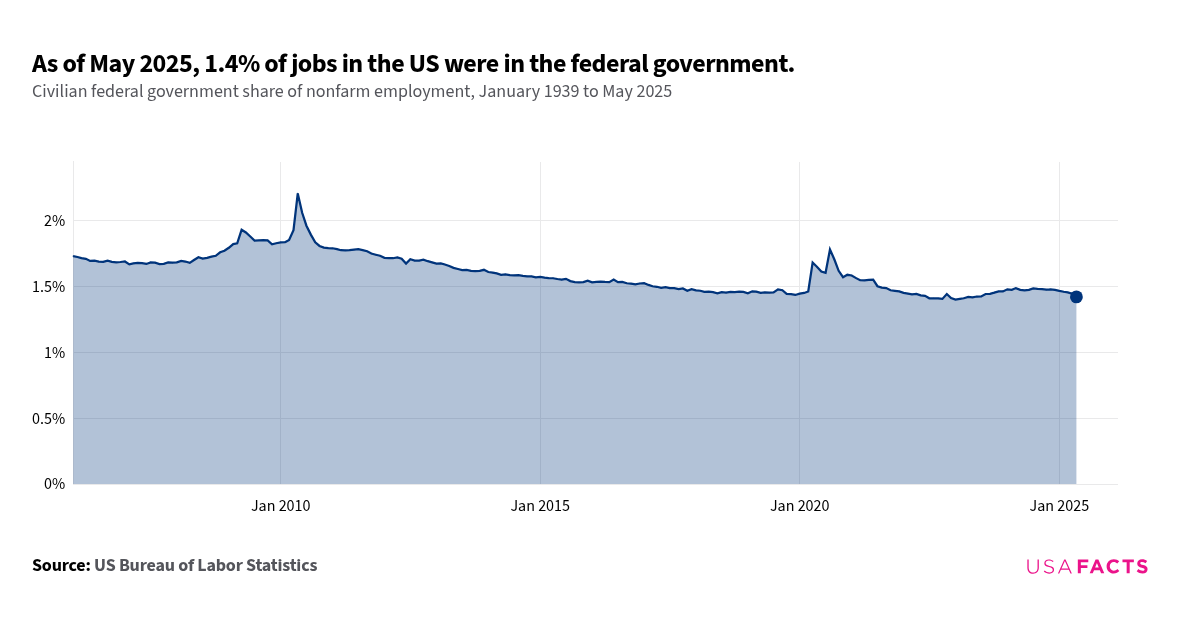
While exact numbers fluctuate with hiring cycles and policy changes, federal employment in Oregon typically constitutes a significant segment of the workforce, often hovering between 1.5% and 2.5% of the total labor force, translating to tens of thousands of individuals. These employees are not a monolithic group; they represent a vast array of agencies and roles, from scientists and land managers to administrative staff and law enforcement officers. Their collective presence shapes demand for local services, housing, and leisure activities, thereby indirectly but significantly impacting the state’s tourism landscape. For travelers seeking authentic experiences and for those considering Oregon as a place to live or work, grasping this connection unveils deeper insights into what makes the state tick.
The Federal Footprint in Oregon: Numbers and Economic Influence
Oregon’s federal workforce is as varied as its landscape. While specific figures can vary year to year, typically around 35,000 to 45,000 individuals are employed by the U.S. government within the state. This makes the federal government one of the largest employers in Oregon, playing a crucial role in its economic stability and growth. These employees are distributed across numerous agencies, each with its own mission and local impact. From maintaining vast tracts of public land to supporting veterans and conducting scientific research, their work underpins many aspects of daily life and tourism in the Beaver State.
Demystifying the Statistics: Who are Oregon’s Federal Workers?
The federal workforce in Oregon is incredibly diverse, mirroring the multifaceted responsibilities of the U.S. government. A significant portion of these employees work for natural resource agencies such as the USDA Forest Service, the Bureau of Land Management (BLM), and the National Park Service. These individuals are often found in rural communities or within proximity to Oregon’s extensive forests, national parks, and wilderness areas, playing a vital role in conservation, recreation management, and wildfire suppression. Their presence is fundamental to the existence and accessibility of many of Oregon’s premier travel destinations, ensuring trails are maintained, campgrounds are operational, and visitor centers provide essential information.
Beyond land management, other agencies contribute significantly. The Department of Veterans Affairs operates medical centers and clinics across the state, serving a large veteran population and employing a substantial healthcare workforce. The Department of Defense has facilities like the Oregon Air National Guard base in Portland, bringing military personnel and their families to the region. Additionally, federal administrative bodies, such as the Social Security Administration, the Internal Revenue Service, and various regulatory agencies, have offices predominantly in larger urban centers like Portland and Salem, adding to the economic vitality of these cities. Research institutions like the National Oceanic and Atmospheric Administration (NOAA) also have a presence, particularly along the Oregon Coast, contributing to scientific understanding and coastal management. This broad distribution of federal employees across various sectors means their impact is felt statewide, from remote wilderness outposts to bustling urban hubs.
Economic Ripple Effects: From Wages to Local Businesses
The economic impact of federal employment in Oregon is substantial and far-reaching. Federal jobs generally offer stable incomes and comprehensive benefits, providing a consistent economic base for communities. These stable wages translate directly into consumer spending, bolstering local businesses ranging from grocery stores and restaurants to retail shops and service providers. In cities like Portland and Salem, where federal offices concentrate, the daily influx of federal workers supports a thriving ecosystem of downtown eateries and coffee shops.
Beyond direct spending, the presence of federal employees drives demand for housing, indirectly influencing the real estate and accommodation sectors. In towns adjacent to national forests or parks, federal land managers and their families integrate into the community, contributing to the local tax base and supporting schools and public services. For the tourism industry, this stable local economy creates a stronger foundation. Local businesses, buoyed by consistent local patronage, are better equipped to invest in infrastructure and services that also benefit tourists. For instance, a vibrant restaurant scene, initially supported by local residents (including federal employees), becomes an attraction in itself for visitors. The stability provided by federal employment can also make certain areas more attractive for entrepreneurial ventures, including those in the hospitality and travel sectors, further enriching Oregon’s tourism offerings.
Federal Lands and Oregon’s Tourism Landscape
Perhaps the most palpable connection between federal employees and Oregon’s tourism lies in the state’s vast expanse of federally managed lands. A significant portion of Oregon’s natural beauty, including its iconic national parks, national forests, and wilderness areas, falls under federal jurisdiction. The dedicated work of federal employees in these areas is absolutely critical to preserving their pristine condition, managing visitor access, and ensuring sustainable recreation opportunities. Without their stewardship, many of the attractions that draw millions of tourists to Oregon each year would simply not be the same.
Stewards of Natural Wonders: National Parks, Forests, and BLM Lands
Oregon is home to an incredible array of federally managed natural wonders, each a cornerstone of the state’s tourism appeal. Crater Lake National Park, with its mesmerizing deep blue waters, stands as the state’s only national park, managed meticulously by the National Park Service. The rangers, scientists, and administrative staff here work tirelessly to protect its unique geology and ecology while facilitating memorable visitor experiences, from scenic drives to hiking trails. Similarly, the eight national forests, including the sprawling Mount Hood National Forest and the Deschutes National Forest, are managed by the USDA Forest Service. These forests offer diverse recreational opportunities such as skiing, hiking, camping, and fishing, all overseen by federal employees who maintain trails, manage campsites, and educate the public on responsible outdoor ethics.
The Bureau of Land Management (BLM) also manages extensive tracts of public land, particularly in eastern and southern Oregon, including areas along the Oregon Coast. These lands offer unique opportunities for dispersed camping, off-road vehicle use, and access to lesser-known natural attractions. Federal employees, often living in remote communities near these lands, are the unsung heroes who implement conservation strategies, manage wildfires, and ensure that these precious resources remain available for future generations of adventurers and nature enthusiasts. Their expertise in environmental science, forestry, and recreation management directly translates into high-quality, sustainable tourism experiences for millions of domestic and international visitors.
Accessibility and Infrastructure: Enhancing Visitor Experiences
Beyond the direct stewardship of natural areas, federal employees play a crucial role in developing and maintaining the infrastructure that makes these destinations accessible and enjoyable for tourists. This includes the planning, construction, and upkeep of roads, bridges, trails, campgrounds, and visitor centers within federal lands. The Forest Service and National Park Service invest significantly in maintaining thousands of miles of trails, ranging from easy strolls to challenging backcountry routes, which are fundamental to Oregon’s outdoor recreation scene.

Visitor centers, staffed by knowledgeable federal employees and volunteers, provide essential services such as maps, permits, interpretive programs, and safety information, greatly enhancing the visitor experience. These facilities are often the first point of contact for tourists entering a national park or forest, setting the tone for their entire visit. The design and maintenance of campgrounds, from primitive sites to those with full hookups, cater to a wide range of accommodation preferences, directly supporting Oregon’s camping and RV tourism. Furthermore, federal agencies are involved in larger infrastructure projects that indirectly benefit tourism, such as managing waterways for recreation and hydropower or assisting in flood control measures that protect riverside communities and their tourism assets along the Columbia River Gorge. The presence of federal agencies ensures a systematic, long-term approach to infrastructure development and maintenance, which is vital for the sustainability and growth of Oregon’s thriving outdoor tourism sector.
Lifestyle and Accommodation Choices for Federal Employees in Oregon
The stable income and benefits associated with federal employment often provide employees and their families with a certain lifestyle flexibility. This directly influences their choices regarding where to live, how they spend their leisure time, and their preferences for travel and accommodation, both within Oregon and beyond. Their presence contributes to the demand for diverse housing options and supports a range of local businesses, including those in the hospitality sector. For those considering a move to Oregon for federal employment, understanding these lifestyle aspects is key to finding the right community and living situation.
Popular Hubs: Cities with a Strong Federal Presence
Several Oregon cities serve as major hubs for federal employment, shaping their local economies and cultural landscapes. Portland, as the state’s largest city, naturally hosts a significant concentration of federal offices. Agencies like the IRS, General Services Administration, and various regional headquarters for federal departments contribute to a sizable federal workforce in the metropolitan area. This influx of stable jobs supports Portland’s diverse restaurant scene, its vibrant arts and culture community, and its array of accommodation options, from luxury hotels like the Kimpton Hotel Monaco Portland to boutique stays and serviced apartments. Federal employees here enjoy access to urban amenities alongside easy escapes to the Columbia River Gorge or the Oregon Coast.
Salem, as the state capital, also has a notable federal presence, often complementing state government operations. Various federal agencies maintain offices here, contributing to the city’s stable employment base. The city’s quieter pace compared to Portland, combined with its proximity to the Willamette Valley wine country, makes it an attractive location for many federal workers seeking a balance of work and leisure. Beyond these major cities, towns such as Bend and Ashland in central and southern Oregon, respectively, also see a concentration of federal employees, particularly those working for the Forest Service or BLM due to their proximity to extensive federal lands. These towns offer a distinct lifestyle focused on outdoor recreation, influencing the types of accommodation available, from cozy cabins to resort hotels like the Riverhouse on the Deschutes in Bend.
Blending Work and Leisure: Travel Patterns and Preferred Stays
The lifestyle of federal employees in Oregon often involves a healthy balance between work and leisure, heavily influenced by their stable incomes and appreciation for Oregon’s natural beauty. Many federal employees are avid outdoor enthusiasts, taking advantage of the very lands they help manage. Weekend getaways to the Oregon Coast, trips to the Cascade Mountains for hiking or skiing, or visits to Willamette Valley wineries are common. This travel pattern drives demand for a variety of accommodation types, from charming bed and breakfasts in coastal towns like Cannon Beach to family-friendly resorts near Mount Hood.
Given their stable financial footing, federal employees often seek quality and value in their travel and accommodation choices. This might mean opting for well-regarded hotel chains like Marriott or Hilton for business trips or family vacations, or exploring unique vacation rentals and glamping experiences for more adventurous escapes. Many also own recreational vehicles or camping gear, leveraging the extensive network of federal and state campgrounds. Their choices reflect a desire to experience Oregon’s diverse offerings, from luxury stays in Portland to rustic cabins in national forests. This consistent demand from a segment of the population with disposable income contributes significantly to the sustained health and variety of Oregon’s tourism and accommodation sectors, benefiting all travelers by fostering a competitive and diverse market.
The Synergistic Relationship: Federal Presence, Community, and the Future of Oregon Tourism
The relationship between federal employment and Oregon’s tourism is a dynamic synergy, where the presence of one significantly enhances the other. Federal agencies, through their management of natural resources and their economic contribution, lay much of the groundwork for the state’s vibrant tourism industry. Simultaneously, a thriving tourism sector and a high quality of life make Oregon an attractive place for federal employees to live and work, creating a positive feedback loop. This interconnectedness is vital for ensuring the long-term sustainability and growth of both sectors, fostering communities that are robust, resilient, and deeply connected to their natural surroundings.
Fostering Sustainable Tourism: The Role of Collaboration
Sustainable tourism is increasingly a priority in Oregon, and federal agencies are central to achieving this goal through extensive collaboration with state and local governments, tribal nations, and private tourism organizations. For example, the National Park Service and Forest Service work with local tourism boards to manage visitor impacts at popular sites, promoting responsible recreation and educating tourists on “Leave No Trace” principles. This collaboration extends to developing comprehensive visitor plans that balance access with preservation, ensuring that iconic landmarks like Crater Lake and the Oregon Coast remain pristine for future generations.
Furthermore, federal grants and funding often support infrastructure projects that benefit both local communities and tourists, such as improvements to public transportation, trail networks, and visitor facilities. The expertise of federal employees in environmental science, urban planning, and resource management is invaluable in these joint ventures, helping to craft policies and initiatives that promote eco-tourism and cultural heritage tourism. This multi-stakeholder approach ensures that tourism development is not only economically beneficial but also environmentally sound and culturally respectful, creating unique and authentic experiences for visitors while safeguarding Oregon’s distinct character. Local communities, bolstered by the stable federal presence, are better positioned to participate in and benefit from these tourism initiatives.

Looking Ahead: The Evolving Landscape of Travel in Oregon
The future of travel in Oregon will undoubtedly continue to be shaped by its federal footprint. As climate change presents new challenges, the work of federal scientists and land managers in areas like wildfire prevention, water resource management, and ecosystem restoration will become even more critical for protecting the natural attractions that draw tourists. Federal policy decisions regarding public land access, conservation efforts, and infrastructure investments will directly influence the types of travel experiences available, from wilderness adventures to urban explorations.
Moreover, shifts in federal employment patterns, such as the decentralization of offices or changes in agency priorities, could impact local economies and, in turn, the hospitality industry in specific regions. However, Oregon‘s strong commitment to outdoor recreation, sustainable practices, and unique local cultures, often underpinned by federal stewardship and economic stability, positions it well for continued growth in discerning tourism markets. As travelers increasingly seek meaningful, responsible, and immersive experiences, the very foundation laid by federal employees—preserving natural beauty, ensuring accessibility, and contributing to stable communities—will remain a cornerstone of Oregon’s enduring appeal. The state’s blend of stunning landscapes, vibrant cities, and a welcoming lifestyle, significantly influenced by its federal workforce, ensures it will remain a top destination for years to come.
In conclusion, the seemingly simple question of what percentage of Oregon are federal employees unveils a complex and fascinating web of connections. From the direct management of its breathtaking national parks and forests to the indirect economic support of its local communities, federal workers are integral to Oregon’s identity as a premier travel destination. Their presence fosters a stable environment that supports diverse accommodation options and a vibrant lifestyle, making Oregon not just a place to visit, but a place where nature, community, and economy thrive in harmonious collaboration.
LifeOutOfTheBox is a participant in the Amazon Services LLC Associates Program, an affiliate advertising program designed to provide a means for sites to earn advertising fees by advertising and linking to Amazon.com. Amazon, the Amazon logo, AmazonSupply, and the AmazonSupply logo are trademarks of Amazon.com, Inc. or its affiliates. As an Amazon Associate we earn affiliate commissions from qualifying purchases.