
For many travelers planning an adventure to the Grand Canyon State, a crucial question often arises: Does Arizona observe Daylight Saving Time (DST)? The answer, while seemingly simple, carries layers of historical context, geographical rationale, and practical implications for visitors and residents alike. In essence, no, Arizona does not generally observe Daylight Saving Time. This distinctive approach to timekeeping sets it apart from the majority of the United States and has a profound impact on everything from daily schedules to travel itineraries and local lifestyle.
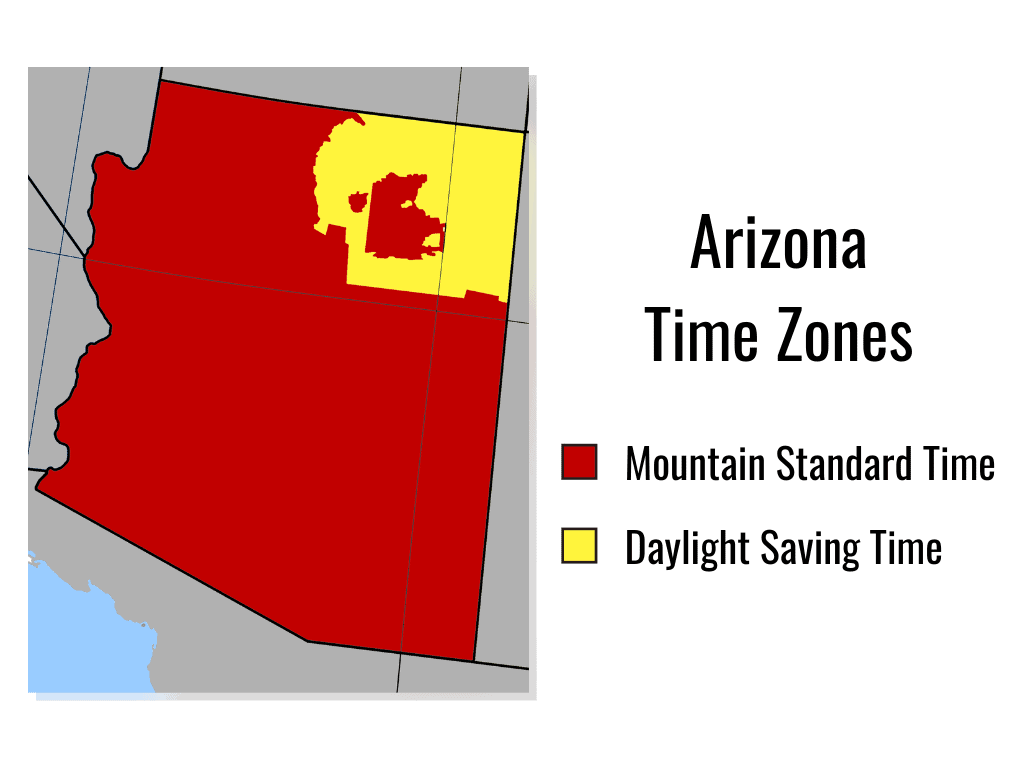
This unique time zone status means that throughout the year, Arizona remains on Mountain Standard Time (MST), which is UTC-7. When much of the nation “springs forward” in March, Arizona stays put. Consequently, from March to November, Arizona’s clocks align with Pacific Daylight Time (PDT) – the same time as California and Nevada – rather than continuing to observe Mountain Daylight Time (MDT) like its neighbors Utah and New Mexico. This consistent time has become a defining characteristic of the state, influencing everything from the rhythm of its vibrant cities like Phoenix and Tucson to the planning of outdoor adventures in its breathtaking natural landmarks.
A Deep Dive into Why: History, Geography, and Lifestyle
The decision for Arizona to opt out of Daylight Saving Time is not a recent one, nor is it arbitrary. It’s rooted deeply in the state’s unique geography, climate, and the practicalities of its residents’ daily lives. To understand why Arizona stands apart, we must delve into its past and the specific challenges posed by its environment.
The Origins of DST and Arizona’s Unique Climate
Daylight Saving Time was initially conceived to conserve energy during wartime and later adopted by many countries to make better use of daylight hours. The idea was to shift an hour of daylight from the morning to the evening during warmer months, theoretically reducing the need for artificial lighting. However, this concept found little practical application – and even opposition – in Arizona.
The desert climate of Arizona is characterized by scorching summer temperatures, often exceeding 100 degrees Fahrenheit (38 degrees Celsius). Forcing residents to “spring forward” would mean an hour more of daylight extending into the already unbearable late afternoon and early evening heat. This isn’t just an inconvenience; it presents significant issues:
- Energy Consumption: Instead of saving energy, an extra hour of late afternoon daylight would likely increase it. Air conditioning units, already working overtime, would need to run even longer into the evening as people wait for temperatures to drop to a comfortable level. This directly contradicts the original purpose of DST.
- Outdoor Activities: Much of Arizona’s outdoor lifestyle and tourism revolves around avoiding the peak midday and afternoon heat. Hiking, golfing, exploring national parks, or simply enjoying a resort pool is often best done in the early morning or after sunset. Shifting daylight further into the evening heat would only exacerbate this challenge, delaying cooler temperatures and making evening activities less enjoyable.
- Daily Routines: Imagine a typical summer evening in Phoenix. Children might want to play outside, families gather for barbecues, or friends meet for a stroll. If the sun is still blazing intensely at 8 or 9 PM due to DST, these activities are pushed back even further, impacting sleep schedules, particularly for children, and general well-being.
The 1960s Decisions and Permanent Exemption
The United States passed the Uniform Time Act in 1966, mandating the observance of Daylight Saving Time nationwide but providing a provision for states to opt out. Arizona initially experimented with DST in 1967, only to quickly realize its impracticality. The public outcry was significant, driven by the reasons mentioned above. Legislators swiftly responded to the unique needs and sentiments of their constituents.
In 1968, the Arizona Legislature voted to permanently exempt the state from observing Daylight Saving Time. This decision, backed by strong public support, allowed Arizona to maintain a consistent time year-round, aligning its clocks with Mountain Standard Time (MST). This historical context underscores a pragmatic approach to timekeeping, prioritizing the comfort and energy efficiency of its residents over a nationwide standard that simply didn’t fit the desert environment.
Navigating Time Zones in the Grand Canyon State
For those planning travel to Arizona, understanding its time zone status is paramount for a seamless and enjoyable experience. The year-round consistency is generally a blessing, simplifying schedules, but there’s one notable exception that requires careful attention.
Arizona’s Consistent Time Zone
From a visitor’s perspective, the key takeaway is that Arizona is always on Mountain Standard Time (MST), which is UTC-7. This means:
- Winter Months (November to March): Arizona is on the same time as neighboring states like Utah, Colorado, and New Mexico, all of which observe MST.
- Summer Months (March to November): This is where the difference becomes noticeable. When most of the United States “springs forward” to Daylight Saving Time, Arizona does not. Therefore, during these months, Arizona’s time aligns with Pacific Daylight Time (PDT). This means it’s three hours behind New York City (EST becomes EDT, so 3 hours difference), one hour behind Denver (MST becomes MDT), and the same time as Los Angeles (PST becomes PDT).
This “apparent” shift to Pacific Time during summer often confuses first-time visitors. However, once understood, it actually simplifies planning, as there’s no need to adjust watches or device settings when arriving in the main parts of the state during either season. Your phone or device should automatically recognize your location in Arizona and display the correct local time, but it’s always wise to double-check.
The Unique Case of the Navajo Nation
While the vast majority of Arizona observes year-round MST, there is one significant exception that travelers must be aware of: the Navajo Nation. This autonomous tribal land, which spans parts of northeastern Arizona, Utah, and New Mexico, does observe Daylight Saving Time.
The Navajo Nation made this decision to align its time with the surrounding areas of Utah and New Mexico, which helps streamline coordination for tribal government, schools, and businesses that frequently interact across state lines. For travelers, this means that if you’re driving through destinations like Monument Valley or Canyon de Chelly National Monument, which are within the Navajo Nation, you will need to adjust your clock by an hour during the DST period. This creates a fascinating and sometimes perplexing “time island” within Arizona.
For instance, if you are in Flagstaff (MST) and plan a day trip to the Navajo Nation during the summer, you’ll need to advance your watch by one hour as you cross into tribal lands. Returning to Flagstaff means turning it back. This can be crucial for guided tours, restaurant reservations, or even simply catching a sunset viewpoint.

Implications for Travelers, Tourism, and Daily Life
The absence of Daylight Saving Time in most of Arizona has practical implications that extend across various aspects of travel, tourism, and local lifestyle. Understanding these nuances can greatly enhance a visitor’s experience, particularly when it comes to planning and expectations.
Planning Your Arizona Adventure
When organizing your itinerary for an Arizona trip, particularly during the months when DST is observed elsewhere (March to November), remember these points:
- Flight Times: Always confirm departure and arrival times based on the local time zones. If you’re flying into Phoenix Sky Harbor International Airport from a state observing DST, your arrival time will effectively be one hour earlier relative to your departure time zone.
- Hotel Reservations: Accommodation check-in and check-out times will always adhere to Arizona’s consistent MST.
- Coordinating with Activities and Tours: If booking a sunrise tour of the Grand Canyon National Park or a hot air balloon ride in Sedona, ensure you understand the meeting time in local Arizona time. This is especially vital for activities near the Navajo Nation border.
Impact on Attractions and Experiences
Arizona’s lack of DST subtly shapes the visitor experience at its many attractions and landmarks.
- Operating Hours: For museums, restaurants, and shops in Phoenix, Tucson, or Scottsdale, their posted hours are consistent year-round. However, if you’re communicating with friends or family in a DST-observing state, remember that their local time will be one hour ahead during the summer.
- Sunrise and Sunset Views: The natural wonders of Arizona, from the depths of the Grand Canyon to the vibrant red rock formations of Sedona, are often best experienced during sunrise or sunset. Because Arizona doesn’t “spring forward,” summer sunrises occur relatively early, and sunsets happen comparatively earlier than in DST-observing states. This means more usable daylight in the morning and evenings that get dark at a more conventional hour, which can be ideal for outdoor dining or stargazing without pushing bedtimes too late. For example, during peak summer, sunset in Phoenix might be around 7:45 PM, whereas in a DST state further east, it could be closer to 8:45 PM.
Accommodation and Hotel Bookings
When reserving your stay, from luxury resorts in Scottsdale to charming villas in Sedona, the time consistency makes planning straightforward. Popular hotels like The Biltmore, A Waldorf Astoria Resort or JW Marriott Desert Ridge Resort & Spa in Phoenix, or Enchantment Resort in Sedona, will always operate on the same time, simplifying check-ins and coordinating with hotel amenities. However, if you’re making arrangements from outside Arizona, double-check the time difference to avoid any confusion.
The Lifestyle Advantage
For residents and those considering a long-term stay, Arizona’s consistent time is often viewed as a significant lifestyle advantage. It contributes to a stable daily rhythm, free from the biannual disruption of changing clocks. This means:
- Predictable Schedules: Work, school, and social events maintain a consistent timing relative to sunrise and sunset throughout the year.
- Maximizing Cooler Hours: During the brutal summer, the lack of DST ensures that the hottest part of the day (late afternoon) is not artificially extended into the evening, allowing for relief and the resumption of outdoor activities at a more reasonable hour.
- Convenience with Mexico: The state shares a border with Mexico, and many border towns in Sonora, Mexico also do not observe DST, simplifying cross-border interactions.
Practical Tips for Seamless Travel in Arizona
While Arizona’s no-DST policy generally simplifies things, a few practical considerations will ensure your travels are entirely smooth.
- Always Confirm Local Time: When making reservations or coordinating with others, especially during the spring/summer/fall months, it’s a good habit to preface times with “Arizona time” to avoid any ambiguity, particularly if dealing with contacts outside the state.
- Digital Devices Adjust Automatically (Mostly): Your smartphone, tablet, and smartwatches are generally excellent at detecting your location and adjusting to the correct local time. However, a quick glance at a local clock or asking a hotel staff member for confirmation upon arrival never hurts, especially if you’re near the Navajo Nation border.
- Embrace the Arizona Rhythm: Instead of viewing Arizona’s unique time status as a complication, embrace it as part of the state’s distinct charm. It’s a reflection of a place that understands its environment and adapts to it, rather than adhering to a one-size-fits-all national standard. This approach extends to many other facets of the Arizona experience, from its relaxed pace in Sedona to the early morning bustle in Phoenix before the day heats up.
From exploring ancient cliff dwellings at Montezuma Castle National Monument to marveling at the giant cacti in Saguaro National Park, your journey through Arizona will be filled with incredible sights and experiences. By understanding its straightforward approach to time, you can ensure your trip is perfectly synchronized with the natural beauty and vibrant culture of this remarkable state.
LifeOutOfTheBox is a participant in the Amazon Services LLC Associates Program, an affiliate advertising program designed to provide a means for sites to earn advertising fees by advertising and linking to Amazon.com. Amazon, the Amazon logo, AmazonSupply, and the AmazonSupply logo are trademarks of Amazon.com, Inc. or its affiliates. As an Amazon Associate we earn affiliate commissions from qualifying purchases.