
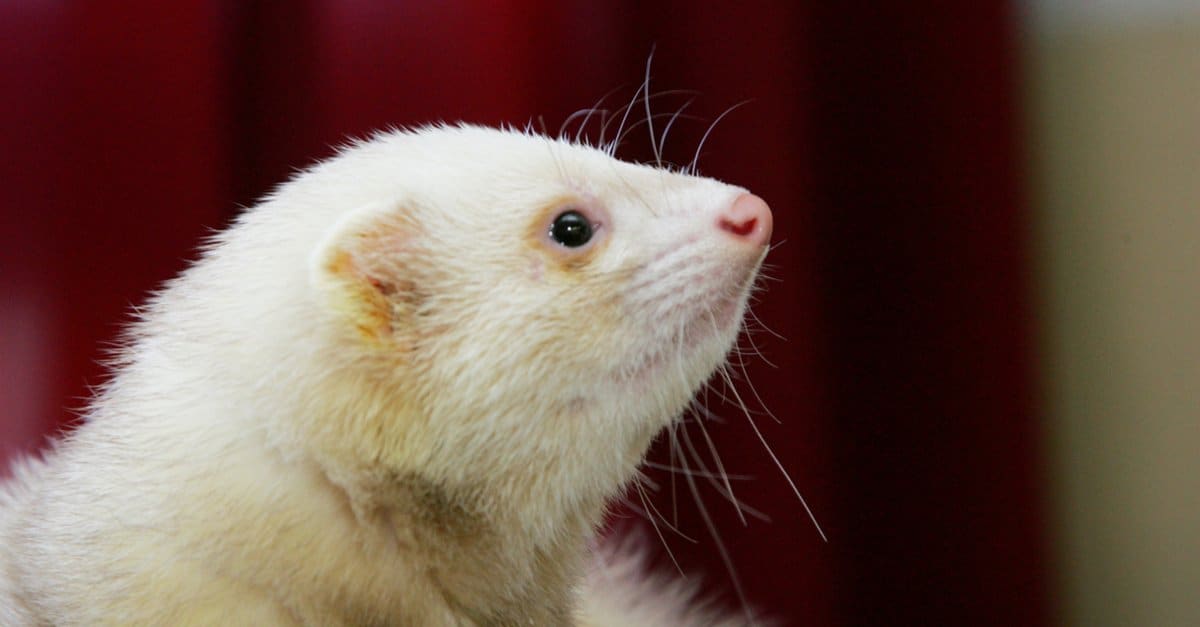
For anyone considering a move to the Golden State or simply planning an extended stay, understanding local regulations, particularly those concerning pets, is paramount. California, a land of diverse landscapes, iconic landmarks, and vibrant cities like Los Angeles, San Francisco, and San Diego, is also known for its stringent environmental protections. This commitment extends to its unique ecosystem, making it a place where certain animals, including ferrets, face specific restrictions. The short answer to the question is a resounding yes: ferrets are indeed illegal to own, import, or sell as pets in California. This strict prohibition is a crucial aspect of the state’s biosecurity measures, reflecting a deep concern for both its native wildlife and public health. For travelers, residents, and anyone fascinated by the intersection of lifestyle and local laws, understanding the nuances of this ban is essential for responsible interaction with this captivating destination.
The Legal Landscape: Why Ferrets Are Prohibited in California
The prohibition of ferrets in California is not an arbitrary rule but a carefully considered policy rooted in environmental conservation and public health. Unlike many other states across the United States where ferrets are legal and popular pets, California’s stance is one of the strictest. This legislative decision is primarily driven by the potential ecological threats that ferrets pose to the state’s delicate and unique biodiversity, as well as concerns regarding their potential to carry and transmit diseases.
The primary authority behind this prohibition is the California Department of Fish and Wildlife (CDFW), operating under the directives of the California Fish and Game Commission. Specifically, California Fish and Game Code Section 2118 lists ferrets (Mustela putorius furo) among a host of “unrestricted wild animals” that are not permitted for private possession without a special permit, which is rarely granted for pet ownership. The state considers ferrets to be non-native, predatory animals with the potential to establish feral populations if they escape or are released into the wild.
Ecological Concerns: Protecting California’s Native Species
California is a biodiversity hotspot, boasting more endemic species than any other state in the United States. Its varied landscapes, from the coastal ecosystems along the Pacific Ocean to the towering forests of Redwood National Park and the arid expanses of the Mojave Desert, support a fragile web of life. The introduction of non-native species, especially predators, can have devastating consequences for these native populations.
Ferrets, being opportunistic predators, possess sharp hunting instincts honed by their ancestral wild counterparts. Should they establish feral colonies, the CDFW fears they could prey on ground-nesting birds, small mammals, reptiles, and amphibians, many of which are already endangered or threatened. Species like the California Quail, various native ground squirrels, and vulnerable bird populations would be particularly susceptible. Their ability to access burrows and confined spaces makes them highly effective hunters, giving them a significant advantage over native predators. The state has a historical precedent for such concerns; numerous invasive species have already caused considerable damage to California’s ecosystems, prompting a highly cautious approach to any potentially harmful new introductions.

Public Health Risks: The Threat of Rabies
Beyond environmental impact, public health is another significant concern. While domestic ferrets can be vaccinated against rabies, there is always a risk, particularly if they were to interbreed with wild animals or become feral. Rabies, a deadly viral disease, can be transmitted to humans and other animals through bites. Although rare in vaccinated domestic ferrets, the state’s perspective is that allowing a large population of ferrets could complicate disease surveillance and control efforts, especially given the existing rabies reservoirs in wild animal populations like bats, skunks, and foxes across California. The Centers for Disease Control and Prevention (CDC) has long advocated for careful control of animals that can carry rabies, and California adheres to a conservative approach to minimize this risk.
Implications for Travelers and Residents: Navigating Pet Ownership in California
For individuals planning to travel to California or considering it as a permanent residence, understanding these pet laws is critical. The state’s strict regulations mean that any attempt to bring a ferret into California will result in serious consequences.
Bringing a Ferret to California? Think Again.
Despite the affection ferret owners have for their pets, bringing a ferret into California is not merely discouraged; it is against the law and comes with severe penalties. Individuals caught with ferrets face fines that can range into the hundreds or even thousands of dollars, and perhaps more importantly, the animal will be confiscated. This can be a deeply traumatic experience for both the owner and the pet.
Travelers arriving by air, land, or sea are subject to these regulations. At entry points, particularly for those driving from neighboring states like Oregon, Nevada, or Arizona, agricultural inspection stations are common, where officials may inquire about pets and even conduct inspections. While not every vehicle is stopped, the risk of detection is present, and ignorance of the law is not considered a valid defense. For those flying into major international airports in Los Angeles, San Francisco, or San Diego, airlines themselves have pet policies that adhere to state laws, and attempting to transport an illegal animal would likely be flagged before or during travel.
Furthermore, finding pet-friendly accommodation that would permit an illegal animal is virtually impossible. Even hotels that proudly welcome pets, from luxury resorts like the Four Seasons and Ritz-Carlton to budget-friendly chains like Motel 6 and La Quinta, explicitly state that only legal pets are allowed. This means that a ferret owner would not only face legal repercussions but also significant logistical hurdles, potentially ruining their travel experience. Responsible tourism dictates respect for local laws, and pet owners planning travel should research their destination’s specific animal regulations well in advance.
Considering Ferrets as Pets Elsewhere: A Lifestyle Choice
While California maintains its prohibition, it’s worth noting that ferrets are perfectly legal and beloved pets in most other United States states, as well as in many countries across North America and Europe. For those living in states like Texas, New York, or Washington, owning a ferret can be a delightful and enriching lifestyle choice. Ferrets are known for their playful, curious, and affectionate personalities. They require specific care, including a high-protein diet, regular veterinary check-ups (including vaccinations), spacious housing, and plenty of mental stimulation. Potential owners in these regions should consult resources from organizations like the American Veterinary Medical Association (AVMA) for comprehensive care guidelines. However, it’s critical for these owners to understand that their beloved pets cannot accompany them on a trip to California, making any plans for extended stays or relocation require difficult decisions regarding pet care.

Exploring Alternatives and Understanding Conservation: Pet-Friendly California
Given the strict regulations against ferrets, those residing in or moving to California who desire a furry companion need to explore legal alternatives. Fortunately, California is a very pet-friendly state for legal animals, offering a wide array of options for animal lovers and extensive infrastructure for pet care and enjoyment.
Pet Alternatives for California Residents
For those seeking a small, engaging pet similar in size and personality to a ferret, several legal alternatives exist that are well-suited to the California lifestyle. Guinea pigs and rabbits are popular choices, known for their gentle dispositions and distinct personalities. They are often quiet, can be litter-trained, and offer companionship without the legal complexities. Other small rodents like hamsters, gerbils, and rats also make excellent pets, providing hours of entertainment with their playful antics in appropriate enclosures.
Of course, the most common and widely accepted pets are dogs and cats. California embraces a vibrant pet culture for these animals. You’ll find countless dog parks, pet-friendly trails (though often requiring leashes), and even beaches where dogs are welcome. Many hotels, from economy choices like Best Western and Super 8 to luxury brands like Fairmont and Kimpton, proudly advertise their pet-friendly policies, offering amenities like dog beds, food bowls, and even special pet menus. Pet stores like Petco and Petsmart are ubiquitous, providing all necessary supplies, grooming services, and even training classes. Whether it’s a family trip to Disneyland Resort’s dog kennels or an outdoor adventure in a state park (where rules for pets must be strictly followed), California makes it easy to integrate legal pets into one’s life.
The Broader Context: Protecting California’s Unique Ecosystem
The prohibition on ferrets serves as a microcosm of California’s broader commitment to environmental stewardship. The state is home to an extraordinary array of ecosystems, from the marine sanctuaries along its vast coastline to the towering redwoods of Northern California, the deserts near Joshua Tree National Park, and the high alpine regions of the Sierra Nevada Mountains, including iconic Yosemite National Park. Each region supports unique flora and fauna, many of which are found nowhere else on Earth.
The concept of biosecurity—preventing the introduction and spread of harmful organisms—is a cornerstone of California’s environmental policy. This extends beyond ferrets to invasive plants, insects, and other animals that could disrupt the natural balance. For example, strict rules govern what fruits and vegetables can be brought into the state, and even regulations for firewood are in place to prevent the spread of tree diseases and pests. These measures are critical for preserving the natural heritage that draws millions of tourism dollars and countless visitors to landmarks like the Golden Gate Bridge, Lake Tahoe, and Napa Valley.
As travelers and residents, understanding and respecting these laws is part of being a responsible participant in the California experience. It reflects an appreciation for the state’s natural beauty and the delicate ecological balance that allows it to thrive. Whether you’re planning a luxury travel experience through the vineyards or a budget travel adventure exploring its national parks, adherence to these regulations ensures that California remains a pristine and vibrant destination for generations to come.
In conclusion, while ferrets are charming and popular pets in many parts of the world, their legality in California is a firm no. This prohibition is deeply rooted in the state’s commitment to protecting its unparalleled biodiversity and safeguarding public health. For those exploring California as a destination for travel, seeking accommodation, or considering a change in lifestyle, awareness of and adherence to these regulations are not just legal requirements but acts of respect for the unique environment that makes the Golden State so extraordinary.
LifeOutOfTheBox is a participant in the Amazon Services LLC Associates Program, an affiliate advertising program designed to provide a means for sites to earn advertising fees by advertising and linking to Amazon.com. Amazon, the Amazon logo, AmazonSupply, and the AmazonSupply logo are trademarks of Amazon.com, Inc. or its affiliates. As an Amazon Associate we earn affiliate commissions from qualifying purchases.