
The opening chords of “Hotel California” are instantly recognizable, an intricate tapestry of acoustic and electric guitars that beckons listeners into a world of enigmatic allure. This iconic track, released in 1976 by the legendary American rock band The Eagles, has captivated generations with its haunting melody, cryptic lyrics, and evocative imagery. More than just a song, it has become a cultural touchstone, synonymous with the golden age of 1970s rock and the sometimes-illusory promise of the California dream. While its enduring popularity is undeniable, many still ponder the exact genesis of this masterpiece: who truly penned the lyrics and composed the unforgettable music that makes “Hotel California” one of the most celebrated songs in history?
The creative force behind “Hotel California” was a collaborative effort, primarily credited to three members of The Eagles: Don Felder for the music, and Don Henley and Glenn Frey for the lyrics. This trio, central to the band’s unparalleled success, merged their distinct talents to craft a narrative that delves deep into themes of excess, disillusionment, and the seductive traps of the modern world. Their individual contributions were crucial, each layer adding depth and resonance to a song that transcends its musical form to become a potent cultural commentary.
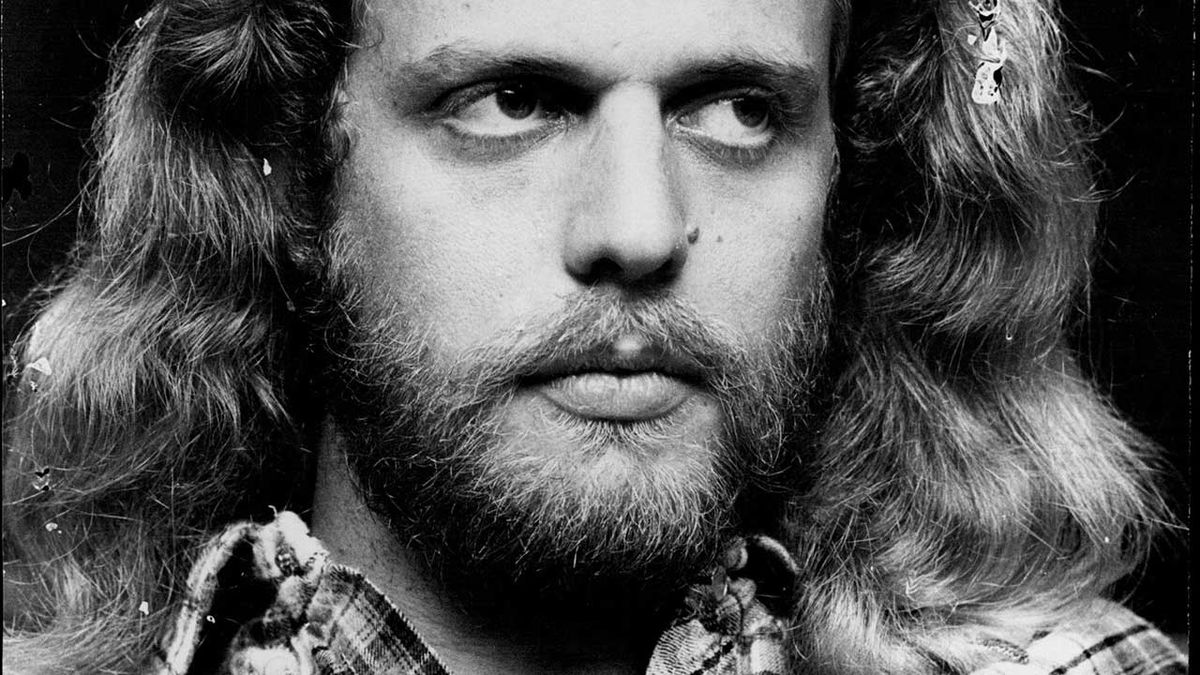
The Architects of an Anthem: The Eagles and Their Creative Process
The story of “Hotel California” begins not with a lyrical idea, but with a musical one. Don Felder, the band’s lead guitarist, arrived in Los Angeles in 1974, bringing with him a rich background in country and rock music. It was during a relaxed jam session at a rented beach house in Malibu that the initial spark for the song ignited. Felder was experimenting with a 12-string guitar, recording various chord progressions and melodies onto a four-track recorder. Among these nascent ideas was a distinctive rhythm and chord progression in E minor, characterized by a certain Spanish, almost Mexican reggae feel. This captivating instrumental piece immediately stood out, possessing a certain mystique that hinted at something grander. He presented this demo to Don Henley and Glenn Frey, who instantly recognized its potential. The intricate interplay of guitars, the soaring melody, and the underlying rhythmic drive provided the perfect canvas for their lyrical genius.
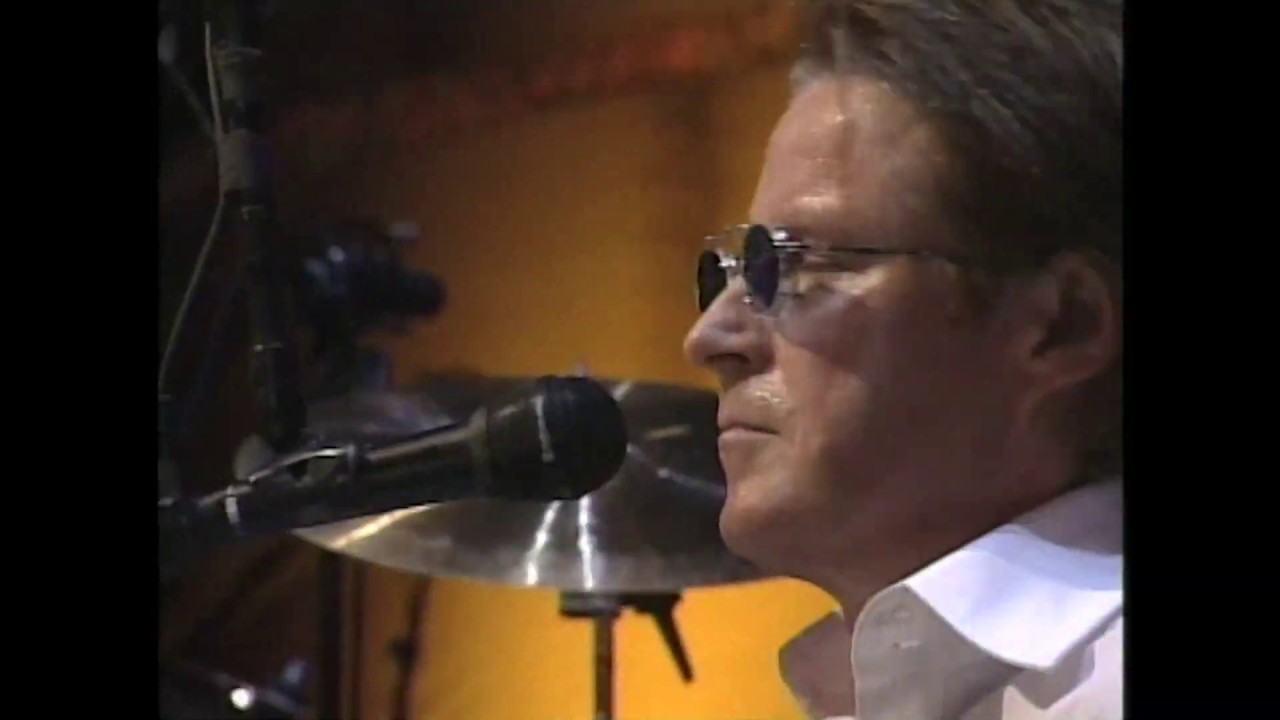
The Core Songwriters: Weaving Words and Melody
Once Felder’s instrumental foundation was laid, it was the formidable songwriting duo of Don Henley and Glenn Frey who took on the monumental task of crafting the lyrics. Their collaboration was legendary, a symbiotic relationship where Henley often took the lead on conceptualizing and writing the verses, while Frey was instrumental in structuring the song and polishing its narrative flow. For “Hotel California,” their aim was to capture the zeitgeist of 1970s Los Angeles and the broader California lifestyle – a world they had experienced firsthand as rising rock stars. They sought to explore the darker underbelly of the American Dream, the glittering façade of fame, and the often-empty promises of hedonism.
Don Henley, with his poetic sensibility, painted vivid pictures with his words, describing a weary traveler drawn into a luxurious yet sinister establishment. His lyrics are laden with metaphors, creating an atmospheric narrative that is both alluring and unsettling. Phrases like “On a dark desert highway,” “warm smell of colitas,” and “pink champagne on ice” immediately conjure sensory images of a specific time and place. Glenn Frey, the band’s primary arranger and a master of hooks, helped ensure the lyrical narrative flowed seamlessly, guiding the listener through the song’s unsettling story. He brought a sense of dramatic pacing to Henley’s evocative imagery, ensuring the words matched the escalating tension of Felder’s music.
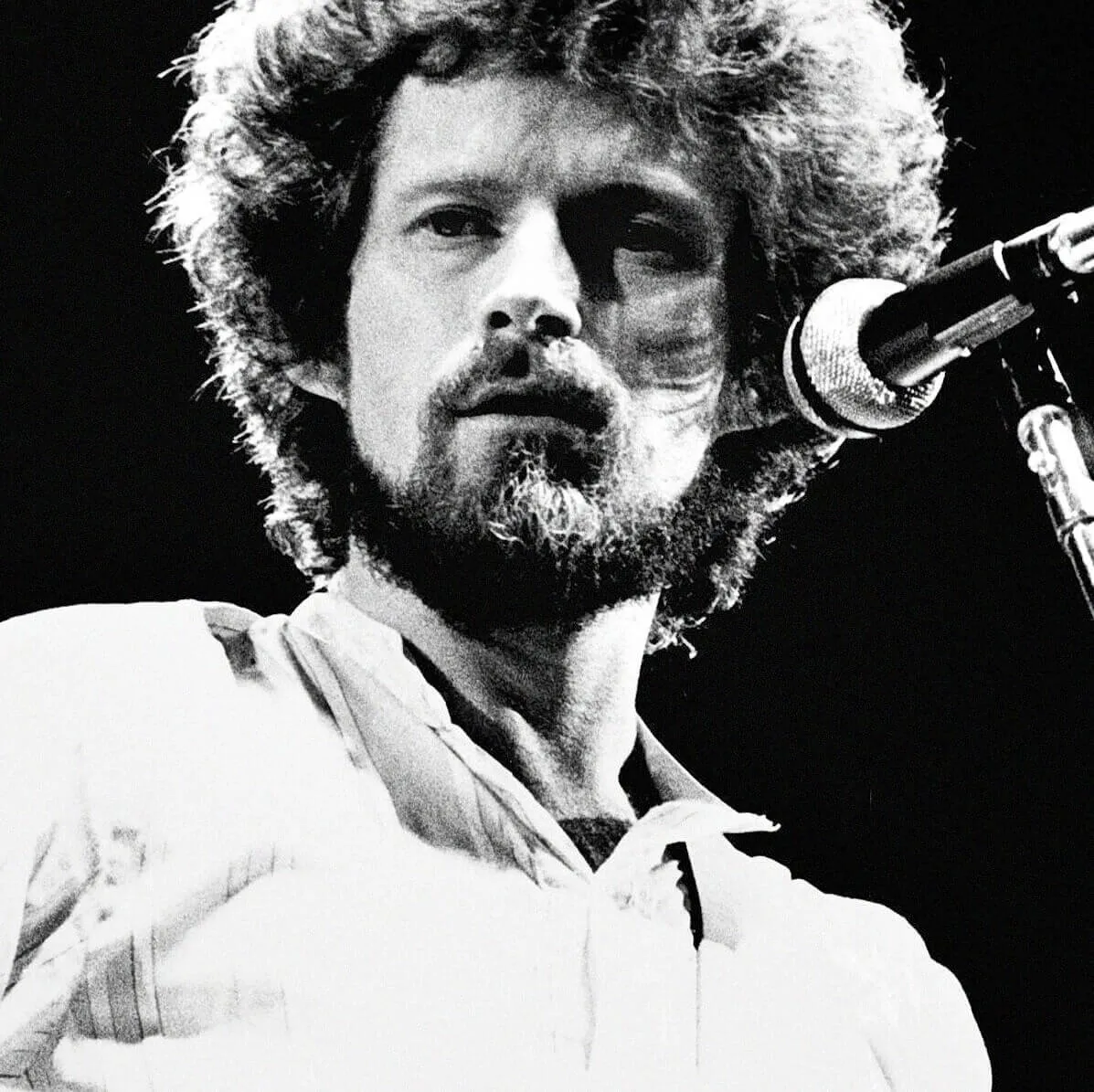
The Genesis of a Legend: From Demo to Masterpiece
The recording process for the “Hotel California” album, particularly for its title track, was famously meticulous and arduous. The band was committed to perfection, spending countless hours at Criteria Studios in Miami and later at Record Plant Studios in Los Angeles. The iconic guitar solo, a masterpiece of dual guitar work, was a collaborative effort between Don Felder and Joe Walsh. Felder initially crafted the main solo structure, and Walsh, renowned for his innovative guitar style, added his distinct flair and counterpoint, creating the legendary interplay that closes the song. This extended guitar outro is not merely an instrumental flourish; it’s an integral part of the narrative, representing the final, inescapable embrace of the “hotel.”
The collaboration extended beyond the core three writers. The entire band contributed to the arrangement, ensuring every instrument played its part in building the song’s complex texture. The distinctive drumming by Don Henley, the bass lines by Randy Meisner and later Timothy B. Schmit, and Joe Walsh’s additional guitar work all converged to create a sonic landscape that perfectly complemented the intricate lyrical journey. This collective effort, rooted in Felder’s original musical idea and brought to life by the lyrical genius of Henley and Frey, cemented “Hotel California” as a testament to The Eagles’ unparalleled musical synergy.
Unpacking the Metaphor: The “Hotel California” as a Destination
One of the most enduring aspects of “Hotel California” is the endless debate surrounding its meaning and the identity of the eponymous hotel. Is it a real place, a specific luxury resort, or something more abstract? The genius of Henley and Frey’s lyrics lies in their ambiguity, allowing for myriad interpretations that resonate deeply with listeners from all walks of life. This deliberate vagueness transforms the “hotel” from a simple building into a multifaceted symbol, making it a compelling “destination” in the listener’s mind.
More Than Just a Building: Symbolic Interpretations
While many have speculated about a literal location, The Eagles themselves have clarified that the “Hotel California” is not a physical establishment. Instead, it is a powerful metaphor for the dark underbelly of the American Dream, the excesses of the music industry in Los Angeles, and the seductive yet ultimately destructive nature of materialism and hedonism. The song describes a place that offers luxurious comforts but traps its guests, implying that once you enter this world of superficial glamour, escape is impossible. “You can check out any time you like, but you can never leave.” This line perfectly encapsulates the feeling of being ensnared by fame, addiction, or the glittering but hollow lifestyle that permeates parts of Southern California.
For some, the “Hotel California” represents the pitfalls of the drug culture prevalent in the 1970s. The “warm smell of colitas” (a colloquial term for marijuana) and the reference to “mirrors on the ceiling” and “pink champagne on ice” can be interpreted as symbols of drug use and decadent parties, where the pursuit of pleasure leads to a spiritual void. For others, it’s a critique of the cutthroat music business, where artists are lured by promises of fame and fortune, only to find themselves exploited and consumed by the industry’s demands. The “beast” that “fed on its own revolt” could easily refer to the self-destructive tendencies within the rock and roll scene itself. Regardless of the specific interpretation, the “Hotel California” remains a powerful symbol of a glamorous façade hiding a deeper, more unsettling truth. It speaks to the universal human experience of confronting the consequences of one’s choices, particularly when those choices are driven by external allure rather than internal fulfillment.
Real-World Inspirations and Californian Culture
Although the hotel itself is metaphorical, the imagery and atmosphere described in the song are deeply rooted in real-world experiences and the distinct culture of California. The album cover for “Hotel California” famously features a twilight photograph of the Beverly Hills Hotel, affectionately known as the “Pink Palace.” While the band has stated this hotel was not the literal inspiration for the song’s narrative, its opulent, somewhat secluded, and undeniably iconic status perfectly fit the aesthetic they were trying to convey. The hotel, a quintessential Los Angeles landmark, represents the kind of luxurious, exclusive accommodation that could easily house the wealthy and powerful, and thus, the metaphorical “traps” of Hollywood fame.
Beyond specific hotels, the song taps into the broader Californian ethos. The vision of California as a promised land, a place where dreams come true, contrasts sharply with the song’s cynical tone. It reflects the disillusionment many experienced when confronted with the reality behind the golden façade – the materialism, the superficiality, and the often-unfulfilled pursuit of happiness in a land overflowing with opportunity. The desolate “dark desert highway” at the song’s opening evokes the sprawling landscapes surrounding Los Angeles, creating a sense of isolation and journey that is characteristic of travel within the state. The entire narrative can be seen as a cautionary tale for those drawn to the glittering lights of Hollywood and the promise of endless summer.
The Eagles’ Journey: A Global Lifestyle on the Road
The creation and success of “Hotel California” are intrinsically linked to The Eagles’ extensive touring and the rock-star lifestyle they lived. As a band that crisscrossed the globe, they experienced an incredible array of destinations, cultures, and accommodations, all of which subtly, or overtly, influenced their creative output. Their journey from humble beginnings to headlining stadium tours offered them a unique vantage point from which to observe the very themes explored in their most famous song.
From Small Stages to International Arenas
The Eagles began their career like many bands, playing in small clubs and touring relentlessly across the United States. Their early days saw them performing at legendary venues like The Troubadour in West Hollywood, gradually building a loyal following. As their popularity soared with hits like “Take It Easy” and “Desperado,” their touring circuit expanded to encompass not just major American cities like New York City, Chicago, and Dallas, but also international destinations. They became a global phenomenon, playing to sold-out crowds in London, Paris, Tokyo, and beyond.
This constant travel exposed them to a vast spectrum of experiences. From luxury suites in five-star hotels to the less glamorous backstage areas of arenas, their “accommodation” varied wildly. They encountered diverse local cultures, sampled exotic foods, and witnessed the nuances of tourism in different parts of the world. These experiences inevitably fed into their songwriting, providing rich material for observation and reflection. The sense of detachment, the fleeting nature of encounters, and the sometimes-disorienting effect of constant movement likely contributed to the “Hotel California” narrative, which speaks to a transient existence, always on the move yet paradoxically stuck.
The Lifestyle of Rock Royalty: Luxury and Its Trappings
By the mid-1970s, The Eagles were at the pinnacle of rock stardom, living a life of extreme luxury that few could imagine. This “rock royalty” lifestyle, characterized by private jets, exclusive parties, and stays in the most opulent hotels and resorts around the world, provided fertile ground for the themes of “Hotel California.” They lived in the very world of excess they critiqued. Hotels like the Sunset Marquis or Chateau Marmont in Los Angeles became synonymous with the rock and roll scene, offering a blend of anonymity and notoriety to their famous guests. These establishments, while providing comfort, could also feel like gilded cages, offering every amenity but sometimes lacking true connection or authenticity.
The constant grind of touring and the pressures of maintaining their superstar status also took a toll, contributing to the sense of weariness and disillusionment woven into the song’s fabric. The “lifestyle” described in “Hotel California” is not just about material wealth; it’s about the psychological and emotional cost of living under such intense scrutiny and pressure. Their experiences with booking, comparing, and reviewing countless accommodations, whether for short stays or extended periods during recording sessions, undoubtedly gave them insights into the transient nature of luxury and the impermanence of even the grandest settings. This first-hand immersion in the high-stakes world of luxury travel and entertainment allowed them to craft a narrative that felt authentic, despite its metaphorical nature.
“Hotel California” and Its Lasting Impact
Decades after its release, “Hotel California” remains a staple on classic rock radio stations, a favorite at karaoke bars, and a critical benchmark in music history. Its impact extends far beyond its musical qualities, cementing its place as a true cultural landmark. The song transcends mere entertainment, offering a profound commentary that continues to resonate with new generations.
A Cultural Landmark: Shaping Perceptions
Just as famous architectural marvels or historical monuments shape our understanding of a place and time, “Hotel California” has become a cultural landmark that profoundly influences perceptions of California and the broader American experience. It captures a specific moment in history – the post-Vietnam War era of disillusionment, the rise of hedonism, and the fading idealism of the 1960s – with an uncanny accuracy. The song has become shorthand for a certain kind of alluring yet dangerous paradise, often referenced in films, television shows, and literature to evoke a sense of glamorous decay or inescapable allure.
For many, the song defines a certain image of Los Angeles: a city of dreams and nightmares, where fame and fortune are pursued with relentless ambition, often at a spiritual cost. It encourages listeners to look beyond the superficial glitter of tourist attractions and understand the deeper currents of culture and human nature at play. The narrative of being drawn into an inescapable, seductive trap speaks to universal anxieties about consumerism, addiction, and the often-elusive nature of true freedom, making it relevant far beyond the specific context of 1970s California.
The Enduring Legacy: A Soundtrack for the Ages
“Hotel California” garnered The Eagles a Grammy Award for Record of the Year in 1978, solidifying its critical acclaim. It consistently ranks high on lists of the greatest songs of all time, celebrated for its complex structure, masterful instrumentation, and profound lyrical depth. Its enduring popularity is a testament to its timeless appeal, continuing to draw listeners into its mysterious narrative.
The song’s legacy is intertwined with that of The Eagles themselves, cementing their status as one of the most successful and influential bands in rock history. It showcased their evolution from country-rock pioneers to sophisticated purveyors of mainstream rock, capable of crafting intricate, multi-layered masterpieces. The intricate guitar work of Don Felder and Joe Walsh, the evocative vocals of Don Henley, and the narrative vision of Glenn Frey have inspired countless musicians and continue to shape the landscape of rock music. The song is not just a relic of the past; it remains a vibrant, living piece of art that invites contemplation and reinterpretation, ensuring its place in the pantheon of music legends for generations to come.
In conclusion, “Hotel California” was a truly collaborative effort, born from the musical genius of Don Felder and meticulously brought to life by the lyrical prowess of Don Henley and Glenn Frey. It stands as a powerful testament to the creative synergy within The Eagles, a band whose experiences traveling the world, living the rock-star lifestyle, and observing the glittering yet often hollow facades of fame and fortune, provided the raw material for this enduring masterpiece. More than just a song, it is an intricate journey, a metaphorical destination that continues to challenge, fascinate, and resonate with all who embark upon its dark desert highway.
LifeOutOfTheBox is a participant in the Amazon Services LLC Associates Program, an affiliate advertising program designed to provide a means for sites to earn advertising fees by advertising and linking to Amazon.com. Amazon, the Amazon logo, AmazonSupply, and the AmazonSupply logo are trademarks of Amazon.com, Inc. or its affiliates. As an Amazon Associate we earn affiliate commissions from qualifying purchases.