
Embarking on a career in real estate in California is more than just obtaining a license; it’s an invitation to a dynamic lifestyle, offering unparalleled opportunities for travel, exploration, and professional growth within one of the world’s most vibrant economies. For those drawn to the allure of diverse landscapes, from sun-drenched beaches and bustling metropolises to serene wine countries and majestic mountains, becoming a licensed real estate agent in the Golden State opens doors to a profession deeply intertwined with its rich culture, famous landmarks, and booming tourism industry. This guide will walk you through the essential steps, ensuring you understand not just the ‘how’ but also the profound ‘why’ behind pursuing this exciting career path.
Embarking on a Golden State Journey: Why Real Estate in California?
California is a land of dreams, a magnet for innovators, artists, and adventurers. Its robust economy, coupled with a constant influx of residents and tourists, creates a perpetually active real estate market. This isn’t just about selling houses; it’s about connecting people with their ideal accommodation, whether it’s a luxury suite overlooking the Pacific Ocean, a family home near top attractions like Disneyland, a chic urban apartment in San Francisco, or an investment property poised for growth. For a real estate professional, every client interaction can be a journey, every showing an exploration of a new neighborhood or a hidden gem.
A Lifestyle of Opportunity and Exploration
Imagine a career where your office extends from the tech hubs of Silicon Valley to the vineyards of Napa Valley, from the pristine shores of Malibu to the vibrant nightlife of Hollywood. As a real estate agent in California, you’re not confined to a desk; you’re constantly on the move, experiencing the state’s diverse geography and cultural tapestry. This career path inherently promotes a lifestyle of travel and discovery, allowing you to build expertise in various micro-markets, each with its unique charm and appeal.
For many, the appeal lies in the flexibility and entrepreneurial spirit of the profession. You set your schedule, cultivate your client base, and build a business that reflects your personal brand. This freedom can mean more time for personal travel, family trips, or even developing niche expertise in areas like luxury travel accommodations, vacation rentals, or commercial properties that cater to tourism-related businesses, such as boutique hotels or resorts. It’s a role that demands intimate knowledge of local attractions, schools, and communities, turning you into a de facto guide for newcomers and investors alike.
California’s Diverse Landscapes: A Real Estate Agent’s Canvas
California’s geography is as varied as its population, offering a rich canvas for real estate professionals. From the iconic vistas of the Golden Gate Bridge in San Francisco to the sun-drenched beaches of San Diego, the desert retreats of Palm Springs, the celebrity enclaves of Beverly Hills, and the majestic beauty of Lake Tahoe, each region presents distinct real estate opportunities.
Agents specializing in coastal properties might focus on luxury homes in Santa Monica or Big Sur, catering to clients seeking scenic views and exclusive amenities. Inland, agents in areas like Sacramento or the San Joaquin Valley might deal with agricultural lands, suburban family homes, or investment properties fueled by the region’s burgeoning industries. Understanding the local culture, prominent landmarks, and economic drivers of each area is paramount. A successful agent doesn’t just sell property; they sell a lifestyle, a community, and access to the unique experiences that define each California destination. This broad appeal means you can carve out a niche that genuinely excites you, whether it’s urban high-rises, sprawling ranches, or vacation homes near national parks like Yosemite National Park or Death Valley National Park.
Charting Your Course: The Path to Licensure
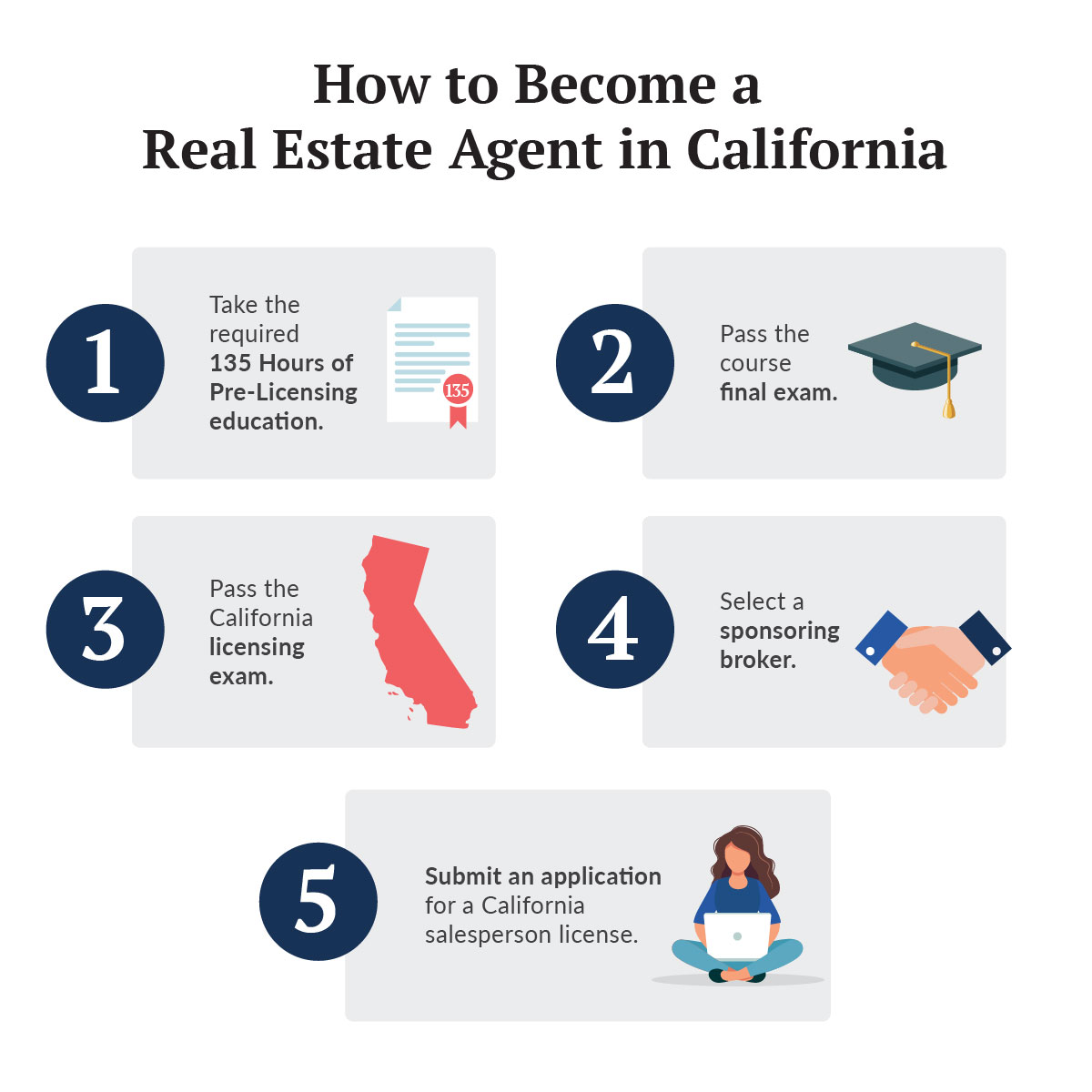
Obtaining your real estate license in California is a structured process managed by the California Department of Real Estate (DRE). While it requires dedication, the journey is straightforward and designed to equip you with the foundational knowledge necessary for success.
Meeting the Foundation Requirements
Before you can even consider enrolling in pre-licensing courses, you must meet a few fundamental criteria:
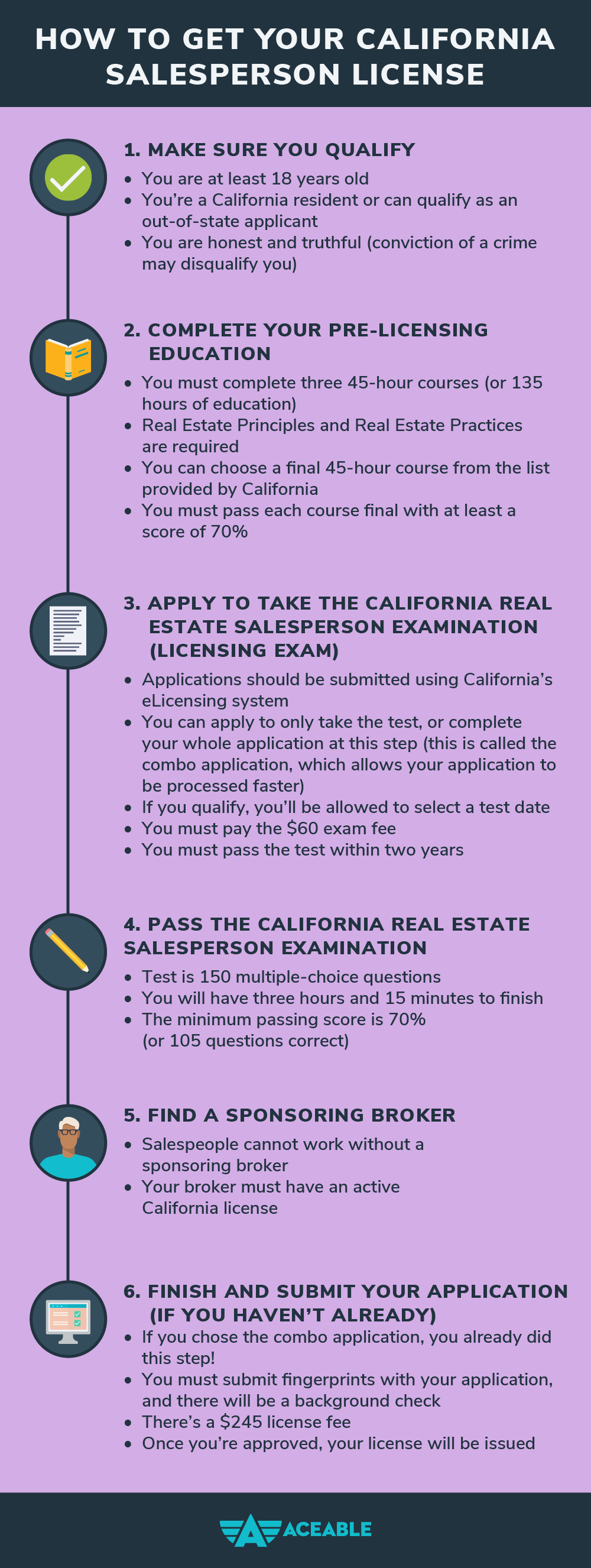
- Age Requirement: You must be at least 18 years old. This is a standard entry point, making real estate an accessible career path for many.
- Residency: While you don’t necessarily have to be a California resident to apply for a license, you will need to meet specific requirements for non-residents, often including consent to service of process. However, most aspiring agents are residents, already immersed in the local markets they wish to serve.
- Honesty and Integrity: The DRE requires applicants to be honest and truthful. A background check, including fingerprinting, is a mandatory part of the application process. Any past criminal convictions or disciplinary actions may be grounds for denial of a license, depending on the nature and severity of the offense. Transparency throughout this stage is crucial.
Navigating Your Pre-Licensing Education
This is arguably the most significant step in your journey. The DRE mandates that all applicants complete a minimum of three college-level courses, each consisting of 45 hours of instruction. These courses provide the essential legal, ethical, and practical knowledge required to operate competently in the real estate field.
- Real Estate Principles: This foundational course introduces you to the core concepts of real estate, including property ownership, types of estates, encumbrances, contracts, agency relationships, and financing. It lays the groundwork for understanding the legal and practical aspects of property transactions.
- Real Estate Practice: This course focuses on the practical application of real estate principles. It covers the day-to-day activities of an agent, such as listing properties, marketing, negotiating offers, handling escrow, and understanding disclosure requirements. This is where you learn the “how-to” of being an active agent.
- One Elective Course: You have the flexibility to choose one additional 45-hour course from a list approved by the DRE. Popular choices include:
- Real Estate Finance: Delves deeper into financing methods, loans, mortgages, and the role of financial institutions in real estate.
- Real Estate Appraisal: Teaches you how to estimate property values, understand appraisal methods, and the factors that influence property worth. This is particularly useful in California’s diverse markets where property valuation can be complex.
- Real Estate Economics: Explores market dynamics, supply and demand, and how economic factors impact real estate values and trends.
- Legal Aspects of Real Estate: Provides a more in-depth look at real estate law, contracts, and regulations.
- Real Estate Property Management: Essential for agents interested in investment properties, vacation rentals, or commercial real estate, touching upon tenant relations and property maintenance.
These courses can be completed through various approved providers, including community colleges, universities, and private real estate schools, many of which offer online self-paced programs. This flexibility allows aspiring agents to fit their studies around existing commitments, whether it’s a current job or even a travel schedule. The immersive nature of these studies will give you a profound understanding of not just properties, but also the regulations that govern accommodation and investment in one of the most dynamic states for tourism and lifestyle.
Mastering the California Real Estate Exam
Once your education requirements are fulfilled and verified by the DRE, you’ll be eligible to apply for the state licensing exam. This is a critical hurdle that tests your comprehensive understanding of all the material covered in your pre-licensing courses.
- Application Process: You’ll submit your application for the salesperson examination, along with proof of course completion and the required fees, to the DRE. You can apply online or by mail.
- Exam Format: The California Real Estate Salesperson Exam is a challenging multiple-choice test. It consists of 150 questions, and you are given 3 hours and 15 minutes to complete it. A passing score is 70% or higher.
- Preparation is Key: Success on the exam hinges on thorough preparation. Many applicants utilize exam prep courses, practice tests, and study guides in addition to their pre-licensing materials. Focusing on areas like real estate law, contracts, agency, financing, valuation, and disclosures is paramount. The DRE also provides a content outline to guide your studies.
- Exam Locations: The exam is administered at various DRE testing centers across California, including major cities like Los Angeles, San Francisco, San Diego, and Sacramento. You can choose the most convenient location when scheduling your exam.
Passing the exam is a significant achievement, demonstrating your readiness to ethically and competently serve clients in the complex California real estate market.
Beyond the License: Building a Thriving Real Estate Career
Obtaining your license is just the beginning. The real work, and the real adventure, starts when you begin to apply your knowledge in the field. Building a successful career in California real estate involves strategic choices, continuous learning, and a passion for connecting people with their ideal properties and lifestyles.
Finding Your Brokerage: A Key to Success
After passing your exam, your next crucial step is to find a sponsoring broker. In California, real estate salespersons cannot operate independently; they must be supervised by a licensed real estate broker. Your choice of brokerage can profoundly impact your early career trajectory.
Consider brokerages that align with your professional goals and preferred lifestyle. Do you want to work for a large, established firm with extensive training programs and a broad reach across California’s diverse markets, including commercial properties or luxury resorts? Or would a boutique agency, specializing in a specific neighborhood or type of accommodation (e.g., vacation rentals in Palm Springs or historic homes near Hollywood landmarks), be a better fit for your personal brand and interests in local culture? Look for:
- Training and Mentorship: Especially for new agents, robust training programs and experienced mentors are invaluable.
- Culture and Support: Find a brokerage with a supportive environment that encourages collaboration and professional development.
- Commission Splits: Understand the financial models and how commission earnings are shared.
- Technology and Resources: Access to modern tools, marketing resources, and lead generation systems can make a significant difference.
- Geographic Focus: Choose a brokerage active in the areas you want to serve, whether it’s the urban core of Los Angeles, the coastal communities of Santa Monica, or the sprawling Central Valley.
Specializing in California’s Unique Property Markets
California’s real estate market is incredibly segmented. Rather than trying to be a generalist, many successful agents find their niche. This could involve specializing in:
- Luxury Real Estate: Catering to high-net-worth individuals seeking premium homes, estates, or vacation properties often tied to high-end travel and lifestyle experiences.
- Investment Properties: Guiding clients through purchasing rental properties, commercial spaces, or even hotels, leveraging California’s strong tourism and business sectors.
- First-Time Homebuyers: Helping individuals and families navigate the complexities of purchasing their first home.
- Vacation Rentals: Assisting owners and investors with properties in popular tourist destinations like Palm Springs, Lake Tahoe, or coastal towns, understanding the unique booking and accommodation aspects.
- Commercial Real Estate: Focusing on office buildings, retail spaces, or industrial properties, vital for businesses looking to establish or expand in California’s thriving economy.
Developing expertise in a specific area allows you to become a go-to resource, build a strong reputation, and differentiate yourself in a competitive market. It also often aligns with specific travel patterns, as you might frequently visit particular destinations or types of properties.
The Lifestyle Rewards of a Real Estate Professional
Beyond the financial incentives, a career in California real estate offers profound lifestyle rewards. It’s a profession that encourages continuous learning about economics, architecture, local history, and social trends. You’ll develop strong negotiation skills, critical thinking, and a deep understanding of human psychology.
Your work will immerse you in the diverse cultures and landscapes of California. Every property showing can feel like a mini-tour of a new neighborhood, a historic landmark, or a natural beauty spot. You become an expert not just in homes, but in the entire ecosystem surrounding them – the best local restaurants, the most charming boutiques, the quickest routes to Los Angeles or San Francisco airports for business travel, and the hidden gems that make each area unique.
Ultimately, obtaining your real estate license in California is an investment in a career that promises not just financial prosperity, but also a rich, varied, and engaging lifestyle. It’s a ticket to endless exploration, human connection, and the opportunity to help people achieve their dreams in one of the world’s most beautiful and dynamic states. The journey is challenging, but the destinations – both professional and personal – are truly golden.
LifeOutOfTheBox is a participant in the Amazon Services LLC Associates Program, an affiliate advertising program designed to provide a means for sites to earn advertising fees by advertising and linking to Amazon.com. Amazon, the Amazon logo, AmazonSupply, and the AmazonSupply logo are trademarks of Amazon.com, Inc. or its affiliates. As an Amazon Associate we earn affiliate commissions from qualifying purchases.