
For anyone living in or planning extensive travel through the United States, understanding the requirements for a Real ID is no longer just a recommendation – it’s a necessity, especially if you reside in the Golden State. As a hub for tourism, business, and diverse lifestyles, California welcomes millions annually, and for residents and long-term visitors, securing a Real ID-compliant driver’s license or identification card is crucial for seamless navigation of daily life and travel. This comprehensive guide will walk you through the essential documents needed to obtain your Real ID in California, ensuring your travel plans and access to federal facilities remain uninterrupted.
The Real ID Act, passed by Congress in 2005, established minimum security standards for state-issued driver’s licenses and identification cards and prohibits federal agencies from accepting licenses and identification cards from states that do not meet these standards for certain purposes. While the deadlines have been extended multiple times, the enforcement date is now firmly set, making it imperative for individuals to switch to a Real ID if they intend to use their state-issued ID for domestic air travel or to enter federal facilities, military bases, or nuclear power plants. For the avid traveler or the local exploring California’s many landmarks and attractions, an understanding of these requirements is fundamental.
Why Real ID is Indispensable for the Modern Traveler
In an era where travel convenience is paramount, the Real ID plays a pivotal role in ensuring smooth journeys across the United States. Imagine planning a dream vacation to the pristine beaches of Hawaii, a bustling city break in New York City, or an adventurous road trip through Arizona‘s national parks. All these domestic air travels, come the enforcement deadline, will require a Real ID-compliant identification for adults 18 years and older at airport security checkpoints. Without it, you could face significant delays or even be denied boarding by the Transportation Security Administration (TSA).
The lifestyle associated with frequent travel, be it for leisure, business stays, or family trips, necessitates proactive planning. Many hotels and accommodation providers, while not directly requiring a Real ID for check-in, often ask for a valid government-issued ID. While a standard California driver’s license might suffice for this, the integration of Real ID into the fabric of federal interactions means a Real ID simplifies more than just airport security. It is designed to enhance security nationwide, streamlining processes that rely on secure identification. Therefore, for those who value efficiency and avoiding last-minute stress, obtaining a Real ID is a crucial step in preparing for any journey.
Beyond air travel, the Real ID is also essential for accessing certain federal facilities. This might not directly impact every tourist, but for business travelers attending conferences in government buildings or individuals needing to access specific federal services, the Real ID acts as your key. It’s about ensuring your freedom of movement and access within the parameters set for national security. While a U.S. Passport or other federally approved identification will also work, having a Real ID simplifies your wallet and offers a convenient option for most domestic purposes.
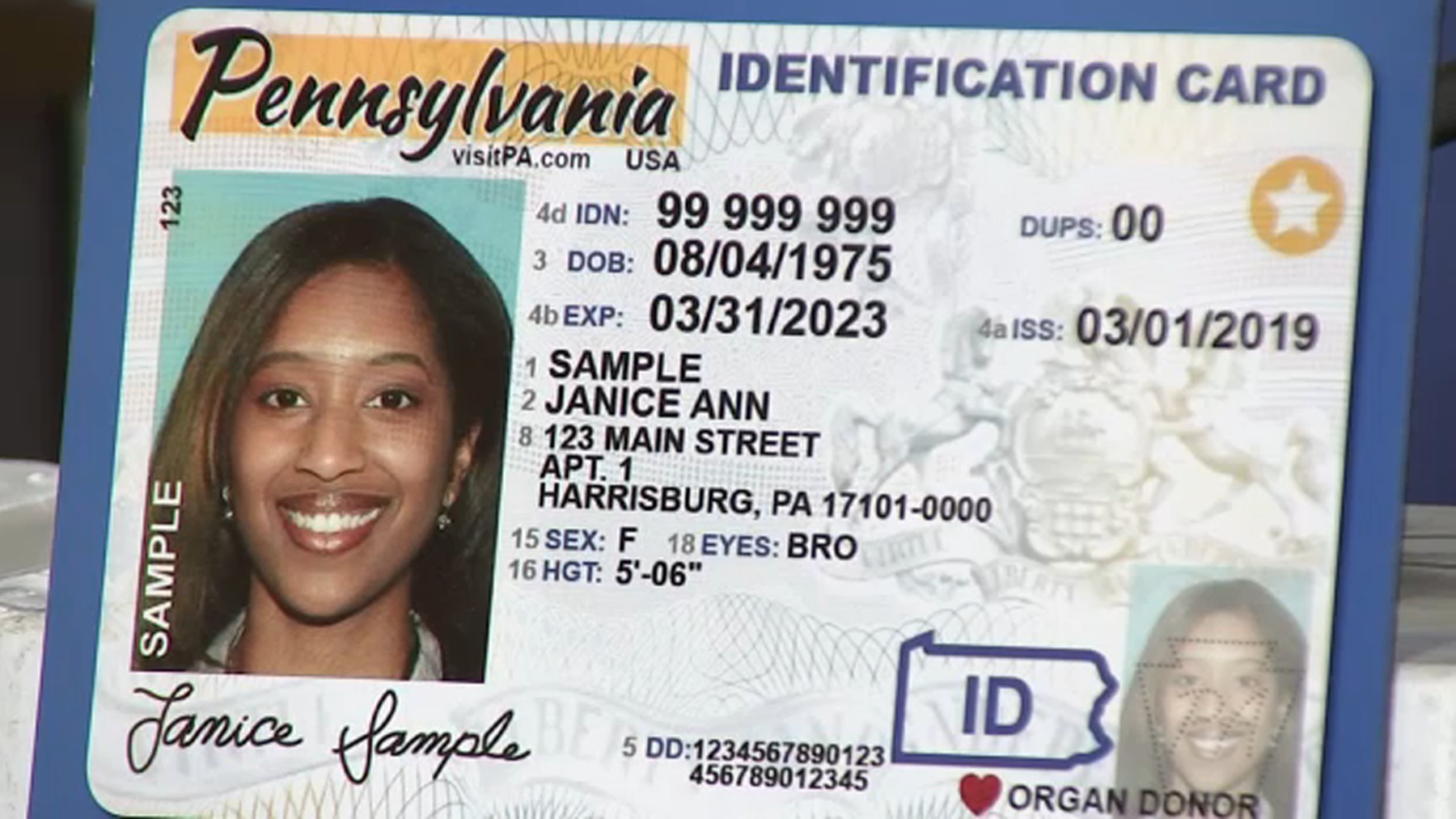
Navigating the Document Maze: Essential Categories for Your Real ID Application
Obtaining a Real ID in California requires a methodical approach to document gathering. The California Department of Motor Vehicles (DMV) has specific requirements, and presenting an incomplete set of documents is the primary reason for application delays. Generally, you’ll need to provide proof of identity, proof of residency, and proof of your Social Security Number. Let’s break down each category.
Proof of Identity: Establishing Who You Are
This is arguably the most critical component of your application, as it legally verifies your identity and birthdate. The California DMV requires one original or certified document to establish your true full name and birthdate.
Acceptable Documents Include:
- U.S. Birth Certificate: This must be an original or certified copy issued by a state or county vital statistics office. Hospital birth records are generally not accepted.
- U.S. Passport or Passport Card: A current, valid U.S. Passport is an excellent form of identification and often the easiest to use. The Passport Card is also acceptable.
- Foreign Passport with valid U.S. visa and approved I-94 form: For non-citizens residing in California, this combination of documents is vital.
- Permanent Resident Card: Form I-551, issued by the United States Citizenship and Immigration Services (USCIS).
- Employment Authorization Document (EAD): Form I-766, also issued by USCIS.
- Certificate of Naturalization: Form N-550 or N-570.
- Certificate of Citizenship: Form N-560 or N-561.
Important Note on Name Changes: If the name on your identity document (e.g., birth certificate) differs from your current legal name, you must provide additional legal documents to prove the change. These could include:
- Marriage Certificate: An original or certified copy.
- Divorce Decree: An original or certified copy.
- Adoption Papers: Legally binding documents.
- Court Order for Name Change: An official document from a court.
It is paramount that the name on all your supporting documents aligns or that you have a clear legal paper trail connecting them. The name on your new Real ID will reflect your most recent legal name, so ensure all documentation supports this.
Proof of Residency: Confirming Your California Connection
To get a California Real ID, you must demonstrate that you are a bona fide resident of the state. The DMV typically requires two different documents showing your name and California mailing address. These documents should be current and reflect your primary residence.
Commonly Accepted Residency Documents Include:
- Utility Bills: Electricity, gas, water, or cable/internet bills. These should not be more than two months old.
- Rental Agreement or Lease: A current, signed agreement for your residence.
- Mortgage Bill or Statement: Recent statements showing your name and address.
- Bank Statements: Statements from a financial institution.
- Insurance Documents: Auto, home, or health insurance policies or billing statements.
- Medical Documents: A medical bill or statement.
- Employment Documents: Pay stubs with your address, or a letter from your employer on company letterhead.
- Tax Documents: Property tax bill or federal/state income tax return.
- School Documents: Transcripts or enrollment letters for students.
- Voter Registration Confirmation: Showing your California address.
Tips for Residency Proof: Ensure the address on your chosen documents matches your current mailing address exactly. If you receive mail at a P.O. Box, you will still need to provide proof of your physical street address. For individuals who have recently moved to California, gathering two distinct proofs of residency might take a little effort but is entirely achievable. For example, a rental agreement combined with a recent bank statement or utility bill should suffice.
Proof of Social Security Number: Verifying Your Taxpayer Status
The final core requirement is proof of your Social Security Number (SSN). The DMV will verify your SSN electronically with the Social Security Administration. You need to provide one document that clearly displays your full SSN.
Acceptable Documents Include:
- Social Security Card: Your official Social Security Card is the most straightforward document.
- W-2 Form: Wage and Tax Statement, issued by your employer.
- SSA-1099 Form: Social Security Benefit Statement.
- Non-SSA-1099 Form: For other income.
- Pay Stub: A recent pay stub that clearly shows your full name and SSN.
What if you don’t have an SSN? If you are not eligible for an SSN, you may still be able to apply for a Real ID if you meet all other requirements and provide an official document from the Social Security Administration stating your ineligibility. This is usually applicable to certain non-citizens.
The Application Process: From Preparation to DMV Visit
Once you’ve meticulously gathered all your necessary documents, the application process for a Real ID in California is relatively streamlined, though it does require a visit to a DMV office.
Step 1: Complete the Online Application
The California DMV strongly recommends starting your application online. By visiting the official DMV website and completing the online application form, you can save significant time during your in-person visit. This step allows you to input your personal information, indicate your intent to apply for a Real ID, and even upload some documents beforehand. Upon completion, you’ll receive a confirmation code, which you’ll need to present at the DMV.
Step 2: Schedule an Appointment
While walk-ins are sometimes accommodated, scheduling an appointment is highly advisable to minimize wait times at a DMV office. The DMV website offers an easy-to-use appointment system. Choose a date and time that works best for you at your preferred location. Popular DMV offices in major cities like Los Angeles, San Francisco, Sacramento, or San Diego can have longer wait times, so booking well in advance is a good strategy.
Step 3: Visit Your Local DMV Office
On the day of your appointment, ensure you bring all your original documents (no photocopies unless specifically stated as acceptable, e.g., for certain residency proofs). You will:
- Present your confirmation code: From your online application.
- Submit your documents: A DMV representative will review all your original identity, residency, and SSN proofs. This is where meticulous preparation pays off.
- Pay the application fee: The current fee for a Real ID driver’s license or identification card can be found on the DMV website.
- Have your thumbprint taken: As part of the security measures.
- Have your photograph taken: This will be the photo on your new Real ID.
- Complete a vision test: If applying for a Real ID driver’s license.
After successfully completing these steps, you will typically receive a temporary paper ID, and your permanent Real ID-compliant card will be mailed to your California address within a few weeks. It’s important to remember that the temporary ID is not valid for air travel; you’ll need to use an alternative federally accepted ID (like a passport) until your physical Real ID arrives.
Beyond the ID: Enhancing Your California Travel and Lifestyle
Once your Real ID is safely in your wallet, the vast and varied experiences of California await, accessible with unparalleled ease. From the sun-drenched beaches of Santa Monica and the iconic Golden Gate Bridge to the majestic redwoods of Redwood National Park and the vibrant energy of Hollywood, California offers an endless array of attractions and destinations catering to every travel style.
A Real ID simplifies domestic air travel, allowing you to seamlessly connect to different regions of California. Imagine flying into San Jose for a tech conference, then hopping on a quick flight to Palm Springs for a weekend of relaxation. Or perhaps you’re flying into Anaheim to experience the magic of Disneyland with family, followed by a coastal drive along the Pacific Coast Highway to Big Sur and Santa Barbara. Your Real ID ensures these transitions are smooth, letting you focus on the experiences rather than bureaucratic hurdles.
For those embracing the lifestyle of luxury travel, knowing your identification is secure and federally compliant provides peace of mind, whether you’re checking into a five-star resort in Napa Valley or booking an exclusive villa overlooking Lake Tahoe. Budget travelers, too, benefit from the efficiency, ensuring their carefully planned itineraries aren’t disrupted by ID issues. Family trips to Yosemite National Park or Joshua Tree National Park become more accessible when all adult family members have compliant identification.
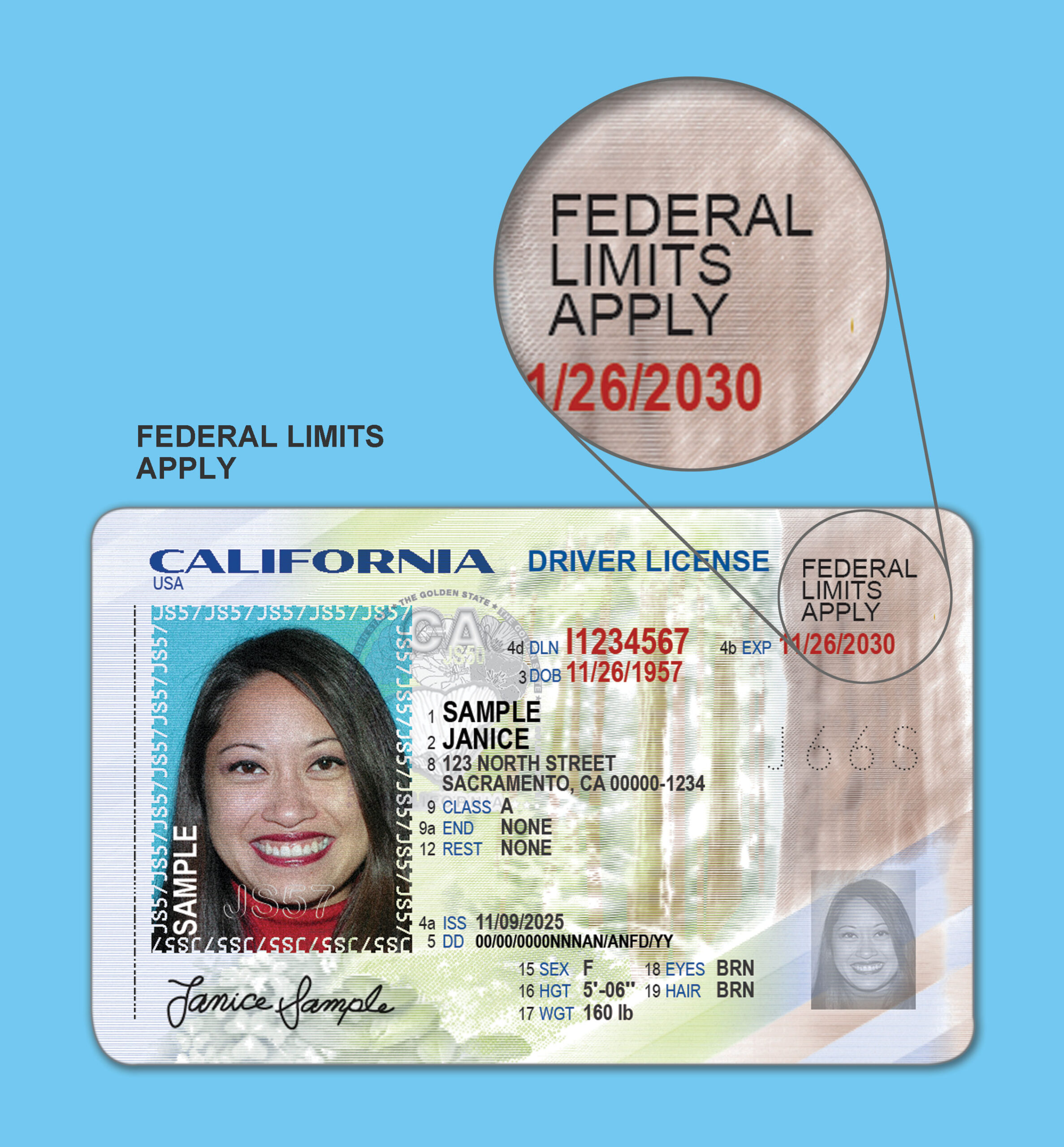
Even beyond California’s borders, your Real ID, while primarily for domestic use, is a testament to secure identification. For international travel, especially to neighboring countries like Mexico or Canada, a passport is still the standard. However, the Real ID provides a robust foundational document for all your travels within the United States.
In conclusion, obtaining a Real ID in California is a straightforward process when approached with proper preparation. By understanding the specific document requirements for proof of identity, residency, and Social Security Number, and by following the DMV’s application procedures, you can ensure a seamless transition to a federally compliant ID. This small administrative step unlocks a world of travel possibilities and simplifies your interaction with federal services, allowing you to fully immerse yourself in the rich tapestry of experiences that California and the rest of the United States have to offer, without a second thought about your identification. It’s an essential upgrade for anyone seeking a life out of the box.
LifeOutOfTheBox is a participant in the Amazon Services LLC Associates Program, an affiliate advertising program designed to provide a means for sites to earn advertising fees by advertising and linking to Amazon.com. Amazon, the Amazon logo, AmazonSupply, and the AmazonSupply logo are trademarks of Amazon.com, Inc. or its affiliates. As an Amazon Associate we earn affiliate commissions from qualifying purchases.