
California, a beacon of innovation, culture, and unparalleled natural beauty, has long been a dream destination for travelers worldwide. From the sun-drenched beaches of Southern California to the majestic redwoods of the north, and from the bustling urban sprawls of Los Angeles and San Francisco to the serene vineyards of Napa Valley, the Golden State offers an extraordinary mosaic of experiences. Integral to these experiences is the state’s vibrant hospitality sector, a sprawling ecosystem of restaurants, hotels, resorts, and attractions that welcome millions of visitors each year. The livelihoods of countless individuals working in this sector, particularly servers, underpin the quality of service that both locals and tourists have come to expect.
In 2021, a significant shift occurred in the financial landscape for many of these essential workers: the implementation of an increased minimum wage. Understanding when California servers began earning this adjusted minimum wage and the subsequent implications provides crucial insight for anyone interested in the economics of travel, the intricacies of the hotel industry, and the evolving dynamics of tourism in one of the world’s most popular destinations. This change was not merely a matter of payroll adjustments; it sent ripples through restaurant pricing, hotel operational strategies, and ultimately, the overall travel experience across the state. For those planning a getaway to California, whether it’s a luxury escape to Beverly Hills, a family adventure to Disneyland Resort, or a scenic drive along the Pacific Coast Highway, understanding these shifts is key to appreciating the broader context of their visit.
The Shifting Landscape of Server Compensation in California’s Hospitality Industry
California has long stood apart from many other U.S. states in its approach to minimum wage for tipped employees. Unlike states that allow employers to pay a sub-minimum “tipped wage” on the assumption that tips will make up the difference, California mandates that employers pay the full state minimum wage before tips are even considered. This fundamental distinction is critical when discussing server compensation. The tips earned by servers are, by law, considered their sole property and are paid in addition to their minimum wage, not as a component of it. This framework is designed to provide a more stable and predictable income floor for hospitality workers, regardless of the fluctuating nature of tips.
Understanding California’s Minimum Wage Framework Before 2021
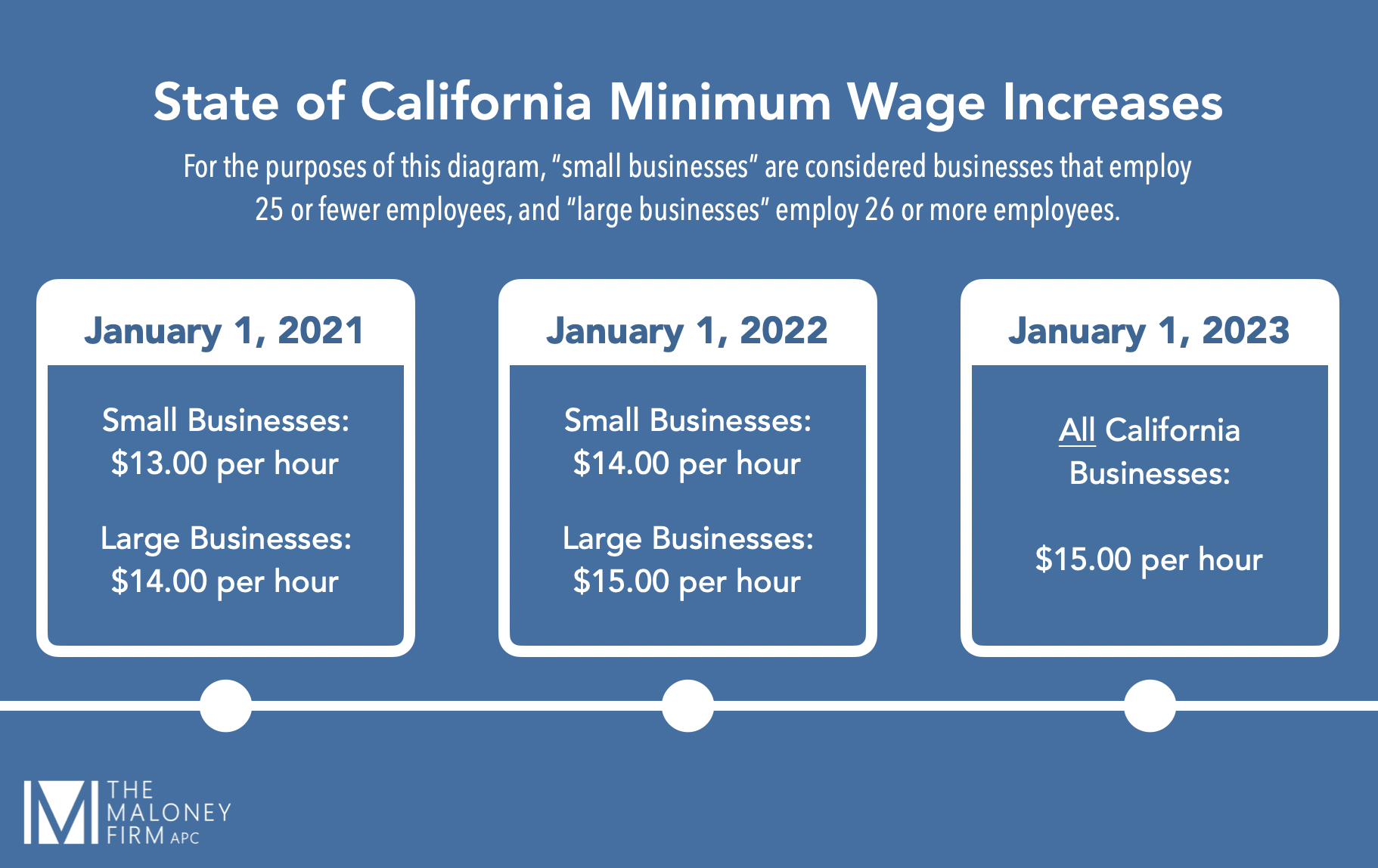
Prior to 2021, California’s minimum wage had been on a steady upward trajectory, part of a statewide legislative effort to reach a $15 per hour minimum wage for all workers. This incremental increase was phased in over several years, with different rates applying to businesses based on their size (those with 25 or fewer employees vs. those with 26 or more). The goal was to provide a predictable pathway for businesses to adjust while ensuring a living wage for employees in a state with a notoriously high cost of living, especially in major metropolitan areas like San Diego, San Jose, and the entire Bay Area.
This progressive approach meant that by the end of 2020, even before the 2021 adjustments, servers in California were already earning a significantly higher base wage than their counterparts in many other states. For businesses with 26 or more employees, the minimum wage was $13.00 per hour, while for those with 25 or fewer, it was $12.00 per hour. These figures, while seemingly high to some, reflect the economic realities faced by workers in cities where rent, groceries, and transportation costs are among the highest in the nation. The steady increase was designed to improve the quality of life for workers, reduce reliance on public assistance, and stimulate local economies by increasing consumer purchasing power. For the tourism sector, this meant that the service industry, from the front desk of a Ritz-Carlton in Laguna Niguel to a bustling diner in Sacramento, was operating on a higher wage floor than similar establishments elsewhere.

The 2021 Minimum Wage Adjustment and its Implementation
Effective January 1, 2021, the statewide minimum wage in California saw another significant bump as part of the scheduled increases. For employers with 26 or more employees, the minimum wage increased to $14.00 per hour. For employers with 25 or fewer employees, it rose to $13.00 per hour. This meant that, as of the start of 2021, every server in California, regardless of the size of their employer, was guaranteed to make at least $13.00 per hour, in addition to any tips they earned. This was a crucial milestone on the path to the $15 per hour statewide minimum wage, which was eventually fully implemented on January 1, 2022.
The implementation of these new rates on January 1st is typical for annual wage adjustments in California, providing businesses with a predictable date to update their payroll systems and adjust their operational budgets. The rationale behind these continued increases remained consistent: to address the rising cost of living, particularly in urban areas and popular tourist destinations, and to ensure that workers could afford basic necessities. For the travel industry, this adjustment was not just an internal HR matter; it became an indirect factor influencing the cost and character of a California getaway. Businesses, from luxury Four Seasons resorts in Santa Barbara to family-run restaurants near Yosemite National Park, had to factor these increased labor costs into their pricing strategies, potentially affecting everything from meal prices to resort fees.

Impact on California’s Vibrant Hospitality Sector
The increase in the minimum wage for servers and other hospitality staff in 2021 had a profound and multifaceted impact on California’s hospitality sector. This industry is a cornerstone of the state’s economy, attracting tourists who spend billions annually on accommodation, dining, and experiences. Changes to labor costs inevitably ripple through the entire ecosystem, affecting business operations, service quality, and ultimately, the traveler’s experience.
Restaurants and the Service Experience
Restaurants are often the most visible face of the service industry for travelers. From Michelin-starred establishments in San Francisco to casual beachside cafes in Santa Monica, the dining scene is a major draw for tourism. The 2021 minimum wage increase meant higher operational costs for virtually every restaurant in California. Businesses faced critical decisions: absorb the costs, pass them on to consumers through price increases, or find efficiencies elsewhere.
Many restaurants opted for a combination of strategies. Menu prices often saw slight adjustments, a phenomenon that tourists might notice, particularly in popular dining hubs like West Hollywood or Pasadena. Some establishments also explored alternative compensation models, such as implementing service charges instead of relying solely on tips, though this practice often sparks debate among patrons and staff alike. The goal for many was to maintain profitability without alienating a customer base that includes discerning travelers.
On the positive side, higher wages can contribute to improved staff morale and reduced turnover. Servers who feel fairly compensated are often more engaged, professional, and dedicated, which can translate into an enhanced dining experience for guests. A stable, experienced waitstaff can provide better recommendations, more efficient service, and a warmer atmosphere – all factors that contribute significantly to a positive travel memory. For tourists exploring California’s diverse culinary landscape, from fresh seafood in Monterey to farm-to-table delights in Sonoma County, the quality of service is as crucial as the quality of the food. The minimum wage hike, therefore, was not just an expense for businesses but an investment in human capital that could ultimately elevate the state’s gastronomic appeal.
Hotels, Resorts, and the Broader Accommodation Industry
The impact extended beyond standalone restaurants to the extensive accommodation sector, including hotels, resorts, and even boutique inns. While many hotel employees, such as housekeepers and front desk staff, were already subject to the standard minimum wage, the increase directly affected servers in hotel restaurants, bars, and those providing room service. Furthermore, the overall increase in labor costs across the service sector created a ripple effect. Hotels, from the bustling Hyatt Regency in downtown San Diego to the secluded luxury resorts of Big Sur, employ a vast array of staff whose wages adjusted upwards.
Operational costs for hotels consequently rose. This often translated into various adjustments for guests, such as slightly higher room rates, increased resort fees, or adjusted pricing for in-house dining and amenities. Hotels in prime tourist locations like Anaheim (home to Disneyland Resort and Knott’s Berry Farm), Hollywood, or Palm Springs are particularly sensitive to these changes, as they cater to a high volume of travelers with varying budgets.
However, similar to restaurants, the expectation was that a better-compensated workforce would lead to higher quality service. This is particularly vital for luxury travel and high-end accommodation, where guest experience is paramount. A well-paid, motivated staff member at a Marriott or a Hilton property is more likely to go the extra mile, enhancing the overall comfort and satisfaction of a guest’s stay. From seamless check-ins to attentive concierge services and pristine room maintenance, every aspect of a hotel experience benefits from a stable and professional workforce. Thus, while the immediate impact was an increase in operational expenses, the long-term vision was to solidify California’s reputation for exceptional hospitality, thereby sustaining its appeal as a premier travel destination.
Implications for Travelers and Tourists in the Golden State
For anyone planning a trip to California, understanding the minimum wage adjustments of 2021 (and subsequent years) is more than an academic exercise; it has practical implications for budgeting, expectations, and the overall travel experience. California consistently ranks among the most expensive states for travel, and labor costs are a significant contributing factor to this reality.
Budgeting for Your California Adventure
The direct consequence of increased labor costs, including the 2021 minimum wage hike, often manifests as higher prices for consumers. Travelers visiting California should factor this into their budget planning. Dining out, from a quick bite at Santa Monica Pier to a gourmet meal in Carmel-by-the-Sea, will likely be more expensive than in regions with lower labor costs. Similarly, hotel stays, particularly in high-demand areas like San Francisco, Los Angeles, or near popular landmarks like Hearst Castle, may reflect these increased operational expenses.
Savvy travelers might consider a few strategies to manage their budget without compromising their experience. Utilizing hotel loyalty programs, booking accommodations and flights in advance, and exploring package deals can help mitigate costs. Opting for self-catering options in apartments or villas, or enjoying local markets and picnic lunches in scenic spots like Joshua Tree National Park or by Lake Tahoe, can also reduce dining expenses. Even for luxury travelers, being aware of the cost structure helps in appreciating the value provided by the service staff. The expectation should be that the cost of services reflects a commitment to fair wages for the dedicated individuals who make travel experiences memorable.
The Evolving Service Standard
One of the most compelling arguments for higher wages in the service industry is the potential for an enhanced service standard. When workers are paid a stable and fair wage, they are generally more content, less stressed, and more invested in their roles. This can lead to a noticeable improvement in the quality of service delivered. For tourists, this means the potential for more attentive restaurant staff, more knowledgeable hotel concierges, and generally more pleasant interactions across all points of contact within the hospitality sector.
Consider the detailed attention at a wine tasting in Napa Valley, the friendly assistance at Universal Studios Hollywood, or the professional courtesy at a Pebble Beach resort. These experiences are shaped by the people who deliver them. A fair wage structure helps attract and retain talent, leading to a more experienced and professional workforce. While the immediate impact of increased minimum wage might be slightly higher prices, the long-term benefit for travelers could be a consistently elevated level of service that reinforces California’s reputation as a world-class travel destination. This dynamic balance between cost and quality is a continuous evolution, but the 2021 minimum wage adjustment undeniably played a role in shaping the current landscape.
Beyond 2021: A Look at Sustained Impact and Future Trends
The 2021 minimum wage adjustment for California servers and other hospitality workers was not an isolated event but part of a broader, ongoing trend towards improving worker compensation and conditions within the state. This sustained focus on fair wages has significant implications for the long-term sustainability of the tourism industry and the overall lifestyle of those working within it.
Worker Well-being and Industry Sustainability
From a worker well-being perspective, the continued increase in the minimum wage helps to address issues of income inequality and provides a more stable foundation for individuals and families. In a state where housing costs in major tourist hubs like Los Angeles and San Francisco can be exorbitant, a higher base wage is crucial for servers, housekeepers, and other essential service personnel to afford to live in the communities where they work. This contributes to reducing commute times, improving quality of life, and fostering a stronger local economy.
For the hospitality industry itself, while higher labor costs present challenges, they also encourage innovation and efficiency. Businesses are compelled to invest in technology, optimize staffing models, and focus on high-value services. This doesn’t necessarily mean fewer jobs, but rather a shift towards roles that demand greater skill and provide higher value, potentially leading to career advancement opportunities within the sector. The goal is to create an industry that is both profitable for owners and sustainable for its workforce, ensuring that California continues to attract top talent to serve its millions of annual visitors. The positive impact on employee morale and reduced turnover can also lead to significant savings in recruitment and training costs for employers, contributing to the long-term sustainability of hotel chains like Marriott and independent restaurants alike.
Navigating California’s Dynamic Tourism Future
California’s tourism future remains incredibly bright, but it is also dynamic, constantly adapting to economic shifts, environmental concerns, and evolving traveler preferences. The minimum wage changes of 2021 are just one piece of this complex puzzle. The state continues to invest in infrastructure, promote diverse attractions like Legoland California and Death Valley National Park, and cultivate a reputation for unparalleled experiences.
For travelers, the enduring appeal of California lies in its ability to offer everything from world-class urban luxury in Long Beach to serene natural escapes in the Sierra Nevada mountains. While budgeting for a trip to the Golden State requires careful consideration of costs, including those influenced by higher wages, the value proposition remains strong. The potential for exceptional service, a vibrant and diverse culinary scene, and a motivated workforce dedicated to hospitality contributes significantly to the overall quality of a California adventure.
In conclusion, California servers, along with other hospitality workers, started earning an increased minimum wage on January 1, 2021, with rates moving to $14.00 per hour for large employers and $13.00 per hour for smaller ones. This change, part of a larger legislative commitment to a $15 per hour minimum wage, has had a profound impact on the state’s travel and tourism sectors. While it necessitated adjustments in pricing and operations for restaurants, hotels, and resorts, it also presented an opportunity to elevate service standards and ensure a more stable livelihood for the dedicated individuals who make California such an extraordinary place to visit and experience. For any traveler to the Golden State, understanding this economic reality enhances appreciation for the rich and diverse experiences that await.
LifeOutOfTheBox is a participant in the Amazon Services LLC Associates Program, an affiliate advertising program designed to provide a means for sites to earn advertising fees by advertising and linking to Amazon.com. Amazon, the Amazon logo, AmazonSupply, and the AmazonSupply logo are trademarks of Amazon.com, Inc. or its affiliates. As an Amazon Associate we earn affiliate commissions from qualifying purchases.